

Major Stocks Including Freeport-McMoRan, Harmony Biosciences, and Cohu Decline on Wednesday
Written by Emily J. Thompson, Senior Investment Analyst
Updated: Sep 24 2025
0mins


Source: Benzinga
U.S. Stock Market Performance: U.S. stocks declined, with the Dow Jones index dropping over 150 points, influenced by significant losses in various companies, particularly Freeport-McMoRan, which fell 16.4% after issuing disappointing sales guidance and reporting fatalities at its mine.
Notable Stock Declines: Other companies also experienced substantial losses, including Zhengye Biotechnology (-28.2%), Harmony Biosciences (-14.6%), and Cohu, Inc. (-12.7%), with Harmony's decline attributed to unmet clinical trial expectations and a lowered price target from Needham.
Trade with 70% Backtested Accuracy
Stop guessing "Should I Buy SNDK?" and start using high-conviction signals backed by rigorous historical data.
Sign up today to access powerful investing tools and make smarter, data-driven decisions.
Analyst Views on SNDK
Wall Street analysts forecast SNDK stock price to fall
14 Analyst Rating
11 Buy
3 Hold
0 Sell
Strong Buy
Current: 2273.730

Low
220.00
Averages
283.69
High
410.00
Current: 2273.730
Low
220.00
Averages
283.69
High
410.00
About SNDK
SanDisk Corporation is a developer, manufacturer and provider of data storage devices and solutions based on NAND flash technology and has consumer brands and franchises globally. The Company's solutions include a range of solid state drives (SSDs) embedded products, removable cards, universal serial bus (USB) drives, and wafers and components. Its broad portfolio of technology and products addresses multiple end markets of Datacenter, Edge and Consumer. Its Datacenter end market is composed primarily of products for public or private cloud environments and enterprise customers. The Company, through the Edge end market, provides original equipment manufacturer and channel customers a broad array of high-performance flash solutions across personal computer, mobile, gaming, automotive, virtual reality headsets, at-home entertainment, and industrial spaces. The Company serves the Consumer end market with a broad range of retail and other end-user products.
About the author

Emily J. Thompson
Emily J. Thompson, a Chartered Financial Analyst (CFA) with 12 years in investment research, graduated with honors from the Wharton School. Specializing in industrial and technology stocks, she provides in-depth analysis for Intellectia’s earnings and market brief reports.

Bernstein Raises SanDisk Price Target to $3,000, Signaling Strong Market Confidence

- Price Target Increase: Bernstein raised SanDisk's price target from $1,700 to $3,000, significantly above the analysts' consensus of $1,845.64, implying a 46% upside from Monday's closing price, reflecting strong market confidence in its future business prospects.
- Long-Term Agreement Advantage: SanDisk's recently signed long-term agreements set a floor price of $0.29 per GB, which is meaningfully above Micron's effective floor prices, a strategy that not only locks in customers but also protects the company from traditional cyclical downturns.
- Outstanding Market Performance: SanDisk emerged as the best-performing stock in the S&P 500 in 2026, with shares soaring 767%, showcasing its leading position in the memory supercycle, particularly amid surging demand from AI data centers.
- AI Business Expansion: Since separating from Western Digital in February 2025, SanDisk has focused on enterprise and AI-driven storage demands, and while its market presence is smaller than that of Samsung and Micron, its growth potential in enterprise SSDs and NVMe drives remains significant.
See More

Mixed US Stock Performance as Chip Stocks Retreat

- Economic Data Impact: The June ADP employment change rose by only 98,000, falling short of the expected 120,000, indicating a weaker US labor market that pressured stocks, particularly in the chip and AI sectors.
- Manufacturing Index Decline: The June ISM manufacturing index fell by 0.7 to 53.3, below the expected 53.9, reflecting a slowdown in manufacturing activity and exacerbating market concerns about economic deceleration.
- Inflation Expectations Improve: The June ISM prices paid sub-index dropped to 73.0, a four-month low, exceeding market expectations and suggesting easing inflation pressures that could influence the Fed's monetary policy decisions.
- Optimistic Earnings Outlook: Bloomberg Intelligence forecasts a 23% increase in Q2 earnings, primarily driven by AI infrastructure stocks, indicating market confidence in future profitability despite the current poor stock performance.
See More

ARK Fintech ETF Outperforms with Coinbase and Meta Leading Gains


- ARKF ETF Performance: The ARK Fintech Innovation ETF is up approximately 4.3% in Wednesday trading, significantly outperforming other ETFs, indicating strong market demand and investor confidence.
- Coinbase and Meta Surge: Key components Coinbase and Meta have risen about 10.2% and 10.1% respectively, reflecting positive market sentiment towards these companies, which may drive future investment inflows.
- PTF ETF Decline: In contrast, the Invesco Dorsey Wright Technology Momentum ETF is down about 6% in Wednesday afternoon trading, suggesting a cautious market outlook on technology stocks.
- Weakness in Sandisk and Teradyne: Within the PTF ETF, Sandisk and Teradyne have dropped approximately 9.3% and 9.2%, indicating that these companies may face market challenges that could impact their short-term performance.
See More

Meta's Cloud Business Expansion Drives Stock Surge

- Meta Cloud Business Expansion: Meta Platforms shares surged 11% on news of its plan to sell excess AI computing power to external customers, marking a significant expansion into the cloud business that is expected to enhance revenue streams and strengthen market competitiveness.
- General Mills Earnings Beat: General Mills reported fourth-quarter adjusted earnings of 95 cents per share on revenue of $4.61 billion, surpassing market expectations, and announced plans to achieve $3 billion in cumulative cost savings by fiscal year 2030, demonstrating strong profitability and cost control capabilities.
- Progress Software Strong Performance: Progress Software shares rallied over 18% after reporting second-quarter adjusted earnings of $1.62 per share on revenue of $253.5 million, both exceeding analyst expectations, with optimistic guidance for Q3 reflecting the company's sustained growth potential.
- Nike's Earnings Recovery: Nike's stock rose more than 4% as its fiscal fourth-quarter results exceeded analyst expectations despite a 12% year-over-year decline in China sales, showcasing the brand's resilience in the global market and potential for future growth.
See More
Key Takeaways from Wednesday's Investing Club Meeting


- Market Dynamics: The S&P 500 is up at the start of the new month, while the Nasdaq faces pressure as investors take profits in semiconductor stocks like Micron, Sandisk, Nvidia, and Broadcom, indicating volatility in market sentiment.
- Nike Exit: Jim Cramer exited his position in Nike after a disappointing quarter, acknowledging a 40% loss, and despite previous confidence in a turnaround, he opted to reallocate funds to FedEx Freight for potentially better returns.
- Salesforce Stock Surge: Salesforce shares jumped over 5% after Guggenheim upgraded the stock to buy with a $228 price target, although Jim Cramer remains cautious about the company's growth prospects, noting that AI pressure won't be fatal but overall business growth is lacking.
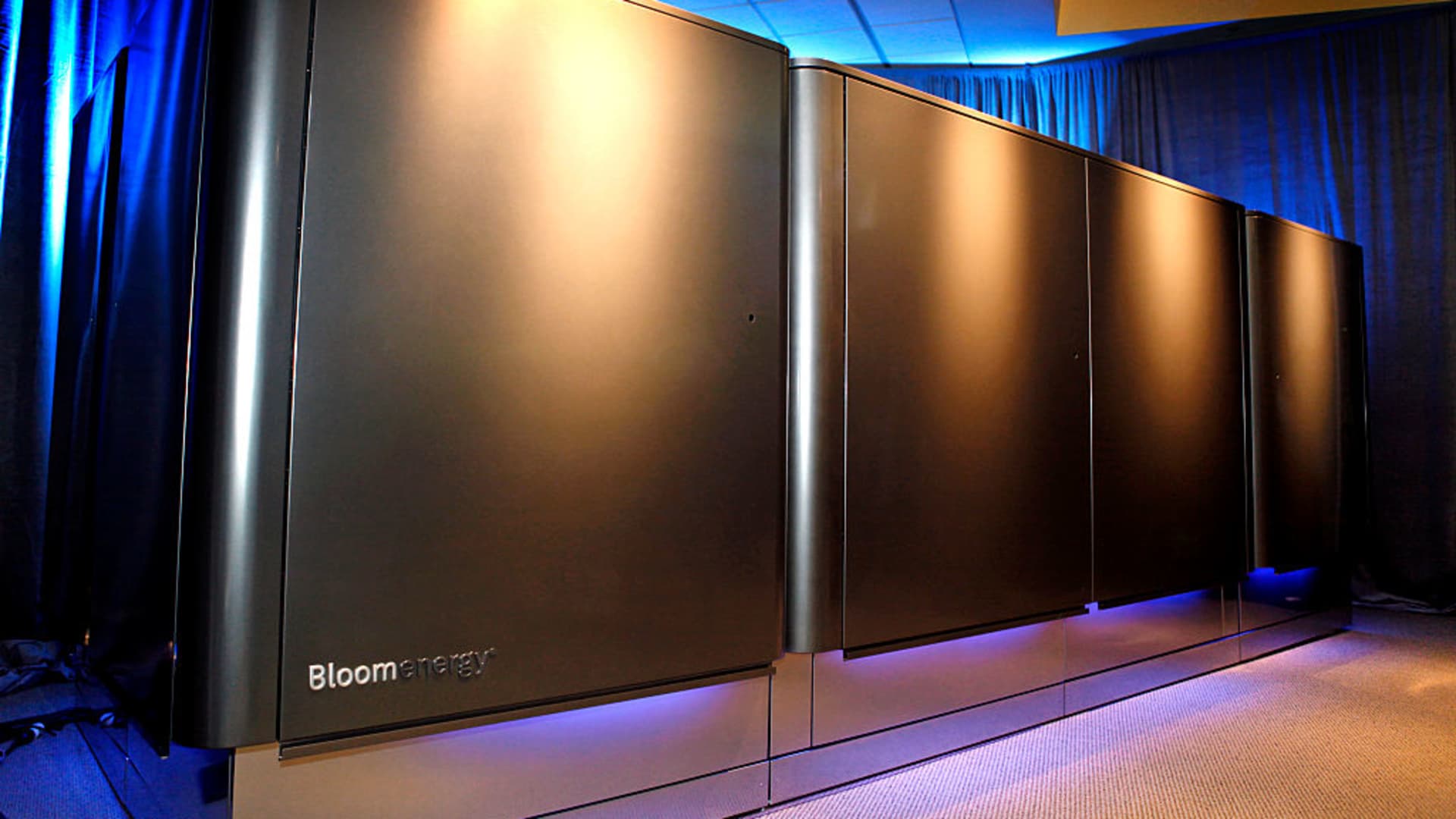
- Rapid Trade Review: Stocks mentioned at the end of the video include Micron, Constellation Brands, General Mills, Lockheed Martin, and Bloom Energy, reflecting Jim Cramer's focus on a diversified investment portfolio.
See More

Micron's Earnings Indicate Continued Memory Market Boom
- Earnings Beat: Micron Technology's fiscal 2026 Q3 earnings report revealed a 196% year-over-year revenue growth, surpassing expectations, and the company anticipates over 20% sequential growth for Q4 2026, solidifying its leadership in the memory market.
- Flash Memory Competition: Sandisk reported a remarkable 251% year-over-year revenue growth and a 97% sequential increase in its fiscal 2026 Q3, not only outpacing Micron's 75% sequential growth but also highlighting its critical role in AI infrastructure, drawing investor interest.
- Strategic Customer Agreements: Micron's earnings announcement included multiple strategic customer agreements that provide revenue visibility for several years, challenging the cyclical nature of the memory market, suggesting Sandisk may report similar long-term agreements in its upcoming earnings.
- AI-Driven Growth Potential: As demand for AI infrastructure continues to rise, the need for memory chips is expected to grow, indicating that both Sandisk and Micron will benefit from this trend in the coming years, driving sustained performance improvements.
See More
Bernstein Raises SanDisk Price Target to $3,000, Signaling Strong Market Confidence
- Price Target Increase: Bernstein raised SanDisk's price target from $1,700 to $3,000, significantly above the analysts' consensus of $1,845.64, implying a 46% upside from Monday's closing price, reflecting strong market confidence in its future business prospects.
- Long-Term Agreement Advantage: SanDisk's recently signed long-term agreements set a floor price of $0.29 per GB, which is meaningfully above Micron's effective floor prices, a strategy that not only locks in customers but also protects the company from traditional cyclical downturns.
- Outstanding Market Performance: SanDisk emerged as the best-performing stock in the S&P 500 in 2026, with shares soaring 767%, showcasing its leading position in the memory supercycle, particularly amid surging demand from AI data centers.
- AI Business Expansion: Since separating from Western Digital in February 2025, SanDisk has focused on enterprise and AI-driven storage demands, and while its market presence is smaller than that of Samsung and Micron, its growth potential in enterprise SSDs and NVMe drives remains significant.
See More
Mixed US Stock Performance as Chip Stocks Retreat
- Economic Data Impact: The June ADP employment change rose by only 98,000, falling short of the expected 120,000, indicating a weaker US labor market that pressured stocks, particularly in the chip and AI sectors.
- Manufacturing Index Decline: The June ISM manufacturing index fell by 0.7 to 53.3, below the expected 53.9, reflecting a slowdown in manufacturing activity and exacerbating market concerns about economic deceleration.
- Inflation Expectations Improve: The June ISM prices paid sub-index dropped to 73.0, a four-month low, exceeding market expectations and suggesting easing inflation pressures that could influence the Fed's monetary policy decisions.
- Optimistic Earnings Outlook: Bloomberg Intelligence forecasts a 23% increase in Q2 earnings, primarily driven by AI infrastructure stocks, indicating market confidence in future profitability despite the current poor stock performance.
See More
ARK Fintech ETF Outperforms with Coinbase and Meta Leading Gains
- ARKF ETF Performance: The ARK Fintech Innovation ETF is up approximately 4.3% in Wednesday trading, significantly outperforming other ETFs, indicating strong market demand and investor confidence.
- Coinbase and Meta Surge: Key components Coinbase and Meta have risen about 10.2% and 10.1% respectively, reflecting positive market sentiment towards these companies, which may drive future investment inflows.
- PTF ETF Decline: In contrast, the Invesco Dorsey Wright Technology Momentum ETF is down about 6% in Wednesday afternoon trading, suggesting a cautious market outlook on technology stocks.
- Weakness in Sandisk and Teradyne: Within the PTF ETF, Sandisk and Teradyne have dropped approximately 9.3% and 9.2%, indicating that these companies may face market challenges that could impact their short-term performance.
See More
Meta's Cloud Business Expansion Drives Stock Surge
- Meta Cloud Business Expansion: Meta Platforms shares surged 11% on news of its plan to sell excess AI computing power to external customers, marking a significant expansion into the cloud business that is expected to enhance revenue streams and strengthen market competitiveness.
- General Mills Earnings Beat: General Mills reported fourth-quarter adjusted earnings of 95 cents per share on revenue of $4.61 billion, surpassing market expectations, and announced plans to achieve $3 billion in cumulative cost savings by fiscal year 2030, demonstrating strong profitability and cost control capabilities.
- Progress Software Strong Performance: Progress Software shares rallied over 18% after reporting second-quarter adjusted earnings of $1.62 per share on revenue of $253.5 million, both exceeding analyst expectations, with optimistic guidance for Q3 reflecting the company's sustained growth potential.
- Nike's Earnings Recovery: Nike's stock rose more than 4% as its fiscal fourth-quarter results exceeded analyst expectations despite a 12% year-over-year decline in China sales, showcasing the brand's resilience in the global market and potential for future growth.
See More
Key Takeaways from Wednesday's Investing Club Meeting
- Market Dynamics: The S&P 500 is up at the start of the new month, while the Nasdaq faces pressure as investors take profits in semiconductor stocks like Micron, Sandisk, Nvidia, and Broadcom, indicating volatility in market sentiment.
- Nike Exit: Jim Cramer exited his position in Nike after a disappointing quarter, acknowledging a 40% loss, and despite previous confidence in a turnaround, he opted to reallocate funds to FedEx Freight for potentially better returns.
- Salesforce Stock Surge: Salesforce shares jumped over 5% after Guggenheim upgraded the stock to buy with a $228 price target, although Jim Cramer remains cautious about the company's growth prospects, noting that AI pressure won't be fatal but overall business growth is lacking.
- Rapid Trade Review: Stocks mentioned at the end of the video include Micron, Constellation Brands, General Mills, Lockheed Martin, and Bloom Energy, reflecting Jim Cramer's focus on a diversified investment portfolio.
See More
Micron's Earnings Indicate Continued Memory Market Boom
- Earnings Beat: Micron Technology's fiscal 2026 Q3 earnings report revealed a 196% year-over-year revenue growth, surpassing expectations, and the company anticipates over 20% sequential growth for Q4 2026, solidifying its leadership in the memory market.
- Flash Memory Competition: Sandisk reported a remarkable 251% year-over-year revenue growth and a 97% sequential increase in its fiscal 2026 Q3, not only outpacing Micron's 75% sequential growth but also highlighting its critical role in AI infrastructure, drawing investor interest.
- Strategic Customer Agreements: Micron's earnings announcement included multiple strategic customer agreements that provide revenue visibility for several years, challenging the cyclical nature of the memory market, suggesting Sandisk may report similar long-term agreements in its upcoming earnings.
- AI-Driven Growth Potential: As demand for AI infrastructure continues to rise, the need for memory chips is expected to grow, indicating that both Sandisk and Micron will benefit from this trend in the coming years, driving sustained performance improvements.
See More




