Lululemon, e.l.f. Beauty, and Shake Shack Shares Hit 52-Week Lows
Written by Emily J. Thompson, Senior Investment Analyst
Updated: Jun 08 2026
0mins

Source: stocktwits
- Lululemon Stock Plummets: Lululemon shares fell to a seven-year low of $109.36 after management admitted that its product assortment failed to meet customer expectations, prompting analysts to cut price targets, with Telsey reducing its target from $175 to $122, indicating market concerns over future growth.
- e.l.f. Beauty Insider Sales Impact: e.l.f. Beauty shares dropped to a 52-week low of $48.82 as insider stock sales by executives raised market concerns, with CEO Tarang Amin selling 15,829 shares at $51.94 each, although the sales were for tax obligations, they coincided with signs of slowing growth in the cosmetics sector.
- Shake Shack's Dim Outlook: Shake Shack's stock fell to a three-year low of $52.29 after the company cut its outlook for Q2 and the full year, now expecting revenue between $415 million and $420 million, down from previous estimates, reflecting signs of softer consumer spending.
- Market Sentiment Shift: Lululemon's stock has plunged 45% year-to-date, while e.l.f. Beauty and Shake Shack have declined by 35%, indicating a shift in market sentiment from optimism to caution, reflecting investor concerns about the execution and profitability of consumer growth companies.
Trade with 70% Backtested Accuracy
Stop guessing "Should I Buy LULU?" and start using high-conviction signals backed by rigorous historical data.
Sign up today to access powerful investing tools and make smarter, data-driven decisions.
Analyst Views on LULU
Wall Street analysts forecast LULU stock price to rise
22 Analyst Rating
1 Buy
21 Hold
0 Sell
Hold
Current: 112.060

Low
146.00
Averages
207.12
High
303.00
Current: 112.060
Low
146.00
Averages
207.12
High
303.00
About LULU
lululemon athletica inc. is a technical athletic apparel, footwear, and accessories company. The Company organizes its operations into four regional markets: the Americas, China Mainland, Asia Pacific (APAC), and Europe and the Middle East (EMEA). It conducts its business through a number of different channels in each market, including the Company-operated stores, e-commerce, temporary locations, wholesale, outlets, a re-commerce program, and license and supply arrangements. The Company offers a comprehensive line of technical athletic apparel, footwear, and accessories marketed under the lululemon brand. Its apparel assortment includes items such as shorts, tops, and jackets designed for a healthy lifestyle, including athletic activities such as yoga, running, training, and most other activities. It also offers apparel designed for being on the move and fitness-inspired accessories. It operates stores in the United States, Canada, China Mainland, Australia, South Korea and others.
About the author

Emily J. Thompson
Emily J. Thompson, a Chartered Financial Analyst (CFA) with 12 years in investment research, graduated with honors from the Wharton School. Specializing in industrial and technology stocks, she provides in-depth analysis for Intellectia’s earnings and market brief reports.
Nike and Lululemon Sales Outlook Comparison


- Nike Sales Recovery: Nike achieved flat sales in the third quarter of fiscal 2026, improving from a previous decline of 10%, although management still anticipates a full-year sales decline, indicating the company's potential to seek recovery amidst adversity.
- Lululemon Performance Fluctuations: Lululemon reported a 4% sales increase in the first quarter of fiscal 2026, but lowered its full-year guidance due to declining profitability and leadership changes, reflecting the challenges faced and a shake in market confidence.
- China Market Performance: Lululemon's sales in China increased by 30% year-over-year, while sales in the U.S. fell by 4%, indicating that its strong performance in international markets could be a key driver for future growth.
- Dividend Appeal: Nike's current dividend yield stands at 3.9%, and despite facing sales pressures, it has not suspended its payout, providing investors with stable cash flow and enhancing its attractiveness in the market.
See More

Nike vs. Lululemon: A Value Investment Showdown
- Nike's Brand Power: Nike boasts the highest brand strength among global apparel brands, maintaining its top position in youth market surveys despite recent sales declines and stock price drops, indicating strong recovery potential.
- Signs of Sales Recovery: In the third quarter of fiscal 2026, Nike reported flat year-over-year sales, an improvement from previous declines of 10%, with management identifying a recovery path despite expectations for continued annual sales declines.
- Lululemon's Market Challenges: Lululemon achieved a 4% sales increase in the first quarter of fiscal 2026, but has lowered its full-year guidance due to declining profitability and negative attention from a proxy fight involving its founder, reflecting a lack of market confidence.
- Strength in China: Lululemon's sales in China surged 30% year-over-year, contrasting with a 4% decline in the U.S. market, highlighting its international growth potential compared to Nike's struggles.
See More
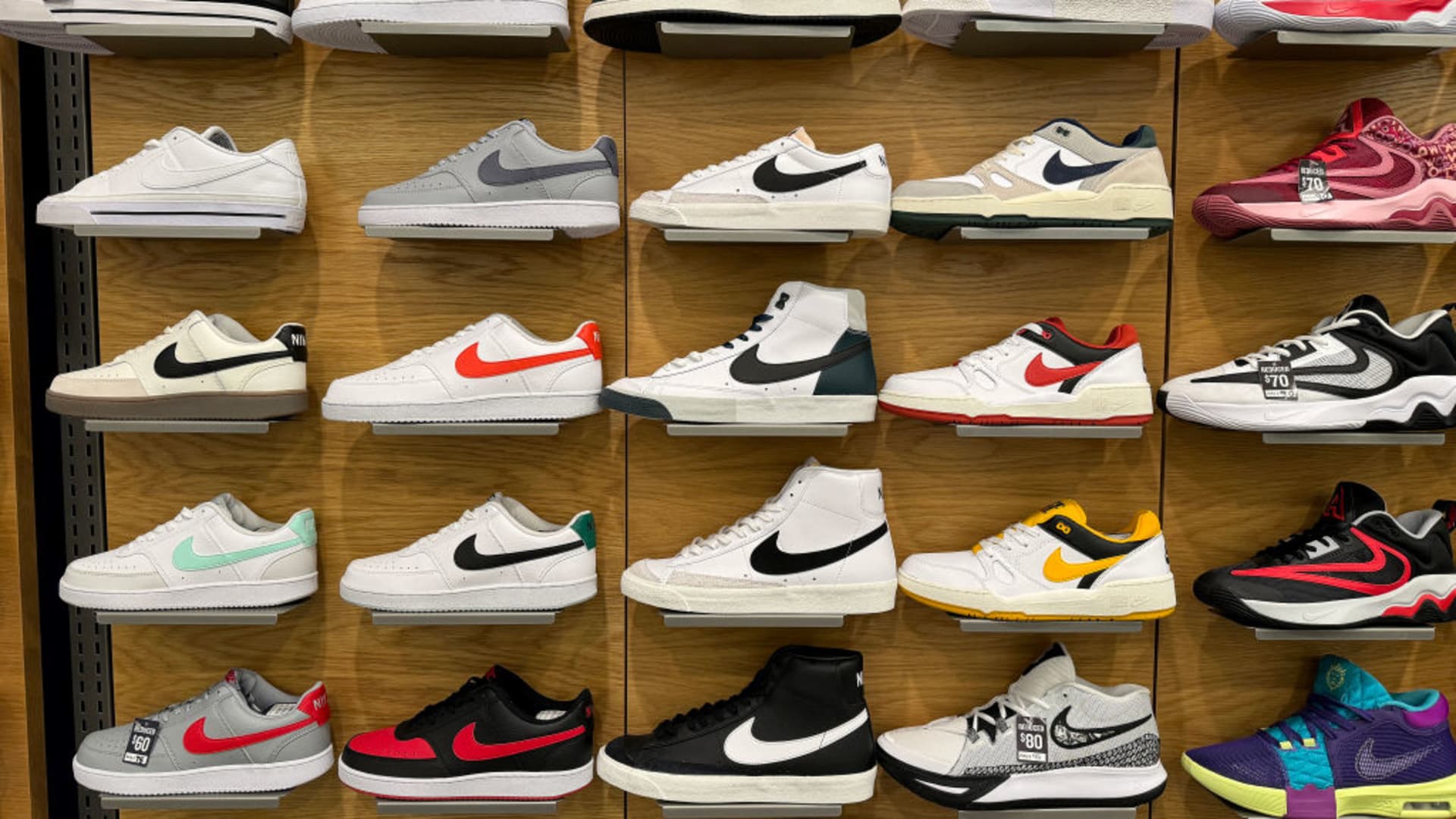
Nike vs. Lululemon: Market Competition Analysis
- Nike's Brand Power: Nike holds the highest brand power among global apparel brands according to Brand Finance's Brand Strength Index, maintaining its leadership in athletic wear despite recent sales declines and stock price drops, indicating potential for recovery.
- Sales Recovery Signs: In the third quarter of fiscal 2026, Nike reported flat year-over-year sales, an improvement from previous declines of 10%, with management still guiding for an overall decline for the year while seeking recovery through innovation and re-establishing ties with wholesalers.
- Lululemon's Market Challenges: Lululemon reported a 4% sales increase in the first quarter of fiscal 2026, but struggles with profitability and lowered guidance have led to a crisis of confidence, particularly following founder Chip Wilson's proxy fight that negatively impacted sales.
- Chinese Market Highlights: While Lululemon's U.S. sales fell by 4%, its sales in China surged by 30% year-over-year, showcasing its potential in the rapidly growing Asia-Pacific market, which serves as a significant advantage in its competition with Nike.
See More

Lululemon Shareholders Approve Board Nominees, Clearing Path for CEO Transition
- Board Changes: Lululemon shareholders approved board nominees at the annual meeting, including former Levi Strauss CEO Chip Bergh, marking the end of a proxy contest with founder Chip Wilson and allowing incoming CEO Heidi O'Neill to focus on turnaround strategies.
- Leadership Challenges: Chip Wilson, who holds an 8.6% stake, has challenged Lululemon's leadership and strategic direction since late last year; as part of the settlement, he will refrain from public criticism for 18 months, aiming to stabilize governance.
- Competitive Pressure: As O'Neill prepares to take over in September, Lululemon faces increasing competition from rivals like Alo Yoga and Vuori, particularly as the company projects its first quarterly sales decline since the pandemic, indicating a tough market environment.
- Financial Warning: Lululemon has warned that higher discounting and tariff-related costs will weigh on margins, contributing to a roughly 46% decline in share price year-to-date, reflecting investor concerns about the company's future performance.
See More
Lululemon Shareholders Elect New Directors Amid Proxy Battle Settlement
- Board Restructuring: Lululemon shareholders elected three management-backed directors, including former Levi Strauss CEO Chip Bergh, marking a settlement of the intense proxy battle with founder Chip Wilson and paving the way for the new CEO's brand revival efforts.
- Independent Director Appointments: Chip Wilson's nominees, Marc Maurer and Laura Gentile, have been appointed as independent directors, increasing the board's strength to 11 members, which enhances corporate governance and supports future strategic adjustments.
- Strategic Reset: Amid intensifying competition, Lululemon faces declining sales and margin pressures, forecasting its first sales drop since the pandemic this quarter, highlighting the urgent need to win back core customers through fresher products and sharper brand positioning.
- Cash Reserve Utilization: With a net cash treasure chest of $1.8 billion, Lululemon is widely expected to deploy these funds for investments in new categories, store upgrades, or accelerating international expansion to counter market share erosion.
See More

Lululemon and Nike Seasonal Revenue Analysis
- Lululemon Revenue Performance: Lululemon reported $3.6 billion in revenue for Q1 2026, showing significant sales growth during the holiday shopping season despite the challenge of a CEO transition, indicating strong brand appeal in the market.
- Nike Financial Stability: Nike's revenue for Q2 2026 was $11.3 billion, remaining flat year-over-year; however, its consistent dividend payments and 24 consecutive years of increases provide investors with stable returns, bolstering market confidence.
- Market Competitive Pressure: Lululemon has lowered its 2026 sales outlook to flat compared to 2025 due to the CEO change, which may impact future revenue potential, while Nike's stable performance during the holiday season demonstrates resilience in the market.
- Investor Decision Impact: While Lululemon has shown year-over-year sales growth in multiple quarters, the uncertainty brought by the new CEO may make investors more cautious in their choices, whereas Nike's 3.9% dividend yield attracts those seeking stable income.
See More
Nike and Lululemon Sales Outlook Comparison
- Nike Sales Recovery: Nike achieved flat sales in the third quarter of fiscal 2026, improving from a previous decline of 10%, although management still anticipates a full-year sales decline, indicating the company's potential to seek recovery amidst adversity.
- Lululemon Performance Fluctuations: Lululemon reported a 4% sales increase in the first quarter of fiscal 2026, but lowered its full-year guidance due to declining profitability and leadership changes, reflecting the challenges faced and a shake in market confidence.
- China Market Performance: Lululemon's sales in China increased by 30% year-over-year, while sales in the U.S. fell by 4%, indicating that its strong performance in international markets could be a key driver for future growth.
- Dividend Appeal: Nike's current dividend yield stands at 3.9%, and despite facing sales pressures, it has not suspended its payout, providing investors with stable cash flow and enhancing its attractiveness in the market.
See More
Nike vs. Lululemon: A Value Investment Showdown
- Nike's Brand Power: Nike boasts the highest brand strength among global apparel brands, maintaining its top position in youth market surveys despite recent sales declines and stock price drops, indicating strong recovery potential.
- Signs of Sales Recovery: In the third quarter of fiscal 2026, Nike reported flat year-over-year sales, an improvement from previous declines of 10%, with management identifying a recovery path despite expectations for continued annual sales declines.
- Lululemon's Market Challenges: Lululemon achieved a 4% sales increase in the first quarter of fiscal 2026, but has lowered its full-year guidance due to declining profitability and negative attention from a proxy fight involving its founder, reflecting a lack of market confidence.
- Strength in China: Lululemon's sales in China surged 30% year-over-year, contrasting with a 4% decline in the U.S. market, highlighting its international growth potential compared to Nike's struggles.
See More
Nike vs. Lululemon: Market Competition Analysis
- Nike's Brand Power: Nike holds the highest brand power among global apparel brands according to Brand Finance's Brand Strength Index, maintaining its leadership in athletic wear despite recent sales declines and stock price drops, indicating potential for recovery.
- Sales Recovery Signs: In the third quarter of fiscal 2026, Nike reported flat year-over-year sales, an improvement from previous declines of 10%, with management still guiding for an overall decline for the year while seeking recovery through innovation and re-establishing ties with wholesalers.
- Lululemon's Market Challenges: Lululemon reported a 4% sales increase in the first quarter of fiscal 2026, but struggles with profitability and lowered guidance have led to a crisis of confidence, particularly following founder Chip Wilson's proxy fight that negatively impacted sales.
- Chinese Market Highlights: While Lululemon's U.S. sales fell by 4%, its sales in China surged by 30% year-over-year, showcasing its potential in the rapidly growing Asia-Pacific market, which serves as a significant advantage in its competition with Nike.
See More
Lululemon Shareholders Approve Board Nominees, Clearing Path for CEO Transition
- Board Changes: Lululemon shareholders approved board nominees at the annual meeting, including former Levi Strauss CEO Chip Bergh, marking the end of a proxy contest with founder Chip Wilson and allowing incoming CEO Heidi O'Neill to focus on turnaround strategies.
- Leadership Challenges: Chip Wilson, who holds an 8.6% stake, has challenged Lululemon's leadership and strategic direction since late last year; as part of the settlement, he will refrain from public criticism for 18 months, aiming to stabilize governance.
- Competitive Pressure: As O'Neill prepares to take over in September, Lululemon faces increasing competition from rivals like Alo Yoga and Vuori, particularly as the company projects its first quarterly sales decline since the pandemic, indicating a tough market environment.
- Financial Warning: Lululemon has warned that higher discounting and tariff-related costs will weigh on margins, contributing to a roughly 46% decline in share price year-to-date, reflecting investor concerns about the company's future performance.
See More
Lululemon Shareholders Elect New Directors Amid Proxy Battle Settlement
- Board Restructuring: Lululemon shareholders elected three management-backed directors, including former Levi Strauss CEO Chip Bergh, marking a settlement of the intense proxy battle with founder Chip Wilson and paving the way for the new CEO's brand revival efforts.
- Independent Director Appointments: Chip Wilson's nominees, Marc Maurer and Laura Gentile, have been appointed as independent directors, increasing the board's strength to 11 members, which enhances corporate governance and supports future strategic adjustments.
- Strategic Reset: Amid intensifying competition, Lululemon faces declining sales and margin pressures, forecasting its first sales drop since the pandemic this quarter, highlighting the urgent need to win back core customers through fresher products and sharper brand positioning.
- Cash Reserve Utilization: With a net cash treasure chest of $1.8 billion, Lululemon is widely expected to deploy these funds for investments in new categories, store upgrades, or accelerating international expansion to counter market share erosion.
See More
Lululemon and Nike Seasonal Revenue Analysis
- Lululemon Revenue Performance: Lululemon reported $3.6 billion in revenue for Q1 2026, showing significant sales growth during the holiday shopping season despite the challenge of a CEO transition, indicating strong brand appeal in the market.
- Nike Financial Stability: Nike's revenue for Q2 2026 was $11.3 billion, remaining flat year-over-year; however, its consistent dividend payments and 24 consecutive years of increases provide investors with stable returns, bolstering market confidence.
- Market Competitive Pressure: Lululemon has lowered its 2026 sales outlook to flat compared to 2025 due to the CEO change, which may impact future revenue potential, while Nike's stable performance during the holiday season demonstrates resilience in the market.
- Investor Decision Impact: While Lululemon has shown year-over-year sales growth in multiple quarters, the uncertainty brought by the new CEO may make investors more cautious in their choices, whereas Nike's 3.9% dividend yield attracts those seeking stable income.
See More