Lithium Mining Market Anticipated to Hit $17 Billion by 2035, Key to Global Energy Transition
Written by Emily J. Thompson, Senior Investment Analyst
Updated: Oct 07 2025
0mins


Source: Newsfilter
Lithium Mining Market Growth: The Lithium Mining Market is projected to grow from USD 4.19 billion in 2025 to USD 17.54 billion by 2035, driven by increasing demand for electric vehicles and renewable energy storage, alongside a shift towards battery recycling.
US Critical Metals Corp. Developments: US Critical Metals Corp. has amended an agreement to acquire 100% interest in the McDermitt East Lithium Project, enhancing its position in North America's lithium sector, which aligns with U.S. government efforts to secure domestic supply chains.
Trade with 70% Backtested Accuracy
Stop guessing "Should I Buy MP?" and start using high-conviction signals backed by rigorous historical data.
Sign up today to access powerful investing tools and make smarter, data-driven decisions.
Analyst Views on MP
Wall Street analysts forecast MP stock price to rise
11 Analyst Rating
11 Buy
0 Hold
0 Sell
Strong Buy
Current: 54.280

Low
55.27
Averages
76.13
High
94.00
Current: 54.280
Low
55.27
Averages
76.13
High
94.00
About MP
MP Materials Corp. produces specialty materials that are vital inputs for electrification and other advanced technologies. The Company owns and operates the Mountain Pass Rare Earth Mine and Processing Facility (Mountain Pass) located in California. It is also developing a rare earth metal, alloy and magnet manufacturing facility in Fort Worth, Texas (Independence Facility). The Company’s segments include Materials and Magnetics. The Materials segment operates Mountain Pass, which produces refined rare earth products as well as rare earth concentrate and related products. The Materials segment primarily generates revenue from sales of rare earth concentrate, primarily sold for further distribution to a single, principal customer in China, and sales of neodymium-praseodymium (NdPr) oxide and metal, primarily sold to customers in Japan, South Korea, and broader Asia. The Magnetics segment operates the Independence Facility, where it produces magnetic precursor products.
About the author

Emily J. Thompson
Emily J. Thompson, a Chartered Financial Analyst (CFA) with 12 years in investment research, graduated with honors from the Wharton School. Specializing in industrial and technology stocks, she provides in-depth analysis for Intellectia’s earnings and market brief reports.

Intel Shares Surge on Potential Apple Partnership


- Stock Surge: Intel Corporation (INTC) shares soared by 21.8% in June, according to S&P Global Market Intelligence, reflecting market confidence in its long-term growth potential, particularly amid rumors of a partnership with Apple.
- Partnership Impact: Although neither Apple nor Intel has confirmed an agreement, President Trump hinted in mid-June that the two companies might collaborate on chip design and manufacturing in the U.S., which would bolster Intel's foundry business and enhance its competitiveness against market leader Taiwan Semiconductor.
- Core Business Prospects: Intel's central processing unit (CPU) business is gaining attention in AI infrastructure development, as the demand for CPUs is expected to rise significantly with the increasing importance of inference, despite graphics processing units (GPUs) currently dominating large language model training.
- Increased Market Recognition: As the market increasingly acknowledges the significance of inference AI spending, Intel's role in CPU manufacturing is likely to be better recognized, and confirmation of a partnership with Apple could further drive stock price appreciation.
See More
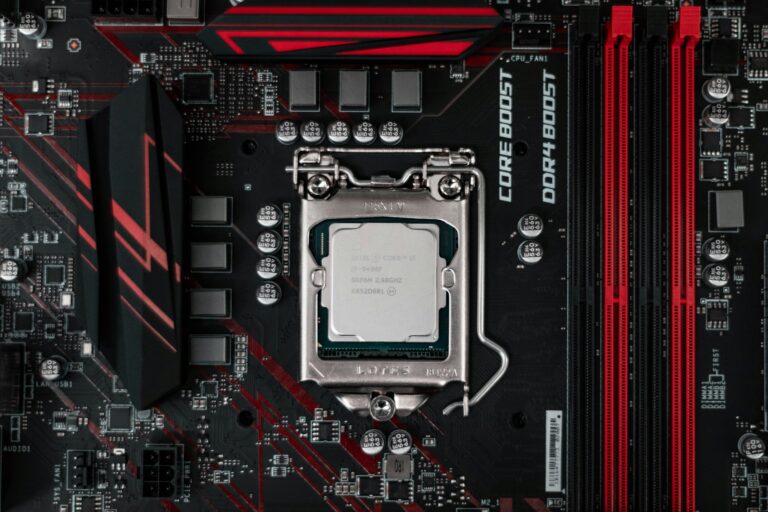
Potential Apple-Intel Chip Deal Could Boost Intel's Foundry Business
- Rising Chip Demand: As the demand for AI inference grows, the need for central processing unit (CPU) chips is expected to increase, which would positively impact Intel's business, particularly if a potential agreement with Apple is confirmed.
- Significant Stock Surge: Intel Corporation (NASDAQ: INTC) saw its shares soar by 21.8% in June, according to S&P Global Market Intelligence, reflecting market recognition of its long-term growth potential, especially regarding the increasing importance of CPUs in AI infrastructure.
- Policy Support for Manufacturing: The Trump administration's policies aim to encourage domestic manufacturing, particularly partnerships with key technology providers like Apple; if an agreement is reached, it would further scale Intel's foundry business and enhance its competitive position.
- Focus on Inference AI: As the market acknowledges the long-term growth potential of inference AI spending, Intel's role in CPU manufacturing is likely to be better recognized, which could create upside potential for its stock, especially following confirmation of a deal with Apple.
See More

USA Rare Earth Shares Plunge 23% Amid Multiple Concerns


- Significant Stock Decline: USA Rare Earth's shares fell by 23% in June, driven by investor concerns over potential selling pressure linked to an S-3/A registration statement covering the resale of 93,822,662 shares, which constitutes 35.2% of the company's outstanding common stock.
- Impact of China's Export Controls: Late in June, China blacklisted USA Rare Earth, which may force the company to reassess its supply chains, despite not directly trading with China, potentially hindering its plans to ramp up magnet production and acquire rare-earth processing technology.
- Legal Dispute Risks: MP Materials has filed a lawsuit against USA Rare Earth, alleging theft of proprietary technology through a former employee, which, while common in the industry, poses a distraction that could impact the company's future operations and focus.
- Execution Risks and Shareholder Dilution: The events of June underscore the execution risks and potential for further shareholder dilution, which could exert ongoing pressure on the stock, despite the company's promising long-term prospects in securing a domestic supply of rare earth materials and magnets.
See More

Analysis of Investment Opportunities in Rare Earth Metals
- MP Materials Progress: MP Materials operates a rare earth metals mine in California and has processing facilities, achieving adjusted profits in Q1 2026, indicating its potential for sustainable profitability, which attracts long-term investor interest.
- USA Rare Earth Acquisition Moves: USA Rare Earth recently acquired a rare earth metals mine in South America and is building a new mine in Texas; while currently unprofitable, its aggressive acquisition strategy and processing capabilities in the U.S. and Europe show promising development prospects.
- The Metals Company Risks and Potential: The Metals Company plans to build an undersea mine, facing high risks and regulatory approval challenges, but its unique business model may attract investors seeking high growth potential, despite likely ongoing losses in the short term.
- Rare Earth Market Outlook: With increasing global demand for rare earth metals, particularly in electric vehicles and defense sectors, the developments of MP Materials, USA Rare Earth, and The Metals Company will provide crucial supply for the U.S. market, although investment risks remain high.
See More
Analysis of Investment Opportunities in Rare Earth Metals
- Current Market Situation: Rare earth metals primarily come from China, and their importance in electric vehicles and the defense industry means that supply restrictions could severely impact automotive production, particularly in the electric vehicle sector, with far-reaching consequences.
- MP Materials' Leading Development: As a frontrunner in the rare earth metals industry, MP Materials operates a mine in California and has processing capabilities, with an expected adjusted profit in Q1 2026, indicating potential for sustainable profitability.
- Challenges for USA Rare Earth: USA Rare Earth is building a mine in Texas, which will take several years to complete and is currently unprofitable; however, it is aggressively acquiring assets, including an operating mine in South America, showing promising progress.
- High-Risk Profile of The Metals Company: The Metals Company plans to build an undersea mine, facing regulatory approvals and high costs; while it has significant growth potential, it is only suitable for investors with a high-risk tolerance, as it may continue to incur losses in the short term.
See More

Analysis of Investment Opportunities in Rare Earth Metals
- Importance of Rare Earth Metals: Rare earth metals are crucial in various applications, including cellphones and automobiles, particularly in electric vehicle production, where supply constraints could severely impact overall market performance.
- MP Materials' Leading Position: As a frontrunner in the rare earth metals sector, MP Materials operates a mine in California and has processing facilities, with expectations of achieving adjusted profitability in Q1 2026, indicating potential for sustainable profits.
- USA Rare Earth Development Challenges: USA Rare Earth is building a mine in Texas, and while its acquisition strategy has bolstered material processing capabilities in the U.S. and Europe, its current lack of profitability may deter conservative investors.
- The Metals Company High-Risk Potential: The Metals Company aims to establish an undersea mine, facing regulatory approvals and high construction costs, presenting significant risks but potentially offering substantial growth opportunities for aggressive investors.
See More
Intel Shares Surge on Potential Apple Partnership
- Stock Surge: Intel Corporation (INTC) shares soared by 21.8% in June, according to S&P Global Market Intelligence, reflecting market confidence in its long-term growth potential, particularly amid rumors of a partnership with Apple.
- Partnership Impact: Although neither Apple nor Intel has confirmed an agreement, President Trump hinted in mid-June that the two companies might collaborate on chip design and manufacturing in the U.S., which would bolster Intel's foundry business and enhance its competitiveness against market leader Taiwan Semiconductor.
- Core Business Prospects: Intel's central processing unit (CPU) business is gaining attention in AI infrastructure development, as the demand for CPUs is expected to rise significantly with the increasing importance of inference, despite graphics processing units (GPUs) currently dominating large language model training.
- Increased Market Recognition: As the market increasingly acknowledges the significance of inference AI spending, Intel's role in CPU manufacturing is likely to be better recognized, and confirmation of a partnership with Apple could further drive stock price appreciation.
See More
Potential Apple-Intel Chip Deal Could Boost Intel's Foundry Business
- Rising Chip Demand: As the demand for AI inference grows, the need for central processing unit (CPU) chips is expected to increase, which would positively impact Intel's business, particularly if a potential agreement with Apple is confirmed.
- Significant Stock Surge: Intel Corporation (NASDAQ: INTC) saw its shares soar by 21.8% in June, according to S&P Global Market Intelligence, reflecting market recognition of its long-term growth potential, especially regarding the increasing importance of CPUs in AI infrastructure.
- Policy Support for Manufacturing: The Trump administration's policies aim to encourage domestic manufacturing, particularly partnerships with key technology providers like Apple; if an agreement is reached, it would further scale Intel's foundry business and enhance its competitive position.
- Focus on Inference AI: As the market acknowledges the long-term growth potential of inference AI spending, Intel's role in CPU manufacturing is likely to be better recognized, which could create upside potential for its stock, especially following confirmation of a deal with Apple.
See More
USA Rare Earth Shares Plunge 23% Amid Multiple Concerns
- Significant Stock Decline: USA Rare Earth's shares fell by 23% in June, driven by investor concerns over potential selling pressure linked to an S-3/A registration statement covering the resale of 93,822,662 shares, which constitutes 35.2% of the company's outstanding common stock.
- Impact of China's Export Controls: Late in June, China blacklisted USA Rare Earth, which may force the company to reassess its supply chains, despite not directly trading with China, potentially hindering its plans to ramp up magnet production and acquire rare-earth processing technology.
- Legal Dispute Risks: MP Materials has filed a lawsuit against USA Rare Earth, alleging theft of proprietary technology through a former employee, which, while common in the industry, poses a distraction that could impact the company's future operations and focus.
- Execution Risks and Shareholder Dilution: The events of June underscore the execution risks and potential for further shareholder dilution, which could exert ongoing pressure on the stock, despite the company's promising long-term prospects in securing a domestic supply of rare earth materials and magnets.
See More
Analysis of Investment Opportunities in Rare Earth Metals
- MP Materials Progress: MP Materials operates a rare earth metals mine in California and has processing facilities, achieving adjusted profits in Q1 2026, indicating its potential for sustainable profitability, which attracts long-term investor interest.
- USA Rare Earth Acquisition Moves: USA Rare Earth recently acquired a rare earth metals mine in South America and is building a new mine in Texas; while currently unprofitable, its aggressive acquisition strategy and processing capabilities in the U.S. and Europe show promising development prospects.
- The Metals Company Risks and Potential: The Metals Company plans to build an undersea mine, facing high risks and regulatory approval challenges, but its unique business model may attract investors seeking high growth potential, despite likely ongoing losses in the short term.
- Rare Earth Market Outlook: With increasing global demand for rare earth metals, particularly in electric vehicles and defense sectors, the developments of MP Materials, USA Rare Earth, and The Metals Company will provide crucial supply for the U.S. market, although investment risks remain high.
See More
Analysis of Investment Opportunities in Rare Earth Metals
- Current Market Situation: Rare earth metals primarily come from China, and their importance in electric vehicles and the defense industry means that supply restrictions could severely impact automotive production, particularly in the electric vehicle sector, with far-reaching consequences.
- MP Materials' Leading Development: As a frontrunner in the rare earth metals industry, MP Materials operates a mine in California and has processing capabilities, with an expected adjusted profit in Q1 2026, indicating potential for sustainable profitability.
- Challenges for USA Rare Earth: USA Rare Earth is building a mine in Texas, which will take several years to complete and is currently unprofitable; however, it is aggressively acquiring assets, including an operating mine in South America, showing promising progress.
- High-Risk Profile of The Metals Company: The Metals Company plans to build an undersea mine, facing regulatory approvals and high costs; while it has significant growth potential, it is only suitable for investors with a high-risk tolerance, as it may continue to incur losses in the short term.
See More
Analysis of Investment Opportunities in Rare Earth Metals
- Importance of Rare Earth Metals: Rare earth metals are crucial in various applications, including cellphones and automobiles, particularly in electric vehicle production, where supply constraints could severely impact overall market performance.
- MP Materials' Leading Position: As a frontrunner in the rare earth metals sector, MP Materials operates a mine in California and has processing facilities, with expectations of achieving adjusted profitability in Q1 2026, indicating potential for sustainable profits.
- USA Rare Earth Development Challenges: USA Rare Earth is building a mine in Texas, and while its acquisition strategy has bolstered material processing capabilities in the U.S. and Europe, its current lack of profitability may deter conservative investors.
- The Metals Company High-Risk Potential: The Metals Company aims to establish an undersea mine, facing regulatory approvals and high construction costs, presenting significant risks but potentially offering substantial growth opportunities for aggressive investors.
See More