Lilly's Remarks on the CMMI Balance Model for GLP-1 Medications
Statement Overview: Lilly's statement addresses the balance model for GLP-1 medicines, emphasizing its importance in the context of healthcare and patient outcomes.
Focus on GLP-1 Medicines: The statement highlights the role of GLP-1 medicines in managing conditions such as diabetes and obesity, underlining their therapeutic benefits.
Commitment to Innovation: Lilly reaffirms its commitment to innovation in the pharmaceutical industry, aiming to enhance treatment options and improve patient care.
Call for Collaboration: The statement encourages collaboration among stakeholders to optimize the use of GLP-1 medicines and ensure equitable access for patients.
Trade with 70% Backtested Accuracy
Analyst Views on LLY

About LLY
About the author

Eli Lilly's GLP-1 Drugs Spark Investment Frenzy

- Significant Sales Growth: Eli Lilly's Mounjaro and Zepbound drugs saw sales increase by 99% and 175% respectively in 2025, positioning the company as a leader in the GLP-1 drug market, despite ongoing fierce competition.
- High Valuation Risk: With a price-to-earnings ratio of 44, significantly above the S&P 500's 28 and the pharmaceutical sector's 23, it suggests that investors may be overly optimistic about future growth, increasing risk.
- High Revenue Dependency: Currently, Mounjaro and Zepbound account for 56% of Eli Lilly's revenue, indicating a heavy reliance on these two products, and any loss of market dominance could severely impact overall performance.
- Patent Expiration Threat: Given the limited duration of drug patent protections, Eli Lilly may face generic competition in the next decade, which could pressure revenues, prompting investors to carefully assess the long-term investment value.
Lilly's Remarks on the CMMI Balance Model for GLP-1 Medications
Statement Overview: Lilly's statement addresses the balance model for GLP-1 medicines, emphasizing its importance in the context of healthcare and patient outcomes.
Focus on GLP-1 Medicines: The statement highlights the role of GLP-1 medicines in managing conditions such as diabetes and obesity, underlining their therapeutic benefits.
Commitment to Innovation: Lilly reaffirms its commitment to innovation in the pharmaceutical industry, aiming to enhance treatment options and improve patient care.
Call for Collaboration: The statement encourages collaboration among stakeholders to optimize the use of GLP-1 medicines and ensure equitable access for patients.

Eli Lilly Stock Faces Pressure Amid Market Concerns
- Stock Decline: Eli Lilly's stock has fallen by 8% year-to-date, and while it boasts a five-year gain of approximately 380%, there is waning excitement around it and other GLP-1 stocks, reflecting broader pressures in the healthcare sector to reduce prices.
- High Valuation: Currently trading at a price-to-earnings ratio of 43, significantly above the S&P 500 average of 25, investors must weigh whether such a premium is justified or if waiting for a lower entry point is more prudent.
- Analyst Optimism: Despite the stock's decline, analysts maintain a positive outlook, with a consensus price target just under $1,230, suggesting a potential upside of around 24% over the next year, indicating sustained market appetite for the stock.
- Strong Performance: Eli Lilly's business has thrived due to the success of its GLP-1 drugs, Zepbound and Mounjaro, with last year's revenue exceeding $65 billion, marking a 45% increase from the previous year, solidifying its status as the most valuable healthcare company globally.
Novo Nordisk Plans Major Price Cuts for GLP-1 Drugs
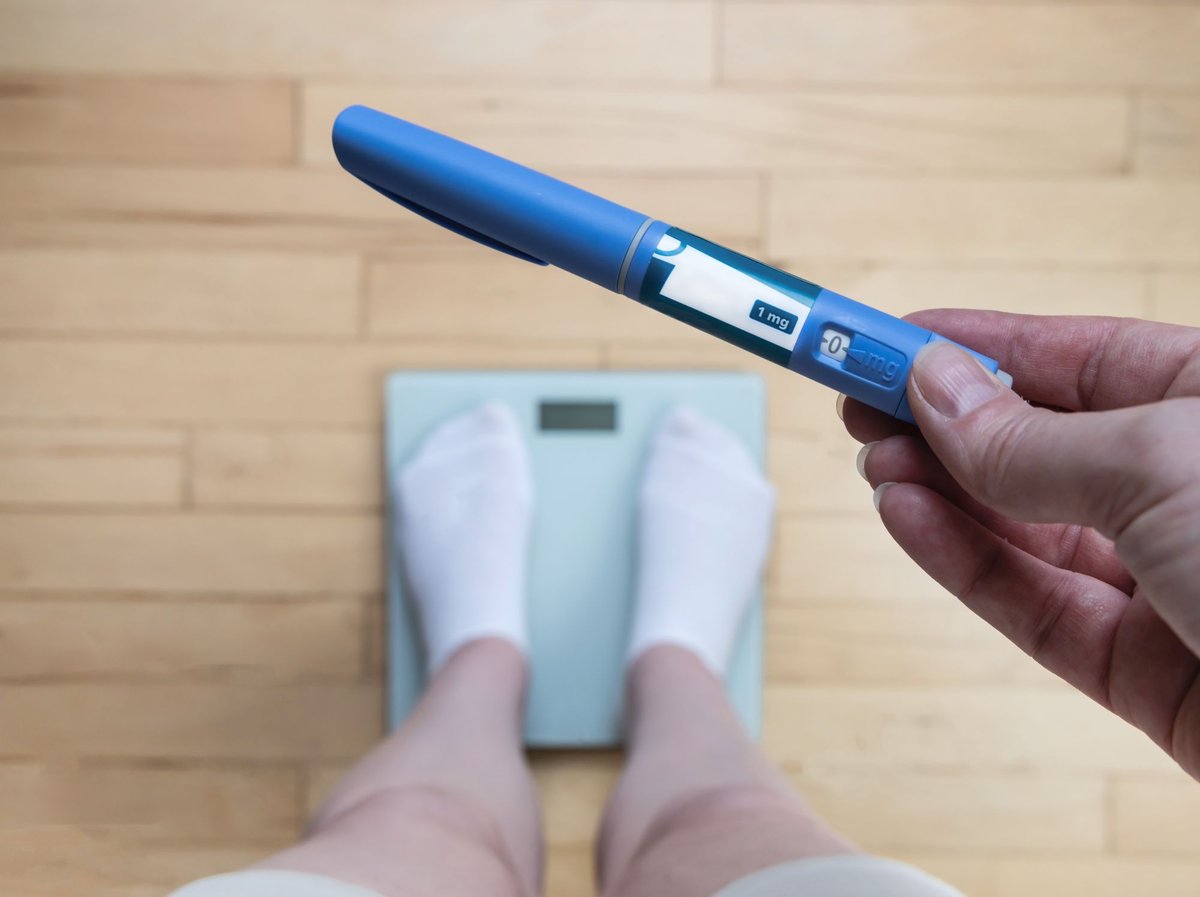
- Pricing Strategy: Starting in 2027, Novo Nordisk plans to reduce the list price of its GLP-1 drugs to $675 per month, representing a potential 50% cut, which will make treatments more accessible for high-deductible patients and could enhance market share.
- Competitive Pressure: In response to competition from Eli Lilly, whose Zepbound drug shows superior weight loss results, Novo Nordisk's pricing strategy aims to maintain its competitive edge in the weight loss market, particularly as Zepbound's price is slightly lower than Wegovy's.
- Profit vs. Market Share: While price reductions may impact short-term profits, Novo Nordisk maintains a gross margin of 80.9%, allowing the company to sacrifice some profit to capture market share, which is crucial for long-term growth.
- Investor Confidence: Should the pricing strategy lead to stronger growth prospects, Novo Nordisk's stock, currently trading at less than 11 times its trailing earnings, could be viewed as undervalued, attracting growth-focused investors.

Pfizer and Eli Lilly's Strategic Moves in AI Healthcare

- Pfizer's AI Utilization: Pfizer has been leveraging AI in the development of its COVID-19 vaccine Comirnaty and plans to expand its AI applications in drug discovery, commercial operations, and manufacturing optimization; despite facing patent cliffs and competitive pressures, AI integration is expected to reduce costs and enhance R&D efficiency.
- Clinical Advancements: Pfizer is advancing several clinical candidates into phase 3 studies, including MET-097i for weight loss and an investigational cancer drug PF'4404; while a rapid business rebound may be unlikely, long-term improvements in R&D could yield positive outcomes.
- Eli Lilly's Supercomputer: Eli Lilly has built the most powerful supercomputer in the pharmaceutical industry with Nvidia's assistance, aimed at enhancing its drug development capabilities, and has established an AI innovation lab to optimize drug discovery and development processes, further solidifying its leadership in the fast-growing weight loss market.
- Market Performance and Outlook: Eli Lilly's revenue growth significantly outpaces its peers, particularly with its weight loss drug Zepbound becoming the world's best-seller; as it continues to invest in AI, the company's competitive edge in the healthcare sector is expected to strengthen further.

Surging Oil Prices Amid Market Turmoil

- Oil Price Surge: The ongoing Iran war has led to a resurgence in oil prices, with WTI and Brent trading around $100 per barrel, prompting G7 officials to consider tapping strategic oil reserves to alleviate price pressures, which could impact global market stability.
- Market Reaction: Despite the G7 news helping stock futures bounce back, Dow futures are still down over 500 points, indicating market concerns over high oil prices, and investors need to navigate the upcoming earnings season with caution.
- Earnings Reports Focus: Oracle's earnings report this week is critical, as skepticism surrounds its massive AI data center buildout, with Deutsche Bank lowering its price target to $300 from $375, while the stock currently trades at $153, reflecting market apprehension about future growth.
- Intensifying Competition: Novo Nordisk's plan to sell its blockbuster obesity drug Wegovy through the telehealth platform Hims & Hers has resulted in a nearly 50% stock price increase for Hims & Hers, potentially putting pressure on market leader Eli Lilly, highlighting the intensifying competition in the pharmaceutical industry.
Eli Lilly's GLP-1 Drugs Spark Investment Frenzy
- Significant Sales Growth: Eli Lilly's Mounjaro and Zepbound drugs saw sales increase by 99% and 175% respectively in 2025, positioning the company as a leader in the GLP-1 drug market, despite ongoing fierce competition.
- High Valuation Risk: With a price-to-earnings ratio of 44, significantly above the S&P 500's 28 and the pharmaceutical sector's 23, it suggests that investors may be overly optimistic about future growth, increasing risk.
- High Revenue Dependency: Currently, Mounjaro and Zepbound account for 56% of Eli Lilly's revenue, indicating a heavy reliance on these two products, and any loss of market dominance could severely impact overall performance.
- Patent Expiration Threat: Given the limited duration of drug patent protections, Eli Lilly may face generic competition in the next decade, which could pressure revenues, prompting investors to carefully assess the long-term investment value.
Lilly's Remarks on the CMMI Balance Model for GLP-1 Medications
Statement Overview: Lilly's statement addresses the balance model for GLP-1 medicines, emphasizing its importance in the context of healthcare and patient outcomes.
Focus on GLP-1 Medicines: The statement highlights the role of GLP-1 medicines in managing conditions such as diabetes and obesity, underlining their therapeutic benefits.
Commitment to Innovation: Lilly reaffirms its commitment to innovation in the pharmaceutical industry, aiming to enhance treatment options and improve patient care.
Call for Collaboration: The statement encourages collaboration among stakeholders to optimize the use of GLP-1 medicines and ensure equitable access for patients.
Eli Lilly Stock Faces Pressure Amid Market Concerns
- Stock Decline: Eli Lilly's stock has fallen by 8% year-to-date, and while it boasts a five-year gain of approximately 380%, there is waning excitement around it and other GLP-1 stocks, reflecting broader pressures in the healthcare sector to reduce prices.
- High Valuation: Currently trading at a price-to-earnings ratio of 43, significantly above the S&P 500 average of 25, investors must weigh whether such a premium is justified or if waiting for a lower entry point is more prudent.
- Analyst Optimism: Despite the stock's decline, analysts maintain a positive outlook, with a consensus price target just under $1,230, suggesting a potential upside of around 24% over the next year, indicating sustained market appetite for the stock.
- Strong Performance: Eli Lilly's business has thrived due to the success of its GLP-1 drugs, Zepbound and Mounjaro, with last year's revenue exceeding $65 billion, marking a 45% increase from the previous year, solidifying its status as the most valuable healthcare company globally.
Novo Nordisk Plans Major Price Cuts for GLP-1 Drugs
- Pricing Strategy: Starting in 2027, Novo Nordisk plans to reduce the list price of its GLP-1 drugs to $675 per month, representing a potential 50% cut, which will make treatments more accessible for high-deductible patients and could enhance market share.
- Competitive Pressure: In response to competition from Eli Lilly, whose Zepbound drug shows superior weight loss results, Novo Nordisk's pricing strategy aims to maintain its competitive edge in the weight loss market, particularly as Zepbound's price is slightly lower than Wegovy's.
- Profit vs. Market Share: While price reductions may impact short-term profits, Novo Nordisk maintains a gross margin of 80.9%, allowing the company to sacrifice some profit to capture market share, which is crucial for long-term growth.
- Investor Confidence: Should the pricing strategy lead to stronger growth prospects, Novo Nordisk's stock, currently trading at less than 11 times its trailing earnings, could be viewed as undervalued, attracting growth-focused investors.
Pfizer and Eli Lilly's Strategic Moves in AI Healthcare
- Pfizer's AI Utilization: Pfizer has been leveraging AI in the development of its COVID-19 vaccine Comirnaty and plans to expand its AI applications in drug discovery, commercial operations, and manufacturing optimization; despite facing patent cliffs and competitive pressures, AI integration is expected to reduce costs and enhance R&D efficiency.
- Clinical Advancements: Pfizer is advancing several clinical candidates into phase 3 studies, including MET-097i for weight loss and an investigational cancer drug PF'4404; while a rapid business rebound may be unlikely, long-term improvements in R&D could yield positive outcomes.
- Eli Lilly's Supercomputer: Eli Lilly has built the most powerful supercomputer in the pharmaceutical industry with Nvidia's assistance, aimed at enhancing its drug development capabilities, and has established an AI innovation lab to optimize drug discovery and development processes, further solidifying its leadership in the fast-growing weight loss market.
- Market Performance and Outlook: Eli Lilly's revenue growth significantly outpaces its peers, particularly with its weight loss drug Zepbound becoming the world's best-seller; as it continues to invest in AI, the company's competitive edge in the healthcare sector is expected to strengthen further.
Surging Oil Prices Amid Market Turmoil
- Oil Price Surge: The ongoing Iran war has led to a resurgence in oil prices, with WTI and Brent trading around $100 per barrel, prompting G7 officials to consider tapping strategic oil reserves to alleviate price pressures, which could impact global market stability.
- Market Reaction: Despite the G7 news helping stock futures bounce back, Dow futures are still down over 500 points, indicating market concerns over high oil prices, and investors need to navigate the upcoming earnings season with caution.
- Earnings Reports Focus: Oracle's earnings report this week is critical, as skepticism surrounds its massive AI data center buildout, with Deutsche Bank lowering its price target to $300 from $375, while the stock currently trades at $153, reflecting market apprehension about future growth.
- Intensifying Competition: Novo Nordisk's plan to sell its blockbuster obesity drug Wegovy through the telehealth platform Hims & Hers has resulted in a nearly 50% stock price increase for Hims & Hers, potentially putting pressure on market leader Eli Lilly, highlighting the intensifying competition in the pharmaceutical industry.