Li Auto Delivers Over 41,000 Vehicles in March 2026
Written by Emily J. Thompson, Senior Investment Analyst
Updated: Apr 01 2026
0mins
Source: Newsfilter
- Record Deliveries: In March 2026, Li Auto delivered 41,053 vehicles, bringing its cumulative deliveries to 1,635,357, which demonstrates the company's robust growth momentum in the new energy vehicle market and solidifies its leadership position.
- Production Bottleneck Resolved: With the production bottleneck addressed, monthly deliveries of the Li i6 surpassed 24,000 units in March, enhancing production efficiency and laying a strong foundation for upcoming model launches.
- New Model Launch: The all-new Li L9 is expected to launch in the second quarter of 2026, reflecting the company's ongoing efforts to expand its product lineup aimed at attracting a broader user base and enhancing market competitiveness.
- Technological Innovation Showcase: At the NVIDIA GTC 2026, Li Auto unveiled its next-generation autonomous driving foundation model, MindVLA, along with its 3D ViT Encoder, showcasing the company's cutting-edge position in smart electric vehicle technology and advancing towards human-level spatial cognition.
Trade with 70% Backtested Accuracy
Stop guessing "Should I Buy LI?" and start using high-conviction signals backed by rigorous historical data.
Sign up today to access powerful investing tools and make smarter, data-driven decisions.
Analyst Views on LI
Wall Street analysts forecast LI stock price to rise
12 Analyst Rating
2 Buy
9 Hold
1 Sell
Hold
Current: 13.780

Low
15.00
Averages
20.51
High
32.00
Current: 13.780
Low
15.00
Averages
20.51
High
32.00
About LI
Li Auto Inc is a holding company primarily engaged in the design, development, manufacturing, and sales of smart electric vehicles. The Company’s main products include the Li L9, Li L8, Li L7, Li L6, and Li MEGA, encompassing six-seat sport utility vehicles (SUVs), five-seat SUVs, and multi-purpose vehicles (MPVs). The Company is also engaged in research and development activities relating to intelligent vehicle technologies, the design, development and manufacturing of various components and systems for new energy vehicles, and the provision of value-added services such as charging, vehicle maintenance and repair. The Company mainly conducts its businesses within domestic market.
About the author

Emily J. Thompson
Emily J. Thompson, a Chartered Financial Analyst (CFA) with 12 years in investment research, graduated with honors from the Wharton School. Specializing in industrial and technology stocks, she provides in-depth analysis for Intellectia’s earnings and market brief reports.
EHang, AEVEX, and Li Auto Shares Hit Three-Year Lows


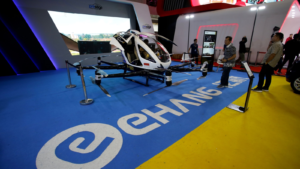
- EHang Performance Decline: EHang's stock fell to a three-year low of $6.50 after its Q1 net loss widened to RMB 126.4 million ($18.3 million), with only four EH216 eVTOL aircraft delivered compared to 11 last year, indicating significant challenges in delivery growth for the company.
- AEVEX Shareholder Sell-off: AEVEX shares hit a record low of $21.33 as major shareholder Madison Dearborn Partners sold 2.27 million shares worth about $59.1 million, leading to diminished market confidence, while the founder also reduced his stake, raising concerns about dilution.
- Li Auto Delivery Weakness: Li Auto's stock dropped to a three-year low of $13.96, with May deliveries of 33,350 vehicles down 2% from April and 18% year-on-year, as aggressive discounting in the Chinese automotive sector squeezed profitability, leading to bearish investor sentiment.
- Market Sentiment Shift: Despite EHang's retail sentiment improving to 'extremely bullish' on Stocktwits, overall market confidence in EHang, AEVEX, and Li Auto remains low, reflecting skepticism about the profitability and execution capabilities of companies tied to advanced aviation, drones, and electric vehicles.
See More
Li Auto Shares Enter Oversold Territory

- Oversold Signal: Li Auto (LI) shares hit an RSI of 29.96 during Tuesday's trading, indicating an oversold condition with a low of $13.96 per share, suggesting that recent selling pressure may be waning and providing potential buying opportunities for investors.
- Market Comparison: Compared to the current RSI of 46.3 for the S&P 500 ETF (SPY), LI's oversold status may attract bullish investors looking for entry points to capitalize on a potential rebound.
- Price Fluctuation: Over the past 52 weeks, LI's stock has seen a low of $13.96 and a high of $32.025, with the latest trade at $14.11, indicating that the stock is hovering near its low, potentially drawing interest from value investors.
- Investor Sentiment: While the current oversold signal may suggest short-term rebound opportunities, investors should remain cautious and consider the overall market environment and the company's fundamentals to avoid potential risks.
See More
Tesla's China EV Sales Surge by Nearly 40%

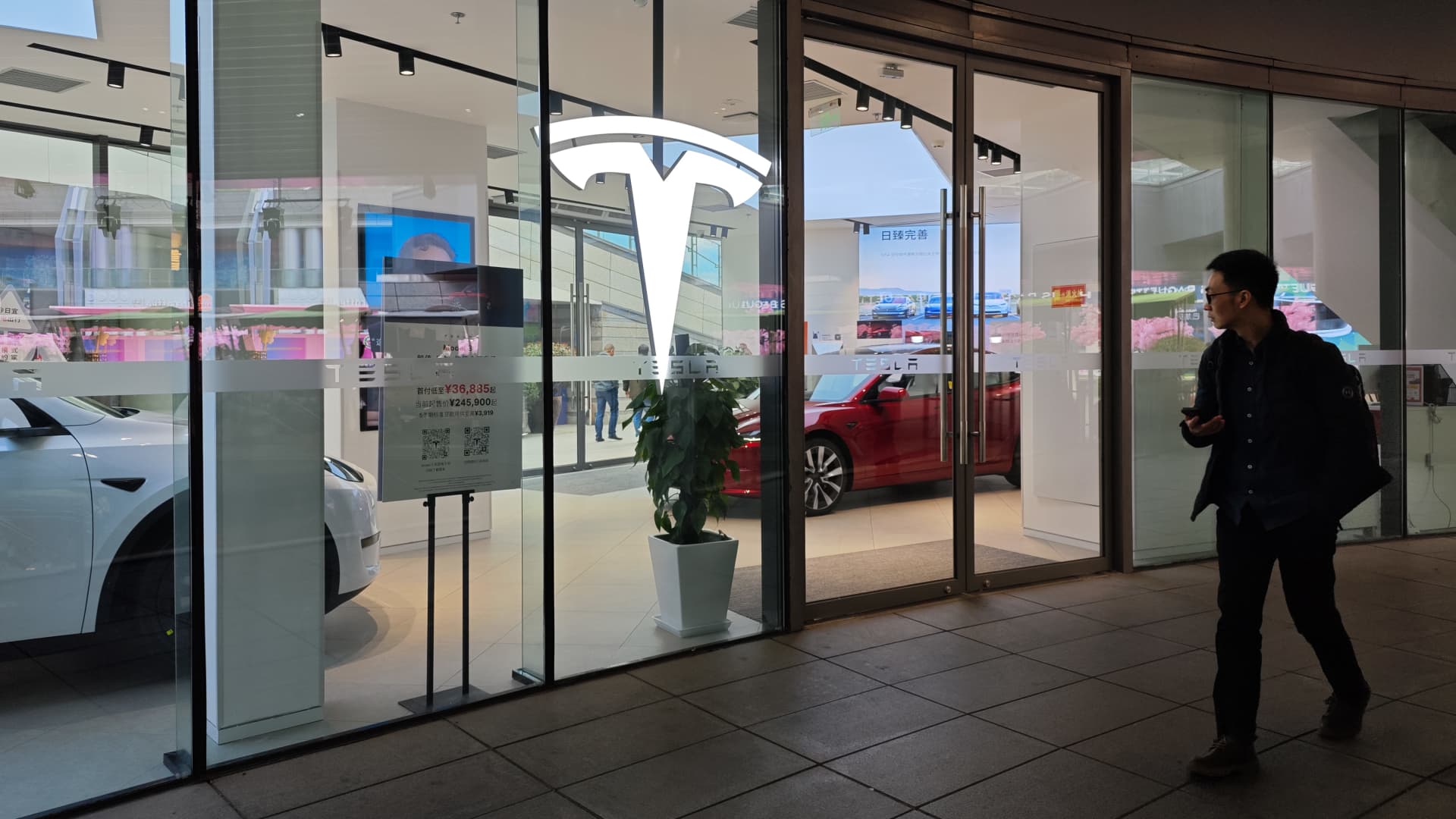
- Significant Sales Growth: Tesla delivered 85,982 China-made new energy vehicles in May, marking a 39.4% year-on-year increase, indicating a strong recovery momentum in the Chinese market that is likely to enhance its market share further.
- Market Recovery Signs: According to the China Passenger Car Association, total EV sales in China reached 1.36 million units in May, a 12% year-on-year growth, reflecting an initial recovery in the domestic EV market, with Tesla's growth mirroring this trend.
- Competitor Performance: BYD achieved 376,990 deliveries in May, ending an eight-month streak of declining sales, highlighting intensifying market competition that necessitates Tesla's continuous innovation to maintain its leading position.
- FSD Technology Progress: Tesla announced the rollout of its FSD (Supervised) system in China in May, despite facing legal challenges, this technological advancement could attract more consumers and enhance the brand's image and competitive edge in the market.
See More
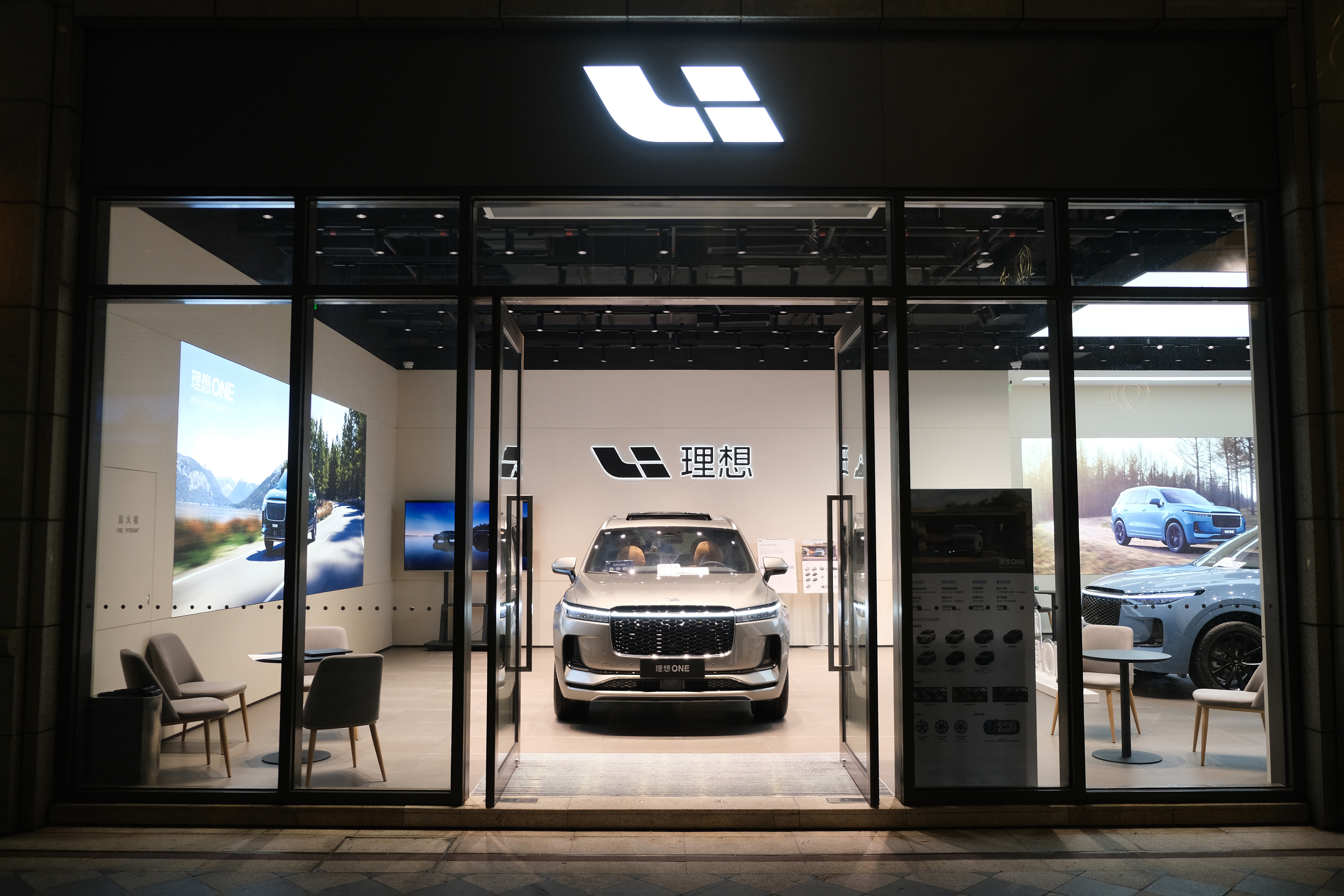
Li Auto Reports 18.4% Drop in May Deliveries
- Delivery Decline: Li Auto delivered 33,350 vehicles in May 2026, representing an 18.4% year-over-year decline from 40,856 vehicles, and slightly below April's 34,085 deliveries, indicating a weakening market demand.
- Cumulative Delivery Figures: As of May 31, 2026, Li Auto's cumulative deliveries reached 1,702,792 vehicles; however, since March, monthly deliveries of the Li i6 have consistently exceeded 20,000 units, suggesting that this model retains market appeal despite overall declines.
- New Model Launch: In May, Li Auto launched the all-new Li L9 and commenced deliveries, initiating a fresh product update cycle for the Li L series, and within just two weeks, it received over 10,000 orders, highlighting the new model's market potential.
- Market Outlook: Li Auto expects Q2 2026 deliveries to range between 95,000 and 100,000 vehicles, targeting over 20% market share in the RMB 500,000+ NEV SUV segment, reflecting the company's confidence in future growth prospects.
See More
Li Auto Delivers Over 33,000 Vehicles in May 2026
- Delivery Growth: In May 2026, Li Auto delivered 33,350 vehicles, bringing its cumulative deliveries to 1,702,792, demonstrating strong performance in China's new energy vehicle market and solidifying its leadership position.
- New Model Launch: The company launched the all-new Li L9 in May, receiving over 10,000 orders within two weeks, marking the beginning of a fresh product update cycle for the Li L series, which is expected to drive future sales growth.
- Technology Event Planned: Li Auto is set to host a dedicated technology event in June to showcase its capabilities in in-cabin interaction, assisted driving, and in-house chips, aiming to enhance brand image and attract more consumer interest.
- Charging Infrastructure Expansion: As of May 31, Li Auto operated 4,088 supercharging stations with 22,563 charging stalls in China, significantly improving charging convenience for users and enhancing the brand's competitive edge in the market.
See More
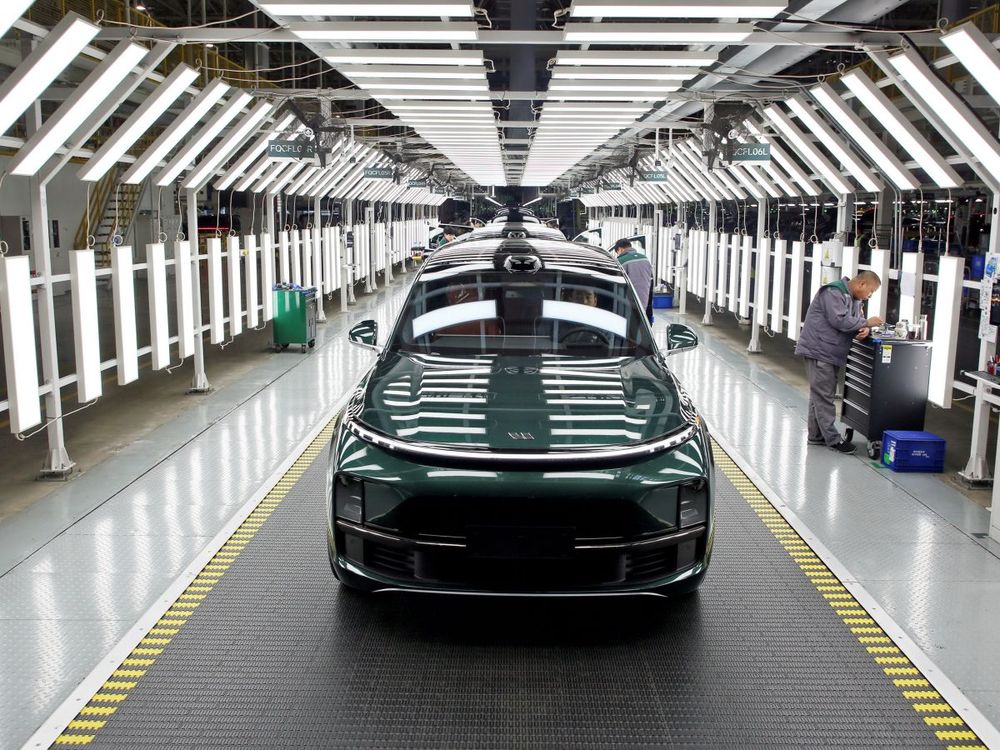
Boston Scientific Shares Hit 52-Week Low Amid Weak Growth Outlook

- Boston Scientific Stock Decline: Boston Scientific shares fell to a 52-week low of $48.13, experiencing a 16% weekly drop due to weak expectations for its Watchman heart device business, with management indicating that U.S. revenue may remain weak for the next two quarters, prompting analysts to lower price targets.
- Li Auto's Profitability Pressure: Li Auto reported weaker profits in its Q1 earnings, forecasting Q2 deliveries between 95,000 and 100,000 vehicles, reflecting soft demand and intense competition in China's EV market, leading Barclays to cut its price target from $18 to $14, implying nearly a 7% downside.
- Rollins Valuation Reset: Rollins reached a new low of $46.85 despite solid operating performance, as investors focused on valuation concerns, with Bernstein downgrading the stock and lowering its price target from $70 to $52, citing the potential negative impact of CFO Ken Krause's departure on profitability.
- Market Sentiment Shift: The stocks of Boston Scientific and Rollins have declined over 49% and 20% respectively this year, while Li Auto has shed over 11%, indicating a shift in investor confidence away from premium-priced growth stocks, with market sentiment changing from 'extremely bullish' to 'bullish'.
See More
EHang, AEVEX, and Li Auto Shares Hit Three-Year Lows
- EHang Performance Decline: EHang's stock fell to a three-year low of $6.50 after its Q1 net loss widened to RMB 126.4 million ($18.3 million), with only four EH216 eVTOL aircraft delivered compared to 11 last year, indicating significant challenges in delivery growth for the company.
- AEVEX Shareholder Sell-off: AEVEX shares hit a record low of $21.33 as major shareholder Madison Dearborn Partners sold 2.27 million shares worth about $59.1 million, leading to diminished market confidence, while the founder also reduced his stake, raising concerns about dilution.
- Li Auto Delivery Weakness: Li Auto's stock dropped to a three-year low of $13.96, with May deliveries of 33,350 vehicles down 2% from April and 18% year-on-year, as aggressive discounting in the Chinese automotive sector squeezed profitability, leading to bearish investor sentiment.
- Market Sentiment Shift: Despite EHang's retail sentiment improving to 'extremely bullish' on Stocktwits, overall market confidence in EHang, AEVEX, and Li Auto remains low, reflecting skepticism about the profitability and execution capabilities of companies tied to advanced aviation, drones, and electric vehicles.
See More
Li Auto Shares Enter Oversold Territory
- Oversold Signal: Li Auto (LI) shares hit an RSI of 29.96 during Tuesday's trading, indicating an oversold condition with a low of $13.96 per share, suggesting that recent selling pressure may be waning and providing potential buying opportunities for investors.
- Market Comparison: Compared to the current RSI of 46.3 for the S&P 500 ETF (SPY), LI's oversold status may attract bullish investors looking for entry points to capitalize on a potential rebound.
- Price Fluctuation: Over the past 52 weeks, LI's stock has seen a low of $13.96 and a high of $32.025, with the latest trade at $14.11, indicating that the stock is hovering near its low, potentially drawing interest from value investors.
- Investor Sentiment: While the current oversold signal may suggest short-term rebound opportunities, investors should remain cautious and consider the overall market environment and the company's fundamentals to avoid potential risks.
See More
Tesla's China EV Sales Surge by Nearly 40%
- Significant Sales Growth: Tesla delivered 85,982 China-made new energy vehicles in May, marking a 39.4% year-on-year increase, indicating a strong recovery momentum in the Chinese market that is likely to enhance its market share further.
- Market Recovery Signs: According to the China Passenger Car Association, total EV sales in China reached 1.36 million units in May, a 12% year-on-year growth, reflecting an initial recovery in the domestic EV market, with Tesla's growth mirroring this trend.
- Competitor Performance: BYD achieved 376,990 deliveries in May, ending an eight-month streak of declining sales, highlighting intensifying market competition that necessitates Tesla's continuous innovation to maintain its leading position.
- FSD Technology Progress: Tesla announced the rollout of its FSD (Supervised) system in China in May, despite facing legal challenges, this technological advancement could attract more consumers and enhance the brand's image and competitive edge in the market.
See More
Li Auto Reports 18.4% Drop in May Deliveries
- Delivery Decline: Li Auto delivered 33,350 vehicles in May 2026, representing an 18.4% year-over-year decline from 40,856 vehicles, and slightly below April's 34,085 deliveries, indicating a weakening market demand.
- Cumulative Delivery Figures: As of May 31, 2026, Li Auto's cumulative deliveries reached 1,702,792 vehicles; however, since March, monthly deliveries of the Li i6 have consistently exceeded 20,000 units, suggesting that this model retains market appeal despite overall declines.
- New Model Launch: In May, Li Auto launched the all-new Li L9 and commenced deliveries, initiating a fresh product update cycle for the Li L series, and within just two weeks, it received over 10,000 orders, highlighting the new model's market potential.
- Market Outlook: Li Auto expects Q2 2026 deliveries to range between 95,000 and 100,000 vehicles, targeting over 20% market share in the RMB 500,000+ NEV SUV segment, reflecting the company's confidence in future growth prospects.
See More
Li Auto Delivers Over 33,000 Vehicles in May 2026
- Delivery Growth: In May 2026, Li Auto delivered 33,350 vehicles, bringing its cumulative deliveries to 1,702,792, demonstrating strong performance in China's new energy vehicle market and solidifying its leadership position.
- New Model Launch: The company launched the all-new Li L9 in May, receiving over 10,000 orders within two weeks, marking the beginning of a fresh product update cycle for the Li L series, which is expected to drive future sales growth.
- Technology Event Planned: Li Auto is set to host a dedicated technology event in June to showcase its capabilities in in-cabin interaction, assisted driving, and in-house chips, aiming to enhance brand image and attract more consumer interest.
- Charging Infrastructure Expansion: As of May 31, Li Auto operated 4,088 supercharging stations with 22,563 charging stalls in China, significantly improving charging convenience for users and enhancing the brand's competitive edge in the market.
See More
Boston Scientific Shares Hit 52-Week Low Amid Weak Growth Outlook
- Boston Scientific Stock Decline: Boston Scientific shares fell to a 52-week low of $48.13, experiencing a 16% weekly drop due to weak expectations for its Watchman heart device business, with management indicating that U.S. revenue may remain weak for the next two quarters, prompting analysts to lower price targets.
- Li Auto's Profitability Pressure: Li Auto reported weaker profits in its Q1 earnings, forecasting Q2 deliveries between 95,000 and 100,000 vehicles, reflecting soft demand and intense competition in China's EV market, leading Barclays to cut its price target from $18 to $14, implying nearly a 7% downside.
- Rollins Valuation Reset: Rollins reached a new low of $46.85 despite solid operating performance, as investors focused on valuation concerns, with Bernstein downgrading the stock and lowering its price target from $70 to $52, citing the potential negative impact of CFO Ken Krause's departure on profitability.
- Market Sentiment Shift: The stocks of Boston Scientific and Rollins have declined over 49% and 20% respectively this year, while Li Auto has shed over 11%, indicating a shift in investor confidence away from premium-priced growth stocks, with market sentiment changing from 'extremely bullish' to 'bullish'.
See More