Kraft Heinz Faces Significant Challenges Ahead
Written by Emily J. Thompson, Senior Investment Analyst
Updated: 1 hour ago
0mins
Should l Buy KHC?
Source: Fool
- Post-Merger Struggles: Kraft Heinz, following its $46 billion merger with Berkshire Hathaway and 3G Capital, has struggled as cost-cutting measures in marketing and product development have led to brand stagnation, resulting in ongoing sales declines.
- Declining Sales: In 2025, Kraft Heinz reported revenue of $24.9 billion, a 3.5% year-over-year decrease, marking the third consecutive year of declining sales, with an EPS loss of $4.93, down 318%, indicating a weakening competitive position in the market.
- Dividend Appeal: Despite a 26% drop in stock price over the past year, the company's dividend yield has risen to 7.28%, with a cash dividend payout ratio just above 51%, suggesting that for investors believing in a turnaround, the dividend remains attractive.
- Berkshire's Potential Sell-Off: Kraft Heinz disclosed in a prospectus that Berkshire Hathaway may sell its 325 million shares, which could exert downward pressure on the stock price and signal a lack of confidence from a major long-term shareholder.
Trade with 70% Backtested Accuracy
Stop guessing "Should I Buy KHC?" and start using high-conviction signals backed by rigorous historical data.
Sign up today to access powerful investing tools and make smarter, data-driven decisions.
Analyst Views on KHC
Wall Street analysts forecast KHC stock price to rise
15 Analyst Rating
0 Buy
14 Hold
1 Sell
Hold
Current: 21.970

Low
24.00
Averages
25.86
High
28.00
Current: 21.970
Low
24.00
Averages
25.86
High
28.00
About KHC
The Kraft Heinz Company manufactures and markets food and beverage products around the world through its eight consumer-driven product platforms: Taste Elevation, Easy Ready Meals, Substantial Snacking, Desserts, Hydration, Cheese, Coffee, Meats, and other grocery products. The Company has two reportable segments defined by geographic region: North America and International Developed Markets. Its other segments, consisting of West and East Emerging Markets (WEEM) and Asia Emerging Markets (AEM), are combined and disclosed as Emerging Markets. It manufactures its products from a wide variety of raw materials. Its brands include Kraft, Oscar Mayer, Heinz, Philadelphia, Lunchables, Velveeta, Ore-Ida, Capri Sun, Maxwell Apartment, Kool-Aid, Jell-O, Heinz, Golden Circle, Wattie's, Plasmon, Heinz, ABC, Master, Quero, Kraft, and Pudliszki, among others. The Company's products are sold through its own sales organizations and through independent brokers, agents, and distributors.
About the author

Emily J. Thompson
Emily J. Thompson, a Chartered Financial Analyst (CFA) with 12 years in investment research, graduated with honors from the Wharton School. Specializing in industrial and technology stocks, she provides in-depth analysis for Intellectia’s earnings and market brief reports.

Kraft Heinz Faces Sales Decline and Halted Split Plans
- Sales Decline: Kraft Heinz has experienced a continuous sales decline over the past three years, with 2025 revenue reported at $24.9 billion, down 3.5%, indicating a significant loss of market share that necessitates effective measures to reverse this trend.
- Split Plans Halted: New CEO Steve Cahillane announced in February the suspension of plans to split the company into two parts, opting instead to reinvest $600 million into marketing and product development, reflecting the company's commitment to stabilizing its brands and enhancing competitiveness.
- Attractive Dividend Yield: Despite a stock price drop of over 26% in the past year, the current dividend yield stands at 7.28%, with a cash dividend payout ratio just above 51%, suggesting that the dividend remains well-covered and may attract income-seeking investors.
- Berkshire Sell-off Risk: Kraft Heinz's prospectus filed with the SEC indicates that Berkshire Hathaway may sell its 325 million shares, which could exert downward pressure on the stock price and signal a lack of confidence from a major long-term shareholder regarding the company's future prospects.
See More

Kraft Heinz Faces Significant Challenges Ahead
- Post-Merger Struggles: Kraft Heinz, following its $46 billion merger with Berkshire Hathaway and 3G Capital, has struggled as cost-cutting measures in marketing and product development have led to brand stagnation, resulting in ongoing sales declines.
- Declining Sales: In 2025, Kraft Heinz reported revenue of $24.9 billion, a 3.5% year-over-year decrease, marking the third consecutive year of declining sales, with an EPS loss of $4.93, down 318%, indicating a weakening competitive position in the market.
- Dividend Appeal: Despite a 26% drop in stock price over the past year, the company's dividend yield has risen to 7.28%, with a cash dividend payout ratio just above 51%, suggesting that for investors believing in a turnaround, the dividend remains attractive.
- Berkshire's Potential Sell-Off: Kraft Heinz disclosed in a prospectus that Berkshire Hathaway may sell its 325 million shares, which could exert downward pressure on the stock price and signal a lack of confidence from a major long-term shareholder.
See More
Kraft Heinz's Transformation and Investment Opportunity
- Investment Opportunity Analysis: Berkshire Hathaway currently holds approximately 27.5% of Kraft Heinz, and despite being viewed as a misstep, the stock is considered 'ridiculously cheap,' presenting a good entry point for new investors.
- Company Split Plans: Kraft Heinz announced plans to split into two companies by 2026, but has paused this due to declining sales and market share, now focusing on a $600 million R&D and marketing investment aimed at revitalizing its brands and stabilizing volumes.
- Impact of Management Changes: Under new CEO Steve Cahillane, the company is redirecting its focus towards brand revitalization; although the split plan is on hold, this simplifies investor decision-making by concentrating on the recovery potential of a single entity.
- Market Reaction and Risks: While the market remains pessimistic about Kraft Heinz's future, the company is actively reshaping itself; however, risks such as execution missteps, changing consumer trends, and potential stake reduction by Berkshire must be monitored.
See More
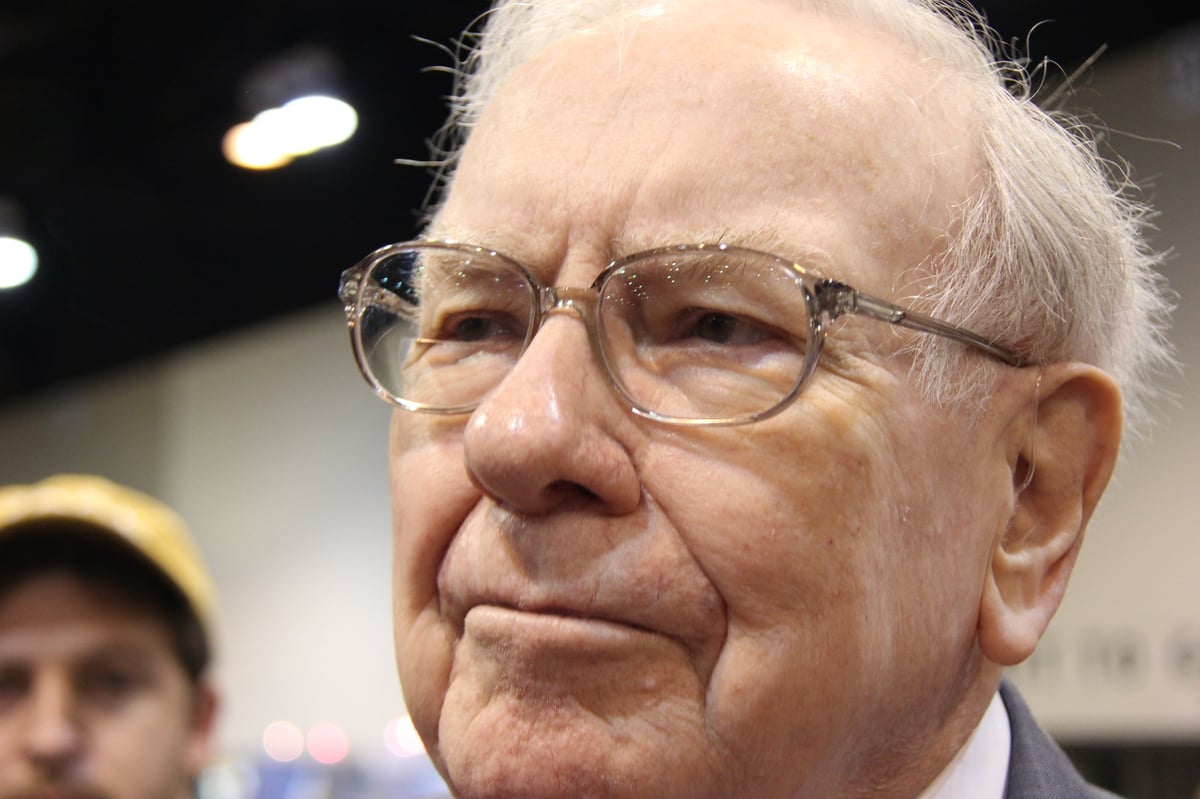
Buffett Admits Mistake in Kraft Heinz Investment
- Mistake Acknowledgment: Buffett admitted in 2019 that Berkshire Hathaway overpaid for Kraft Heinz, resulting in a prolonged decline in stock price, highlighting his reflective approach to investment decisions.
- Sale Plan Paused: Although Berkshire planned to sell its stake in Kraft Heinz in January 2026, the sale was halted after the company announced a $600 million investment in a turnaround effort, indicating short-term confidence in the company's future.
- Declining Revenue Trend: Kraft Heinz's revenue fell from $26.6 billion in 2023 to $24.9 billion in 2025, reflecting significant pressure from changing consumer preferences and the
See More
Buffett Retires, Abel Takes Over as CEO of Berkshire Hathaway


- Leadership Transition: Warren Buffett retired on December 31, 2025, with Greg Abel stepping in to manage Berkshire Hathaway's $320 billion investment portfolio, marking a significant new era for the company.
- Investment Concentration: Abel's portfolio is heavily weighted, with 10 core holdings accounting for nearly 79% of assets, including Apple at $60 billion, highlighting the company's focus on high-quality assets and long-term growth potential.
- Sustainable Competitive Advantages: Among the 20 billion-dollar investments Abel oversees, many companies like Visa and Sirius XM operate as legal monopolies, ensuring stable revenue streams and risk resilience, reflecting Berkshire's investment strategy.
- Smaller Holdings Adjustment: Abel also manages 18 relatively smaller investments, with significant reductions like the 77% cut in Amazon's stake, indicating a focus on optimizing the portfolio and potentially paving the way for future trading opportunities.
See More

Warren Buffett Retires, Greg Abel Takes Over as CEO of Berkshire Hathaway
- Leadership Transition: Warren Buffett retired as CEO on December 31, 2025, with Greg Abel taking over the management of a $320 billion investment portfolio, marking a new era for Berkshire Hathaway, although Buffett remains as chairman of the board.
- Investment Philosophy Continuity: Abel shares a similar investment philosophy with Buffett, emphasizing value investing and sustainable competitive advantages, particularly by allocating a significant portion of the company's capital to their best ideas.
- Core Holdings Concentration: The ten core positions account for nearly 79% of Berkshire's invested assets, all of which pay dividends and engage in share repurchases, demonstrating strong capital return capabilities, with Abel's management style reflected in these choices.
- Smaller Investment Dynamics: Abel oversees 18 smaller holdings ranging from $5 million to approximately $692 million, many of which are being reduced or removed from the portfolio, indicating a dynamic adjustment strategy in response to market conditions.
See More
Kraft Heinz Faces Sales Decline and Halted Split Plans
- Sales Decline: Kraft Heinz has experienced a continuous sales decline over the past three years, with 2025 revenue reported at $24.9 billion, down 3.5%, indicating a significant loss of market share that necessitates effective measures to reverse this trend.
- Split Plans Halted: New CEO Steve Cahillane announced in February the suspension of plans to split the company into two parts, opting instead to reinvest $600 million into marketing and product development, reflecting the company's commitment to stabilizing its brands and enhancing competitiveness.
- Attractive Dividend Yield: Despite a stock price drop of over 26% in the past year, the current dividend yield stands at 7.28%, with a cash dividend payout ratio just above 51%, suggesting that the dividend remains well-covered and may attract income-seeking investors.
- Berkshire Sell-off Risk: Kraft Heinz's prospectus filed with the SEC indicates that Berkshire Hathaway may sell its 325 million shares, which could exert downward pressure on the stock price and signal a lack of confidence from a major long-term shareholder regarding the company's future prospects.
See More
Kraft Heinz Faces Significant Challenges Ahead
- Post-Merger Struggles: Kraft Heinz, following its $46 billion merger with Berkshire Hathaway and 3G Capital, has struggled as cost-cutting measures in marketing and product development have led to brand stagnation, resulting in ongoing sales declines.
- Declining Sales: In 2025, Kraft Heinz reported revenue of $24.9 billion, a 3.5% year-over-year decrease, marking the third consecutive year of declining sales, with an EPS loss of $4.93, down 318%, indicating a weakening competitive position in the market.
- Dividend Appeal: Despite a 26% drop in stock price over the past year, the company's dividend yield has risen to 7.28%, with a cash dividend payout ratio just above 51%, suggesting that for investors believing in a turnaround, the dividend remains attractive.
- Berkshire's Potential Sell-Off: Kraft Heinz disclosed in a prospectus that Berkshire Hathaway may sell its 325 million shares, which could exert downward pressure on the stock price and signal a lack of confidence from a major long-term shareholder.
See More
Kraft Heinz's Transformation and Investment Opportunity
- Investment Opportunity Analysis: Berkshire Hathaway currently holds approximately 27.5% of Kraft Heinz, and despite being viewed as a misstep, the stock is considered 'ridiculously cheap,' presenting a good entry point for new investors.
- Company Split Plans: Kraft Heinz announced plans to split into two companies by 2026, but has paused this due to declining sales and market share, now focusing on a $600 million R&D and marketing investment aimed at revitalizing its brands and stabilizing volumes.
- Impact of Management Changes: Under new CEO Steve Cahillane, the company is redirecting its focus towards brand revitalization; although the split plan is on hold, this simplifies investor decision-making by concentrating on the recovery potential of a single entity.
- Market Reaction and Risks: While the market remains pessimistic about Kraft Heinz's future, the company is actively reshaping itself; however, risks such as execution missteps, changing consumer trends, and potential stake reduction by Berkshire must be monitored.
See More
Buffett Admits Mistake in Kraft Heinz Investment
- Mistake Acknowledgment: Buffett admitted in 2019 that Berkshire Hathaway overpaid for Kraft Heinz, resulting in a prolonged decline in stock price, highlighting his reflective approach to investment decisions.
- Sale Plan Paused: Although Berkshire planned to sell its stake in Kraft Heinz in January 2026, the sale was halted after the company announced a $600 million investment in a turnaround effort, indicating short-term confidence in the company's future.
- Declining Revenue Trend: Kraft Heinz's revenue fell from $26.6 billion in 2023 to $24.9 billion in 2025, reflecting significant pressure from changing consumer preferences and the
See More
Buffett Retires, Abel Takes Over as CEO of Berkshire Hathaway
- Leadership Transition: Warren Buffett retired on December 31, 2025, with Greg Abel stepping in to manage Berkshire Hathaway's $320 billion investment portfolio, marking a significant new era for the company.
- Investment Concentration: Abel's portfolio is heavily weighted, with 10 core holdings accounting for nearly 79% of assets, including Apple at $60 billion, highlighting the company's focus on high-quality assets and long-term growth potential.
- Sustainable Competitive Advantages: Among the 20 billion-dollar investments Abel oversees, many companies like Visa and Sirius XM operate as legal monopolies, ensuring stable revenue streams and risk resilience, reflecting Berkshire's investment strategy.
- Smaller Holdings Adjustment: Abel also manages 18 relatively smaller investments, with significant reductions like the 77% cut in Amazon's stake, indicating a focus on optimizing the portfolio and potentially paving the way for future trading opportunities.
See More
Warren Buffett Retires, Greg Abel Takes Over as CEO of Berkshire Hathaway
- Leadership Transition: Warren Buffett retired as CEO on December 31, 2025, with Greg Abel taking over the management of a $320 billion investment portfolio, marking a new era for Berkshire Hathaway, although Buffett remains as chairman of the board.
- Investment Philosophy Continuity: Abel shares a similar investment philosophy with Buffett, emphasizing value investing and sustainable competitive advantages, particularly by allocating a significant portion of the company's capital to their best ideas.
- Core Holdings Concentration: The ten core positions account for nearly 79% of Berkshire's invested assets, all of which pay dividends and engage in share repurchases, demonstrating strong capital return capabilities, with Abel's management style reflected in these choices.
- Smaller Investment Dynamics: Abel oversees 18 smaller holdings ranging from $5 million to approximately $692 million, many of which are being reduced or removed from the portfolio, indicating a dynamic adjustment strategy in response to market conditions.
See More