Kraft Heinz Faces Major Challenges and Transformation
Written by Emily J. Thompson, Senior Investment Analyst
Updated: Mar 07 2026
0mins
Source: Fool
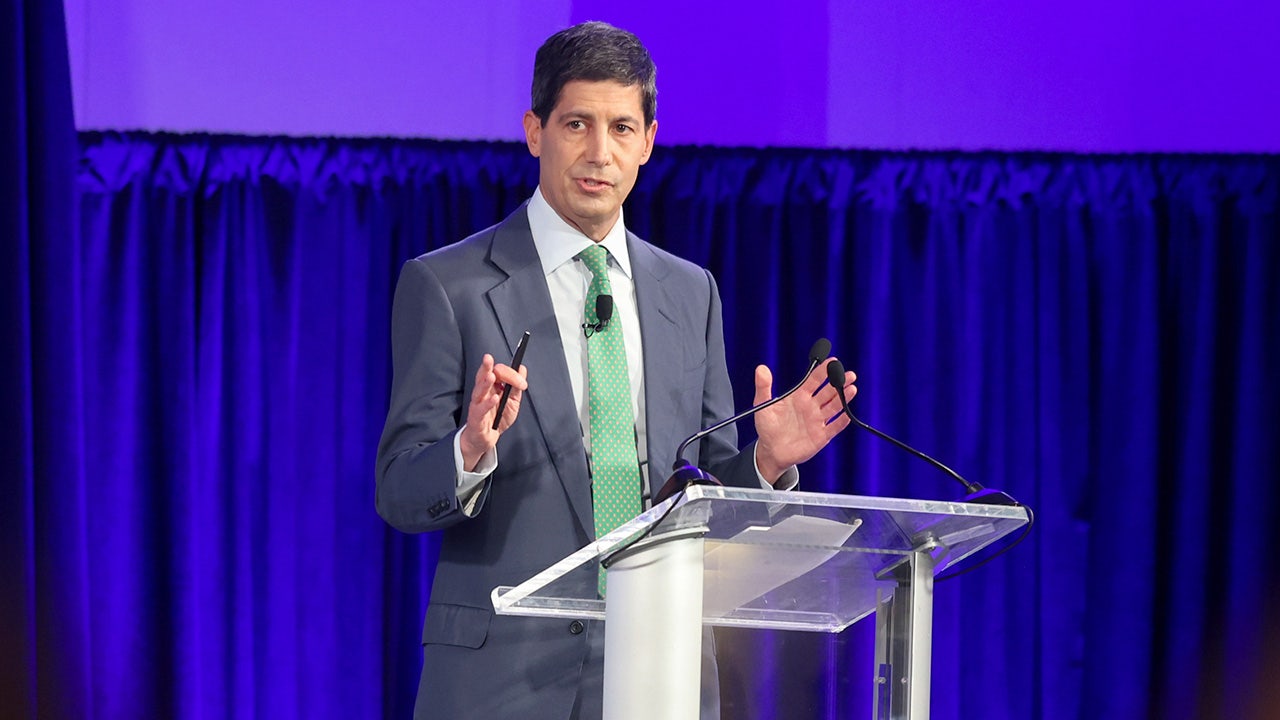
- Poor Investment Returns: Since the merger in 2015, Kraft Heinz's stock has plummeted nearly 67%, with Berkshire Hathaway retaining a 27.5% stake, indicating a lack of confidence from investors that could lead to further shareholder attrition.
- Strategic Restructuring Plan: Kraft Heinz announced plans to split into two companies focusing on growth brands and more established brands, although this plan faced opposition from Berkshire, reflecting the company's struggles to adapt to market competition and shifting consumer preferences.
- New CEO's Challenges: New CEO Steve Cahillane's announcement to pause the split plan and commit $600 million to enhance marketing, sales, and R&D has raised skepticism among analysts, who believe the company lacks the capability to operate independently.
- Shareholder Value Creation Dilemma: Despite Kraft Heinz's dividend yield of 6.62% and free cash flow yield of 12.75% attracting passive income seekers, the company's failure to create shareholder value over the past decade still positions it as a value trap, with significant risks to future performance.
Trade with 70% Backtested Accuracy
Stop guessing "Should I Buy TD?" and start using high-conviction signals backed by rigorous historical data.
Sign up today to access powerful investing tools and make smarter, data-driven decisions.
Analyst Views on TD
Wall Street analysts forecast TD stock price to fall
11 Analyst Rating
6 Buy
4 Hold
1 Sell
Moderate Buy
Current: 105.350

Low
84.94
Averages
92.14
High
96.46
Current: 105.350
Low
84.94
Averages
92.14
High
96.46
About TD
The Toronto-Dominion Bank (the Bank) operates as a bank in North America. The Bank, along with subsidiaries, operates across four main business segments: Canadian Personal and Commercial Banking, the United States (U.S.) Retail, Wealth Management and Insurance, and Wholesale Banking. The Canadian Personal and Commercial Banking, which includes TD Canada Trust and TD Auto Finance Canada. The U.S. Retail segment includes TD Bank, a Convenient Bank, TD Auto Finance U.S., and TD Wealth (U.S.). The Wealth Management and Insurance segment includes TD Wealth (Canada), TD Direct Investing, and TD Insurance. The Wholesale Banking segment includes TD Securities and TD Cowen. The Bank offers a wide range of products and services, including banking accounts, financing, investment solutions, cash management (information, consolidation and reporting, payables, and receivables), U.S. banking services, global services, business credit life insurance, wealth advisory services and others.
About the author

Emily J. Thompson
Emily J. Thompson, a Chartered Financial Analyst (CFA) with 12 years in investment research, graduated with honors from the Wharton School. Specializing in industrial and technology stocks, she provides in-depth analysis for Intellectia’s earnings and market brief reports.
Canada's Financial Institutions Discuss AI Cybersecurity Risks

- Meeting Context: Major players in Canada's financial sector, including six major banks and regulatory agencies, convened on Friday to discuss cybersecurity risks associated with Anthropic PBC's latest AI model, highlighting significant concerns over potential threats posed by emerging technologies.
- Participating Institutions: The meeting was organized by the Canadian Financial Sector Resiliency Group, comprising the federal Finance department, six major banks, and various financial firms, reflecting a unified focus on AI technology's implications for financial stability.
- International Parallels: This meeting parallels actions taken by U.S. Treasury Secretary and Federal Reserve Chair, who invited Wall Street leaders to discuss similar AI models, indicating a growing international regulatory concern regarding the cyberattack risks posed by AI advancements.
- Market Reaction: Despite the discussions surrounding cybersecurity, the stocks of Canada's major banks remained relatively unchanged during Friday's trading, suggesting that the market is beginning to digest these emerging risks without immediate panic.
See More

TD Bank Dividend Outlook and Performance Analysis
- Dividend Yield Analysis: TD Bank's current annualized dividend yield stands at 4.52%, and while dividends are not always predictable, historical data suggests this yield may remain stable, reflecting investor confidence in its dividend sustainability.
- Stock Performance Overview: TD Bank's 52-week price range is between $55 and $99.84, with the current trading price at $95.91, indicating that its stock price is nearing its high point, suggesting optimistic market expectations for future performance.
- ETF Holdings Insight: TD Bank comprises 3.63% of the Themes Global Systemically Important Banks ETF, which is down approximately 0.6% on the day, indicating a cautious market sentiment towards such assets that may impact TD's stock performance.
- Preferred Stock Structure: There are 12 series of preferred stock senior to TD's common shares, and investors should monitor the performance of these preferred shares to assess overall investment risk and potential returns.
See More

TD Bank Group CFO to Present at RBC Conference
- Conference Details: Kelvin Tran, CFO of TD Bank Group, will present at the 2026 RBC Capital Markets Global Financial Institutions Conference on March 11, 2026, at 2:40 p.m., highlighting the bank's strategic direction and financial health.
- Live Webcast: The presentation will be available via a live audio webcast on TD's Investor Relations section, ensuring global investors can access real-time information, thereby enhancing transparency and boosting investor confidence.
- Asset Scale: As of January 31, 2026, TD Bank Group reported total assets of $2.1 trillion, solidifying its position as the sixth largest bank in North America, reflecting its strong market competitiveness and robust financial foundation.
- Client Base: Serving 28.1 million clients across personal and commercial banking, wealth management, and insurance, TD Bank Group demonstrates a diversified business model and extensive market reach, positioning itself for sustained growth.
See More

Berkshire's Heinz Investment Faces Significant Challenges
- Poor Investment Returns: Since 2015, Berkshire's investment in Heinz has plummeted nearly 67%, and despite holding a 27.5% stake, new CEO Greg Abel acknowledged that returns have fallen well short of expectations, indicating ongoing investment struggles.
- Strategic Adjustments Stalled: Heinz's plan to split into two companies to enhance shareholder value has been paused by new CEO Steve Cahillane, who believes the company's issues are fixable; however, analysts express skepticism about this approach, especially after a $600 million investment announcement aimed at boosting marketing and R&D.
- Weak Financial Performance: Facing significant debt and declining financial performance amid increasing competition and shifting consumer preferences towards healthier options, Heinz has seen Berkshire write down nearly $7 billion of its investment on two occasions, highlighting the company's financial distress.
- Unrealized Shareholder Value: While Heinz boasts a dividend yield of 6.62% and a free cash flow yield of 12.75%, attracting passive income seekers, the company's failure to create shareholder value over the past decade positions it as a value trap, with potential for further stock price declines.
See More

Kraft Heinz Faces Major Challenges and Transformation
- Poor Investment Returns: Since the merger in 2015, Kraft Heinz's stock has plummeted nearly 67%, with Berkshire Hathaway retaining a 27.5% stake, indicating a lack of confidence from investors that could lead to further shareholder attrition.
- Strategic Restructuring Plan: Kraft Heinz announced plans to split into two companies focusing on growth brands and more established brands, although this plan faced opposition from Berkshire, reflecting the company's struggles to adapt to market competition and shifting consumer preferences.
- New CEO's Challenges: New CEO Steve Cahillane's announcement to pause the split plan and commit $600 million to enhance marketing, sales, and R&D has raised skepticism among analysts, who believe the company lacks the capability to operate independently.
- Shareholder Value Creation Dilemma: Despite Kraft Heinz's dividend yield of 6.62% and free cash flow yield of 12.75% attracting passive income seekers, the company's failure to create shareholder value over the past decade still positions it as a value trap, with significant risks to future performance.
See More
Guardian Capital Acquires Boyd Group Shares Worth $71.4 Million


- New Investment Position: Guardian Capital LP initiated a new position in Boyd Group Services (NYSE:BGSI) by acquiring 448,067 shares valued at $71.4 million by year-end, demonstrating confidence in the company's future prospects.
- Asset Management Proportion: As of December 31, Boyd Group's shares accounted for 2.1% of Guardian Capital's $3.3 billion in assets under management, indicating a significant concentration among its 241 investments.
- Market Performance Comparison: Despite Boyd Group's stock returning only 2% over the past year, significantly lagging behind the S&P 500's 18.4% return, this highlights the pressure on its stock performance.
- Upcoming Earnings Report: Boyd Group is set to report its fourth-quarter results on March 18, prompting investors to closely monitor its financial performance to assess future investment potential.
See More
Canada's Financial Institutions Discuss AI Cybersecurity Risks
- Meeting Context: Major players in Canada's financial sector, including six major banks and regulatory agencies, convened on Friday to discuss cybersecurity risks associated with Anthropic PBC's latest AI model, highlighting significant concerns over potential threats posed by emerging technologies.
- Participating Institutions: The meeting was organized by the Canadian Financial Sector Resiliency Group, comprising the federal Finance department, six major banks, and various financial firms, reflecting a unified focus on AI technology's implications for financial stability.
- International Parallels: This meeting parallels actions taken by U.S. Treasury Secretary and Federal Reserve Chair, who invited Wall Street leaders to discuss similar AI models, indicating a growing international regulatory concern regarding the cyberattack risks posed by AI advancements.
- Market Reaction: Despite the discussions surrounding cybersecurity, the stocks of Canada's major banks remained relatively unchanged during Friday's trading, suggesting that the market is beginning to digest these emerging risks without immediate panic.
See More
TD Bank Dividend Outlook and Performance Analysis
- Dividend Yield Analysis: TD Bank's current annualized dividend yield stands at 4.52%, and while dividends are not always predictable, historical data suggests this yield may remain stable, reflecting investor confidence in its dividend sustainability.
- Stock Performance Overview: TD Bank's 52-week price range is between $55 and $99.84, with the current trading price at $95.91, indicating that its stock price is nearing its high point, suggesting optimistic market expectations for future performance.
- ETF Holdings Insight: TD Bank comprises 3.63% of the Themes Global Systemically Important Banks ETF, which is down approximately 0.6% on the day, indicating a cautious market sentiment towards such assets that may impact TD's stock performance.
- Preferred Stock Structure: There are 12 series of preferred stock senior to TD's common shares, and investors should monitor the performance of these preferred shares to assess overall investment risk and potential returns.
See More
TD Bank Group CFO to Present at RBC Conference
- Conference Details: Kelvin Tran, CFO of TD Bank Group, will present at the 2026 RBC Capital Markets Global Financial Institutions Conference on March 11, 2026, at 2:40 p.m., highlighting the bank's strategic direction and financial health.
- Live Webcast: The presentation will be available via a live audio webcast on TD's Investor Relations section, ensuring global investors can access real-time information, thereby enhancing transparency and boosting investor confidence.
- Asset Scale: As of January 31, 2026, TD Bank Group reported total assets of $2.1 trillion, solidifying its position as the sixth largest bank in North America, reflecting its strong market competitiveness and robust financial foundation.
- Client Base: Serving 28.1 million clients across personal and commercial banking, wealth management, and insurance, TD Bank Group demonstrates a diversified business model and extensive market reach, positioning itself for sustained growth.
See More
Berkshire's Heinz Investment Faces Significant Challenges
- Poor Investment Returns: Since 2015, Berkshire's investment in Heinz has plummeted nearly 67%, and despite holding a 27.5% stake, new CEO Greg Abel acknowledged that returns have fallen well short of expectations, indicating ongoing investment struggles.
- Strategic Adjustments Stalled: Heinz's plan to split into two companies to enhance shareholder value has been paused by new CEO Steve Cahillane, who believes the company's issues are fixable; however, analysts express skepticism about this approach, especially after a $600 million investment announcement aimed at boosting marketing and R&D.
- Weak Financial Performance: Facing significant debt and declining financial performance amid increasing competition and shifting consumer preferences towards healthier options, Heinz has seen Berkshire write down nearly $7 billion of its investment on two occasions, highlighting the company's financial distress.
- Unrealized Shareholder Value: While Heinz boasts a dividend yield of 6.62% and a free cash flow yield of 12.75%, attracting passive income seekers, the company's failure to create shareholder value over the past decade positions it as a value trap, with potential for further stock price declines.
See More
Kraft Heinz Faces Major Challenges and Transformation
- Poor Investment Returns: Since the merger in 2015, Kraft Heinz's stock has plummeted nearly 67%, with Berkshire Hathaway retaining a 27.5% stake, indicating a lack of confidence from investors that could lead to further shareholder attrition.
- Strategic Restructuring Plan: Kraft Heinz announced plans to split into two companies focusing on growth brands and more established brands, although this plan faced opposition from Berkshire, reflecting the company's struggles to adapt to market competition and shifting consumer preferences.
- New CEO's Challenges: New CEO Steve Cahillane's announcement to pause the split plan and commit $600 million to enhance marketing, sales, and R&D has raised skepticism among analysts, who believe the company lacks the capability to operate independently.
- Shareholder Value Creation Dilemma: Despite Kraft Heinz's dividend yield of 6.62% and free cash flow yield of 12.75% attracting passive income seekers, the company's failure to create shareholder value over the past decade still positions it as a value trap, with significant risks to future performance.
See More
Guardian Capital Acquires Boyd Group Shares Worth $71.4 Million
- New Investment Position: Guardian Capital LP initiated a new position in Boyd Group Services (NYSE:BGSI) by acquiring 448,067 shares valued at $71.4 million by year-end, demonstrating confidence in the company's future prospects.
- Asset Management Proportion: As of December 31, Boyd Group's shares accounted for 2.1% of Guardian Capital's $3.3 billion in assets under management, indicating a significant concentration among its 241 investments.
- Market Performance Comparison: Despite Boyd Group's stock returning only 2% over the past year, significantly lagging behind the S&P 500's 18.4% return, this highlights the pressure on its stock performance.
- Upcoming Earnings Report: Boyd Group is set to report its fourth-quarter results on March 18, prompting investors to closely monitor its financial performance to assess future investment potential.
See More