Kraft Heinz books $9 billion charge because of its stock’s ‘sustained decline’
Written by Emily J. Thompson, Senior Investment Analyst
Updated: Jul 30 2025
0mins

Source: MarketWatch
Stock Performance: Kraft Heinz Co.'s stock increased despite a significant $9.3 billion noncash impairment charge due to a decline in share price and market capitalization.
Future Considerations: The company is still contemplating a potential breakup or sale, indicating strategic options are being evaluated amidst financial challenges.
Trade with 70% Backtested Accuracy
Stop guessing "Should I Buy KHC?" and start using high-conviction signals backed by rigorous historical data.
Sign up today to access powerful investing tools and make smarter, data-driven decisions.
Analyst Views on KHC
Wall Street analysts forecast KHC stock price to rise
15 Analyst Rating
0 Buy
14 Hold
1 Sell
Hold
Current: 22.340

Low
24.00
Averages
25.86
High
28.00
Current: 22.340
Low
24.00
Averages
25.86
High
28.00
About KHC
The Kraft Heinz Company manufactures and markets food and beverage products around the world through its eight consumer-driven product platforms: Taste Elevation, Easy Ready Meals, Substantial Snacking, Desserts, Hydration, Cheese, Coffee, Meats, and other grocery products. The Company has two reportable segments defined by geographic region: North America and International Developed Markets. Its other segments, consisting of West and East Emerging Markets (WEEM) and Asia Emerging Markets (AEM), are combined and disclosed as Emerging Markets. It manufactures its products from a wide variety of raw materials. Its brands include Kraft, Oscar Mayer, Heinz, Philadelphia, Lunchables, Velveeta, Ore-Ida, Capri Sun, Maxwell Apartment, Kool-Aid, Jell-O, Heinz, Golden Circle, Wattie’s, Plasmon, Heinz, ABC, Master, Quero, Kraft, and Pudliszki, among others. The Company’s products are sold through its own sales organizations and through independent brokers, agents, and distributors.
About the author

Emily J. Thompson
Emily J. Thompson, a Chartered Financial Analyst (CFA) with 12 years in investment research, graduated with honors from the Wharton School. Specializing in industrial and technology stocks, she provides in-depth analysis for Intellectia’s earnings and market brief reports.
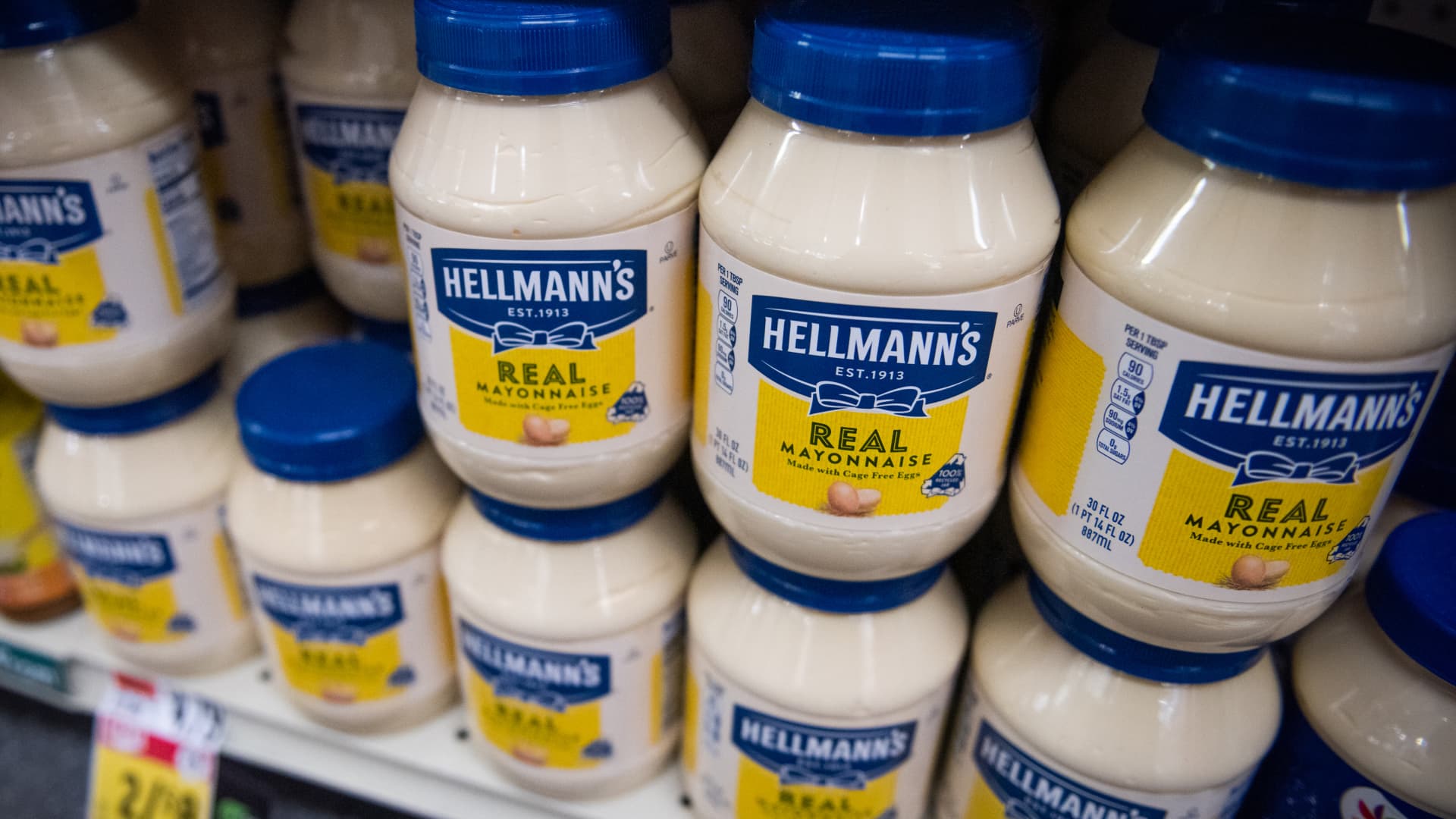
McCormick Acquires Unilever's Food Business for $45 Billion
- Massive Deal Size: McCormick is acquiring Unilever's food business for a total value of nearly $45 billion, with $15.7 billion paid in cash, which is expected to significantly boost McCormick's annual sales and further expand its market share in the condiments and spreads sector.
- Equity Structure Change: After the deal closes, Unilever shareholders will own 55.1% of the combined company while Unilever retains a 9.9% stake, a structure that will influence future governance and strategic decisions of the merged entity.
- Strategic Focus Shift: By divesting its food business, Unilever can concentrate more on its personal care segment, which is growing faster, reflecting the company's keen insight into future market trends and consumer preferences.
- Response to Industry Trends: This acquisition aligns with the broader trend in the Big Food sector, where many packaged food and beverage companies are streamlining operations through divestitures and spinoffs to address declining consumer demand, with nearly half of 2024's M&A activity in the consumer products industry expected to come from divestitures.
See More

KRAFT HEINZ: JEFFERIES LOWERS TARGET PRICE FROM $23 TO $20
- Price Reduction Announcement: Kraft Heinz has announced a cut in the target price for its stock from $23 to $20.
- Market Impact: This adjustment reflects changes in market conditions and may influence investor sentiment regarding the company's future performance.
See More
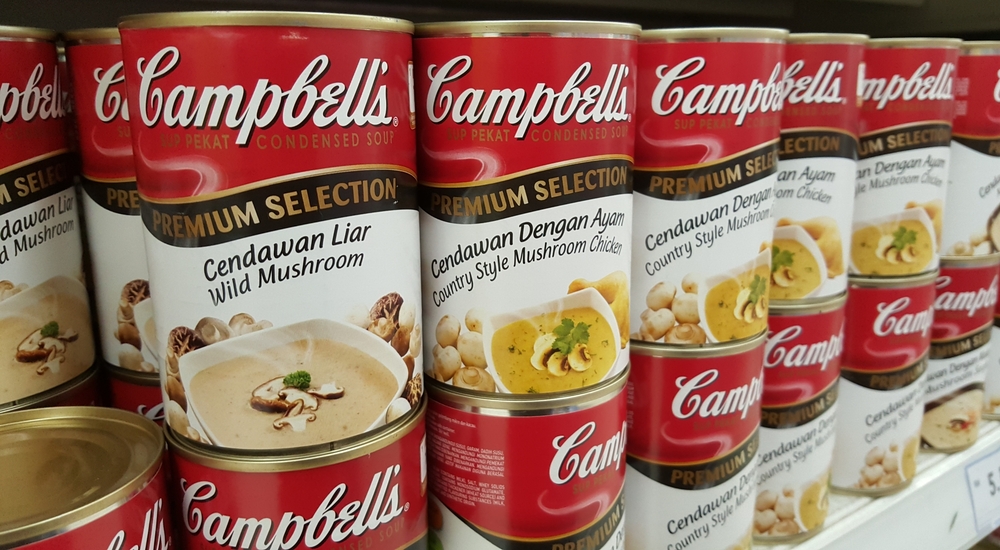
Analyzing Investment Prospects for Campbell's Company Stock
- Stock Price and Valuation: As of March 24, Campbell's shares were trading at $20.91, with a trailing P/E of 11.46 and a forward P/E of 9.01, indicating a discounted valuation despite a 5.8% dividend yield and a payout ratio below 80%.
- Brand Portfolio Strength: The company boasts a robust brand portfolio, including staple soups and well-known snack brands like Pepperidge Farm and Goldfish, and while consumer preferences are shifting towards healthier options, the demand for convenient meals and snacks remains strong, supporting the resilience of its core categories.
- Sales Growth Trend: Campbell's has achieved approximately 21% cumulative sales growth since 2021, and despite recent margin pressures, its stable cash flow and brand equity provide a foundation for future growth, suggesting that the market's pessimism regarding its long-term prospects may be overstated.
- Industry Performance Comparison: Within the packaged food sector, Campbell's has underperformed, with its stock price depreciating by about 44.90% since our last coverage due to weak snack demand and inflationary pressures, yet its compressed valuation amidst sector-wide pessimism may still present an attractive opportunity for investors.
See More
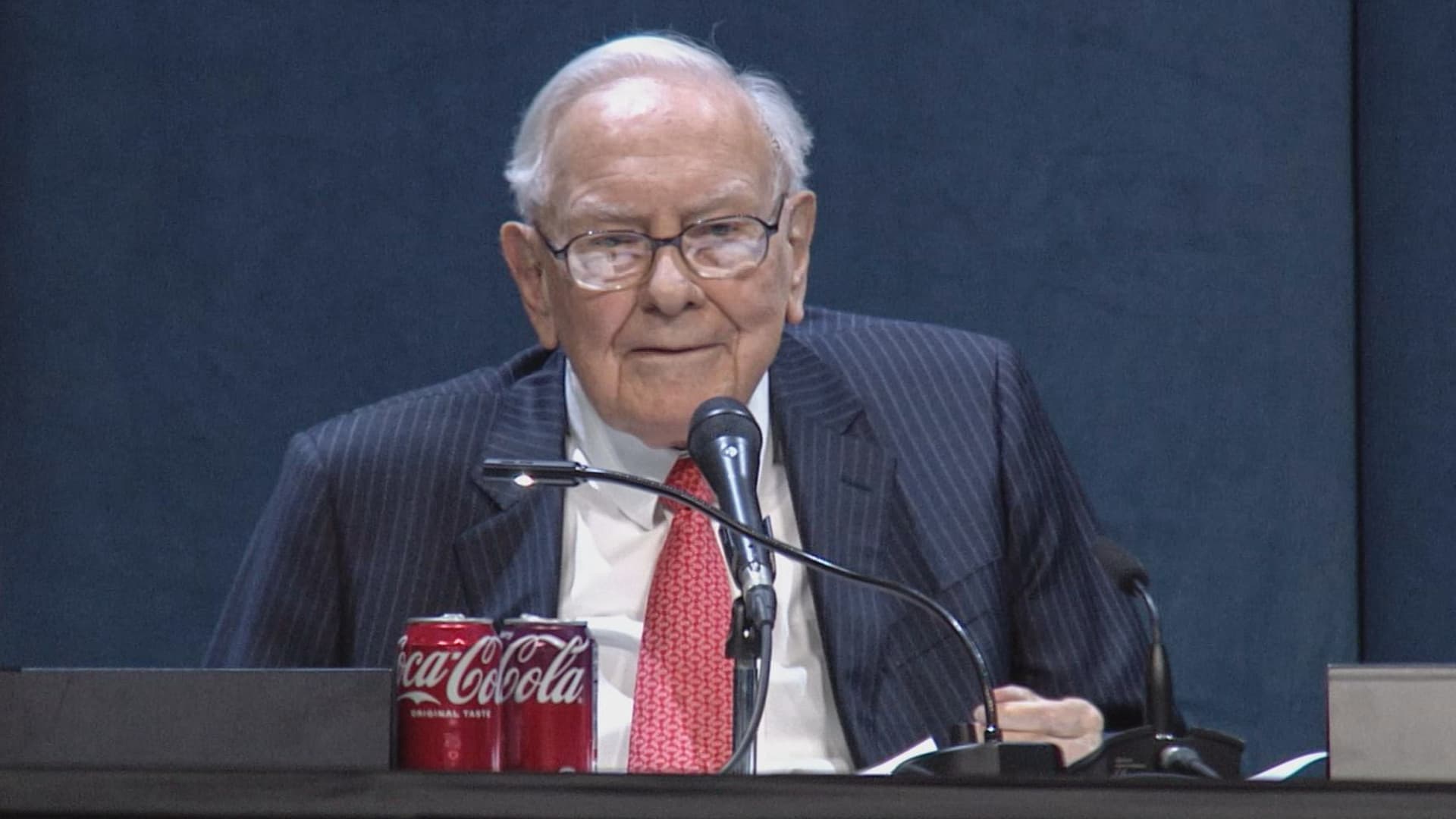
Berkshire Shares Face Longest Losing Streak in Over 7 Years
- Stock Price Decline: Berkshire Hathaway shares have experienced an eight-day losing streak, the longest since December 2018, with Class A shares down 4.7% and Class B shares down 4.9%, reflecting market concerns over rising energy prices and global uncertainties.
- Market Underperformance: During the same period, the S&P 500 index has dropped 5.2%, indicating overall market weakness, with Berkshire's year-to-date losses nearing 7%, aligning with the declining investor confidence.
- Strong Returns from Japanese Investment: Berkshire's latest investment in Japan has shown robust performance, with Tokio Marine Holdings' shares soaring over 24% following the announcement of an $1.8 billion stake, bringing its market value close to $2.3 billion, highlighting the company's potential for international expansion.
- Strategic Partnership Outlook: Tokio Marine emphasized that the collaboration with Berkshire is not merely a business alliance but a long-term strategic relationship, expected to create compelling long-term growth opportunities for both companies, further solidifying Berkshire's leadership in the insurance sector.
See More
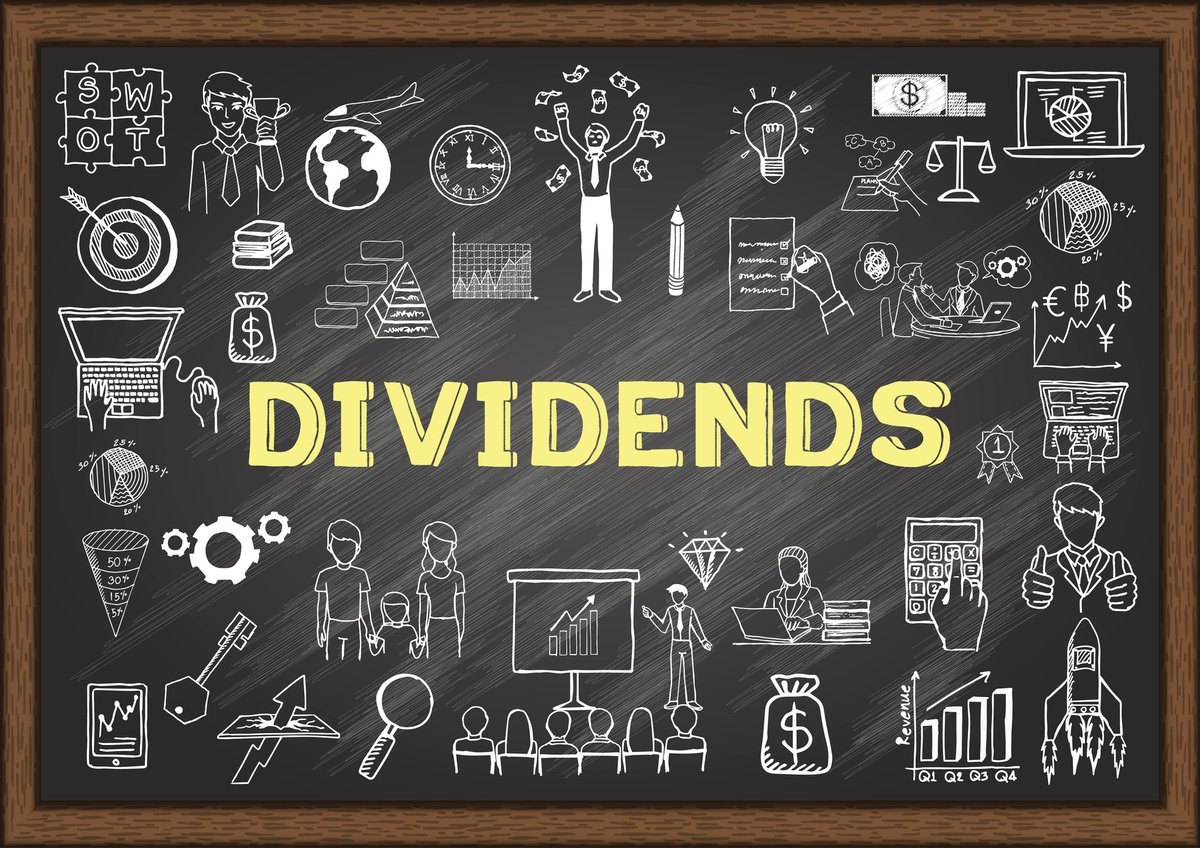
Analysis of High-Yield Stock Investment Strategies
- Dividend Yield Comparison: Among the Nasdaq-100, Kraft Heinz, Paychex, and Comcast offer dividend yields of 7%, 4.6%, and 4.38% respectively, attracting income-seeking investors, especially amid market volatility.
- Kraft Heinz Turnaround Plan: Kraft Heinz aims to enhance shareholder value by spinning off its faster-growing condiment business, and despite pausing this plan under pressure from Berkshire Hathaway, its 7% dividend yield remains attractive, reflecting confidence in future growth.
- Paychex's AI Integration: Although Paychex's shares have fallen over 35% in the past year, the company is guiding for double-digit earnings growth this fiscal year, partly due to AI integration and a recently approved $1 billion share repurchase program, which could boost EPS growth.
- Comcast's Diversification Strategy: Comcast's diversified media portfolio provides a competitive edge, and while its stock has experienced volatility, potential value unlocking through business spin-offs could attract more investors, especially with its 4.6% dividend yield offering stable returns.
See More

Analysis of High-Yield Stock Investment Strategies
- Kraft Heinz Turnaround Plan: Under pressure from major shareholder Berkshire Hathaway, Kraft Heinz has paused its plan to spin off its faster-growing condiment and shelf-stable meals business, shifting focus to a turnaround strategy that emphasizes cost-cutting to finance marketing and R&D investments in core brands, while its 7% dividend yield remains attractive to investors despite challenges.
- Paychex's Optimistic Outlook: Despite a more than 35% drop in share price over the past year, Paychex is still guiding for double-digit earnings growth this fiscal year, driven by AI integration into its platforms and a recently approved $1 billion share repurchase program, which could push its P/E ratio back to historical levels of 20 to 25 times earnings.
- Comcast's Value Unlocking: Comcast has initiated a value unlocking process by spinning off its cable networks business into an independent company, Versant Media Group, and while both stocks have experienced volatility, further spin-offs could enhance shareholder value, with a current dividend yield of 4.6%.
- Investment Strategy for High-Yield Stocks: Investors should focus on larger, established companies when selecting high-yield stocks to avoid complex investment vehicles like closed-end funds and master limited partnerships, which, while potentially profitable long-term, may not suit buy-and-hold investors focused on capital growth.
See More
McCormick Acquires Unilever's Food Business for $45 Billion
- Massive Deal Size: McCormick is acquiring Unilever's food business for a total value of nearly $45 billion, with $15.7 billion paid in cash, which is expected to significantly boost McCormick's annual sales and further expand its market share in the condiments and spreads sector.
- Equity Structure Change: After the deal closes, Unilever shareholders will own 55.1% of the combined company while Unilever retains a 9.9% stake, a structure that will influence future governance and strategic decisions of the merged entity.
- Strategic Focus Shift: By divesting its food business, Unilever can concentrate more on its personal care segment, which is growing faster, reflecting the company's keen insight into future market trends and consumer preferences.
- Response to Industry Trends: This acquisition aligns with the broader trend in the Big Food sector, where many packaged food and beverage companies are streamlining operations through divestitures and spinoffs to address declining consumer demand, with nearly half of 2024's M&A activity in the consumer products industry expected to come from divestitures.
See More
KRAFT HEINZ: JEFFERIES LOWERS TARGET PRICE FROM $23 TO $20
- Price Reduction Announcement: Kraft Heinz has announced a cut in the target price for its stock from $23 to $20.
- Market Impact: This adjustment reflects changes in market conditions and may influence investor sentiment regarding the company's future performance.
See More
Analyzing Investment Prospects for Campbell's Company Stock
- Stock Price and Valuation: As of March 24, Campbell's shares were trading at $20.91, with a trailing P/E of 11.46 and a forward P/E of 9.01, indicating a discounted valuation despite a 5.8% dividend yield and a payout ratio below 80%.
- Brand Portfolio Strength: The company boasts a robust brand portfolio, including staple soups and well-known snack brands like Pepperidge Farm and Goldfish, and while consumer preferences are shifting towards healthier options, the demand for convenient meals and snacks remains strong, supporting the resilience of its core categories.
- Sales Growth Trend: Campbell's has achieved approximately 21% cumulative sales growth since 2021, and despite recent margin pressures, its stable cash flow and brand equity provide a foundation for future growth, suggesting that the market's pessimism regarding its long-term prospects may be overstated.
- Industry Performance Comparison: Within the packaged food sector, Campbell's has underperformed, with its stock price depreciating by about 44.90% since our last coverage due to weak snack demand and inflationary pressures, yet its compressed valuation amidst sector-wide pessimism may still present an attractive opportunity for investors.
See More
Berkshire Shares Face Longest Losing Streak in Over 7 Years
- Stock Price Decline: Berkshire Hathaway shares have experienced an eight-day losing streak, the longest since December 2018, with Class A shares down 4.7% and Class B shares down 4.9%, reflecting market concerns over rising energy prices and global uncertainties.
- Market Underperformance: During the same period, the S&P 500 index has dropped 5.2%, indicating overall market weakness, with Berkshire's year-to-date losses nearing 7%, aligning with the declining investor confidence.
- Strong Returns from Japanese Investment: Berkshire's latest investment in Japan has shown robust performance, with Tokio Marine Holdings' shares soaring over 24% following the announcement of an $1.8 billion stake, bringing its market value close to $2.3 billion, highlighting the company's potential for international expansion.
- Strategic Partnership Outlook: Tokio Marine emphasized that the collaboration with Berkshire is not merely a business alliance but a long-term strategic relationship, expected to create compelling long-term growth opportunities for both companies, further solidifying Berkshire's leadership in the insurance sector.
See More
Analysis of High-Yield Stock Investment Strategies
- Dividend Yield Comparison: Among the Nasdaq-100, Kraft Heinz, Paychex, and Comcast offer dividend yields of 7%, 4.6%, and 4.38% respectively, attracting income-seeking investors, especially amid market volatility.
- Kraft Heinz Turnaround Plan: Kraft Heinz aims to enhance shareholder value by spinning off its faster-growing condiment business, and despite pausing this plan under pressure from Berkshire Hathaway, its 7% dividend yield remains attractive, reflecting confidence in future growth.
- Paychex's AI Integration: Although Paychex's shares have fallen over 35% in the past year, the company is guiding for double-digit earnings growth this fiscal year, partly due to AI integration and a recently approved $1 billion share repurchase program, which could boost EPS growth.
- Comcast's Diversification Strategy: Comcast's diversified media portfolio provides a competitive edge, and while its stock has experienced volatility, potential value unlocking through business spin-offs could attract more investors, especially with its 4.6% dividend yield offering stable returns.
See More
Analysis of High-Yield Stock Investment Strategies
- Kraft Heinz Turnaround Plan: Under pressure from major shareholder Berkshire Hathaway, Kraft Heinz has paused its plan to spin off its faster-growing condiment and shelf-stable meals business, shifting focus to a turnaround strategy that emphasizes cost-cutting to finance marketing and R&D investments in core brands, while its 7% dividend yield remains attractive to investors despite challenges.
- Paychex's Optimistic Outlook: Despite a more than 35% drop in share price over the past year, Paychex is still guiding for double-digit earnings growth this fiscal year, driven by AI integration into its platforms and a recently approved $1 billion share repurchase program, which could push its P/E ratio back to historical levels of 20 to 25 times earnings.
- Comcast's Value Unlocking: Comcast has initiated a value unlocking process by spinning off its cable networks business into an independent company, Versant Media Group, and while both stocks have experienced volatility, further spin-offs could enhance shareholder value, with a current dividend yield of 4.6%.
- Investment Strategy for High-Yield Stocks: Investors should focus on larger, established companies when selecting high-yield stocks to avoid complex investment vehicles like closed-end funds and master limited partnerships, which, while potentially profitable long-term, may not suit buy-and-hold investors focused on capital growth.
See More