Key Megatrends Remain Relevant: 3 Growth Stocks to Watch Over the Next Decade


Megatrends in Society: Megatrends are long-term shifts that significantly impact various aspects of society, with technology, particularly the internet and smartphones, being prime examples. Current megatrends include advancements in artificial intelligence, aging populations, and the demand for medical treatments.
Investment Opportunities: Companies like Eli Lilly, recognized for their leadership in GLP-1 drugs, and others in diabetes and obesity treatments are positioned to benefit from rising healthcare costs. These firms are seen as potential long-term investments for patient investors.
Clean Energy Demand: The clean energy megatrend is expected to drive significant investments in the coming decades, with companies like First Solar positioned to capitalize on the growing demand for renewable energy solutions, particularly in solar technology.
Stock Recommendations: Analysts have identified five stocks that are recommended for investment, emphasizing their potential for growth in the current market environment, despite recent volatility in the solar sector.
Trade with 70% Backtested Accuracy
Analyst Views on FSLR

About FSLR
About the author


T1 Energy Shares Surge 23.46% Following Hedge Fund Stake Disclosure

- Significant Stock Surge: T1 Energy's stock rose by 23.46% to $7.00, primarily driven by the disclosure of a new stake by hedge fund Situational Awareness LP, reflecting increased market confidence in the company's growth prospects.
- Volume Spike: The trading volume reached 83.1 million shares, which is 385% above the three-month average of 17.1 million shares, indicating a significant uptick in investor interest and potentially foreshadowing future investment momentum.
- Stable Production Guidance: T1 Energy maintained its 2026 production guidance of 3.1 GW to 4.2 GW, with management citing progress in qualifying international cell vendors as a key factor supporting the upper end of this range, demonstrating confidence in its expansion plans.
- Critical Financing Milestone: Management aims to secure approximately $225 million in debt financing for the G2_Austin project in Q2 2026 to support Phase 1 capital spending, with successful financing being crucial for the company's U.S. solar manufacturing strategy.
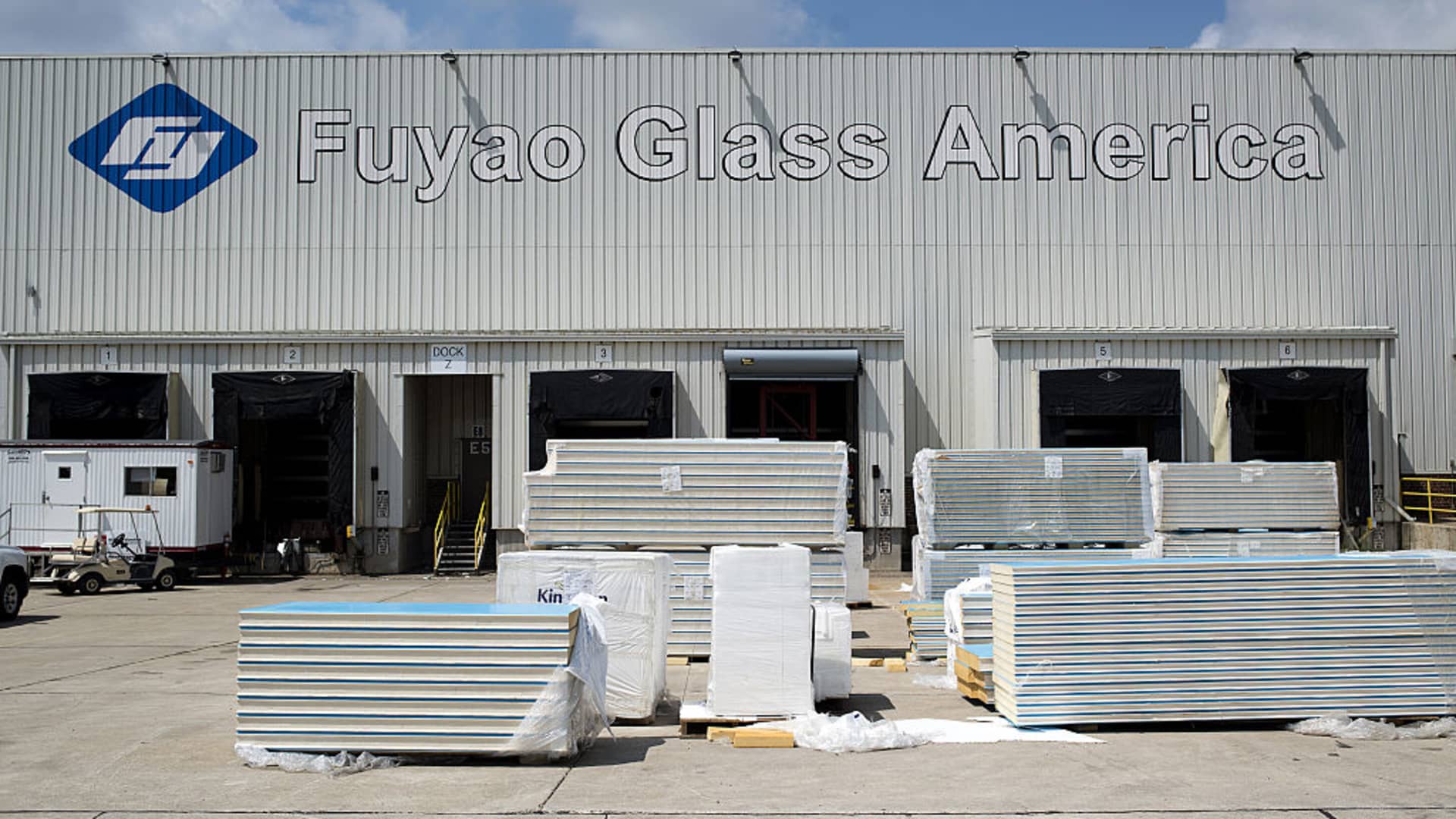
U.S. Glassmaker Warns of Risks from Chinese Competition

- Competitive Threat Emerges: Executives from Vitro Glass warned during a meeting with Congressman Khanna that without protective measures, Fuyao could dominate the U.S. market, leading to a near extinction of competition, which would severely impact the entire glass industry.
- Price Competition Pressure: Vitro stated that it cannot compete with Fuyao's pricing, highlighting that the maturity of the industry and associated costs make it difficult for other competitors to survive, potentially leading to further market share concentration and affecting the diversity of U.S. manufacturing.
- Legal Investigation Impact: Fuyao recently faced a raid by the DOJ and DHS over allegations of illegal staffing and money laundering, which could negatively affect its operations and reputation in the U.S., increasing uncertainty in the industry.
- Policy Risks Intensify: Congressman Khanna emphasized that allowing Chinese investment could lead to further hollowing out of U.S. manufacturing, urging a tougher stance in trade negotiations with China to protect domestic industries from predatory practices.
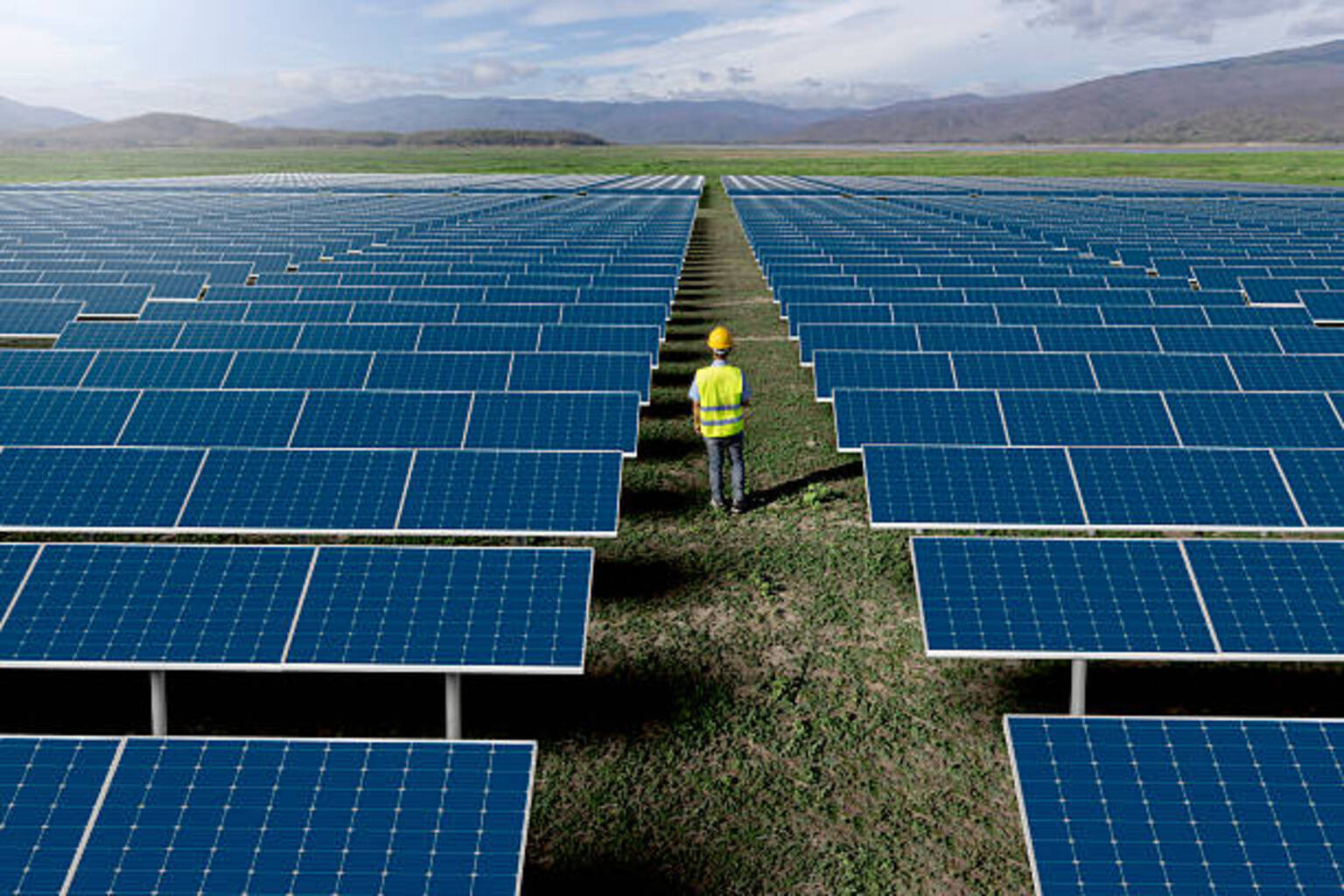
Global Energy Crisis Fuels Renewed Interest in Solar Investments

- Policy Impact Analysis: The termination of the Section 25D Residential Clean Energy Credit by the One Big Beautiful Bill Act puts significant pressure on the residential solar market, increasing investment risks for related companies, particularly in a policy-driven environment.
- Market Growth Outlook: According to Ember, solar energy generation surpassed coal in 2025, with solar installations expected to represent over 51% of new energy installations in 2026, indicating strong growth potential for the industry, especially in Texas.
- Technological Advancements: The solar industry benefits from technological improvements and economies of scale, with advancements in battery storage significantly enhancing energy flexibility, thus accelerating the deployment of “anytime solar” solutions.
- Investment Opportunities: First Solar and Eos Energy are highlighted as key U.S. pure plays, with First Solar having sold out its U.S. production capacity for the next three years, while Eos is scaling a new type of utility-scale battery technology, attracting investor interest.
First Solar Reports Strong Q1 2026 Performance
- Significant Sales Growth: First Solar reported Q1 2026 net sales of $1.04 billion, a 24% year-over-year increase, driven by record sales in India and higher module volumes sold to third parties, indicating strong global demand for its products.
- Substantial Net Income Increase: The company achieved a net income of $347 million, or $3.22 per diluted share, reflecting a 65% year-over-year growth, while adjusted EBITDA rose to $520 million, exceeding initial expectations and showcasing enhanced profitability.
- Strong Contracted Sales Backlog: As of March 31, First Solar maintained a substantial contracted sales backlog of 47.9 GW, indicating robust future sales potential and market demand, further solidifying its leadership position in the solar industry.
- Optimistic Outlook: The company projects full-year 2026 net sales between $4.9 billion and $5.2 billion, with adjusted EBITDA between $2.6 billion and $2.8 billion, reflecting confidence in future market conditions, particularly supported by stable U.S. policies and tax incentives.

US Solar Industry Faces Policy Uncertainty Amid China Ties

- Policy Uncertainty Impact: New policies from the Trump administration have led major banks and insurers to withdraw support from at least six U.S. solar factories linked to China, jeopardizing over a third of U.S. solar capacity, which complicates financing and stalls urgently needed solar projects.
- Manufacturing Growth Risks: Industry experts warn that restricting ties to China could undermine growth in U.S. manufacturing, particularly as electricity demand rises and utility costs soar, potentially leading to further increases in power prices.
- Compliance Challenges: While Chinese solar firms are attempting to comply with new regulations by selling off stakes in factories, most retain some form of profit-sharing or supply agreements, raising compliance issues that could affect eligibility for tax subsidies.
- Tightening Financing: Banks like Morgan Stanley, JPMorgan, and Goldman Sachs have scaled back tax-equity financing for certain solar projects due to concerns over future Treasury interpretations, while insurers are refusing coverage for companies at risk of losing clean energy tax credits, exacerbating industry uncertainty.
First Solar Upgraded to Buy with Price Target Raised to $260
- Upgrade Announcement: Freedom Broker analyst Dmitriy Pozdnyakov upgraded First Solar from Hold to Buy and raised the price target from $250 to $260, citing potential upside from Section 232 policy support and steady operational execution as key factors.
- Quarterly Performance: First Solar reported Q1 revenue of $1.04 billion, a 23.6% year-over-year increase, slightly below analyst expectations but in line with broader consensus, driven primarily by a 30.9% increase in module shipment volumes.
- Strong Backlog: The company ended the quarter with a backlog of 47.9 gigawatts, down from 50.1 gigawatts in the previous quarter, indicating that strong shipments have outpaced new bookings, reflecting sustained market demand.
- Improved Profitability: Operating income rose 56.1% year-over-year to $345.3 million, exceeding consensus estimates, while operating margin increased from 26.1% to 33.0%, demonstrating the company's success in cost control and margin enhancement.
T1 Energy Shares Surge 23.46% Following Hedge Fund Stake Disclosure
- Significant Stock Surge: T1 Energy's stock rose by 23.46% to $7.00, primarily driven by the disclosure of a new stake by hedge fund Situational Awareness LP, reflecting increased market confidence in the company's growth prospects.
- Volume Spike: The trading volume reached 83.1 million shares, which is 385% above the three-month average of 17.1 million shares, indicating a significant uptick in investor interest and potentially foreshadowing future investment momentum.
- Stable Production Guidance: T1 Energy maintained its 2026 production guidance of 3.1 GW to 4.2 GW, with management citing progress in qualifying international cell vendors as a key factor supporting the upper end of this range, demonstrating confidence in its expansion plans.
- Critical Financing Milestone: Management aims to secure approximately $225 million in debt financing for the G2_Austin project in Q2 2026 to support Phase 1 capital spending, with successful financing being crucial for the company's U.S. solar manufacturing strategy.
U.S. Glassmaker Warns of Risks from Chinese Competition
- Competitive Threat Emerges: Executives from Vitro Glass warned during a meeting with Congressman Khanna that without protective measures, Fuyao could dominate the U.S. market, leading to a near extinction of competition, which would severely impact the entire glass industry.
- Price Competition Pressure: Vitro stated that it cannot compete with Fuyao's pricing, highlighting that the maturity of the industry and associated costs make it difficult for other competitors to survive, potentially leading to further market share concentration and affecting the diversity of U.S. manufacturing.
- Legal Investigation Impact: Fuyao recently faced a raid by the DOJ and DHS over allegations of illegal staffing and money laundering, which could negatively affect its operations and reputation in the U.S., increasing uncertainty in the industry.
- Policy Risks Intensify: Congressman Khanna emphasized that allowing Chinese investment could lead to further hollowing out of U.S. manufacturing, urging a tougher stance in trade negotiations with China to protect domestic industries from predatory practices.
Global Energy Crisis Fuels Renewed Interest in Solar Investments
- Policy Impact Analysis: The termination of the Section 25D Residential Clean Energy Credit by the One Big Beautiful Bill Act puts significant pressure on the residential solar market, increasing investment risks for related companies, particularly in a policy-driven environment.
- Market Growth Outlook: According to Ember, solar energy generation surpassed coal in 2025, with solar installations expected to represent over 51% of new energy installations in 2026, indicating strong growth potential for the industry, especially in Texas.
- Technological Advancements: The solar industry benefits from technological improvements and economies of scale, with advancements in battery storage significantly enhancing energy flexibility, thus accelerating the deployment of “anytime solar” solutions.
- Investment Opportunities: First Solar and Eos Energy are highlighted as key U.S. pure plays, with First Solar having sold out its U.S. production capacity for the next three years, while Eos is scaling a new type of utility-scale battery technology, attracting investor interest.
First Solar Reports Strong Q1 2026 Performance
- Significant Sales Growth: First Solar reported Q1 2026 net sales of $1.04 billion, a 24% year-over-year increase, driven by record sales in India and higher module volumes sold to third parties, indicating strong global demand for its products.
- Substantial Net Income Increase: The company achieved a net income of $347 million, or $3.22 per diluted share, reflecting a 65% year-over-year growth, while adjusted EBITDA rose to $520 million, exceeding initial expectations and showcasing enhanced profitability.
- Strong Contracted Sales Backlog: As of March 31, First Solar maintained a substantial contracted sales backlog of 47.9 GW, indicating robust future sales potential and market demand, further solidifying its leadership position in the solar industry.
- Optimistic Outlook: The company projects full-year 2026 net sales between $4.9 billion and $5.2 billion, with adjusted EBITDA between $2.6 billion and $2.8 billion, reflecting confidence in future market conditions, particularly supported by stable U.S. policies and tax incentives.
US Solar Industry Faces Policy Uncertainty Amid China Ties
- Policy Uncertainty Impact: New policies from the Trump administration have led major banks and insurers to withdraw support from at least six U.S. solar factories linked to China, jeopardizing over a third of U.S. solar capacity, which complicates financing and stalls urgently needed solar projects.
- Manufacturing Growth Risks: Industry experts warn that restricting ties to China could undermine growth in U.S. manufacturing, particularly as electricity demand rises and utility costs soar, potentially leading to further increases in power prices.
- Compliance Challenges: While Chinese solar firms are attempting to comply with new regulations by selling off stakes in factories, most retain some form of profit-sharing or supply agreements, raising compliance issues that could affect eligibility for tax subsidies.
- Tightening Financing: Banks like Morgan Stanley, JPMorgan, and Goldman Sachs have scaled back tax-equity financing for certain solar projects due to concerns over future Treasury interpretations, while insurers are refusing coverage for companies at risk of losing clean energy tax credits, exacerbating industry uncertainty.
First Solar Upgraded to Buy with Price Target Raised to $260
- Upgrade Announcement: Freedom Broker analyst Dmitriy Pozdnyakov upgraded First Solar from Hold to Buy and raised the price target from $250 to $260, citing potential upside from Section 232 policy support and steady operational execution as key factors.
- Quarterly Performance: First Solar reported Q1 revenue of $1.04 billion, a 23.6% year-over-year increase, slightly below analyst expectations but in line with broader consensus, driven primarily by a 30.9% increase in module shipment volumes.
- Strong Backlog: The company ended the quarter with a backlog of 47.9 gigawatts, down from 50.1 gigawatts in the previous quarter, indicating that strong shipments have outpaced new bookings, reflecting sustained market demand.
- Improved Profitability: Operating income rose 56.1% year-over-year to $345.3 million, exceeding consensus estimates, while operating margin increased from 26.1% to 33.0%, demonstrating the company's success in cost control and margin enhancement.