Kansas Plans Strategic Bitcoin and Crypto Reserve Following Federal Examples
- Strategic Reserve Initiative: Kansas legislators introduced Senate Bill 352 on January 22, 2026, aiming to establish a Strategic Bitcoin and Crypto Reserve, marking a rise in state-level digital asset investment, although specific funding details remain undisclosed.
- Muted Market Response: Despite Kansas' initiative aligning with federal trends in digital asset accumulation, the immediate market reaction has been subdued, indicating cautious investor sentiment towards state reserves.
- Potential Policy Impact: This decision may influence financial markets within Kansas and set a precedent for other states exploring digital asset strategies, potentially driving broader discussions on state-level cryptocurrency policies.
- Historical Parallels: Kansas' plan parallels federal efforts initiated under former President Trump, who held over 198,000 BTC, providing a historical benchmark for state actions that could enhance cryptocurrency legitimacy and recognition of long-term holding strategies.
Trade with 70% Backtested Accuracy
Analyst Views on BTC
About the author

CRYPTO ASSETS INCREASE IN VALUE AS BITCOIN CLIMBS MORE THAN 4%

- Market Performance: Cryptocurrency stocks have seen a rise, with Bitcoin gaining over 4% recently.
- Investor Sentiment: The increase in Bitcoin's value reflects a positive shift in investor sentiment towards cryptocurrencies.

Paul Atkins Proposes SEC-CFTC 'Super App' Concept Following Reconciliation on Crypto Issues


Collaboration Between Agencies: The SEC and CFTC have signed a memorandum of understanding to enhance cooperation and clarify regulatory responsibilities in the cryptocurrency market, aiming to eliminate confusion and overlap in their jurisdictions.
Goals for Regulation: SEC Chair Paul Atkins and CFTC Chair Michael Selig expressed their desire to create a unified regulatory framework for cryptocurrency assets, likening it to a "super app" where both agencies can coordinate actions effectively.
Addressing Regulatory Uncertainty: The memorandum aims to resolve long-standing debates over whether cryptocurrencies should be classified as securities or commodities, which has led to regulatory uncertainty and limited participation from major financial institutions.
Future Coordination: The agencies plan to hold regular meetings to discuss emerging regulatory issues and ensure coordinated oversight, including joint examinations and training for staff on each other's jurisdictions to avoid conflicting outcomes.
HYPE Token Surpasses Bitcoin as $1.5B Hyperliquid Trading Surge Fueled by US-Iran Conflict

Increased Trading Activity: Hyperliquid recorded significantly higher futures trading activity, processing around $1.5 billion during the weekend amid rising tensions between the U.S. and Iran, compared to $1.3 billion the following weekend.
Market Share Growth: Non-crypto assets accounted for about 24% of on-chain derivatives contracts, up from 10% earlier this year, indicating a growing demand for traditional asset exposure through crypto-native infrastructure.
Bitcoin and Altcoin Performance: Bitcoin's price dipped slightly below $70,000, while Hyperliquid's native token (HYPE) outperformed Bitcoin, with a recent price jump of over 7% in 24 hours.
Volatility and Market Sentiment: Despite heightened trading activity, Bitcoin's price remained range-bound, trading between $60,000 and $72,000 for over four weeks, as traders awaited the Federal Reserve's policy decision on March 18.
Bitfinex Cautions That $120 Oil Surge May Challenge Bitcoin's $70K Support and Prompt a Hawkish Shift from the Fed

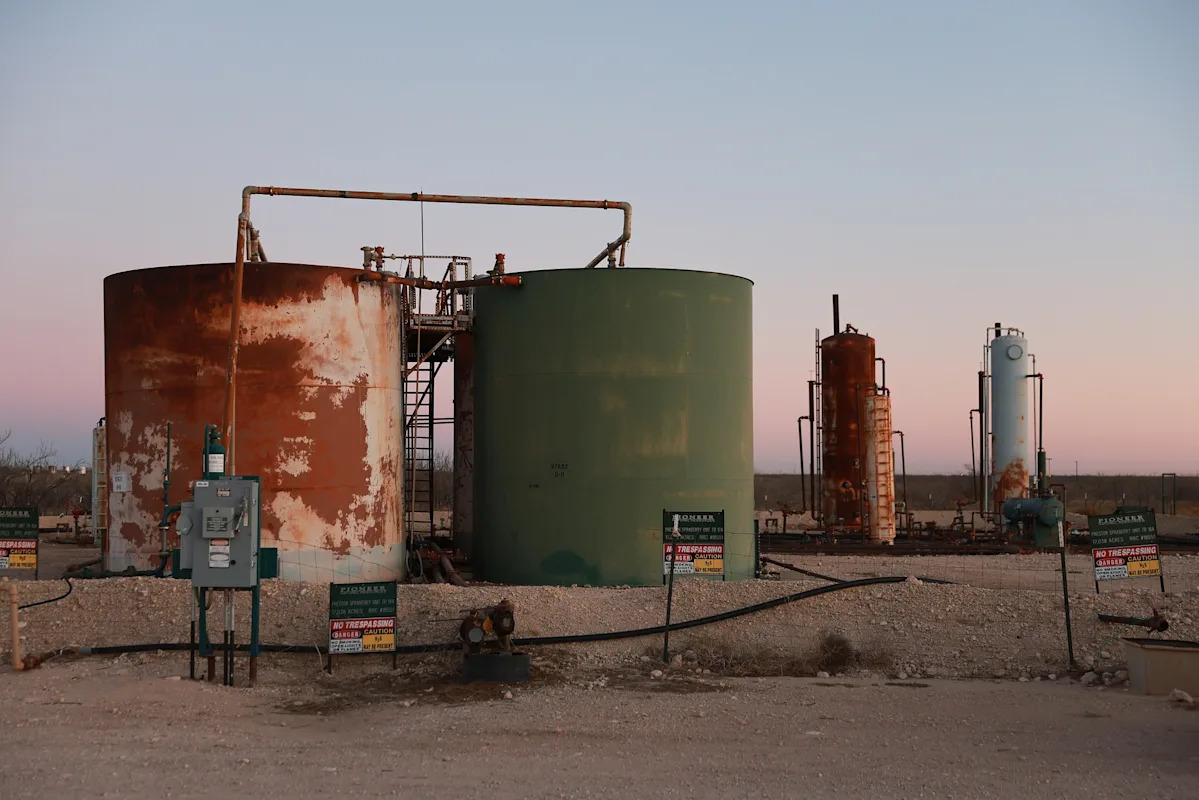
Oil Prices and Federal Reserve Impact: Analysts warn that a sustained rise in oil prices towards $120 could lead the Federal Reserve to adopt tighter monetary policies, potentially hindering Bitcoin's recovery.
Bitcoin's Current Market Position: Bitcoin has been holding strong amid geopolitical tensions, but analysts caution that its resilience may be short-lived if oil prices continue to rise, which could pressure the cryptocurrency market.
Oil Futures as Market Indicators: Oil futures are seen as a key real-time gauge for market expectations, with analysts noting that any signs of easing tensions between the U.S. and Iran could influence investor sentiment.
Retail Sentiment and Bitcoin's Performance: Retail sentiment around Bitcoin remains neutral, with recent price movements indicating a potential weakening momentum, particularly as oil prices surged, impacting Bitcoin's stability.
Arthur Hayes Advises Against Investing in Bitcoin Currently, Citing Potential for BTC Price to Fall Below $60K Amid US-Iran Tensions
Hayes' Perspective on Bitcoin: Arthur Hayes, a prominent figure in the cryptocurrency space, expressed a bullish long-term outlook on Bitcoin but indicated he would not invest in it currently due to potential price drops below $60,000 amid escalating tensions between the U.S. and Iran.
Market Sentiment and Risks: Hayes highlighted the risks associated with Bitcoin's price dipping below $60,000, suggesting that ongoing military conflicts could lead to significant sell-offs and liquidity issues in the market.
Federal Reserve's Role: He noted that the Federal Reserve tends to print money during conflicts, which historically supports Bitcoin's value, and he plans to invest in Bitcoin once this monetary policy is enacted.
Growing Demand for Decentralized Assets: Despite short-term risks, Hayes believes the demand for decentralized assets like Bitcoin is stronger now than in its early days, indicating a bullish long-term outlook for the cryptocurrency.
Binance Under Investigation by DOJ for Suspected $1.7B Crypto Transactions Linked to Iran Despite Internal Review Finding No Evidence: Report

Internal Investigation Findings: Binance conducted an internal investigation and reported to the Senate that it found no evidence of funds tied to Iranian groups passing through its exchange, although it identified only indirect exposure to wallets connected to Iran, which have since been removed.
Ongoing Investigations: The Department of Justice is investigating Binance for its role in facilitating Iranian entities to evade U.S. sanctions, following claims that approximately $1.7 billion in cryptocurrency may have moved through Binance accounts linked to Iranian groups.
Market Impact: Binance's recent controversies have contributed to a decline in its token prices, with a reported drop of 2.25% in the last 24 hours amid broader weakness in the cryptocurrency market.
Response to Allegations: Binance has rejected allegations of wrongdoing, criticizing media coverage that it claims has fueled the investigation, and stated that only a small number of staff left due to normal turnover or unauthorized disclosures of internal information.
CRYPTO ASSETS INCREASE IN VALUE AS BITCOIN CLIMBS MORE THAN 4%
- Market Performance: Cryptocurrency stocks have seen a rise, with Bitcoin gaining over 4% recently.
- Investor Sentiment: The increase in Bitcoin's value reflects a positive shift in investor sentiment towards cryptocurrencies.
Paul Atkins Proposes SEC-CFTC 'Super App' Concept Following Reconciliation on Crypto Issues
Collaboration Between Agencies: The SEC and CFTC have signed a memorandum of understanding to enhance cooperation and clarify regulatory responsibilities in the cryptocurrency market, aiming to eliminate confusion and overlap in their jurisdictions.
Goals for Regulation: SEC Chair Paul Atkins and CFTC Chair Michael Selig expressed their desire to create a unified regulatory framework for cryptocurrency assets, likening it to a "super app" where both agencies can coordinate actions effectively.
Addressing Regulatory Uncertainty: The memorandum aims to resolve long-standing debates over whether cryptocurrencies should be classified as securities or commodities, which has led to regulatory uncertainty and limited participation from major financial institutions.
Future Coordination: The agencies plan to hold regular meetings to discuss emerging regulatory issues and ensure coordinated oversight, including joint examinations and training for staff on each other's jurisdictions to avoid conflicting outcomes.
HYPE Token Surpasses Bitcoin as $1.5B Hyperliquid Trading Surge Fueled by US-Iran Conflict
Increased Trading Activity: Hyperliquid recorded significantly higher futures trading activity, processing around $1.5 billion during the weekend amid rising tensions between the U.S. and Iran, compared to $1.3 billion the following weekend.
Market Share Growth: Non-crypto assets accounted for about 24% of on-chain derivatives contracts, up from 10% earlier this year, indicating a growing demand for traditional asset exposure through crypto-native infrastructure.
Bitcoin and Altcoin Performance: Bitcoin's price dipped slightly below $70,000, while Hyperliquid's native token (HYPE) outperformed Bitcoin, with a recent price jump of over 7% in 24 hours.
Volatility and Market Sentiment: Despite heightened trading activity, Bitcoin's price remained range-bound, trading between $60,000 and $72,000 for over four weeks, as traders awaited the Federal Reserve's policy decision on March 18.
Bitfinex Cautions That $120 Oil Surge May Challenge Bitcoin's $70K Support and Prompt a Hawkish Shift from the Fed
Oil Prices and Federal Reserve Impact: Analysts warn that a sustained rise in oil prices towards $120 could lead the Federal Reserve to adopt tighter monetary policies, potentially hindering Bitcoin's recovery.
Bitcoin's Current Market Position: Bitcoin has been holding strong amid geopolitical tensions, but analysts caution that its resilience may be short-lived if oil prices continue to rise, which could pressure the cryptocurrency market.
Oil Futures as Market Indicators: Oil futures are seen as a key real-time gauge for market expectations, with analysts noting that any signs of easing tensions between the U.S. and Iran could influence investor sentiment.
Retail Sentiment and Bitcoin's Performance: Retail sentiment around Bitcoin remains neutral, with recent price movements indicating a potential weakening momentum, particularly as oil prices surged, impacting Bitcoin's stability.
Arthur Hayes Advises Against Investing in Bitcoin Currently, Citing Potential for BTC Price to Fall Below $60K Amid US-Iran Tensions
Hayes' Perspective on Bitcoin: Arthur Hayes, a prominent figure in the cryptocurrency space, expressed a bullish long-term outlook on Bitcoin but indicated he would not invest in it currently due to potential price drops below $60,000 amid escalating tensions between the U.S. and Iran.
Market Sentiment and Risks: Hayes highlighted the risks associated with Bitcoin's price dipping below $60,000, suggesting that ongoing military conflicts could lead to significant sell-offs and liquidity issues in the market.
Federal Reserve's Role: He noted that the Federal Reserve tends to print money during conflicts, which historically supports Bitcoin's value, and he plans to invest in Bitcoin once this monetary policy is enacted.
Growing Demand for Decentralized Assets: Despite short-term risks, Hayes believes the demand for decentralized assets like Bitcoin is stronger now than in its early days, indicating a bullish long-term outlook for the cryptocurrency.
Binance Under Investigation by DOJ for Suspected $1.7B Crypto Transactions Linked to Iran Despite Internal Review Finding No Evidence: Report
Internal Investigation Findings: Binance conducted an internal investigation and reported to the Senate that it found no evidence of funds tied to Iranian groups passing through its exchange, although it identified only indirect exposure to wallets connected to Iran, which have since been removed.
Ongoing Investigations: The Department of Justice is investigating Binance for its role in facilitating Iranian entities to evade U.S. sanctions, following claims that approximately $1.7 billion in cryptocurrency may have moved through Binance accounts linked to Iranian groups.
Market Impact: Binance's recent controversies have contributed to a decline in its token prices, with a reported drop of 2.25% in the last 24 hours amid broader weakness in the cryptocurrency market.
Response to Allegations: Binance has rejected allegations of wrongdoing, criticizing media coverage that it claims has fueled the investigation, and stated that only a small number of staff left due to normal turnover or unauthorized disclosures of internal information.