JPMorgan Restricts Lending to Private Credit Funds
Written by Emily J. Thompson, Senior Investment Analyst
Updated: Mar 11 2026
0mins
JPMorgan Chase is restricting some lending to private credit funds after marking down the value of certain loans in their portfolios, the latest sign of stress in the $1.8 trillion industry, Bloomberg's Adam Haigh. The devalued loans are to software companies, according to people familiar with the matter. That industry is home to some of the biggest borrowers in the private credit market and has been in the spotlight in recent weeks due to investor concern over the impact AI will have on its business model, the author adds.
Trade with 70% Backtested Accuracy
Stop guessing "Should I Buy JPM?" and start using high-conviction signals backed by rigorous historical data.
Sign up today to access powerful investing tools and make smarter, data-driven decisions.
Analyst Views on JPM
Wall Street analysts forecast JPM stock price to rise
19 Analyst Rating
11 Buy
7 Hold
1 Sell
Moderate Buy
Current: 333.460

Low
260.00
Averages
341.38
High
400.00
Current: 333.460
Low
260.00
Averages
341.38
High
400.00
About JPM
JPMorgan Chase & Co. is a financial holding company. The Company is engaged in investment banking, financial services for consumers and small businesses, commercial banking, financial transaction processing and asset management. The Company operates through three segments: Consumer & Community Banking (CCB), Commercial & Investment Bank (CIB), and Asset & Wealth Management (AWM). Its CCB segment offers products and services to consumers and small businesses through bank branches, ATMs, digital and telephone banking. Its CIB segment consists of banking and payments and markets and securities services, and offers a suite of investment banking, lending, payments, market-making, financing, custody and securities products and services to a global base of corporate and institutional clients. AWM segment offers investment and wealth management solutions. It offers multi-asset investment management solutions, retirement products and services, brokerage, custody, estate planning, and others.
About the author

Emily J. Thompson
Emily J. Thompson, a Chartered Financial Analyst (CFA) with 12 years in investment research, graduated with honors from the Wharton School. Specializing in industrial and technology stocks, she provides in-depth analysis for Intellectia’s earnings and market brief reports.
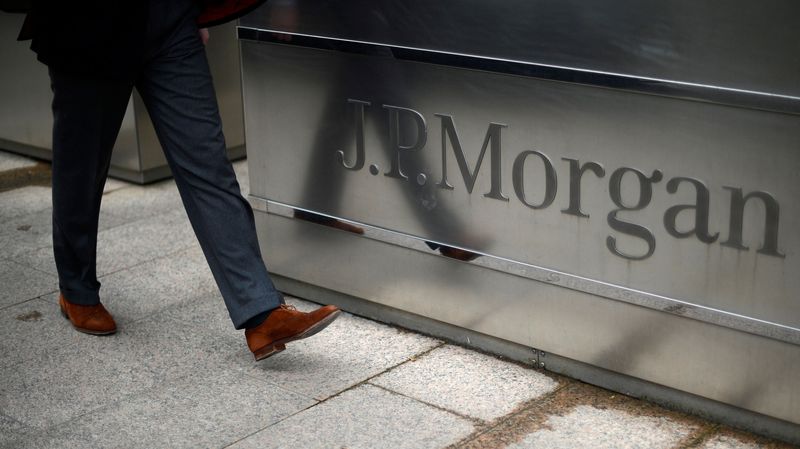
JPMorgan Chase to Host Q2 2026 Earnings Call

- Earnings Call Schedule: JPMorgan Chase is set to host a conference call on July 14, 2026, at 8:30 a.m. (ET) to review its Q2 2026 financial results, with results released at 7:00 a.m., reflecting the firm's commitment to transparency and timely communication.
- Investor Information Access: The earnings report will be disseminated via the firm's Investor Relations website and social media channels, ensuring investors receive timely updates and enhancing interaction between the company and its stakeholders.
- Conference Call Access: The public can join the call by dialing 1 (888) 324 3618 in the U.S. and Canada or +1 (312) 470 7119 for international callers, demonstrating the firm's openness to global investors and encouraging broad participation.
- Financial Health Overview: As of March 31, 2026, JPMorgan Chase reported total assets of $4.9 trillion and stockholders' equity of $364 billion, indicating the firm's robust strength and leadership position in the financial services sector.
See More

JPMorgan Chase Plans Expansion into European Markets
- Market Expansion Plans: JPMorgan Chase aims to launch digital banking services in three new European markets—Italy, Spain, and France—within the next five years, enhancing its market presence to complement existing operations in the U.K. and Germany.
- Stock Performance: Following the management's announcement of expansion plans, JPMorgan's stock rose nearly 4%, significantly outperforming the S&P 500's 0.6% decline, indicating a positive market reaction to its strategic direction.
- Digital Banking Trend: As a next-generation lender, JPMorgan seeks to innovate in digital banking while leveraging its strong brand presence to meet the demand for digital-first banking solutions in Europe.
- Regulatory Challenges: Although five years may seem lengthy, the stringent regulations in the European financial sector present complex compliance challenges for JPMorgan, suggesting that the rollout may proceed at a slower pace.
See More

CarMax Stock Surges 13% After Analyst Upgrades

- Stock Rebound: CarMax's stock surged 13% on Thursday after a 9% drop the previous day, indicating a positive market reaction to its earnings report despite initial negative sentiment.
- Analyst Rating Upgrades: J.P. Morgan raised its price target for CarMax to $38 while maintaining a sell rating, whereas Baird increased its target from $48 to $55, reflecting analysts' confidence in the company's future performance.
- Key Analyst Adjustment: Stephens analyst Jeff Lick upgraded CarMax's rating from equal weight to overweight and significantly raised his price target to $66, acknowledging its strong market position despite competitive pressures.
- Strong Performance: CarMax reported a 6% year-over-year revenue growth in its first quarter, and if it can sustain this growth, its stock is expected to perform well in a challenging auto sales environment.
See More

CarMax Shares Surge 13% as Analysts Upgrade Outlook
- Stock Price Rebound: CarMax shares surged 13% on Thursday after a 9% drop the previous day, indicating a recovery in investor confidence regarding its growth potential despite an initial negative reaction to its earnings report.
- Analyst Rating Adjustments: J.P. Morgan raised its price target for CarMax to $38 while maintaining a sell rating, whereas Baird increased its target from $48 to $55, reflecting a more optimistic outlook on CarMax's future performance.
- Positive Analyst Outlook: Analyst Jeff Lick from Stephens upgraded CarMax's rating from equal weight to overweight and significantly raised his price target to $66, asserting that CarMax will continue to attract customers as the leading used-car retailer, despite facing some market challenges.
- Quarterly Performance: CarMax reported a 6% year-over-year revenue growth in Q1 of fiscal 2027, showcasing resilience in a challenging auto sales environment, and if it can sustain this growth, its stock is expected to perform well.
See More

JPMorgan Appoints New Head of Workplace Solutions
- New Leadership Appointment: JPMorgan has appointed insider Ben Walter to lead its Workplace Solutions business, succeeding Vince La Padula, who is leaving after 23 years for a senior role at the IRS, highlighting the bank's commitment to nurturing internal talent.
- Business Context: The Workplace Solutions division provides global equity compensation and share plan services, formerly known as Global Shares, which was acquired by JPMorgan in 2022; Walter's appointment aims to drive business integration and growth.
- Walter's Experience: Walter previously led Chase for Business, serving over 7.4 million small businesses in the U.S., bringing extensive market experience and leadership skills that are expected to inject new growth momentum into Workplace Solutions.
- La Padula's Contributions: Over his 23 years at JPMorgan, La Padula significantly expanded the bank's lending franchise and laid the groundwork for Workplace Solutions post-Global Shares acquisition, doubling assets and participants in just three years, underscoring his impact on the company's long-term growth.
See More

U.S. Justice Department Investigates Wall Street Banks' Ties to Iran

- Investigation Background: The U.S. Justice Department is probing Wall Street banks, including JPMorgan Chase and Citigroup, for their involvement in Iran's Supreme Leader Khamenei's global investment portfolio, amid allegations of money laundering and corruption, highlighting significant compliance concerns for financial institutions.
- Funds Movement Scrutiny: Investigators are examining the role of American financial institutions in facilitating large money transfers between firms overseen by Khamenei, aiming to identify potential gaps in due diligence procedures, thereby enhancing regulatory oversight of financial transactions.
- International Bank Focus: European and Middle Eastern lenders have particularly attracted the DOJ's attention, indicating an expansion of scrutiny over international financial networks to ensure they are not used for illicit activities.
- Brand Payment Investigation: The inquiry also encompasses property-related payments made by Khamenei's network to global brands, including Hilton, which could reveal broader financial compliance issues, potentially impacting the reputation and business of the involved brands.
See More
JPMorgan Chase to Host Q2 2026 Earnings Call
- Earnings Call Schedule: JPMorgan Chase is set to host a conference call on July 14, 2026, at 8:30 a.m. (ET) to review its Q2 2026 financial results, with results released at 7:00 a.m., reflecting the firm's commitment to transparency and timely communication.
- Investor Information Access: The earnings report will be disseminated via the firm's Investor Relations website and social media channels, ensuring investors receive timely updates and enhancing interaction between the company and its stakeholders.
- Conference Call Access: The public can join the call by dialing 1 (888) 324 3618 in the U.S. and Canada or +1 (312) 470 7119 for international callers, demonstrating the firm's openness to global investors and encouraging broad participation.
- Financial Health Overview: As of March 31, 2026, JPMorgan Chase reported total assets of $4.9 trillion and stockholders' equity of $364 billion, indicating the firm's robust strength and leadership position in the financial services sector.
See More
JPMorgan Chase Plans Expansion into European Markets
- Market Expansion Plans: JPMorgan Chase aims to launch digital banking services in three new European markets—Italy, Spain, and France—within the next five years, enhancing its market presence to complement existing operations in the U.K. and Germany.
- Stock Performance: Following the management's announcement of expansion plans, JPMorgan's stock rose nearly 4%, significantly outperforming the S&P 500's 0.6% decline, indicating a positive market reaction to its strategic direction.
- Digital Banking Trend: As a next-generation lender, JPMorgan seeks to innovate in digital banking while leveraging its strong brand presence to meet the demand for digital-first banking solutions in Europe.
- Regulatory Challenges: Although five years may seem lengthy, the stringent regulations in the European financial sector present complex compliance challenges for JPMorgan, suggesting that the rollout may proceed at a slower pace.
See More
CarMax Stock Surges 13% After Analyst Upgrades
- Stock Rebound: CarMax's stock surged 13% on Thursday after a 9% drop the previous day, indicating a positive market reaction to its earnings report despite initial negative sentiment.
- Analyst Rating Upgrades: J.P. Morgan raised its price target for CarMax to $38 while maintaining a sell rating, whereas Baird increased its target from $48 to $55, reflecting analysts' confidence in the company's future performance.
- Key Analyst Adjustment: Stephens analyst Jeff Lick upgraded CarMax's rating from equal weight to overweight and significantly raised his price target to $66, acknowledging its strong market position despite competitive pressures.
- Strong Performance: CarMax reported a 6% year-over-year revenue growth in its first quarter, and if it can sustain this growth, its stock is expected to perform well in a challenging auto sales environment.
See More
CarMax Shares Surge 13% as Analysts Upgrade Outlook
- Stock Price Rebound: CarMax shares surged 13% on Thursday after a 9% drop the previous day, indicating a recovery in investor confidence regarding its growth potential despite an initial negative reaction to its earnings report.
- Analyst Rating Adjustments: J.P. Morgan raised its price target for CarMax to $38 while maintaining a sell rating, whereas Baird increased its target from $48 to $55, reflecting a more optimistic outlook on CarMax's future performance.
- Positive Analyst Outlook: Analyst Jeff Lick from Stephens upgraded CarMax's rating from equal weight to overweight and significantly raised his price target to $66, asserting that CarMax will continue to attract customers as the leading used-car retailer, despite facing some market challenges.
- Quarterly Performance: CarMax reported a 6% year-over-year revenue growth in Q1 of fiscal 2027, showcasing resilience in a challenging auto sales environment, and if it can sustain this growth, its stock is expected to perform well.
See More
JPMorgan Appoints New Head of Workplace Solutions
- New Leadership Appointment: JPMorgan has appointed insider Ben Walter to lead its Workplace Solutions business, succeeding Vince La Padula, who is leaving after 23 years for a senior role at the IRS, highlighting the bank's commitment to nurturing internal talent.
- Business Context: The Workplace Solutions division provides global equity compensation and share plan services, formerly known as Global Shares, which was acquired by JPMorgan in 2022; Walter's appointment aims to drive business integration and growth.
- Walter's Experience: Walter previously led Chase for Business, serving over 7.4 million small businesses in the U.S., bringing extensive market experience and leadership skills that are expected to inject new growth momentum into Workplace Solutions.
- La Padula's Contributions: Over his 23 years at JPMorgan, La Padula significantly expanded the bank's lending franchise and laid the groundwork for Workplace Solutions post-Global Shares acquisition, doubling assets and participants in just three years, underscoring his impact on the company's long-term growth.
See More
U.S. Justice Department Investigates Wall Street Banks' Ties to Iran
- Investigation Background: The U.S. Justice Department is probing Wall Street banks, including JPMorgan Chase and Citigroup, for their involvement in Iran's Supreme Leader Khamenei's global investment portfolio, amid allegations of money laundering and corruption, highlighting significant compliance concerns for financial institutions.
- Funds Movement Scrutiny: Investigators are examining the role of American financial institutions in facilitating large money transfers between firms overseen by Khamenei, aiming to identify potential gaps in due diligence procedures, thereby enhancing regulatory oversight of financial transactions.
- International Bank Focus: European and Middle Eastern lenders have particularly attracted the DOJ's attention, indicating an expansion of scrutiny over international financial networks to ensure they are not used for illicit activities.
- Brand Payment Investigation: The inquiry also encompasses property-related payments made by Khamenei's network to global brands, including Hilton, which could reveal broader financial compliance issues, potentially impacting the reputation and business of the involved brands.
See More