JetBlue Steps Up to Support Affected Spirit Customers and Employees
Written by Emily J. Thompson, Senior Investment Analyst
Updated: 2 days ago
0mins
Should l Buy JBLU?
Source: Newsfilter
- Rescue Fare Initiative: JetBlue is offering $99 one-way fares to assist stranded Spirit customers, ensuring they can rebook their travel affordably during Spirit's shutdown, which alleviates the disruption caused by the sudden service loss.
- Route Expansion Plan: JetBlue will add flights to 11 new cities from Fort Lauderdale-Hollywood International Airport, expecting to operate nearly 130 daily departures this summer, which represents over a 75% increase from 2025, thereby enhancing its market presence in South Florida and providing customers with more travel options.
- Support for Spirit Employees: JetBlue will extend its jumpseat agreement for Spirit pilots and flight attendants and offer interview opportunities for affected employees, demonstrating the company's commitment to supporting industry colleagues during this challenging time.
- Fare Cap Policy: Starting May 1, 2026, JetBlue will cap Blue Basic fares at $299 on its operated routes, aimed at preventing high last-minute prices due to increased demand, ensuring customers can enjoy reasonable fares while rebooking their travel plans.
Trade with 70% Backtested Accuracy
Stop guessing "Should I Buy JBLU?" and start using high-conviction signals backed by rigorous historical data.
Sign up today to access powerful investing tools and make smarter, data-driven decisions.
Analyst Views on JBLU
Wall Street analysts forecast JBLU stock price to fall
10 Analyst Rating
0 Buy
5 Hold
5 Sell
Moderate Sell
Current: 4.860

Low
3.50
Averages
4.69
High
7.00
Current: 4.860
Low
3.50
Averages
4.69
High
7.00
About JBLU
JetBlue Airways Corporation provides air transportation services across the United States, Latin America, the Caribbean, Canada, and Europe. The Company offers customers a choice of one of three JetBlue experiences: the core experience, EvenMore and Mint. Within the core experience, there are four fares to choose from: Blue Basic, Blue, Blue Plus, and Blue Extra. All JetBlue fares include a free carry-on bag, free seatback entertainment, free high-speed Wi-Fi, free snacks, and free non-alcoholic beverages. Its entire fleet is equipped with Fly-Fi, a broadband product that allows gate-to-gate Wi-Fi at every seat. It also offers seatback screens across its fleet, with AVANT systems installed on the majority of its aircraft. The Company also sells vacation packages through its subsidiary, Paisly, LLC, which offers one-stop, value-priced vacation services for self-directed packaged travel planning.
About the author

Emily J. Thompson
Emily J. Thompson, a Chartered Financial Analyst (CFA) with 12 years in investment research, graduated with honors from the Wharton School. Specializing in industrial and technology stocks, she provides in-depth analysis for Intellectia’s earnings and market brief reports.
Airline Market Restructuring: JetBlue and Frontier Airlines Benefit

- Market Share Battle: Following the bankruptcy of rival Spirit Airlines, JetBlue and Frontier Airlines saw premarket gains of approximately 5% and 4% respectively, providing both carriers with opportunities to expand market share and control fares, particularly in leisure-heavy markets like Florida.
- Exit of Spirit Airlines: Spirit ceased operations on Saturday after failing to secure creditor backing, ending a 34-year run based on a no-frills model, which is expected to allow competitors to attract more price-sensitive passengers and alleviate margin pressures from fare wars.
- JetBlue's Expansion Plans: JetBlue quickly introduced $99 rescue fares for stranded Spirit passengers and unveiled plans to sharply expand at Fort Lauderdale-Hollywood International Airport, adding service to 11 new cities and expecting to operate nearly 130 daily departures this summer, marking the largest operation in the airline's history from this airport.
- Opportunities for Frontier Airlines: As Spirit's closest rival, Frontier has already made gains in Spirit's stronghold markets during its capacity cuts, and analysts believe that the Blue Sky partnership between United and JetBlue is well-positioned to capture Spirit's revenue over time.
See More
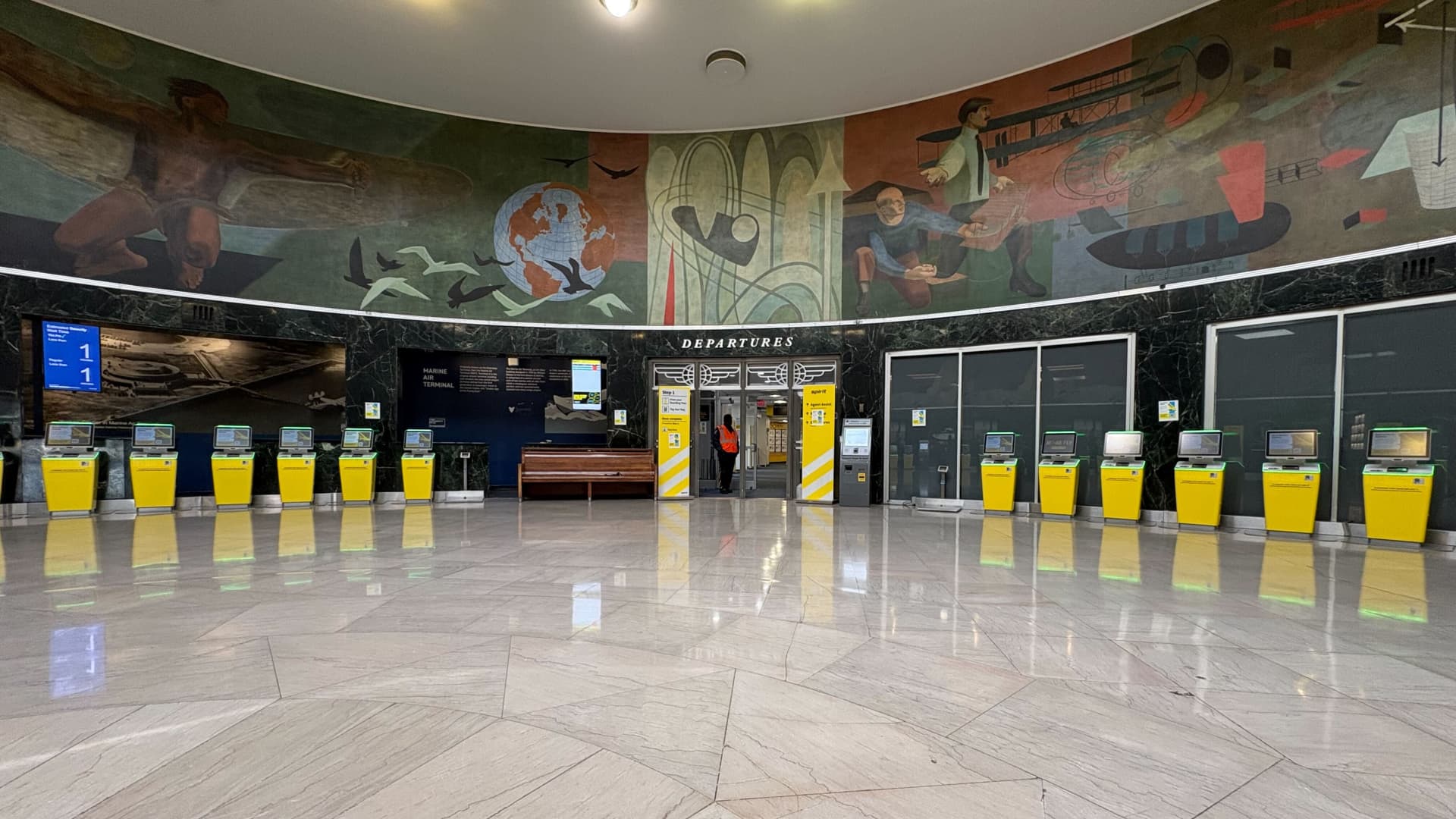
Spirit Airlines Ceases Operations, Ending 30-Year Run

- Shutdown Announcement: Spirit Airlines announced its cessation of operations on May 2, ending a 34-year run of low-cost air travel, resulting in over 17,000 job losses, highlighting the dual pressures of intensified competition and rising costs in the airline industry.
- Final Flights: On its last operational day, Spirit transported over 50,000 passengers despite facing a cash flow crisis and an unfulfilled $500 million bailout proposal, demonstrating the urgency of its operations and strong customer demand.
- Market Share and Competition: With approximately 4% market share in the U.S., Spirit struggled to remain profitable due to fierce competition from larger rivals like Delta and American Airlines, alongside its own cost structure issues, reflecting the survival challenges faced by low-cost carriers.
- Industry Impact: The collapse of Spirit Airlines not only affected its customers and employees but also prompted other airlines like United and JetBlue to adjust fares to assist stranded passengers, illustrating the interdependence and dynamics within the airline industry.
See More
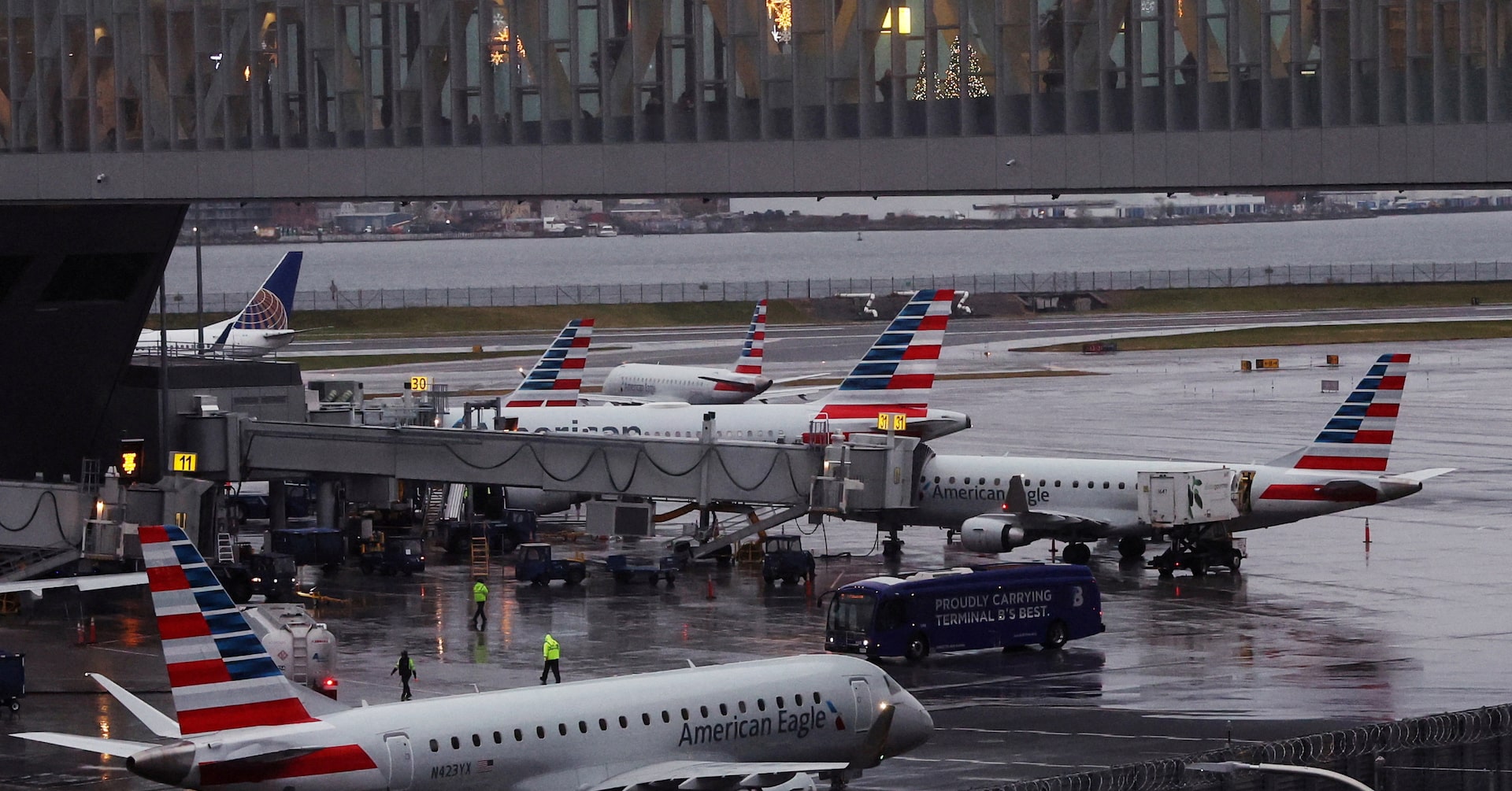
Spirit Airlines Ceases Operations, 17,000 Employees Laid Off
- Operational Shutdown: Spirit Airlines officially ceased operations at 3 a.m. Saturday, marking the end of its three-decade service providing discount air travel across the U.S. and parts of the Caribbean and Latin America, resulting in over 17,000 employees losing their jobs and significantly impacting their families and communities.
- Failed Government Bailout: After last-minute negotiations with the Trump administration fell through, Spirit failed to secure a bailout of up to $500 million, leading bondholders to reject the proposal and exacerbating the airline's financial crisis.
- Market Share and Competitive Pressure: Despite holding approximately 4% of the U.S. market share, Spirit faced intense competition from larger rivals like Delta, United, and American Airlines, compounded by its own low-fare strategy and rising costs, resulting in continuous losses over the past few years.
- Employee Support Requests: The airline's employee union has urged the federal government to provide a $600 weekly unemployment supplement to assist laid-off pilots and flight attendants, emphasizing that standard unemployment coverage does not replace full wages and that enhanced support is crucial for stabilizing households.
See More
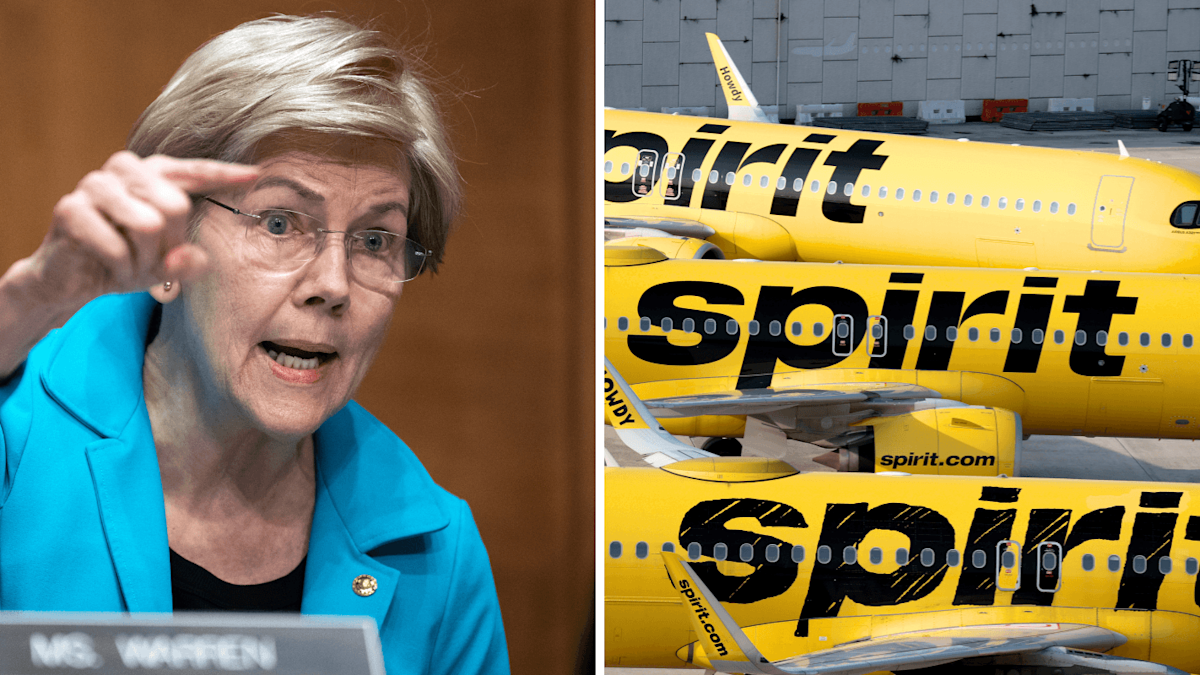
Warren Calls Blocked Merger a Consumer Victory

- Impact of Merger Block: Warren framed the blocking of the JetBlue-Spirit merger as a consumer victory, arguing that it would prevent fare increases due to reduced competition, highlighting longstanding antitrust concerns in the airline industry.
- Spirit Airlines' Struggles: After over three decades of operation, Spirit Airlines has shut down, with its CEO stating that sustaining the business required hundreds of millions in liquidity that the airline could not secure, indicating that the merger could have provided critical support.
- Potential Benefits of the Merger: The merger was expected to create the fifth-largest airline in the U.S., with JetBlue claiming it would help lower fares and enhance market competitiveness, but ultimately, these benefits were not realized.
- Future of Market Competition: The exit of Spirit may lead to increased market competition; while regulators feared that the merger would raise fares, the loss of Spirit as a low-cost carrier could have a more detrimental impact on consumers than the merger itself.
See More
Spirit Airlines Shutdown Leaves Travelers Stranded and Options Limited
- Airline Shutdown: Spirit Airlines abruptly ceased operations on Saturday due to financial pressures, stranding thousands of passengers and staff across the U.S., Caribbean, and Latin America, significantly impacting low-income and working-class travelers who relied on its low-cost options.
- Rising Fuel Costs: The airline's inability to cope with sharply rising fuel prices, exacerbated by the Iran war, ultimately led to its closure, which is expected to increase travel costs for American consumers amidst a broader inflationary environment.
- Market Response: Following Spirit's shutdown, other airlines such as Frontier, JetBlue, and Southwest quickly introduced discounted fares and new route plans to fill the gap, demonstrating the industry's responsiveness to the demand for affordable travel options.
- Traveler Sentiment: Many former Spirit passengers expressed their disappointment on social media, highlighting that the price difference with other carriers could exceed $1,000, indicating that numerous families may now find vacations financially out of reach.
See More

Trump Administration Declines Airline Bailout

- Bailout Rejection: U.S. Transportation Secretary Sean Duffy stated that the Trump administration does not currently need to provide financial lifelines for low-cost carriers, despite several airlines seeking $2.5 billion in federal assistance to cope with rising fuel and labor costs.
- Spirit Airlines Shutdown: Spirit Airlines began winding down operations after failing to secure a $500 million rescue package, highlighting the vulnerability of low-cost carriers under financial strain, which could impact overall industry stability.
- Market Financing Priority: Duffy emphasized that airlines should prioritize seeking financing from private markets rather than relying on government bailouts, a strategy that may encourage airlines to focus more on financial health and market competitiveness.
- Industry Opportunities and Challenges: While other airlines considered providing funds for Spirit's bailout, Duffy noted that this was not based on need but rather opportunity, reflecting the complexities of competition and resource allocation within the industry.
See More
Airline Market Restructuring: JetBlue and Frontier Airlines Benefit
- Market Share Battle: Following the bankruptcy of rival Spirit Airlines, JetBlue and Frontier Airlines saw premarket gains of approximately 5% and 4% respectively, providing both carriers with opportunities to expand market share and control fares, particularly in leisure-heavy markets like Florida.
- Exit of Spirit Airlines: Spirit ceased operations on Saturday after failing to secure creditor backing, ending a 34-year run based on a no-frills model, which is expected to allow competitors to attract more price-sensitive passengers and alleviate margin pressures from fare wars.
- JetBlue's Expansion Plans: JetBlue quickly introduced $99 rescue fares for stranded Spirit passengers and unveiled plans to sharply expand at Fort Lauderdale-Hollywood International Airport, adding service to 11 new cities and expecting to operate nearly 130 daily departures this summer, marking the largest operation in the airline's history from this airport.
- Opportunities for Frontier Airlines: As Spirit's closest rival, Frontier has already made gains in Spirit's stronghold markets during its capacity cuts, and analysts believe that the Blue Sky partnership between United and JetBlue is well-positioned to capture Spirit's revenue over time.
See More
Spirit Airlines Ceases Operations, Ending 30-Year Run
- Shutdown Announcement: Spirit Airlines announced its cessation of operations on May 2, ending a 34-year run of low-cost air travel, resulting in over 17,000 job losses, highlighting the dual pressures of intensified competition and rising costs in the airline industry.
- Final Flights: On its last operational day, Spirit transported over 50,000 passengers despite facing a cash flow crisis and an unfulfilled $500 million bailout proposal, demonstrating the urgency of its operations and strong customer demand.
- Market Share and Competition: With approximately 4% market share in the U.S., Spirit struggled to remain profitable due to fierce competition from larger rivals like Delta and American Airlines, alongside its own cost structure issues, reflecting the survival challenges faced by low-cost carriers.
- Industry Impact: The collapse of Spirit Airlines not only affected its customers and employees but also prompted other airlines like United and JetBlue to adjust fares to assist stranded passengers, illustrating the interdependence and dynamics within the airline industry.
See More
Spirit Airlines Ceases Operations, 17,000 Employees Laid Off
- Operational Shutdown: Spirit Airlines officially ceased operations at 3 a.m. Saturday, marking the end of its three-decade service providing discount air travel across the U.S. and parts of the Caribbean and Latin America, resulting in over 17,000 employees losing their jobs and significantly impacting their families and communities.
- Failed Government Bailout: After last-minute negotiations with the Trump administration fell through, Spirit failed to secure a bailout of up to $500 million, leading bondholders to reject the proposal and exacerbating the airline's financial crisis.
- Market Share and Competitive Pressure: Despite holding approximately 4% of the U.S. market share, Spirit faced intense competition from larger rivals like Delta, United, and American Airlines, compounded by its own low-fare strategy and rising costs, resulting in continuous losses over the past few years.
- Employee Support Requests: The airline's employee union has urged the federal government to provide a $600 weekly unemployment supplement to assist laid-off pilots and flight attendants, emphasizing that standard unemployment coverage does not replace full wages and that enhanced support is crucial for stabilizing households.
See More
Warren Calls Blocked Merger a Consumer Victory
- Impact of Merger Block: Warren framed the blocking of the JetBlue-Spirit merger as a consumer victory, arguing that it would prevent fare increases due to reduced competition, highlighting longstanding antitrust concerns in the airline industry.
- Spirit Airlines' Struggles: After over three decades of operation, Spirit Airlines has shut down, with its CEO stating that sustaining the business required hundreds of millions in liquidity that the airline could not secure, indicating that the merger could have provided critical support.
- Potential Benefits of the Merger: The merger was expected to create the fifth-largest airline in the U.S., with JetBlue claiming it would help lower fares and enhance market competitiveness, but ultimately, these benefits were not realized.
- Future of Market Competition: The exit of Spirit may lead to increased market competition; while regulators feared that the merger would raise fares, the loss of Spirit as a low-cost carrier could have a more detrimental impact on consumers than the merger itself.
See More
Spirit Airlines Shutdown Leaves Travelers Stranded and Options Limited
- Airline Shutdown: Spirit Airlines abruptly ceased operations on Saturday due to financial pressures, stranding thousands of passengers and staff across the U.S., Caribbean, and Latin America, significantly impacting low-income and working-class travelers who relied on its low-cost options.
- Rising Fuel Costs: The airline's inability to cope with sharply rising fuel prices, exacerbated by the Iran war, ultimately led to its closure, which is expected to increase travel costs for American consumers amidst a broader inflationary environment.
- Market Response: Following Spirit's shutdown, other airlines such as Frontier, JetBlue, and Southwest quickly introduced discounted fares and new route plans to fill the gap, demonstrating the industry's responsiveness to the demand for affordable travel options.
- Traveler Sentiment: Many former Spirit passengers expressed their disappointment on social media, highlighting that the price difference with other carriers could exceed $1,000, indicating that numerous families may now find vacations financially out of reach.
See More
Trump Administration Declines Airline Bailout
- Bailout Rejection: U.S. Transportation Secretary Sean Duffy stated that the Trump administration does not currently need to provide financial lifelines for low-cost carriers, despite several airlines seeking $2.5 billion in federal assistance to cope with rising fuel and labor costs.
- Spirit Airlines Shutdown: Spirit Airlines began winding down operations after failing to secure a $500 million rescue package, highlighting the vulnerability of low-cost carriers under financial strain, which could impact overall industry stability.
- Market Financing Priority: Duffy emphasized that airlines should prioritize seeking financing from private markets rather than relying on government bailouts, a strategy that may encourage airlines to focus more on financial health and market competitiveness.
- Industry Opportunities and Challenges: While other airlines considered providing funds for Spirit's bailout, Duffy noted that this was not based on need but rather opportunity, reflecting the complexities of competition and resource allocation within the industry.
See More