

Jefferies Upgrades U.S. Bancorp to Buy, Downgrades Huntington Bancshares
Written by Emily J. Thompson, Senior Investment Analyst
Updated: 1 hour ago
0mins

Source: seekingalpha
- USB Upgrade: Jefferies upgraded U.S. Bancorp (USB) from Hold to Buy, citing its net interest and fee income trending towards the high end of guidance, with potential operating leverage improvement for 2026 raised from 200 basis points to nearly 300, indicating strong profitability and diversified revenue streams.
- CFR Rating Change: Jefferies raised Cullen/Frost (CFR) from Underperform to Hold due to positive asset sensitivity amid rising rate hike expectations, which, combined with moderating expense growth, could support operating leverage and EPS growth, making the risk/reward balance more favorable.
- HBAN Downgrade: Jefferies downgraded Huntington Bancshares (HBAN) from Buy to Hold, reflecting ongoing M&A-related discounts until deal integrations are complete and clearer visibility on deposit costs and net interest margin trends, impacting its loan profitability optimization strategy.
- Market Reaction: Despite USB and CFR stocks remaining largely unchanged, HBAN saw a 0.7% dip in premarket trading, indicating a cautious market response to the rating changes and reflecting the complex outlook for the banking sector.
Trade with 70% Backtested Accuracy
Stop guessing "Should I Buy USB?" and start using high-conviction signals backed by rigorous historical data.
Sign up today to access powerful investing tools and make smarter, data-driven decisions.
Analyst Views on USB
Wall Street analysts forecast USB stock price to fall
20 Analyst Rating
12 Buy
7 Hold
1 Sell
Moderate Buy
Current: 61.960

Low
50.00
Averages
58.87
High
75.00
Current: 61.960
Low
50.00
Averages
58.87
High
75.00
About USB
U.S. Bancorp is a financial services holding company. Its segments are Wealth, Corporate, Commercial and Institutional Banking, Consumer and Business Banking, Payment Services, and Treasury and Corporate Support. It provides a full range of financial services, including lending and depository services, cash management, capital markets, and trust and investment management services. It also engages in credit card services, merchant and ATM processing, mortgage banking, insurance, brokerage and leasing. Its banking subsidiary, U.S. Bank National Association (USBNA), is engaged in the banking business, principally in domestic markets. USBNA provides a range of products and services to individuals, businesses, institutional organizations, governmental entities and other financial institutions. Its non-banking subsidiaries offer investment and insurance products to its customers principally within its domestic markets, and fund administration services to a range of mutual and other funds.
About the author

Emily J. Thompson
Emily J. Thompson, a Chartered Financial Analyst (CFA) with 12 years in investment research, graduated with honors from the Wharton School. Specializing in industrial and technology stocks, she provides in-depth analysis for Intellectia’s earnings and market brief reports.

U.S. Bancorp Receives Overweight Rating

- Rating Analysis: U.S. Bancorp (USB) has received an overweight rating, indicating analysts' optimistic outlook on its future performance, reflecting market confidence in its stable growth.
- Price Target: The average price target set by analysts is $65.95, suggesting significant upside potential compared to the current stock price, which may attract more investor interest.
- Market Reaction: The release of this rating and price target could stimulate demand for U.S. Bancorp shares, potentially driving the stock price up and enhancing investor confidence.
- Investment Strategy: The overweight rating provides a clear buy signal for investors, likely prompting increased capital inflow into the stock, further solidifying its position in the financial sector.
See More

U.S. Bancorp to Release Q2 2026 Earnings on July 16
- Earnings Release Schedule: U.S. Bancorp will announce its Q2 2026 earnings before the market opens on July 16, which is expected to significantly impact investors and the market.
- Executive Conference Call: CEO Gunjan Kedia and CFO John Stern will host a conference call at 7 a.m. CT to discuss the financial results in detail, enhancing transparency and investor confidence.
- Access Options: Investors can participate via the U.S. Bancorp website or by dialing designated phone numbers, ensuring broad participation and information dissemination.
- Company Background: Headquartered in Minneapolis, U.S. Bancorp is the fifth-largest commercial bank in the U.S., serving 15 million clients with nearly 70,000 employees, showcasing a strong market position and business diversity.
See More
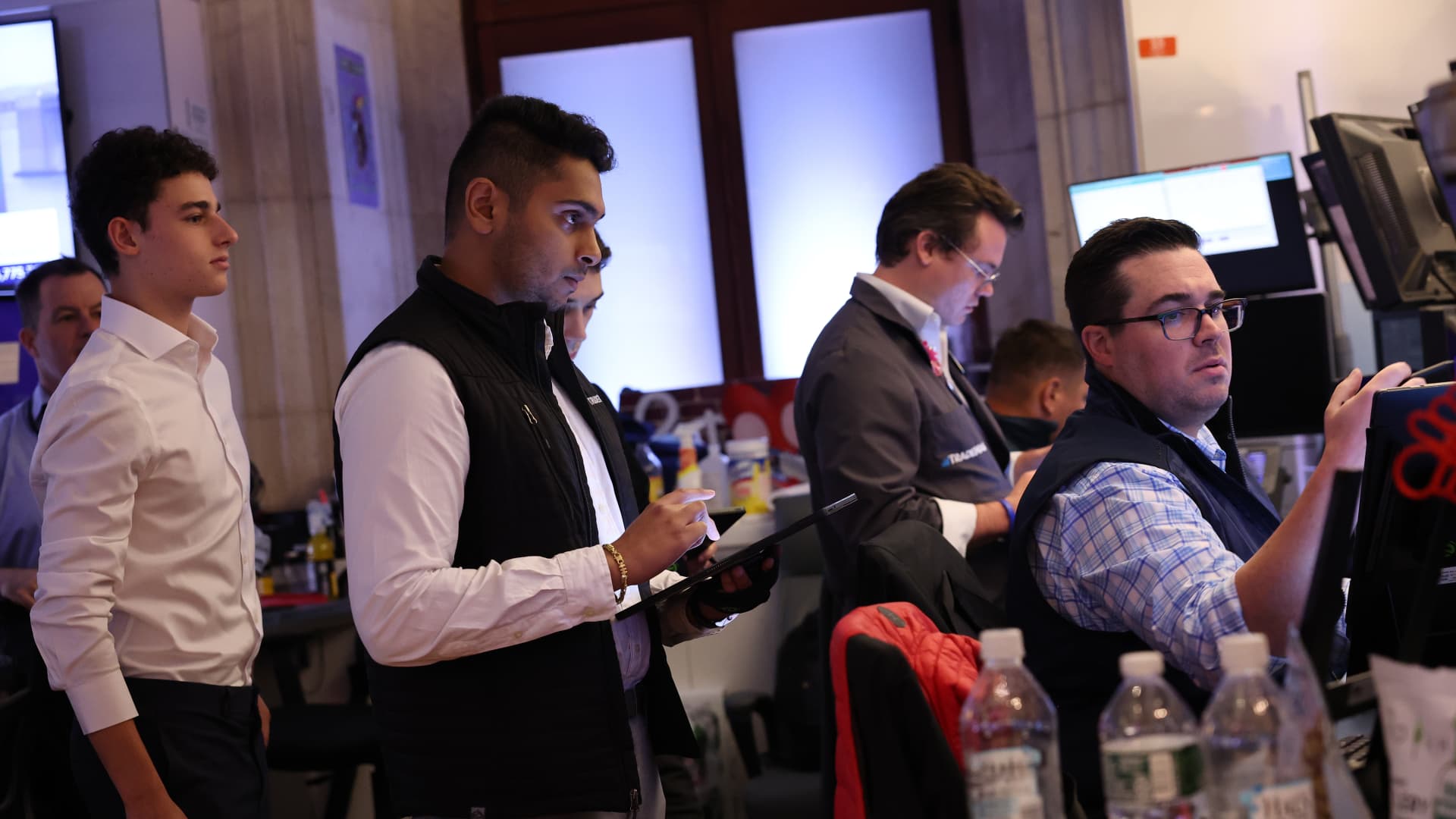
U.S. Major Banks Pass Stress Tests, Boost Dividends


- Stress Test Results: The 32 largest U.S. banks passed the Federal Reserve's stress tests, demonstrating their ability to absorb nearly $708 billion in losses, which enhances market confidence in the banking sector.
- Dividend Increases: Following the test results, banks like JPMorgan Chase, Goldman Sachs, and Wells Fargo raised their dividends, indicating their capacity to return capital to investors even under economic stress, likely attracting more investor interest in bank stocks.
- Share Buyback Plans: JPMorgan Chase initiated a $50 million share buyback, while Morgan Stanley launched a $20 million repurchase plan, which will reduce the number of outstanding shares, thereby boosting earnings per share and further driving up stock prices.
- Optimistic Market Outlook: With second-quarter earnings reports approaching, the banking sector is expected to perform strongly, particularly given record investment banking revenues, which should drive stock prices higher and attract more investors.
See More
Federal Reserve Annual Stress Test Results
- Stress Test Success: The Federal Reserve's annual stress test revealed that the 32 largest U.S. banks could absorb nearly $708 billion in losses during a hypothetical severe recession, indicating strong capital adequacy and the ability to continue lending, thereby bolstering market confidence in the banking system.
- Capital Ratio Dynamics: Under the hypothetical recession scenario, the aggregate common equity tier 1 (CET1) capital ratio of these banks fell from 12.8% in Q4 2025 to 11.2%, yet remained above regulatory minimums, recovering to 12.7%, showcasing the banks' resilience and recovery capacity.
- Dividends and Buybacks: Following the stress test results, major banks like JPMorgan Chase and Wells Fargo announced dividend increases and initiated share buyback plans, with JPMorgan planning a $50 million buyback, which not only enhances investor returns but also reflects the banks' capital strength and profitability.
- Favorable Investment Timing: This is an opportune time to invest in large banks as most are raising dividends and planning stock buybacks, with second-quarter earnings reports on the horizon; strong performance is expected, especially after a robust Q2 stock market, which could further drive bank stock prices upward.
See More

Analysis of the Importance of Market Capitalization
- Definition of Market Capitalization: Market capitalization is a crucial data point for investors, providing a more accurate comparison of a company's value by considering total stock market value, thus avoiding misleading judgments based solely on stock prices.
- Company Valuation Comparison: Currently, US Bancorp (USB) has a market cap of $95.05 billion, while Williams Cos Inc (WMB) stands at $91.69 billion, illustrating their relative size and market position within the S&P 500 index.
- Impact on Investor Decisions: Market capitalization not only affects a company's ranking among peers but also directly influences which mutual funds and ETFs are willing to hold the stock; for instance, funds focused on large-cap stocks typically only consider companies valued at over $10 billion.
- Market Performance Observation: At Tuesday's closing bell, USB's stock fell about 0.5%, while WMB's dropped approximately 0.9%, indicating differing short-term market reactions to the two companies, which may influence investor holding decisions.
See More
Generational Shift in Family Financial Conversations
- Generational Dialogue Shift: A survey by U.S. Bank and Morning Consult reveals that 62% of Gen Z parents discuss money with their children, compared to only 49% of Baby Boomers, indicating a significant shift in family financial education practices.
- Emphasis on Early Education: Nearly two-thirds of parents plan to teach basic financial management concepts before their children turn 12, which not only reflects a commitment to early financial education but also lays a foundation for smarter financial decisions in the next generation.
- Support Tool Gap: Despite recognizing the importance of early financial education, only about half of parents have opened youth bank accounts for their children, with the main barriers being concerns about their child's readiness and a lack of clear starting points.
- Collaborative Innovation: The partnership between U.S. Bank and Greenlight aims to bridge the gap between financial education and practical application by providing structured financial learning tools, thereby enhancing children's financial literacy and understanding.
See More
U.S. Bancorp Receives Overweight Rating
- Rating Analysis: U.S. Bancorp (USB) has received an overweight rating, indicating analysts' optimistic outlook on its future performance, reflecting market confidence in its stable growth.
- Price Target: The average price target set by analysts is $65.95, suggesting significant upside potential compared to the current stock price, which may attract more investor interest.
- Market Reaction: The release of this rating and price target could stimulate demand for U.S. Bancorp shares, potentially driving the stock price up and enhancing investor confidence.
- Investment Strategy: The overweight rating provides a clear buy signal for investors, likely prompting increased capital inflow into the stock, further solidifying its position in the financial sector.
See More
U.S. Bancorp to Release Q2 2026 Earnings on July 16
- Earnings Release Schedule: U.S. Bancorp will announce its Q2 2026 earnings before the market opens on July 16, which is expected to significantly impact investors and the market.
- Executive Conference Call: CEO Gunjan Kedia and CFO John Stern will host a conference call at 7 a.m. CT to discuss the financial results in detail, enhancing transparency and investor confidence.
- Access Options: Investors can participate via the U.S. Bancorp website or by dialing designated phone numbers, ensuring broad participation and information dissemination.
- Company Background: Headquartered in Minneapolis, U.S. Bancorp is the fifth-largest commercial bank in the U.S., serving 15 million clients with nearly 70,000 employees, showcasing a strong market position and business diversity.
See More
U.S. Major Banks Pass Stress Tests, Boost Dividends
- Stress Test Results: The 32 largest U.S. banks passed the Federal Reserve's stress tests, demonstrating their ability to absorb nearly $708 billion in losses, which enhances market confidence in the banking sector.
- Dividend Increases: Following the test results, banks like JPMorgan Chase, Goldman Sachs, and Wells Fargo raised their dividends, indicating their capacity to return capital to investors even under economic stress, likely attracting more investor interest in bank stocks.
- Share Buyback Plans: JPMorgan Chase initiated a $50 million share buyback, while Morgan Stanley launched a $20 million repurchase plan, which will reduce the number of outstanding shares, thereby boosting earnings per share and further driving up stock prices.
- Optimistic Market Outlook: With second-quarter earnings reports approaching, the banking sector is expected to perform strongly, particularly given record investment banking revenues, which should drive stock prices higher and attract more investors.
See More
Federal Reserve Annual Stress Test Results
- Stress Test Success: The Federal Reserve's annual stress test revealed that the 32 largest U.S. banks could absorb nearly $708 billion in losses during a hypothetical severe recession, indicating strong capital adequacy and the ability to continue lending, thereby bolstering market confidence in the banking system.
- Capital Ratio Dynamics: Under the hypothetical recession scenario, the aggregate common equity tier 1 (CET1) capital ratio of these banks fell from 12.8% in Q4 2025 to 11.2%, yet remained above regulatory minimums, recovering to 12.7%, showcasing the banks' resilience and recovery capacity.
- Dividends and Buybacks: Following the stress test results, major banks like JPMorgan Chase and Wells Fargo announced dividend increases and initiated share buyback plans, with JPMorgan planning a $50 million buyback, which not only enhances investor returns but also reflects the banks' capital strength and profitability.
- Favorable Investment Timing: This is an opportune time to invest in large banks as most are raising dividends and planning stock buybacks, with second-quarter earnings reports on the horizon; strong performance is expected, especially after a robust Q2 stock market, which could further drive bank stock prices upward.
See More
Analysis of the Importance of Market Capitalization
- Definition of Market Capitalization: Market capitalization is a crucial data point for investors, providing a more accurate comparison of a company's value by considering total stock market value, thus avoiding misleading judgments based solely on stock prices.
- Company Valuation Comparison: Currently, US Bancorp (USB) has a market cap of $95.05 billion, while Williams Cos Inc (WMB) stands at $91.69 billion, illustrating their relative size and market position within the S&P 500 index.
- Impact on Investor Decisions: Market capitalization not only affects a company's ranking among peers but also directly influences which mutual funds and ETFs are willing to hold the stock; for instance, funds focused on large-cap stocks typically only consider companies valued at over $10 billion.
- Market Performance Observation: At Tuesday's closing bell, USB's stock fell about 0.5%, while WMB's dropped approximately 0.9%, indicating differing short-term market reactions to the two companies, which may influence investor holding decisions.
See More
Generational Shift in Family Financial Conversations
- Generational Dialogue Shift: A survey by U.S. Bank and Morning Consult reveals that 62% of Gen Z parents discuss money with their children, compared to only 49% of Baby Boomers, indicating a significant shift in family financial education practices.
- Emphasis on Early Education: Nearly two-thirds of parents plan to teach basic financial management concepts before their children turn 12, which not only reflects a commitment to early financial education but also lays a foundation for smarter financial decisions in the next generation.
- Support Tool Gap: Despite recognizing the importance of early financial education, only about half of parents have opened youth bank accounts for their children, with the main barriers being concerns about their child's readiness and a lack of clear starting points.
- Collaborative Innovation: The partnership between U.S. Bank and Greenlight aims to bridge the gap between financial education and practical application by providing structured financial learning tools, thereby enhancing children's financial literacy and understanding.
See More




