JBS USA Reaches New Agreement with UFCW Local 7
JBS USA announced Sunday that it has reached a new collective bargaining agreement with UFCW Local 7, allowing the Greeley beef production facility to return to normal operations and providing team members with clarity and stability after weeks of uncertainty. The agreement, which runs through April 2028, reflects the same economic framework JBS USA presented in its Last, Best and Final offer-an offer that remained unchanged economically throughout the bargaining process. While JBS USA is pleased that an agreement has finally been reached, the company expressed disappointment that UFCW Local 7 leadership chose to eliminate the historic pension benefit that was part of the national agreement negotiated last year in partnership with UFCW International. The company is relieved to move forward and restore stability for team members. At the same time, JBS USA strongly disagrees with Local 7 leadership's decision to forgo the historic pension that was secured for workers at other major JBS facilities across the country. The pension was designed in partnership with UFCW International to strengthen long-term retirement security for the workforce. Instead, Local 7 chose to shift those dollars into short-term wage increases-an approach that appears to prioritize the Local 7 leadership's immediate agenda over the long-term financial future of team members. As part of the agreement, Local 7 is also withdrawing seven alleged unfair labor practice charges-further underscoring that this was a strike about the economics of the deal, not to stop ULPs as the union repeatedly claimed. Despite this, Local 7 continued to make public statements that did not reflect the facts and contributed to unnecessary confusion among team members. The strike ultimately ended without any major changes to the company's offer, and the final agreement remains entirely within the economic framework JBS USA presented months ago, with no economic terms added or expanded from the company's Last, Best and Final offer. Instead, UFCW Local 7 opted to reallocate pension contributions to wages.
Trade with 70% Backtested Accuracy
Analyst Views on JBS

About JBS
About the author

JBS Reaches Agreement to End Workers' Strike at Meatpacking Plant


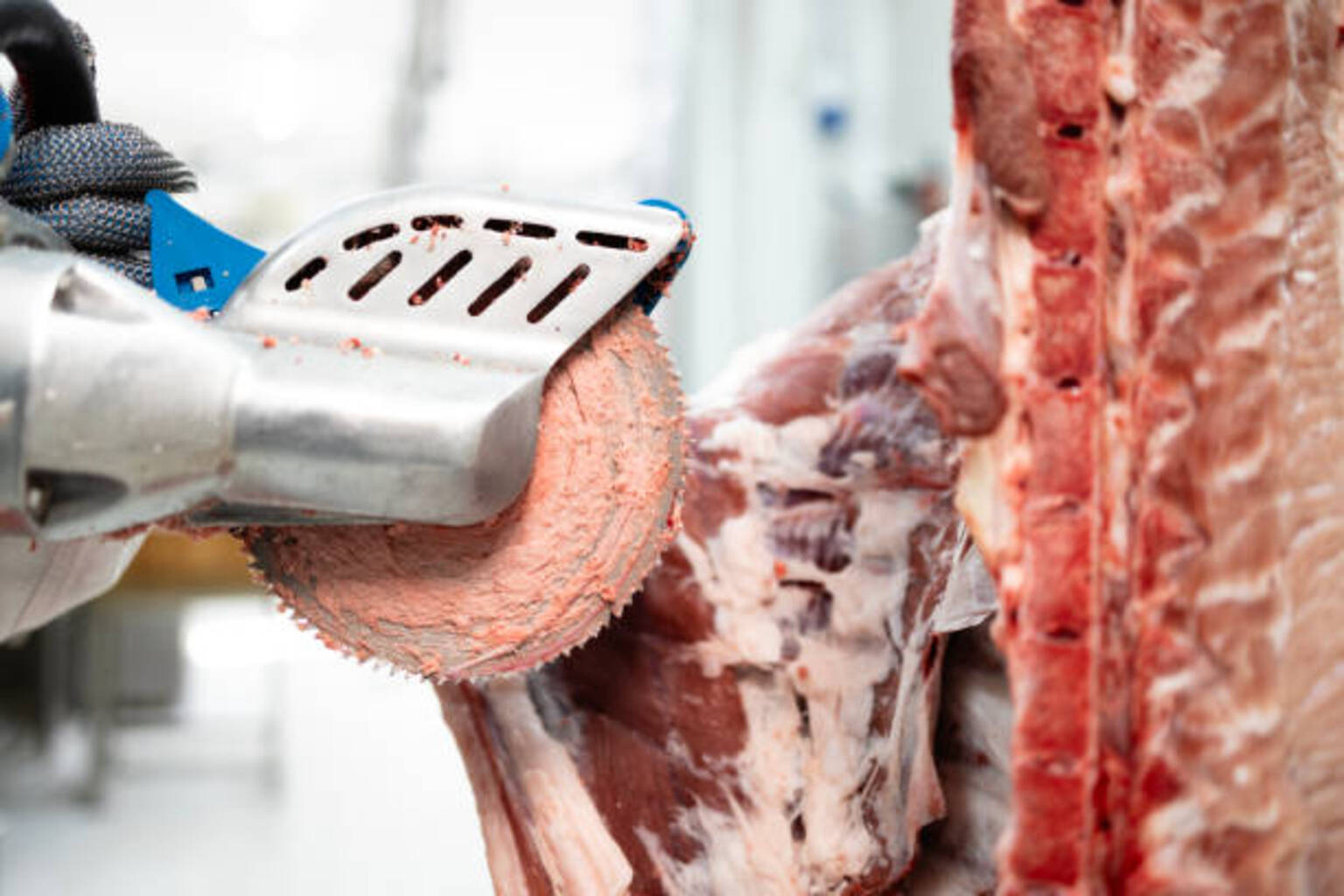
- Strike Conclusion: After a three-week strike, JBS USA reached an agreement with the union, allowing the Swift Beef Co. plant to resume normal operations immediately, thereby ensuring production continuity and employee stability after weeks of uncertainty.
- Wage Increases: The agreement includes wage increases over the next two years and a one-time bonus of $750 for workers, which not only enhances employees' living standards but may also boost their morale and loyalty to the company.
- Contract Details: The union stated that the agreement includes 'all gains, countless improvements, and not a single concession,' indicating a significant victory for workers and enhancing the union's bargaining power within the industry.
- Industry Impact: This agreement by JBS USA could influence wage standards and labor conditions across the meatpacking industry, prompting other companies to adopt more proactive measures in response to similar union demands.
JBS Workers to Return After Strike Agreement with Union
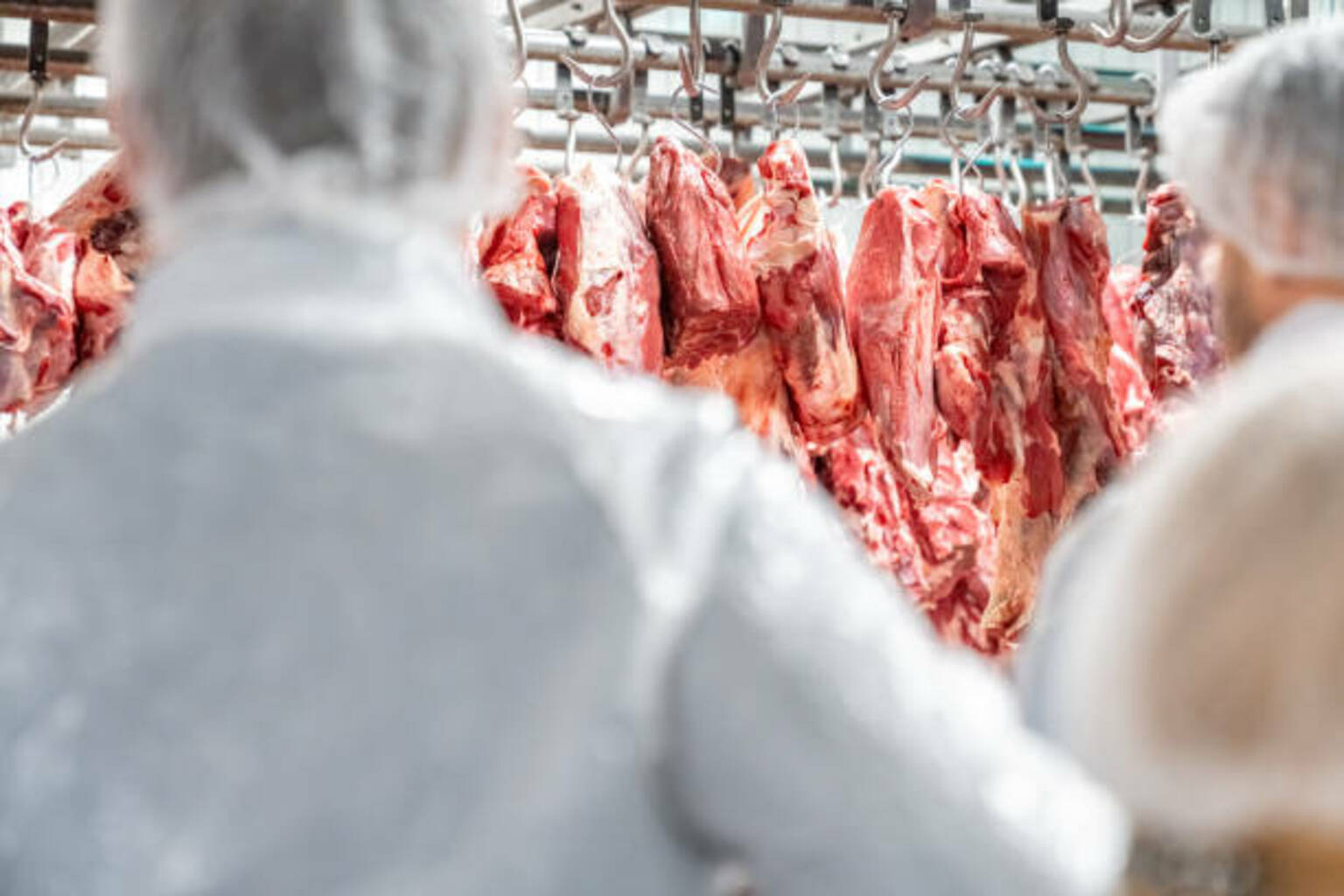
- Workers Return: Following an agreement with union leaders, JBS USA workers will return to the Swift Beef facility in Greeley, Colorado, on Tuesday morning after a three-week strike, demonstrating their unity despite ongoing negotiations.
- Negotiations Resumed: JBS indicated it is preparing to resume and ramp up operations at the Greeley plant, although the union president emphasized that workers will continue to fight for higher wages and better health benefits, highlighting the complexity of future talks.
- Industry Impact: The Greeley facility accounts for approximately 6% of U.S. beef processing capacity, and prolonged disruptions could pose a risk to supply, especially against the backdrop of rising beef prices and tight cattle supplies, leading to increased cost pressures for consumers.
- Historic Strike: This strike marks the first at a U.S. slaughterhouse since a prolonged labor dispute at a Hormel plant in 1985, potentially carrying broader implications for labor relations across the meatpacking sector as producers navigate tight supply conditions and rising costs.

Analysis of EMXC ETF Price Performance

- Price Range Analysis: EMXC's 52-week low is $49.60 per share, with a high of $88.87, and the latest trade at $77.81 indicates significant volatility and market performance over the past year.
- Technical Analysis Tool: Comparing the latest share price to the 200-day moving average provides investors with valuable insights for technical analysis, aiding in market trend assessment and potential buying opportunities.
- ETF Unit Trading Mechanism: ETFs trade like stocks, where investors buy and sell 'units' that can be created or destroyed based on investor demand, impacting liquidity and market performance.
- Liquidity Monitoring: Weekly monitoring of changes in shares outstanding helps identify notable inflows or outflows, where inflows necessitate purchasing underlying assets, while outflows may lead to selling, thus affecting the ETF's components.

JBS (JBS) Q4 2025 Earnings Call Transcript

JBS of Brazil Secures $2 Billion Through Bond Issuance Maturing in 2037 and 2057 - Regulatory Filing
- Brazil's Bond Sale: Brazil's JBSS raised $2 billion through a bond sale, with maturities set for 2037 and 2057.
- Financial Strategy: The bond issuance is part of Brazil's broader financial strategy to manage its debt and attract foreign investment.
JBS INITIATES $2 BILLION BOND OFFERING SET TO MATURE IN 2037 AND 2057 - IFR
Bond Issuance Announcement: JBS has announced the issuance of $2 billion in bonds.
Maturity Dates: The bonds are set to mature in 2037 and 2057.
JBS Reaches Agreement to End Workers' Strike at Meatpacking Plant
- Strike Conclusion: After a three-week strike, JBS USA reached an agreement with the union, allowing the Swift Beef Co. plant to resume normal operations immediately, thereby ensuring production continuity and employee stability after weeks of uncertainty.
- Wage Increases: The agreement includes wage increases over the next two years and a one-time bonus of $750 for workers, which not only enhances employees' living standards but may also boost their morale and loyalty to the company.
- Contract Details: The union stated that the agreement includes 'all gains, countless improvements, and not a single concession,' indicating a significant victory for workers and enhancing the union's bargaining power within the industry.
- Industry Impact: This agreement by JBS USA could influence wage standards and labor conditions across the meatpacking industry, prompting other companies to adopt more proactive measures in response to similar union demands.
JBS Workers to Return After Strike Agreement with Union
- Workers Return: Following an agreement with union leaders, JBS USA workers will return to the Swift Beef facility in Greeley, Colorado, on Tuesday morning after a three-week strike, demonstrating their unity despite ongoing negotiations.
- Negotiations Resumed: JBS indicated it is preparing to resume and ramp up operations at the Greeley plant, although the union president emphasized that workers will continue to fight for higher wages and better health benefits, highlighting the complexity of future talks.
- Industry Impact: The Greeley facility accounts for approximately 6% of U.S. beef processing capacity, and prolonged disruptions could pose a risk to supply, especially against the backdrop of rising beef prices and tight cattle supplies, leading to increased cost pressures for consumers.
- Historic Strike: This strike marks the first at a U.S. slaughterhouse since a prolonged labor dispute at a Hormel plant in 1985, potentially carrying broader implications for labor relations across the meatpacking sector as producers navigate tight supply conditions and rising costs.
Analysis of EMXC ETF Price Performance
- Price Range Analysis: EMXC's 52-week low is $49.60 per share, with a high of $88.87, and the latest trade at $77.81 indicates significant volatility and market performance over the past year.
- Technical Analysis Tool: Comparing the latest share price to the 200-day moving average provides investors with valuable insights for technical analysis, aiding in market trend assessment and potential buying opportunities.
- ETF Unit Trading Mechanism: ETFs trade like stocks, where investors buy and sell 'units' that can be created or destroyed based on investor demand, impacting liquidity and market performance.
- Liquidity Monitoring: Weekly monitoring of changes in shares outstanding helps identify notable inflows or outflows, where inflows necessitate purchasing underlying assets, while outflows may lead to selling, thus affecting the ETF's components.
JBS (JBS) Q4 2025 Earnings Call Transcript
JBS of Brazil Secures $2 Billion Through Bond Issuance Maturing in 2037 and 2057 - Regulatory Filing
- Brazil's Bond Sale: Brazil's JBSS raised $2 billion through a bond sale, with maturities set for 2037 and 2057.
- Financial Strategy: The bond issuance is part of Brazil's broader financial strategy to manage its debt and attract foreign investment.
JBS INITIATES $2 BILLION BOND OFFERING SET TO MATURE IN 2037 AND 2057 - IFR
Bond Issuance Announcement: JBS has announced the issuance of $2 billion in bonds.
Maturity Dates: The bonds are set to mature in 2037 and 2057.