Italy's April New Car Registrations Rise 11.6% YoY
Written by Emily J. Thompson, Senior Investment Analyst
Updated: 1 hour ago
0mins
Should l Buy TSLA?
Source: Newsfilter
- Market Growth Trend: New car registrations in Italy rose by 11.6% year-on-year in April to 155,210 vehicles, indicating signs of recovery in the automotive market, which is expected to drive growth across the related supply chain.
- Annual Performance Improvement: From January to April 2023, registrations increased by 9.8% year-on-year to 640,083 units, suggesting sustained consumer demand that may prompt automakers to ramp up production to meet market needs.
- Stellantis Market Leadership: As the market leader in Italy, Stellantis saw a 14.4% increase in sales in April, achieving a market share of 31.25%, which not only solidifies its market position but may also attract more investor interest in its future growth.
- Strong Rise of Chinese Brands: BYD and Chery reported year-on-year sales increases of 171.7% and 310.8% respectively in April, showcasing the strong competitiveness of Chinese automotive brands in the Italian market, which could alter market dynamics and influence local brands' sales strategies.
Trade with 70% Backtested Accuracy
Stop guessing "Should I Buy TSLA?" and start using high-conviction signals backed by rigorous historical data.
Sign up today to access powerful investing tools and make smarter, data-driven decisions.
Analyst Views on TSLA
Wall Street analysts forecast TSLA stock price to rise
30 Analyst Rating
12 Buy
11 Hold
7 Sell
Hold
Current: 390.820

Low
25.28
Averages
401.93
High
600.00
Current: 390.820
Low
25.28
Averages
401.93
High
600.00
About TSLA
Tesla, Inc. designs, develops, manufactures, sells and leases high-performance fully electric vehicles and energy generation and storage systems, and offers services related to its products. Its segments include automotive, and energy generation and storage. The automotive segment includes the design, development, manufacturing, sales and leasing of high-performance fully electric vehicles, and sales of automotive regulatory credits. It also includes sales of used vehicles, non-warranty maintenance services and collisions, part sales, paid supercharging, insurance services revenue and retail merchandise sales. The energy generation and storage segment include the design, manufacture, installation, sales and leasing of solar energy generation and energy storage products and related services and sales of solar energy systems incentives. Its consumer vehicles include the Model 3, Y, S, X and Cybertruck. Its lithium-ion battery energy storage products include Powerwall and Megapack.
About the author

Emily J. Thompson
Emily J. Thompson, a Chartered Financial Analyst (CFA) with 12 years in investment research, graduated with honors from the Wharton School. Specializing in industrial and technology stocks, she provides in-depth analysis for Intellectia’s earnings and market brief reports.
SpaceX IPO Could Trigger Immediate Passive Fund Inflows

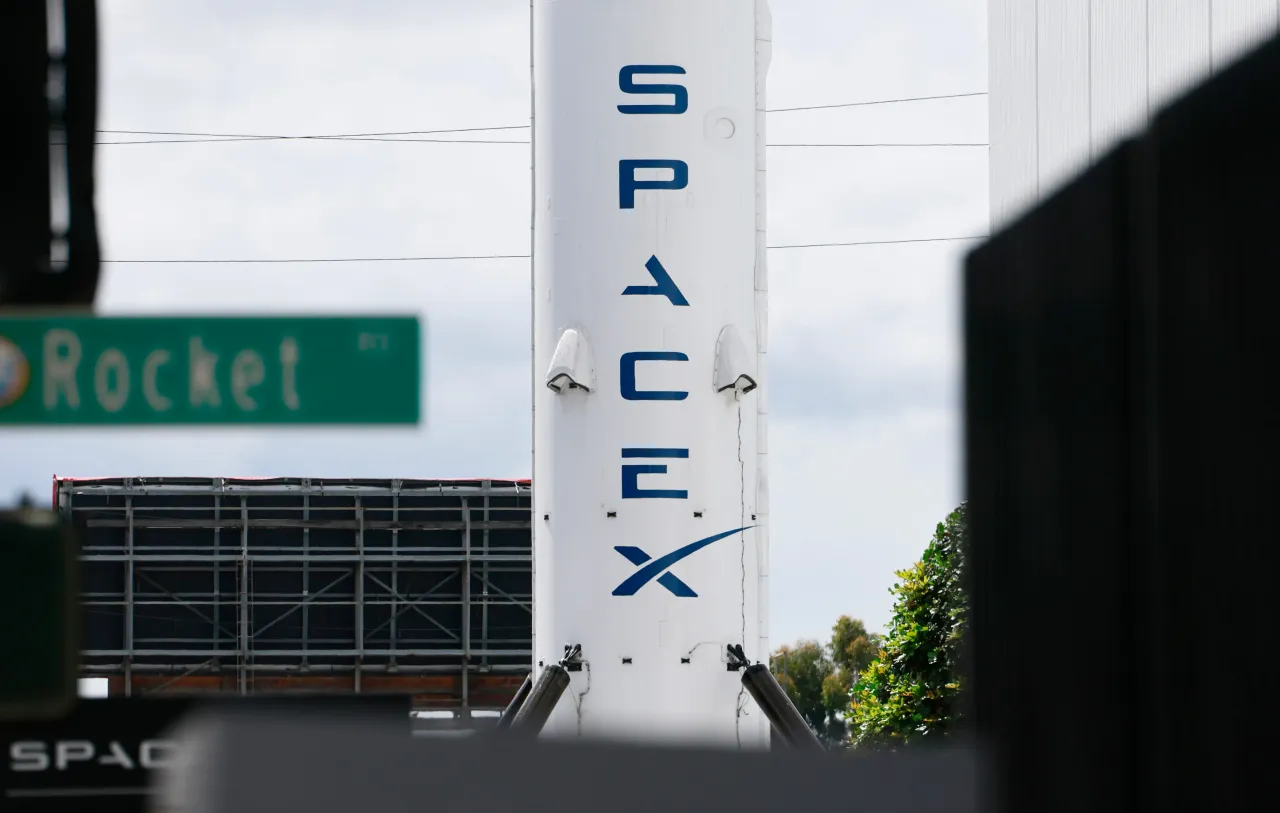
- Surge in Passive Demand: The anticipated SpaceX IPO is expected to list on Nasdaq in late June 2026 with a market cap of approximately $1.75 trillion, and Nasdaq's new rules allowing top IPOs to enter the Nasdaq-100 within 15 trading days could lead to rapid passive fund inflows, with an estimated $8 billion to $12 billion in shares needed post-listing.
- Liquidity Conditions Impact: With an initial float expected between 8% and 18% and around 30% of shares allocated to retail investors, early demand could be amplified, particularly as the close relationship between Tesla and SpaceX allows holders of both to benefit from the inflows.
- Index Changes Driving Demand: Adjustments by FTSE Russell and CRSP indices could further enhance demand for SpaceX, with FTSE Russell benchmarks potentially contributing $10 billion to $15 billion, while CRSP indices could add another $15 billion to $25 billion based on float-adjusted weighting, creating robust market support.
- Market Reaction Expectations: With rule changes from Nasdaq, S&P, and FTSE Russell, the SpaceX IPO could trigger one of the fastest passive buying events in history, despite retail sentiment for SpaceX remaining bearish, institutional demand is expected to dominate market movements.
See More
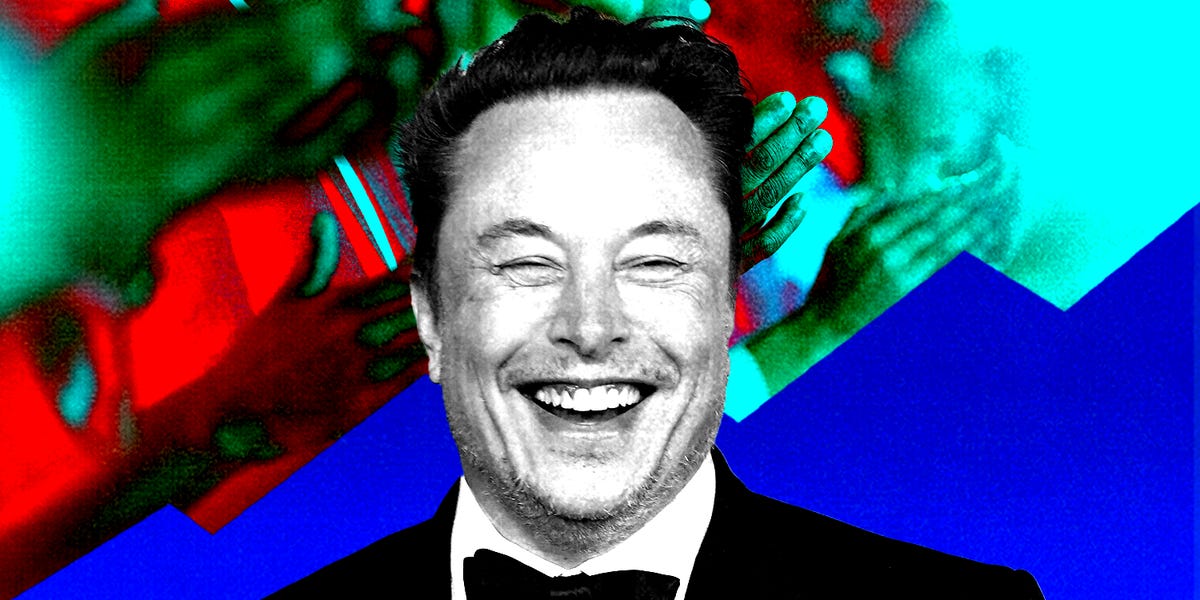
Italy's April New Car Registrations Rise 11.6% YoY
- Market Growth Trend: New car registrations in Italy rose by 11.6% year-on-year in April to 155,210 vehicles, indicating signs of recovery in the automotive market, which is expected to drive growth across the related supply chain.
- Annual Performance Improvement: From January to April 2023, registrations increased by 9.8% year-on-year to 640,083 units, suggesting sustained consumer demand that may prompt automakers to ramp up production to meet market needs.
- Stellantis Market Leadership: As the market leader in Italy, Stellantis saw a 14.4% increase in sales in April, achieving a market share of 31.25%, which not only solidifies its market position but may also attract more investor interest in its future growth.
- Strong Rise of Chinese Brands: BYD and Chery reported year-on-year sales increases of 171.7% and 310.8% respectively in April, showcasing the strong competitiveness of Chinese automotive brands in the Italian market, which could alter market dynamics and influence local brands' sales strategies.
See More
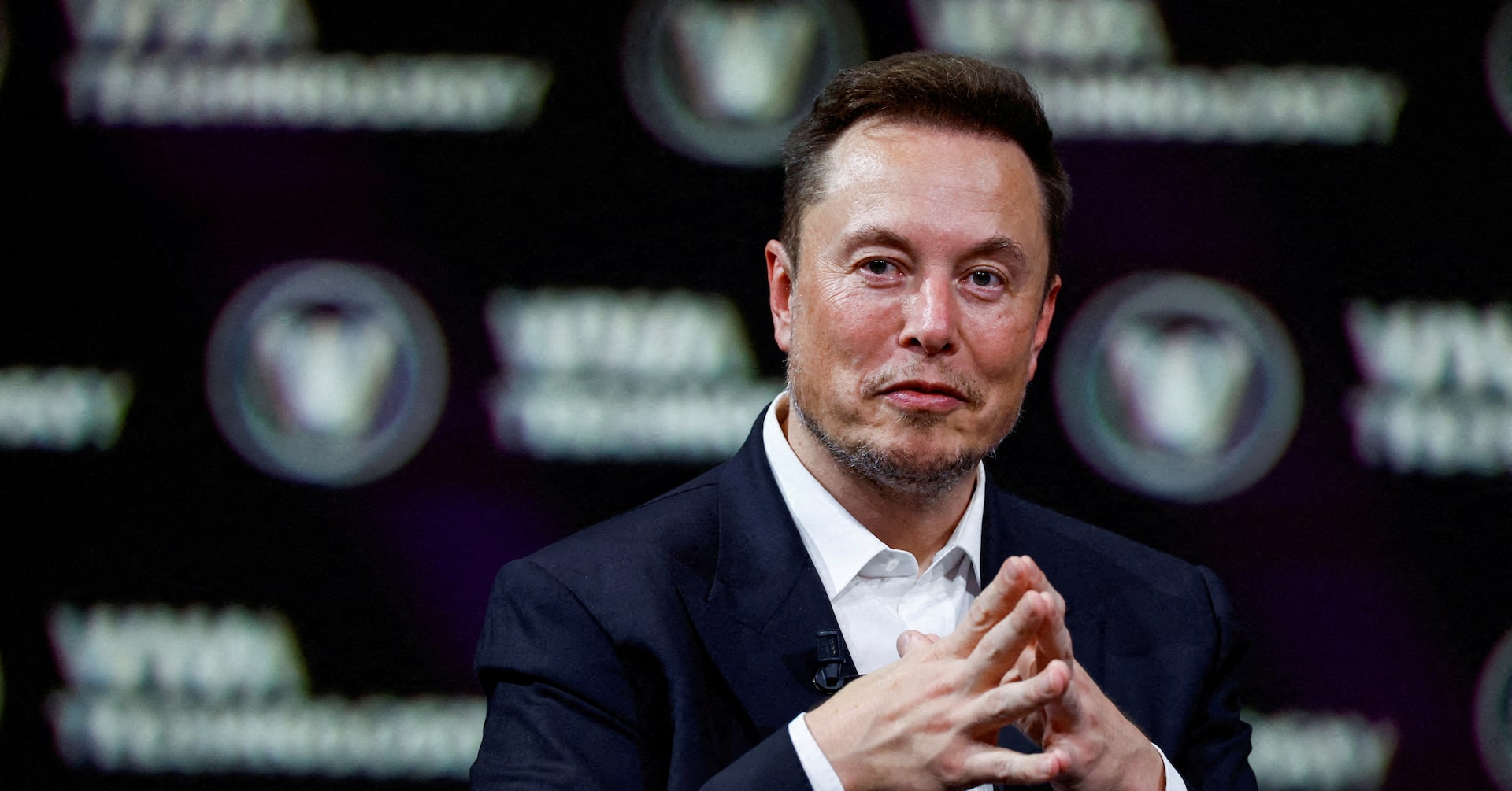
Tesla Car Registrations in Portugal Drop 32.8% Year-on-Year in April, Rise 19.7% from January to April - ACAP Data
- Decline in Registrations: Portugal's new registrations of Tesla cars fell by 32.8% year-over-year in April.
- Increase in Previous Months: However, there was a 19.7% increase in registrations from January to April.
See More
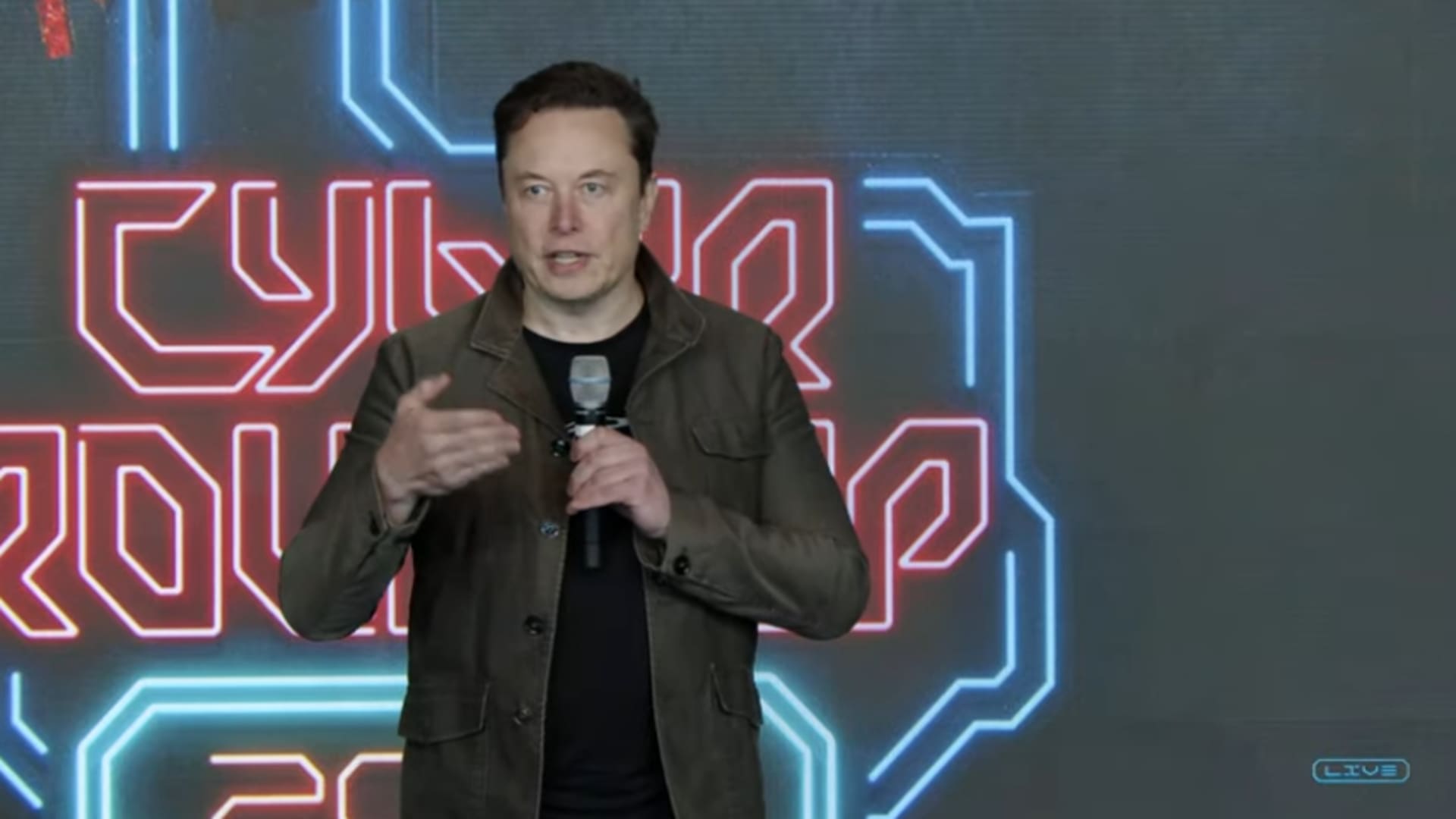
Tesla's Registrations Surge in European Markets
- Market Recovery: Tesla's registrations in European markets saw a significant rebound in April, with Sweden, France, and Denmark reporting increases of 111%, 112%, and 102% respectively, indicating rising consumer interest in electric vehicles amid soaring fuel prices due to the Iran war.
- Competitive Pressure: Despite the substantial growth in registrations across several markets, Tesla lost nearly half of its European market share in 2025, primarily due to increasing competition, a lack of new models, and backlash against CEO Elon Musk's political stance, posing challenges for the company's long-term strategy.
- Volatility Factors: Industry experts highlight that the volatility in registration data is closely tied to the transportation methods of vehicles from production sites, with ocean freight potentially leading to unstable deliveries, thus affecting the accuracy of registration figures and reflecting the market's complexity.
- EV Market Share: In the first quarter of 2026, the share of battery electric vehicles (BEVs) in new car registrations in Europe rose to 20.5%, up from 13.2% a year earlier, and is expected to continue edging toward 25% in the coming months, showcasing the strong growth potential of the electric vehicle market.
See More
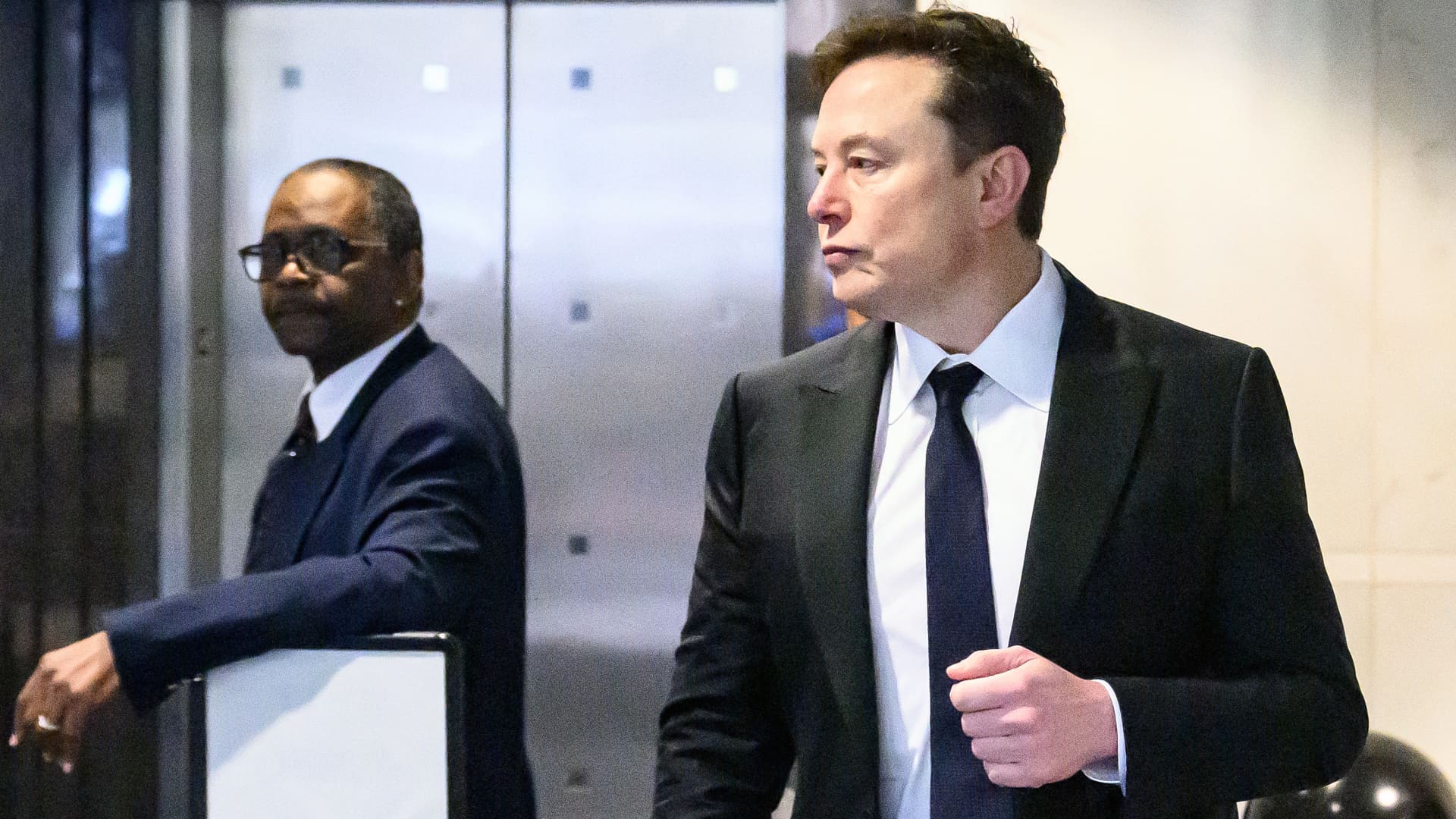
Elon Musk's Lawsuit Against OpenAI Progresses
- Lawsuit Background: Elon Musk filed a lawsuit against OpenAI and its executives in 2024, alleging they violated commitments to maintain a nonprofit status, claiming his $38 million early donations were misused for commercial purposes, which undermined the company's charitable mission.
- Trial Developments: During the first week of the trial, Musk accused Altman and Brockman of attempting to 'steal a charity' and emphasized that OpenAI began commercializing after his departure from the board, now valued at over $850 billion, indicating a significant deviation from his original vision.
- Settlement Attempts: Two days before the trial, Musk texted OpenAI president Brockman to discuss a potential settlement, with Brockman suggesting both sides drop their claims, to which Musk responded with threats, indicating the high tension between the parties involved.
- Evidence Controversy: OpenAI's lawyers plan to submit Musk's text as evidence, arguing it demonstrates Musk's motivation to attack a competitor, which could influence the trial's direction and public perception.
See More

Tesla Model X Becomes Fastest-Selling Used Car in the U.S.
- Sales Velocity Surge: The Tesla Model X has emerged as the fastest-selling used car in the U.S., averaging just 25.6 days to sell, significantly quicker than typical used vehicles, indicating sustained consumer preference for the Tesla brand.
- Price Advantage Realized: Once priced in the six-figure range, used Model X vehicles are now available at much lower prices, allowing consumers to access Tesla's performance, range, and charging benefits without the new-car price tag, thereby attracting price-sensitive buyers.
- Strong Performance of Other Models: In addition to the Model X, other Tesla models like the Cybertruck and Model Y are also moving quickly in the used market, suggesting that EV demand has not vanished but has shifted towards more value-oriented options, reflecting changing market dynamics.
- Investor Confidence Challenge: This trend indicates that Tesla's brand still holds significant appeal, even as buyers become more price-conscious, with the next critical question being whether the performance in the used market can bolster broader investor confidence in Tesla's demand.
See More
SpaceX IPO Could Trigger Immediate Passive Fund Inflows
- Surge in Passive Demand: The anticipated SpaceX IPO is expected to list on Nasdaq in late June 2026 with a market cap of approximately $1.75 trillion, and Nasdaq's new rules allowing top IPOs to enter the Nasdaq-100 within 15 trading days could lead to rapid passive fund inflows, with an estimated $8 billion to $12 billion in shares needed post-listing.
- Liquidity Conditions Impact: With an initial float expected between 8% and 18% and around 30% of shares allocated to retail investors, early demand could be amplified, particularly as the close relationship between Tesla and SpaceX allows holders of both to benefit from the inflows.
- Index Changes Driving Demand: Adjustments by FTSE Russell and CRSP indices could further enhance demand for SpaceX, with FTSE Russell benchmarks potentially contributing $10 billion to $15 billion, while CRSP indices could add another $15 billion to $25 billion based on float-adjusted weighting, creating robust market support.
- Market Reaction Expectations: With rule changes from Nasdaq, S&P, and FTSE Russell, the SpaceX IPO could trigger one of the fastest passive buying events in history, despite retail sentiment for SpaceX remaining bearish, institutional demand is expected to dominate market movements.
See More
Italy's April New Car Registrations Rise 11.6% YoY
- Market Growth Trend: New car registrations in Italy rose by 11.6% year-on-year in April to 155,210 vehicles, indicating signs of recovery in the automotive market, which is expected to drive growth across the related supply chain.
- Annual Performance Improvement: From January to April 2023, registrations increased by 9.8% year-on-year to 640,083 units, suggesting sustained consumer demand that may prompt automakers to ramp up production to meet market needs.
- Stellantis Market Leadership: As the market leader in Italy, Stellantis saw a 14.4% increase in sales in April, achieving a market share of 31.25%, which not only solidifies its market position but may also attract more investor interest in its future growth.
- Strong Rise of Chinese Brands: BYD and Chery reported year-on-year sales increases of 171.7% and 310.8% respectively in April, showcasing the strong competitiveness of Chinese automotive brands in the Italian market, which could alter market dynamics and influence local brands' sales strategies.
See More
Tesla Car Registrations in Portugal Drop 32.8% Year-on-Year in April, Rise 19.7% from January to April - ACAP Data
- Decline in Registrations: Portugal's new registrations of Tesla cars fell by 32.8% year-over-year in April.
- Increase in Previous Months: However, there was a 19.7% increase in registrations from January to April.
See More
Tesla's Registrations Surge in European Markets
- Market Recovery: Tesla's registrations in European markets saw a significant rebound in April, with Sweden, France, and Denmark reporting increases of 111%, 112%, and 102% respectively, indicating rising consumer interest in electric vehicles amid soaring fuel prices due to the Iran war.
- Competitive Pressure: Despite the substantial growth in registrations across several markets, Tesla lost nearly half of its European market share in 2025, primarily due to increasing competition, a lack of new models, and backlash against CEO Elon Musk's political stance, posing challenges for the company's long-term strategy.
- Volatility Factors: Industry experts highlight that the volatility in registration data is closely tied to the transportation methods of vehicles from production sites, with ocean freight potentially leading to unstable deliveries, thus affecting the accuracy of registration figures and reflecting the market's complexity.
- EV Market Share: In the first quarter of 2026, the share of battery electric vehicles (BEVs) in new car registrations in Europe rose to 20.5%, up from 13.2% a year earlier, and is expected to continue edging toward 25% in the coming months, showcasing the strong growth potential of the electric vehicle market.
See More
Elon Musk's Lawsuit Against OpenAI Progresses
- Lawsuit Background: Elon Musk filed a lawsuit against OpenAI and its executives in 2024, alleging they violated commitments to maintain a nonprofit status, claiming his $38 million early donations were misused for commercial purposes, which undermined the company's charitable mission.
- Trial Developments: During the first week of the trial, Musk accused Altman and Brockman of attempting to 'steal a charity' and emphasized that OpenAI began commercializing after his departure from the board, now valued at over $850 billion, indicating a significant deviation from his original vision.
- Settlement Attempts: Two days before the trial, Musk texted OpenAI president Brockman to discuss a potential settlement, with Brockman suggesting both sides drop their claims, to which Musk responded with threats, indicating the high tension between the parties involved.
- Evidence Controversy: OpenAI's lawyers plan to submit Musk's text as evidence, arguing it demonstrates Musk's motivation to attack a competitor, which could influence the trial's direction and public perception.
See More
Tesla Model X Becomes Fastest-Selling Used Car in the U.S.
- Sales Velocity Surge: The Tesla Model X has emerged as the fastest-selling used car in the U.S., averaging just 25.6 days to sell, significantly quicker than typical used vehicles, indicating sustained consumer preference for the Tesla brand.
- Price Advantage Realized: Once priced in the six-figure range, used Model X vehicles are now available at much lower prices, allowing consumers to access Tesla's performance, range, and charging benefits without the new-car price tag, thereby attracting price-sensitive buyers.
- Strong Performance of Other Models: In addition to the Model X, other Tesla models like the Cybertruck and Model Y are also moving quickly in the used market, suggesting that EV demand has not vanished but has shifted towards more value-oriented options, reflecting changing market dynamics.
- Investor Confidence Challenge: This trend indicates that Tesla's brand still holds significant appeal, even as buyers become more price-conscious, with the next critical question being whether the performance in the used market can bolster broader investor confidence in Tesla's demand.
See More