Is the Warner Bros. Story Coming to a Close? Insiders Offload Over $200M in Shares

Acquisition Update: Paramount SkyDance has increased its bid for Warner Bros. Discovery (WBD) to $31 per share, while Netflix has dropped its bid for WBD's streaming and studio assets, leaving Paramount as the victor in the acquisition battle.
Shareholder Decisions: WBD shareholders are faced with two options: sell their shares now or hold onto them to capture the difference between the current price and the deal value, which could yield a return of approximately 13%.
Insider Selling Trends: In March, WBD insiders sold over $200 million worth of stock, indicating a significant uptick in insider selling compared to previous months, with notable sales from CEO David Zaslav and other executives.
Future Considerations: The deal between Paramount and WBD is expected to close by the end of September 2026, pending regulatory approvals, with potential returns for shareholders being a key factor in their investment decisions moving forward.
Trade with 70% Backtested Accuracy
Analyst Views on WBD

About WBD
About the author


Hollywood Faces Challenges in Chinese Market


- Market Decline: Hollywood's box office revenue in China has significantly decreased, with nine U.S. films surpassing $100 million in 2019, while only ten films have achieved this milestone in the past five years, indicating a waning market appeal.
- Policy Restrictions: The U.S.-China film agreement ended in 2017, leading to strict scrutiny and limitations on the distribution of American films in China, particularly when local films perform well, which restricts foreign film access.
- Cultural Differences: Popular U.S. intellectual properties do not guarantee success in China; for instance, the Star Wars franchise failed to resonate due to a lack of audience familiarity, highlighting the absence of cultural connection.
- Future Outlook: Despite challenges, several Hollywood films are set for release in China, including The Super Mario Galaxy Movie and Toy Story 5, demonstrating Hollywood's commitment to the Chinese market and the potential for significant revenue.

Netflix Raises Prices Again: Implications for Investors


- Price Increase Impact: Netflix has raised prices across all subscription options by $1 to $2, which may not please consumers; however, the company typically retains low churn rates, and this price hike is expected to have a slightly positive impact on financial results.
- Market Competition Strategy: By introducing a low-cost ad-supported tier and charging for password sharing, Netflix has effectively adapted to a competitive landscape, enhancing user growth and revenue, demonstrating its pricing power and market adaptability.
- Content Investment Plans: The company plans to spend $20 billion on content, up from $18 billion last year; while the price hike may not be necessary to cover this increased budget, it could support expansion into new areas like livestreaming and video podcasts.
- User Base and Brand Advantage: With over 325 million paid subscribers expected by the end of 2025, Netflix's strong brand and content library provide an economic moat, allowing it to maintain a competitive edge in the streaming market, making its stock a favorable option for long-term investors.

Netflix Raises Subscription Prices, Potential Revenue Boost Ahead
- Price Increase Impact: Netflix is raising prices across all subscription tiers by $1 to $2, which, while not favorable for consumers, is expected to result in a slight revenue boost, showcasing the company's pricing power in a competitive streaming market.
- User Retention Strategy: Historically, Netflix has managed to retain most of its existing customers while attracting new ones despite price hikes, demonstrating its strong brand equity and extensive content library, a strategy that has proven effective during previous adjustments.
- Content Investment Plans: The company plans to spend $20 billion on content, up from $18 billion last year, indicating that while the price increase isn't solely to cover this budget, it may provide additional flexibility for expansion into new areas like livestreaming and video podcasts.
- Long-Term Investment Appeal: With over 325 million paid subscribers and ongoing opportunities for market expansion, Netflix's stock remains a strong pick for long-term investors, even though it was not included in the latest list of top recommended stocks by analysts.

Analysis of XLC ETF's 52-Week Price Fluctuations


- Price Range Analysis: The XLC ETF's 52-week low is $84.02 per share, with a high of $120.405, while the last trade was at $110.50, indicating relative stability and potential investment appeal in the current market environment.
- Technical Analysis Tool: Comparing the current share price to the 200-day moving average can provide valuable insights for investors, helping them better assess market trends and timing for investments.
- ETF Trading Mechanism: Exchange-traded funds (ETFs) trade similarly to stocks, where investors are buying and selling 'units' that can be created or destroyed based on investor demand, impacting the ETF's liquidity and market performance.
- Inflows and Outflows Monitoring: Weekly monitoring of changes in shares outstanding for ETFs allows for the identification of those experiencing notable inflows (new units created) or outflows (old units destroyed), assessing their impact on underlying assets and market sentiment.

Regional Sports Networks Face Shutdown Crisis


- Decline of Regional Sports Networks: Regional Sports Networks (RSNs) are under unprecedented pressure as consumers shift to streaming, leading to a rapid decline in their business model, which jeopardizes local broadcasts of baseball, basketball, and hockey.
- MLB Takes Over Media Distribution: As the 2026 MLB season commenced, the league announced it would take over media distribution for 14 teams, largely due to the gradual wind-down of Main Street Sports, which has undergone multiple ownership changes since its bankruptcy in 2019.
- Main Street Sports' Struggles: Although Main Street Sports emerged from bankruptcy protection at the end of 2024, it faced another liquidity crisis when MLB rights payments were due, casting uncertainty over the future of its 15 channels.
- Challenges for Independent RSNs: Even independent RSNs airing games for major market teams are experiencing similar financial pressures, as evidenced by MSG Networks' debt restructuring and a two-month blackout, highlighting the industry's overall fragility.
Market Watch: Oil Price Surge and Stock Market Turmoil

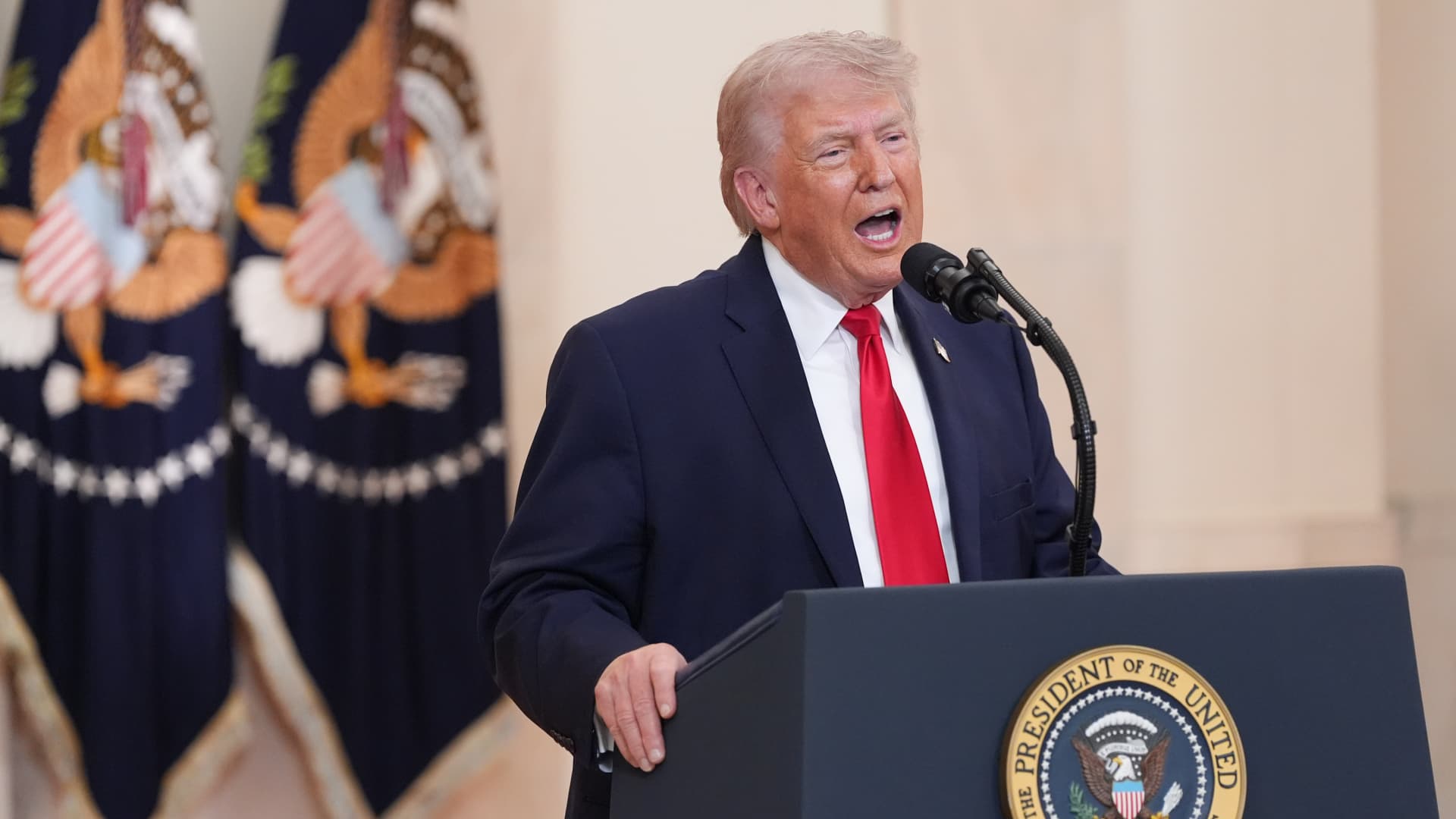
- Oil Price Surge Impact: Following President Trump's address on the Iran war, which raised escalation concerns, U.S. crude benchmark WTI surged 9% to $109 a barrel, putting downward pressure on the stock market and negatively affecting investor sentiment.
- Bank of America Upgrades Vale: Bank of America upgraded Vale from hold to buy, suggesting that now is an attractive entry point for investors in the iron ore producer, despite Vale's stock dropping nearly 7% since the Iran conflict began, while iron ore prices have risen about 8%.
- Wix's Outlook Downgraded: UBS downgraded Wix from buy to hold, with analysts believing its 2026 outlook indicates a slowdown in core business growth from 12% last year to 8% this year, and despite efforts to integrate AI capabilities, the company remains vulnerable to disruption by AI.
- Cheniere Energy Price Target Increased: Citigroup raised Cheniere Energy's price target from $280 to $330 while reiterating its buy rating, as supply disruptions in the Middle East could benefit U.S. LNG exports long-term, with shares up about 17% since the war began.
Hollywood Faces Challenges in Chinese Market
- Market Decline: Hollywood's box office revenue in China has significantly decreased, with nine U.S. films surpassing $100 million in 2019, while only ten films have achieved this milestone in the past five years, indicating a waning market appeal.
- Policy Restrictions: The U.S.-China film agreement ended in 2017, leading to strict scrutiny and limitations on the distribution of American films in China, particularly when local films perform well, which restricts foreign film access.
- Cultural Differences: Popular U.S. intellectual properties do not guarantee success in China; for instance, the Star Wars franchise failed to resonate due to a lack of audience familiarity, highlighting the absence of cultural connection.
- Future Outlook: Despite challenges, several Hollywood films are set for release in China, including The Super Mario Galaxy Movie and Toy Story 5, demonstrating Hollywood's commitment to the Chinese market and the potential for significant revenue.
Netflix Raises Prices Again: Implications for Investors
- Price Increase Impact: Netflix has raised prices across all subscription options by $1 to $2, which may not please consumers; however, the company typically retains low churn rates, and this price hike is expected to have a slightly positive impact on financial results.
- Market Competition Strategy: By introducing a low-cost ad-supported tier and charging for password sharing, Netflix has effectively adapted to a competitive landscape, enhancing user growth and revenue, demonstrating its pricing power and market adaptability.
- Content Investment Plans: The company plans to spend $20 billion on content, up from $18 billion last year; while the price hike may not be necessary to cover this increased budget, it could support expansion into new areas like livestreaming and video podcasts.
- User Base and Brand Advantage: With over 325 million paid subscribers expected by the end of 2025, Netflix's strong brand and content library provide an economic moat, allowing it to maintain a competitive edge in the streaming market, making its stock a favorable option for long-term investors.
Netflix Raises Subscription Prices, Potential Revenue Boost Ahead
- Price Increase Impact: Netflix is raising prices across all subscription tiers by $1 to $2, which, while not favorable for consumers, is expected to result in a slight revenue boost, showcasing the company's pricing power in a competitive streaming market.
- User Retention Strategy: Historically, Netflix has managed to retain most of its existing customers while attracting new ones despite price hikes, demonstrating its strong brand equity and extensive content library, a strategy that has proven effective during previous adjustments.
- Content Investment Plans: The company plans to spend $20 billion on content, up from $18 billion last year, indicating that while the price increase isn't solely to cover this budget, it may provide additional flexibility for expansion into new areas like livestreaming and video podcasts.
- Long-Term Investment Appeal: With over 325 million paid subscribers and ongoing opportunities for market expansion, Netflix's stock remains a strong pick for long-term investors, even though it was not included in the latest list of top recommended stocks by analysts.
Analysis of XLC ETF's 52-Week Price Fluctuations
- Price Range Analysis: The XLC ETF's 52-week low is $84.02 per share, with a high of $120.405, while the last trade was at $110.50, indicating relative stability and potential investment appeal in the current market environment.
- Technical Analysis Tool: Comparing the current share price to the 200-day moving average can provide valuable insights for investors, helping them better assess market trends and timing for investments.
- ETF Trading Mechanism: Exchange-traded funds (ETFs) trade similarly to stocks, where investors are buying and selling 'units' that can be created or destroyed based on investor demand, impacting the ETF's liquidity and market performance.
- Inflows and Outflows Monitoring: Weekly monitoring of changes in shares outstanding for ETFs allows for the identification of those experiencing notable inflows (new units created) or outflows (old units destroyed), assessing their impact on underlying assets and market sentiment.
Regional Sports Networks Face Shutdown Crisis
- Decline of Regional Sports Networks: Regional Sports Networks (RSNs) are under unprecedented pressure as consumers shift to streaming, leading to a rapid decline in their business model, which jeopardizes local broadcasts of baseball, basketball, and hockey.
- MLB Takes Over Media Distribution: As the 2026 MLB season commenced, the league announced it would take over media distribution for 14 teams, largely due to the gradual wind-down of Main Street Sports, which has undergone multiple ownership changes since its bankruptcy in 2019.
- Main Street Sports' Struggles: Although Main Street Sports emerged from bankruptcy protection at the end of 2024, it faced another liquidity crisis when MLB rights payments were due, casting uncertainty over the future of its 15 channels.
- Challenges for Independent RSNs: Even independent RSNs airing games for major market teams are experiencing similar financial pressures, as evidenced by MSG Networks' debt restructuring and a two-month blackout, highlighting the industry's overall fragility.
Market Watch: Oil Price Surge and Stock Market Turmoil
- Oil Price Surge Impact: Following President Trump's address on the Iran war, which raised escalation concerns, U.S. crude benchmark WTI surged 9% to $109 a barrel, putting downward pressure on the stock market and negatively affecting investor sentiment.
- Bank of America Upgrades Vale: Bank of America upgraded Vale from hold to buy, suggesting that now is an attractive entry point for investors in the iron ore producer, despite Vale's stock dropping nearly 7% since the Iran conflict began, while iron ore prices have risen about 8%.
- Wix's Outlook Downgraded: UBS downgraded Wix from buy to hold, with analysts believing its 2026 outlook indicates a slowdown in core business growth from 12% last year to 8% this year, and despite efforts to integrate AI capabilities, the company remains vulnerable to disruption by AI.
- Cheniere Energy Price Target Increased: Citigroup raised Cheniere Energy's price target from $280 to $330 while reiterating its buy rating, as supply disruptions in the Middle East could benefit U.S. LNG exports long-term, with shares up about 17% since the war began.