IRBT and EFOI among Consumer Discretionary movers
Written by Emily J. Thompson, Senior Investment Analyst
Updated: May 15 2024
0mins


Gainers:
- Faraday Future Intelligent Electric (FFIE) up by 71%.
- Selina Hospitality (SLNA) up by 44%.
- Reborn Coffee (REBN) up by 26%.
- Petco Health and Wellness Co (WOOF) up by 19%.
- Energy Focus (EFOI) up by 12%.
Losers:
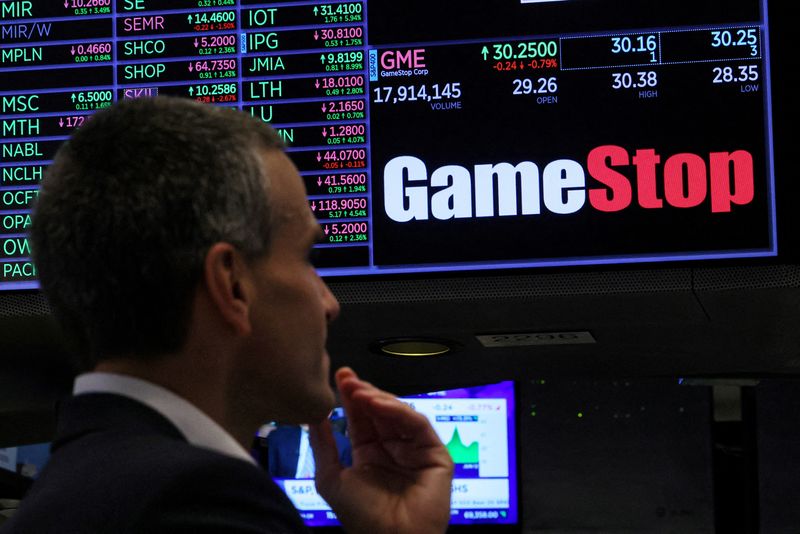
- GameStop Corporation (GME) down by 33%.
- Tupperware Brands Corporation (TUP) down by 17%.
- JX Luxventure Limited (JXJT) down by 16%.
- iRobot Corp (IRBT) down by 12%.
- NIO (NIO) down by 9%.
S&P 500 Consumer Discretionary Sector:
- Overall, the sector increased by 0.02% to 1459.26.
- Automobiles & Components decreased by 1.09% to 104.56.
- Consumer Durables & Apparel increased by 1.37% to 412.45.
- Consumer Services increased by 0.33% to 1628.88.
- Retailing, which contributes 52% to the index, decreased by 0.04% to 4464.72.
Consumer Discretionary Select Sector SPDR ETF:
- XLY is expected to be fueled by resilient consumer spending in 2024.
- There may be a reversal in the consumer discretionary rebound due to a crash in retail sales.
- The article discusses the most shorted S&P 500 consumer discretionary stocks in April.
- Oppenheimer remains positive on equities, particularly energy and consumer discretionary stocks.
- Seeking Alpha's Quant Rating on Consumer Discretionary Select Sector SPDR ETF is highlighted.
Trade with 70% Backtested Accuracy
Stop guessing "Should I Buy GME?" and start using high-conviction signals backed by rigorous historical data.
Sign up today to access powerful investing tools and make smarter, data-driven decisions.
Analyst Views on GME
About GME
GameStop Corp. offers games, collectibles, and entertainment products through its stores and e-commerce platforms. The Company operates in three geographic segments: United States, Australia and Europe. Each segment consists primarily of retail operations, with the significant majority focused on games, entertainment products and technology. The Company has a total of approximately 2,206 stores across all of its segments: 1,598 in the United States, 308 in Europe, and 300 in Australia. Its stores and e-commerce sites operate primarily under the names GameStop, EB Games and Micromania. Its Australia and Europe segments also include 23 pop culture-themed stores selling collectibles, apparel, gadgets, electronics, toys and other retail products for technology enthusiasts and general consumers in international markets operating under the Zing Pop Culture brand. Its retail stores are generally located in strip centers, shopping malls and pedestrian areas.
About the author

Emily J. Thompson
Emily J. Thompson, a Chartered Financial Analyst (CFA) with 12 years in investment research, graduated with honors from the Wharton School. Specializing in industrial and technology stocks, she provides in-depth analysis for Intellectia’s earnings and market brief reports.

GameStop Projects Over $600 Million Adjusted EBITDA for FY 2026

- Financial Outlook: GameStop anticipates an Adjusted EBITDA exceeding $600 million for FY 2026, representing a 73% increase from $345.4 million in FY 2025, indicating a significant improvement in profitability that could bolster investor confidence.
- Acquisition Progress: The leadership team is focused on advancing the proposed acquisition of eBay, which is expected to create new growth opportunities and further solidify GameStop's position in the e-commerce sector.
- Non-GAAP Financial Metrics: The company utilizes Adjusted EBITDA as a supplemental financial measure to help investors better assess core operational performance, although this metric has limitations, it still provides valuable insights for analysis.
- Market Risk Advisory: GameStop cautions that forward-looking statements are subject to various risks and uncertainties, including industry competition and supply chain disruptions, which could significantly impact the company's financial performance.
See More
GameStop Expects Over $600 Million EBITDA for FY 2027
- Financial Outlook Improvement: GameStop anticipates adjusted EBITDA exceeding $600 million for the fiscal year ending January 30, 2027, a significant increase from $345.4 million in fiscal year 2025, indicating a marked improvement in profitability that could bolster investor confidence.
- Acquisition Strategy Advancement: The leadership team at GameStop is focused on advancing its proposal to acquire eBay, having submitted a non-binding offer at $125 per share in cash and stock back in May, reflecting the company's proactive strategy in expanding its business.
- Stake Increase Dynamics: Ryan Cohen has been aggressively accumulating shares of eBay through derivative-linked options, raising GameStop's stake to 7.8%, which not only enhances GameStop's influence over eBay but also lays the groundwork for a potential acquisition.
- Management Focus Shift: Cohen has withdrawn the CEO performance award, emphasizing that the leadership should concentrate on the proposed eBay acquisition, indicating a firm commitment to strategic direction that may impact future management decisions and investor trust.
See More
Wendy's Stock Soars Amid Meme Stock Frenzy

- Stock Surge: Wendy's shares soared by as much as 42% this week, climbing from $6.07 to $8.25, with a market cap reaching $1.4 billion, reflecting investor optimism about its future prospects.
- Social Media Influence: The surge was not driven by sales performance but rather by support from Reddit's WallStreetBets forum, highlighting the significant impact of social media on modern investment decisions.
- Executive Changes: Wendy's appointed industry veteran Steve Cirulis as CFO and Chief Strategy Officer, whose previous collaboration with CEO Bob Wright at Potbelly Sandwich Works saw shares rise over 500%, instilling hope for Wendy's future development.
- Expansion in China: Wendy's expansion plans in China are viewed as a crucial growth engine, as the U.S. market becomes saturated, with Chinese consumers increasingly embracing American fast food, despite rising competition.
See More

Wendy's New CEO and CFO Aim to Revitalize Brand
- Executive Changes: Wendy's appointed industry veteran Steve Cirulis as CFO and Chief Strategy Officer, who previously collaborated with CEO Bob Wright at Potbelly Sandwich Works, where shares surged over 500%, potentially signaling a positive turnaround for Wendy's.
- Stock Volatility: Wendy's stock soared 42% this week due to support from Reddit's WallStreetBets forum, despite a more than 65% decline over the past five years, indicating market interest in the brand's potential revival.
- Expansion in China: Wendy's plans significant expansion in China, where American fast food has gained traction over the past decade, providing a new growth engine for the company, although competition is intensifying in this market.
- Focus on Financials: While meme stock rallies can create short-term volatility, Wendy's long-term success will depend on its financial performance and strategic execution, urging investors to prioritize the company's fundamentals over fleeting social media trends.
See More

Wendy's Shares Surge 42% Amid Meme Stock Mania

- Stock Surge: Wendy's shares soared by as much as 42% this week, driven not by sales performance but by support from Reddit's WallStreetBets forum, highlighting retail investors' enthusiasm for the brand.
- Management Changes: Wendy's appointed industry veteran Steve Cirulis as CFO and Chief Strategy Officer, who previously worked with CEO Bob Wright at Potbelly Sandwich Works, where shares rose over 500% during their tenure, bringing optimism for Wendy's future.
- Market Expansion Plans: Wendy's expansion into China is seen as a crucial growth engine, as the U.S. market is largely saturated, yet Chinese consumers have increasingly embraced American fast food, despite rising competition.
- Cautious Investor Sentiment: While Wendy's stock has surged due to social media hype, investors must focus on the company's financials and strategy execution, as the path to recovery will be long and challenging, not solely reliant on viral posts.
See More

GameStop Advances eBay Acquisition Plans Amid Strong EBITDA Outlook

- Acquisition Efforts: GameStop's leadership remains focused on advancing its proposed acquisition of eBay, despite eBay's board rejecting its unsolicited $125 per share offer, indicating a strong commitment to the integration.
- EBITDA Doubling Forecast: The company expects its EBITDA to double to $600 million by January 2027, up from $345.4 million in fiscal year 2025, reflecting a significant improvement in profitability.
- CEO's Sacrifice: CEO Ryan Cohen has given up a major performance-based pay package to concentrate on the eBay acquisition, demonstrating his commitment to the deal and the company's future.
- Retail Sentiment Recovery: GameStop's stock rose 2% in after-hours trading on Friday, with retail sentiment on Stocktwits shifting from 'bearish' to 'bullish', indicating a renewed confidence in the company's prospects.
See More
GameStop Projects Over $600 Million Adjusted EBITDA for FY 2026
- Financial Outlook: GameStop anticipates an Adjusted EBITDA exceeding $600 million for FY 2026, representing a 73% increase from $345.4 million in FY 2025, indicating a significant improvement in profitability that could bolster investor confidence.
- Acquisition Progress: The leadership team is focused on advancing the proposed acquisition of eBay, which is expected to create new growth opportunities and further solidify GameStop's position in the e-commerce sector.
- Non-GAAP Financial Metrics: The company utilizes Adjusted EBITDA as a supplemental financial measure to help investors better assess core operational performance, although this metric has limitations, it still provides valuable insights for analysis.
- Market Risk Advisory: GameStop cautions that forward-looking statements are subject to various risks and uncertainties, including industry competition and supply chain disruptions, which could significantly impact the company's financial performance.
See More
GameStop Expects Over $600 Million EBITDA for FY 2027
- Financial Outlook Improvement: GameStop anticipates adjusted EBITDA exceeding $600 million for the fiscal year ending January 30, 2027, a significant increase from $345.4 million in fiscal year 2025, indicating a marked improvement in profitability that could bolster investor confidence.
- Acquisition Strategy Advancement: The leadership team at GameStop is focused on advancing its proposal to acquire eBay, having submitted a non-binding offer at $125 per share in cash and stock back in May, reflecting the company's proactive strategy in expanding its business.
- Stake Increase Dynamics: Ryan Cohen has been aggressively accumulating shares of eBay through derivative-linked options, raising GameStop's stake to 7.8%, which not only enhances GameStop's influence over eBay but also lays the groundwork for a potential acquisition.
- Management Focus Shift: Cohen has withdrawn the CEO performance award, emphasizing that the leadership should concentrate on the proposed eBay acquisition, indicating a firm commitment to strategic direction that may impact future management decisions and investor trust.
See More
Wendy's Stock Soars Amid Meme Stock Frenzy
- Stock Surge: Wendy's shares soared by as much as 42% this week, climbing from $6.07 to $8.25, with a market cap reaching $1.4 billion, reflecting investor optimism about its future prospects.
- Social Media Influence: The surge was not driven by sales performance but rather by support from Reddit's WallStreetBets forum, highlighting the significant impact of social media on modern investment decisions.
- Executive Changes: Wendy's appointed industry veteran Steve Cirulis as CFO and Chief Strategy Officer, whose previous collaboration with CEO Bob Wright at Potbelly Sandwich Works saw shares rise over 500%, instilling hope for Wendy's future development.
- Expansion in China: Wendy's expansion plans in China are viewed as a crucial growth engine, as the U.S. market becomes saturated, with Chinese consumers increasingly embracing American fast food, despite rising competition.
See More
Wendy's New CEO and CFO Aim to Revitalize Brand
- Executive Changes: Wendy's appointed industry veteran Steve Cirulis as CFO and Chief Strategy Officer, who previously collaborated with CEO Bob Wright at Potbelly Sandwich Works, where shares surged over 500%, potentially signaling a positive turnaround for Wendy's.
- Stock Volatility: Wendy's stock soared 42% this week due to support from Reddit's WallStreetBets forum, despite a more than 65% decline over the past five years, indicating market interest in the brand's potential revival.
- Expansion in China: Wendy's plans significant expansion in China, where American fast food has gained traction over the past decade, providing a new growth engine for the company, although competition is intensifying in this market.
- Focus on Financials: While meme stock rallies can create short-term volatility, Wendy's long-term success will depend on its financial performance and strategic execution, urging investors to prioritize the company's fundamentals over fleeting social media trends.
See More
Wendy's Shares Surge 42% Amid Meme Stock Mania
- Stock Surge: Wendy's shares soared by as much as 42% this week, driven not by sales performance but by support from Reddit's WallStreetBets forum, highlighting retail investors' enthusiasm for the brand.
- Management Changes: Wendy's appointed industry veteran Steve Cirulis as CFO and Chief Strategy Officer, who previously worked with CEO Bob Wright at Potbelly Sandwich Works, where shares rose over 500% during their tenure, bringing optimism for Wendy's future.
- Market Expansion Plans: Wendy's expansion into China is seen as a crucial growth engine, as the U.S. market is largely saturated, yet Chinese consumers have increasingly embraced American fast food, despite rising competition.
- Cautious Investor Sentiment: While Wendy's stock has surged due to social media hype, investors must focus on the company's financials and strategy execution, as the path to recovery will be long and challenging, not solely reliant on viral posts.
See More
GameStop Advances eBay Acquisition Plans Amid Strong EBITDA Outlook
- Acquisition Efforts: GameStop's leadership remains focused on advancing its proposed acquisition of eBay, despite eBay's board rejecting its unsolicited $125 per share offer, indicating a strong commitment to the integration.
- EBITDA Doubling Forecast: The company expects its EBITDA to double to $600 million by January 2027, up from $345.4 million in fiscal year 2025, reflecting a significant improvement in profitability.
- CEO's Sacrifice: CEO Ryan Cohen has given up a major performance-based pay package to concentrate on the eBay acquisition, demonstrating his commitment to the deal and the company's future.
- Retail Sentiment Recovery: GameStop's stock rose 2% in after-hours trading on Friday, with retail sentiment on Stocktwits shifting from 'bearish' to 'bullish', indicating a renewed confidence in the company's prospects.
See More