Iran's Supreme Leader Killed, Escalating Middle East Conflict
Written by Emily J. Thompson, Senior Investment Analyst
Updated: 1 hour ago
0mins
Source: CNBC
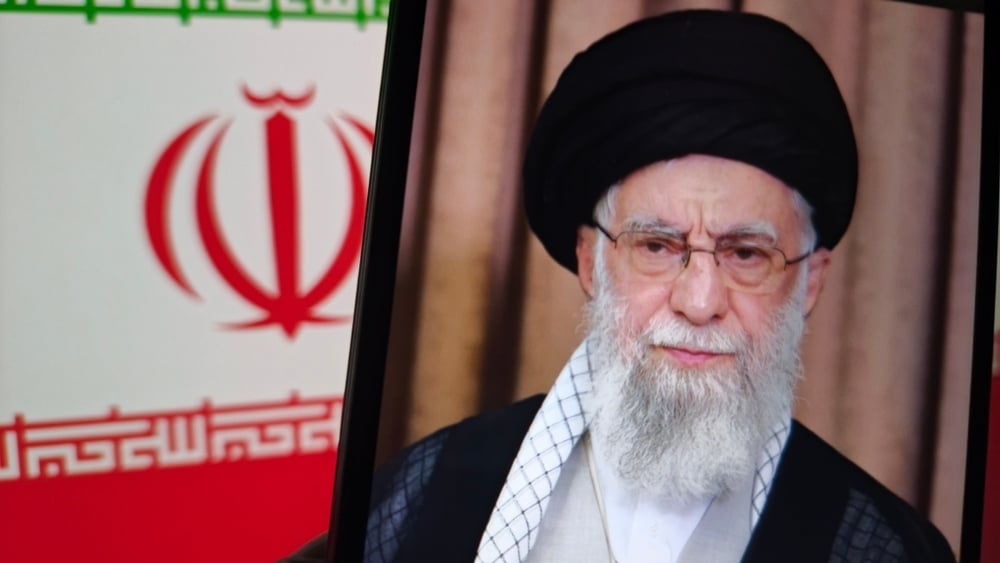
- Supreme Leader Killed: Iran's state media reported the death of Supreme Leader Khamenei due to U.S. and Israeli strikes, marking a significant escalation in Middle Eastern tensions that could destabilize global markets and provoke wider military engagement.
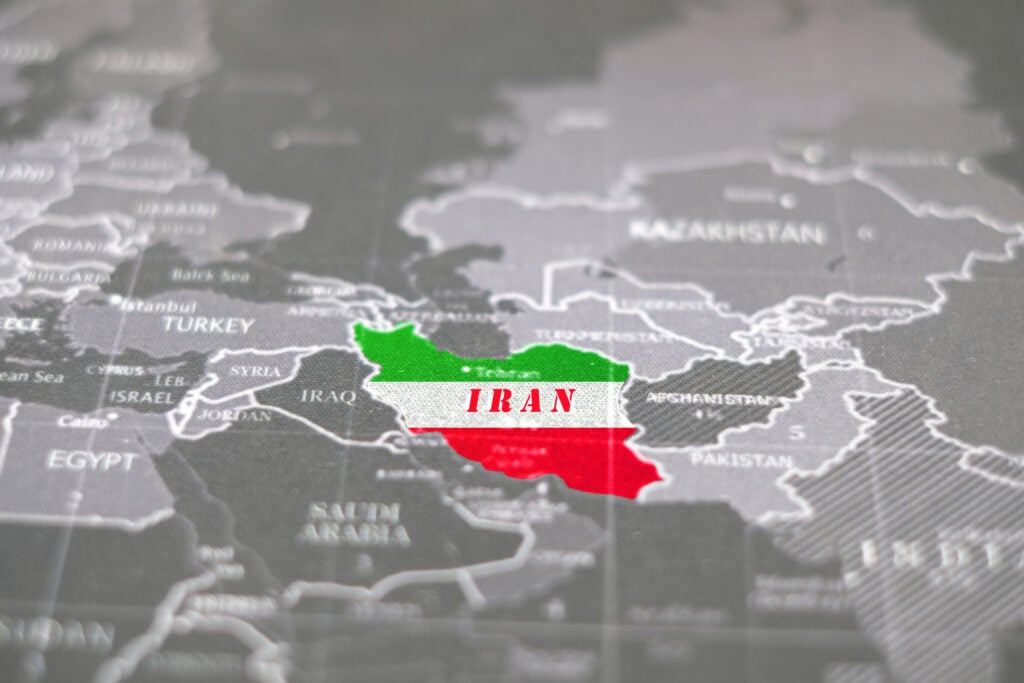
- Iranian Retaliation: In response, Iran launched unprecedented missile strikes targeting U.S. military bases and allies in the region, resulting in damage and casualties at airports in Israel and the UAE, further intensifying the conflict and regional instability.
- Market Reaction Anticipated: Investors are bracing for risk-off trades, with safe-haven assets like gold and the U.S. dollar expected to rise, while equities may decline; oil prices are projected to increase by $5 to $7 per barrel, potentially surpassing $100 amid escalating tensions.
- Travel Chaos: The conflict has led to the cancellation of over 1,800 flights due to widespread airspace closures in the Middle East, with airlines like Qatar Airways and Emirates halting services, illustrating the extensive impact of the conflict on international travel and commerce.
Trade with 70% Backtested Accuracy
Stop guessing "Should I Buy LMT?" and start using high-conviction signals backed by rigorous historical data.
Sign up today to access powerful investing tools and make smarter, data-driven decisions.
Analyst Views on LMT
Wall Street analysts forecast LMT stock price to fall
12 Analyst Rating
4 Buy
7 Hold
1 Sell
Hold
Current: 641.630

Low
430.00
Averages
535.50
High
605.00
Current: 641.630
Low
430.00
Averages
535.50
High
605.00
About LMT
Lockheed Martin Corporation is a global aerospace and defense company. The Company is engaged in the research, design, development, manufacture, integration and sustainment of advanced technology systems, products and services. Its segments include Aeronautics, Missiles and Fire Control (MFC), Rotary and Mission Systems (RMS) and Space. Aeronautics segment is engaged in the research, design, development, manufacture, integration, sustainment, support and upgrade of advanced military aircraft. MFC segment provides air and missile defense systems, manned and unmanned ground vehicles, energy management solutions, and others. RMS segment designs, manufactures, services and supports various military and commercial helicopters, surface ships, sea and land-based missile defense systems, and others. Its Space segment is engaged in the research and design, development, engineering and production of satellites, space transportation systems, and strategic, advanced strike, and defensive systems.
About the author

Emily J. Thompson
Emily J. Thompson, a Chartered Financial Analyst (CFA) with 12 years in investment research, graduated with honors from the Wharton School. Specializing in industrial and technology stocks, she provides in-depth analysis for Intellectia’s earnings and market brief reports.

Escalating Middle East Conflict: US-Israel Joint Strikes on Iran


- Military Conflict Escalation: The US and Israel launched joint airstrikes on Iran, resulting in the assassination of Supreme Leader Khamenei, with analysts warning that this could mark the beginning of sustained military operations, potentially leading to rapid regional and global destabilization.
- Clear Strategic Objectives: The strikes target not only Iran's nuclear weapons program but also its command and control structures and military leadership, aiming to overthrow the Iranian regime through domestic unrest or a coup, reflecting US intentions to assert control over critical Middle Eastern oil resources.
- Strong International Reactions: Both Russia and China condemned the US military actions, and while neither can provide substantial support in the current situation, China's purchase of over 80% of Iran's oil in 2025 underscores its critical economic role for Iran amid heavy sanctions.
- Negotiation Prospects Shattered: The military actions have effectively destroyed any remaining chances for a negotiated settlement regarding Iran's nuclear program, with analysts noting that the US and Israel seized the opportunity to reshape the regional power dynamics amid Iran's critical vulnerability.
See More
Iran's Supreme Leader Killed, Escalating Middle East Conflict


- Supreme Leader Killed: Iran's state media reported the death of Supreme Leader Khamenei due to U.S. and Israeli strikes, marking a significant escalation in Middle Eastern tensions that could destabilize global markets and provoke wider military engagement.
- Iranian Retaliation: In response, Iran launched unprecedented missile strikes targeting U.S. military bases and allies in the region, resulting in damage and casualties at airports in Israel and the UAE, further intensifying the conflict and regional instability.
- Market Reaction Anticipated: Investors are bracing for risk-off trades, with safe-haven assets like gold and the U.S. dollar expected to rise, while equities may decline; oil prices are projected to increase by $5 to $7 per barrel, potentially surpassing $100 amid escalating tensions.
- Travel Chaos: The conflict has led to the cancellation of over 1,800 flights due to widespread airspace closures in the Middle East, with airlines like Qatar Airways and Emirates halting services, illustrating the extensive impact of the conflict on international travel and commerce.
See More
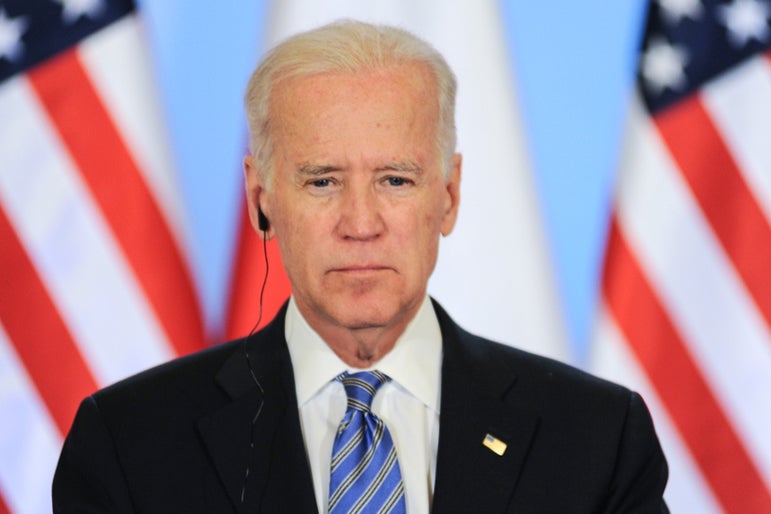
Khamenei's Death Triggers Uncertain Political Transition in Iran

- Leadership Transition: The death of Iran's Supreme Leader Khamenei, confirmed by state media, initiates the second leadership transition since the 1979 Islamic Revolution, a moment deemed historically significant yet fraught with uncertainty regarding its outcomes.
- Bleak Economic Outlook: Analysts caution that Khamenei's death does not equate to regime change, as the Islamic Revolutionary Guard Corps retains power, suggesting minimal prospects for political or economic liberalization in the near term, leaving investors in a state of ongoing uncertainty.
- Mixed Public Reaction: While some Iranians celebrated Khamenei's death on social media, viewing it as a potential turning point for the nation, analysts emphasize that such jubilation does not guarantee genuine regime change, and the future political landscape remains to be seen.
- Fragmented Opposition: The Iranian opposition in exile is deeply fragmented and lacks unified leadership, facing challenges in establishing credibility domestically, with the risk that importing political figures from abroad could lead to repeating past failures in political transitions.
See More

Defense Stocks: Potential Gains and Losses for Lockheed and Northrop Amid U.S. Action Against Iran
- U.S. Attack on Iran: The recent U.S. military action against Iran is expected to escalate existing geopolitical tensions globally.
- Increased Defense Spending: In response to these tensions, countries around the world are raising their national defense budgets.
See More

US-Israel Joint Strikes on Iran Trigger Middle East Conflict

- Joint Military Action: On February 28, 2026, the U.S. and Israel launched a joint military strike against Iran, targeting Supreme Leader Ali Khamenei, which provoked Iranian missile retaliation against Gulf states and Israel, escalating tensions across the Middle East.
- Successful Missile Interceptions: The UAE's Ministry of Defense confirmed the successful interception of multiple Iranian ballistic missiles, demonstrating the effectiveness of its air defense systems; however, the ongoing threats highlight the precarious security situation in the region.
- Airspace Closure Impact on Flights: The UAE announced a temporary closure of its airspace as a precautionary measure, leading to the diversion and cancellation of numerous flights by airlines such as Emirates and Air Arabia, illustrating the direct impact of the conflict on civil aviation.
- Strong International Reactions: Saudi Arabia condemned Iran's attacks and expressed readiness to support affected nations, while Qatar strongly denounced the violation of its sovereignty, reflecting widespread regional discontent and the escalating nature of the conflict.
See More

OpenAI Reaches Agreement with Department of Defense


- Collaboration with DoD: OpenAI CEO Sam Altman announced an agreement with the U.S. Department of Defense to deploy its AI models in classified networks, demonstrating a commitment to safety and collaboration, thereby enhancing the company's competitiveness for government contracts.
- Alignment on Safety Principles: Altman stated that OpenAI and the DoD reached consensus on key safety principles, including prohibitions on domestic mass surveillance and human accountability for the use of force, which not only reflects the company's ethical stance but also lays a foundation for future collaboration.
- Technical Safeguards: OpenAI will implement technical safeguards to ensure the safety of its models and will deploy personnel to assist the DoD in utilizing these models, aiming to enhance the reliability of the technology and build government trust in its capabilities.
- Industry Call for Fair Terms: Altman emphasized the desire for the DoD to extend the same terms to all AI companies, indicating the company's preference for resolving tensions in the industry through reasonable agreements rather than legal actions, promoting a healthier development of the AI sector.
See More
Escalating Middle East Conflict: US-Israel Joint Strikes on Iran
- Military Conflict Escalation: The US and Israel launched joint airstrikes on Iran, resulting in the assassination of Supreme Leader Khamenei, with analysts warning that this could mark the beginning of sustained military operations, potentially leading to rapid regional and global destabilization.
- Clear Strategic Objectives: The strikes target not only Iran's nuclear weapons program but also its command and control structures and military leadership, aiming to overthrow the Iranian regime through domestic unrest or a coup, reflecting US intentions to assert control over critical Middle Eastern oil resources.
- Strong International Reactions: Both Russia and China condemned the US military actions, and while neither can provide substantial support in the current situation, China's purchase of over 80% of Iran's oil in 2025 underscores its critical economic role for Iran amid heavy sanctions.
- Negotiation Prospects Shattered: The military actions have effectively destroyed any remaining chances for a negotiated settlement regarding Iran's nuclear program, with analysts noting that the US and Israel seized the opportunity to reshape the regional power dynamics amid Iran's critical vulnerability.
See More
Iran's Supreme Leader Killed, Escalating Middle East Conflict
- Supreme Leader Killed: Iran's state media reported the death of Supreme Leader Khamenei due to U.S. and Israeli strikes, marking a significant escalation in Middle Eastern tensions that could destabilize global markets and provoke wider military engagement.
- Iranian Retaliation: In response, Iran launched unprecedented missile strikes targeting U.S. military bases and allies in the region, resulting in damage and casualties at airports in Israel and the UAE, further intensifying the conflict and regional instability.
- Market Reaction Anticipated: Investors are bracing for risk-off trades, with safe-haven assets like gold and the U.S. dollar expected to rise, while equities may decline; oil prices are projected to increase by $5 to $7 per barrel, potentially surpassing $100 amid escalating tensions.
- Travel Chaos: The conflict has led to the cancellation of over 1,800 flights due to widespread airspace closures in the Middle East, with airlines like Qatar Airways and Emirates halting services, illustrating the extensive impact of the conflict on international travel and commerce.
See More
Khamenei's Death Triggers Uncertain Political Transition in Iran
- Leadership Transition: The death of Iran's Supreme Leader Khamenei, confirmed by state media, initiates the second leadership transition since the 1979 Islamic Revolution, a moment deemed historically significant yet fraught with uncertainty regarding its outcomes.
- Bleak Economic Outlook: Analysts caution that Khamenei's death does not equate to regime change, as the Islamic Revolutionary Guard Corps retains power, suggesting minimal prospects for political or economic liberalization in the near term, leaving investors in a state of ongoing uncertainty.
- Mixed Public Reaction: While some Iranians celebrated Khamenei's death on social media, viewing it as a potential turning point for the nation, analysts emphasize that such jubilation does not guarantee genuine regime change, and the future political landscape remains to be seen.
- Fragmented Opposition: The Iranian opposition in exile is deeply fragmented and lacks unified leadership, facing challenges in establishing credibility domestically, with the risk that importing political figures from abroad could lead to repeating past failures in political transitions.
See More
Defense Stocks: Potential Gains and Losses for Lockheed and Northrop Amid U.S. Action Against Iran
- U.S. Attack on Iran: The recent U.S. military action against Iran is expected to escalate existing geopolitical tensions globally.
- Increased Defense Spending: In response to these tensions, countries around the world are raising their national defense budgets.
See More
US-Israel Joint Strikes on Iran Trigger Middle East Conflict
- Joint Military Action: On February 28, 2026, the U.S. and Israel launched a joint military strike against Iran, targeting Supreme Leader Ali Khamenei, which provoked Iranian missile retaliation against Gulf states and Israel, escalating tensions across the Middle East.
- Successful Missile Interceptions: The UAE's Ministry of Defense confirmed the successful interception of multiple Iranian ballistic missiles, demonstrating the effectiveness of its air defense systems; however, the ongoing threats highlight the precarious security situation in the region.
- Airspace Closure Impact on Flights: The UAE announced a temporary closure of its airspace as a precautionary measure, leading to the diversion and cancellation of numerous flights by airlines such as Emirates and Air Arabia, illustrating the direct impact of the conflict on civil aviation.
- Strong International Reactions: Saudi Arabia condemned Iran's attacks and expressed readiness to support affected nations, while Qatar strongly denounced the violation of its sovereignty, reflecting widespread regional discontent and the escalating nature of the conflict.
See More
OpenAI Reaches Agreement with Department of Defense
- Collaboration with DoD: OpenAI CEO Sam Altman announced an agreement with the U.S. Department of Defense to deploy its AI models in classified networks, demonstrating a commitment to safety and collaboration, thereby enhancing the company's competitiveness for government contracts.
- Alignment on Safety Principles: Altman stated that OpenAI and the DoD reached consensus on key safety principles, including prohibitions on domestic mass surveillance and human accountability for the use of force, which not only reflects the company's ethical stance but also lays a foundation for future collaboration.
- Technical Safeguards: OpenAI will implement technical safeguards to ensure the safety of its models and will deploy personnel to assist the DoD in utilizing these models, aiming to enhance the reliability of the technology and build government trust in its capabilities.
- Industry Call for Fair Terms: Altman emphasized the desire for the DoD to extend the same terms to all AI companies, indicating the company's preference for resolving tensions in the industry through reasonable agreements rather than legal actions, promoting a healthier development of the AI sector.
See More