Iran War Drives Surge in U.S. Defense Tech Demand
Written by Emily J. Thompson, Senior Investment Analyst
Updated: 1 hour ago
0mins
Source: Newsfilter
- Drone Technology Deployment: The U.S. has deployed the Low-cost Uncrewed Combat Attack System (LUCAS) in the Iran war, costing approximately $35,000 per unit, marking one of the few new systems emerging and highlighting the urgent demand for low-cost technology that could reshape future combat strategies.
- Surge in Demand: Defense tech startups report skyrocketing demand since the U.S. first struck Iran, with many customers willing to buy out capacity or request ramped-up production, reflecting a strong appetite for innovative technologies in modern warfare.
- Budgetary Challenges: Despite defense tech accounting for less than 1% of contract dollars in 2025, the Trump administration's plan to raise military budgets to $1.5 trillion by 2027 could provide new opportunities for startups in the sector.
- Production Capacity Dilemma: Many defense tech firms face a dilemma over whether to scale production to meet clear demand signals without stable contracts, as the uncertainty surrounding government contracts complicates their expansion strategies.
Trade with 70% Backtested Accuracy
Stop guessing "Should I Buy LMT?" and start using high-conviction signals backed by rigorous historical data.
Sign up today to access powerful investing tools and make smarter, data-driven decisions.
Analyst Views on LMT
Wall Street analysts forecast LMT stock price to fall
12 Analyst Rating
4 Buy
7 Hold
1 Sell
Hold
Current: 627.330

Low
430.00
Averages
535.50
High
605.00
Current: 627.330
Low
430.00
Averages
535.50
High
605.00
About LMT
Lockheed Martin Corporation is a global aerospace and defense company. The Company is engaged in the research, design, development, manufacture, integration and sustainment of advanced technology systems, products and services. Its segments include Aeronautics, Missiles and Fire Control (MFC), Rotary and Mission Systems (RMS) and Space. Aeronautics segment is engaged in the research, design, development, manufacture, integration, sustainment, support and upgrade of advanced military aircraft. MFC segment provides air and missile defense systems, manned and unmanned ground vehicles, energy management solutions, and others. RMS segment designs, manufactures, services and supports various military and commercial helicopters, surface ships, sea and land-based missile defense systems, and others. Its Space segment is engaged in the research and design, development, engineering and production of satellites, space transportation systems, and strategic, advanced strike, and defensive systems.
About the author

Emily J. Thompson
Emily J. Thompson, a Chartered Financial Analyst (CFA) with 12 years in investment research, graduated with honors from the Wharton School. Specializing in industrial and technology stocks, she provides in-depth analysis for Intellectia’s earnings and market brief reports.

Lockheed Martin's Optimistic Outlook for 2026

- Strong Sales Growth: Lockheed Martin reported a 6% sales growth in Q4 2025 and anticipates similar growth in 2026, indicating robust performance amid market volatility and uncertainty.
- Massive Backlog: The company has a backlog of $194 billion, reflecting strong market demand that is expected to support future revenue growth, particularly with the anticipated increase in defense spending.
- Stable Dividend Yield: Lockheed's dividend yield stands at 2.2%, appealing to investors seeking stable growth and income, even though the recent rise in stock price has made shares more expensive.
- Valuation Risks Emerging: Despite the optimistic outlook, the stock's P/E ratio nearing 30 and market capitalization increasing from $104 billion to $144 billion suggest potential overvaluation risks, necessitating careful evaluation by investors.
See More

Iran War Drives Transformation in Defense Technology

- Cost-Effectiveness Demand: Defense Secretary's warning against using $2 million missiles to shoot down $20,000 drones highlights the urgent need for defense tech companies to accelerate the development of low-cost drones to meet modern warfare demands.
- Market Opportunities: The U.S. Department of Defense consumed $5.6 billion in munitions within two days of the Iran war outbreak, indicating a pressing need for new drone and counter-drone technologies, which is rapidly boosting valuations and market shares of related startups.
- Accelerated Technological Innovation: The U.S. has introduced the Low-cost Uncrewed Combat Attack System (LUCAS), priced at approximately $35,000, which is becoming a key technology in countering Iranian drone threats and is expected to attract more defense budget allocations.
- Intensified Industry Competition: Although spending in the defense tech sector accounted for less than 1% of contract dollars in 2025, startups like Anduril and Palantir have secured multi-billion dollar contracts, reflecting strong market demand for high-tech solutions.
See More

Iran War Drives Surge in U.S. Defense Tech Demand

- Drone Technology Deployment: The U.S. has deployed the Low-cost Uncrewed Combat Attack System (LUCAS) in the Iran war, costing approximately $35,000 per unit, marking one of the few new systems emerging and highlighting the urgent demand for low-cost technology that could reshape future combat strategies.
- Surge in Demand: Defense tech startups report skyrocketing demand since the U.S. first struck Iran, with many customers willing to buy out capacity or request ramped-up production, reflecting a strong appetite for innovative technologies in modern warfare.
- Budgetary Challenges: Despite defense tech accounting for less than 1% of contract dollars in 2025, the Trump administration's plan to raise military budgets to $1.5 trillion by 2027 could provide new opportunities for startups in the sector.
- Production Capacity Dilemma: Many defense tech firms face a dilemma over whether to scale production to meet clear demand signals without stable contracts, as the uncertainty surrounding government contracts complicates their expansion strategies.
See More

U.S. Polar Icebreaker Plans Lag Behind Competitors


- Arctic Route Competition Intensifies: With increased activity from Chinese and Russian Coast Guards, the U.S. significantly lags in Arctic route competition, as the number of ships transiting the Arctic waterway surged by 40% from 2013 to 2025, reaching 1,800 vessels, highlighting the region's strategic importance.
- Funding Shortages Impact Construction: The U.S. Coast Guard operates only three icebreakers, one of which is 50 years old, and funding shortfalls have led to severe maintenance issues, directly threatening national security and delaying the construction of new icebreakers.
- Trump Pushes Shipbuilding Initiatives: The Trump administration plans to invest $30 billion by 2025 for shipbuilding, including 11 new Arctic security cutters, to counter China's influence in the region, demonstrating a strong focus on Arctic strategy.
- Workforce Training Program: Davie Defense aims to add 2,000 employees in Texas and enhance U.S. shipbuilding capabilities through training programs in Finland, with the first Texas-built icebreaker expected to be delivered by 2032, marking a revival of the U.S. shipbuilding industry.
See More

Yemen's Houthis Launch First Missile Strike Against Israel

- Missile Strike Escalation: Yemen's Houthis launched their first ballistic missile strike against Israel, marking the militia's initial military intervention in the U.S.-Israeli-led war against Iran, which could escalate regional tensions.
- Clear Military Targets: Houthi spokesman stated that the strike was aimed at supporting Iran's regime and Hezbollah in Lebanon, indicating a close alignment with Iran that may influence future geopolitical dynamics.
- Global Trade Risks: Analysts warn that the Houthis could attempt to choke off maritime traffic through the Bab el-Mandeb Strait, a crucial shipping route, which is expected to exert pressure on global trade, particularly in oil and gas transportation.
- Surging Oil Prices: Amid escalating tensions in the Middle East, U.S. crude oil prices rose 5.46% to $99.64 per barrel, while international benchmark Brent crude increased by 4.22% to $112.57, reflecting heightened market concerns over supply disruptions.
See More
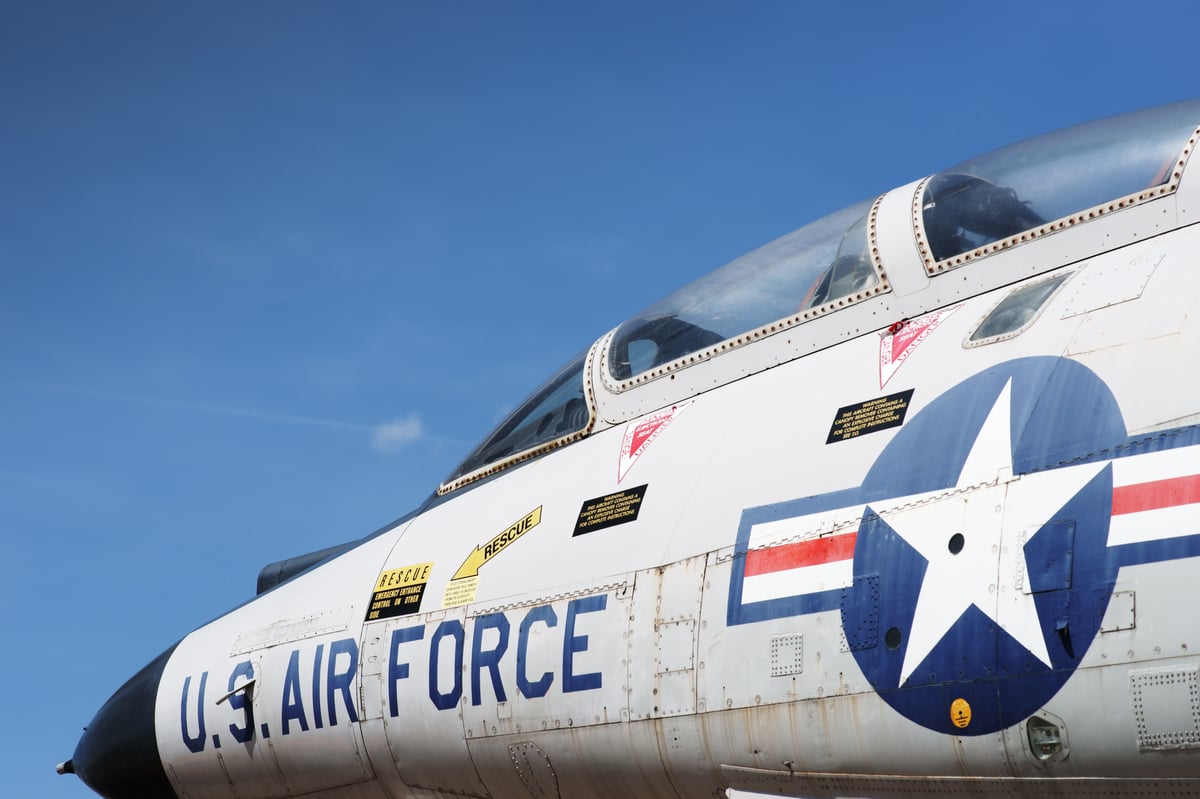
Lockheed Martin Stock Shines Amid Market Volatility
- Stock Performance: Lockheed Martin's shares have surged over 26% in 2026, significantly outperforming broader market indexes, highlighting its strong position amid market volatility and attracting investor interest.
- Financial Results: The latest quarterly report reveals a 6% year-over-year sales growth and free cash flow exceeding expectations, with a massive backlog of $194 billion, indicating strong revenue potential for the future.
- Defense Budget Increase: The Trump administration's proposal for a $1.5 trillion defense budget in 2027, a substantial increase from the $900 billion allocated for 2026, could generate a significant number of new contracts for Lockheed, further driving performance growth.
- Valuation Risks: Despite the optimistic outlook, the stock's P/E ratio nearing 30 and market capitalization rising from $104 billion to $144 billion suggest potential overvaluation risks, prompting investors to carefully assess its long-term investment value.
See More
Lockheed Martin's Optimistic Outlook for 2026
- Strong Sales Growth: Lockheed Martin reported a 6% sales growth in Q4 2025 and anticipates similar growth in 2026, indicating robust performance amid market volatility and uncertainty.
- Massive Backlog: The company has a backlog of $194 billion, reflecting strong market demand that is expected to support future revenue growth, particularly with the anticipated increase in defense spending.
- Stable Dividend Yield: Lockheed's dividend yield stands at 2.2%, appealing to investors seeking stable growth and income, even though the recent rise in stock price has made shares more expensive.
- Valuation Risks Emerging: Despite the optimistic outlook, the stock's P/E ratio nearing 30 and market capitalization increasing from $104 billion to $144 billion suggest potential overvaluation risks, necessitating careful evaluation by investors.
See More
Iran War Drives Transformation in Defense Technology
- Cost-Effectiveness Demand: Defense Secretary's warning against using $2 million missiles to shoot down $20,000 drones highlights the urgent need for defense tech companies to accelerate the development of low-cost drones to meet modern warfare demands.
- Market Opportunities: The U.S. Department of Defense consumed $5.6 billion in munitions within two days of the Iran war outbreak, indicating a pressing need for new drone and counter-drone technologies, which is rapidly boosting valuations and market shares of related startups.
- Accelerated Technological Innovation: The U.S. has introduced the Low-cost Uncrewed Combat Attack System (LUCAS), priced at approximately $35,000, which is becoming a key technology in countering Iranian drone threats and is expected to attract more defense budget allocations.
- Intensified Industry Competition: Although spending in the defense tech sector accounted for less than 1% of contract dollars in 2025, startups like Anduril and Palantir have secured multi-billion dollar contracts, reflecting strong market demand for high-tech solutions.
See More
Iran War Drives Surge in U.S. Defense Tech Demand
- Drone Technology Deployment: The U.S. has deployed the Low-cost Uncrewed Combat Attack System (LUCAS) in the Iran war, costing approximately $35,000 per unit, marking one of the few new systems emerging and highlighting the urgent demand for low-cost technology that could reshape future combat strategies.
- Surge in Demand: Defense tech startups report skyrocketing demand since the U.S. first struck Iran, with many customers willing to buy out capacity or request ramped-up production, reflecting a strong appetite for innovative technologies in modern warfare.
- Budgetary Challenges: Despite defense tech accounting for less than 1% of contract dollars in 2025, the Trump administration's plan to raise military budgets to $1.5 trillion by 2027 could provide new opportunities for startups in the sector.
- Production Capacity Dilemma: Many defense tech firms face a dilemma over whether to scale production to meet clear demand signals without stable contracts, as the uncertainty surrounding government contracts complicates their expansion strategies.
See More
U.S. Polar Icebreaker Plans Lag Behind Competitors
- Arctic Route Competition Intensifies: With increased activity from Chinese and Russian Coast Guards, the U.S. significantly lags in Arctic route competition, as the number of ships transiting the Arctic waterway surged by 40% from 2013 to 2025, reaching 1,800 vessels, highlighting the region's strategic importance.
- Funding Shortages Impact Construction: The U.S. Coast Guard operates only three icebreakers, one of which is 50 years old, and funding shortfalls have led to severe maintenance issues, directly threatening national security and delaying the construction of new icebreakers.
- Trump Pushes Shipbuilding Initiatives: The Trump administration plans to invest $30 billion by 2025 for shipbuilding, including 11 new Arctic security cutters, to counter China's influence in the region, demonstrating a strong focus on Arctic strategy.
- Workforce Training Program: Davie Defense aims to add 2,000 employees in Texas and enhance U.S. shipbuilding capabilities through training programs in Finland, with the first Texas-built icebreaker expected to be delivered by 2032, marking a revival of the U.S. shipbuilding industry.
See More
Yemen's Houthis Launch First Missile Strike Against Israel
- Missile Strike Escalation: Yemen's Houthis launched their first ballistic missile strike against Israel, marking the militia's initial military intervention in the U.S.-Israeli-led war against Iran, which could escalate regional tensions.
- Clear Military Targets: Houthi spokesman stated that the strike was aimed at supporting Iran's regime and Hezbollah in Lebanon, indicating a close alignment with Iran that may influence future geopolitical dynamics.
- Global Trade Risks: Analysts warn that the Houthis could attempt to choke off maritime traffic through the Bab el-Mandeb Strait, a crucial shipping route, which is expected to exert pressure on global trade, particularly in oil and gas transportation.
- Surging Oil Prices: Amid escalating tensions in the Middle East, U.S. crude oil prices rose 5.46% to $99.64 per barrel, while international benchmark Brent crude increased by 4.22% to $112.57, reflecting heightened market concerns over supply disruptions.
See More
Lockheed Martin Stock Shines Amid Market Volatility
- Stock Performance: Lockheed Martin's shares have surged over 26% in 2026, significantly outperforming broader market indexes, highlighting its strong position amid market volatility and attracting investor interest.
- Financial Results: The latest quarterly report reveals a 6% year-over-year sales growth and free cash flow exceeding expectations, with a massive backlog of $194 billion, indicating strong revenue potential for the future.
- Defense Budget Increase: The Trump administration's proposal for a $1.5 trillion defense budget in 2027, a substantial increase from the $900 billion allocated for 2026, could generate a significant number of new contracts for Lockheed, further driving performance growth.
- Valuation Risks: Despite the optimistic outlook, the stock's P/E ratio nearing 30 and market capitalization rising from $104 billion to $144 billion suggest potential overvaluation risks, prompting investors to carefully assess its long-term investment value.
See More