Iran War Disrupts Global Tourism Industry
Written by Emily J. Thompson, Senior Investment Analyst
Updated: Mar 05 2026
0mins


Should l Buy ALK?
Source: CNBC
- Flight Cancellation Crisis: The U.S. and Israel's attacks on Iran have led to over 20,000 flight cancellations globally, stranding more than 1 million travelers, which poses significant operational challenges for airlines and disrupts the recovery of the global tourism industry.
- Surge in Travel Insurance Demand: Following the outbreak of conflict, inquiries for 'cancel for any reason' travel insurance policies surged 18-fold, indicating heightened consumer concern for travel safety and reflecting market sensitivity to uncertainty.
- Hotel Industry Impact: The Fairmont The Palm hotel in Dubai suffered damage due to the conflict, although no guests were harmed, such incidents could tarnish the hotel's reputation and affect future booking rates, especially with the upcoming World Cup.
- Airlines Adjust Routes: For instance, Australia's Qantas has been forced to alter its flight paths to include refueling stops, which, while allowing for an increase in passenger numbers, also raises operational costs, potentially leading to higher ticket prices and further impacting consumer travel choices.
Trade with 70% Backtested Accuracy
Stop guessing "Should I Buy ALK?" and start using high-conviction signals backed by rigorous historical data.
Sign up today to access powerful investing tools and make smarter, data-driven decisions.
Analyst Views on ALK
Wall Street analysts forecast ALK stock price to rise
11 Analyst Rating
11 Buy
0 Hold
0 Sell
Strong Buy
Current: 43.540

Low
63.00
Averages
71.10
High
80.00
Current: 43.540
Low
63.00
Averages
71.10
High
80.00
About ALK
Alaska Air Group, Inc. is engaged in operating airlines. The Company operates through its subsidiaries Alaska Airlines, Inc., Hawaiian Holdings, Inc., Horizon Air Industries, Inc., and McGee Air Services. The Company's segments include Alaska Airlines, Hawaiian Airlines, and Regional. The Alaska Airlines segment includes scheduled air transportation of passengers and cargo on Boeing 737 (B737), Boeing 787 (B787), Boeing 717 (B717), Airbus A330 (A330), Airbus A321neo (A321neo), and others, throughout North America, Latin America, Asia, and the Pacific. The Regional segment includes Horizon's and other third-party carriers scheduled air transportation on E175 jet aircraft for passengers under capacity purchase agreements (CPAs). The Company serves more than 140 destinations throughout North America, Central America, Asia and across the Pacific. The Company provides freight and mail services (cargo) using both freighter aircraft and the bellies of its passenger aircraft.
About the author

Emily J. Thompson
Emily J. Thompson, a Chartered Financial Analyst (CFA) with 12 years in investment research, graduated with honors from the Wharton School. Specializing in industrial and technology stocks, she provides in-depth analysis for Intellectia’s earnings and market brief reports.
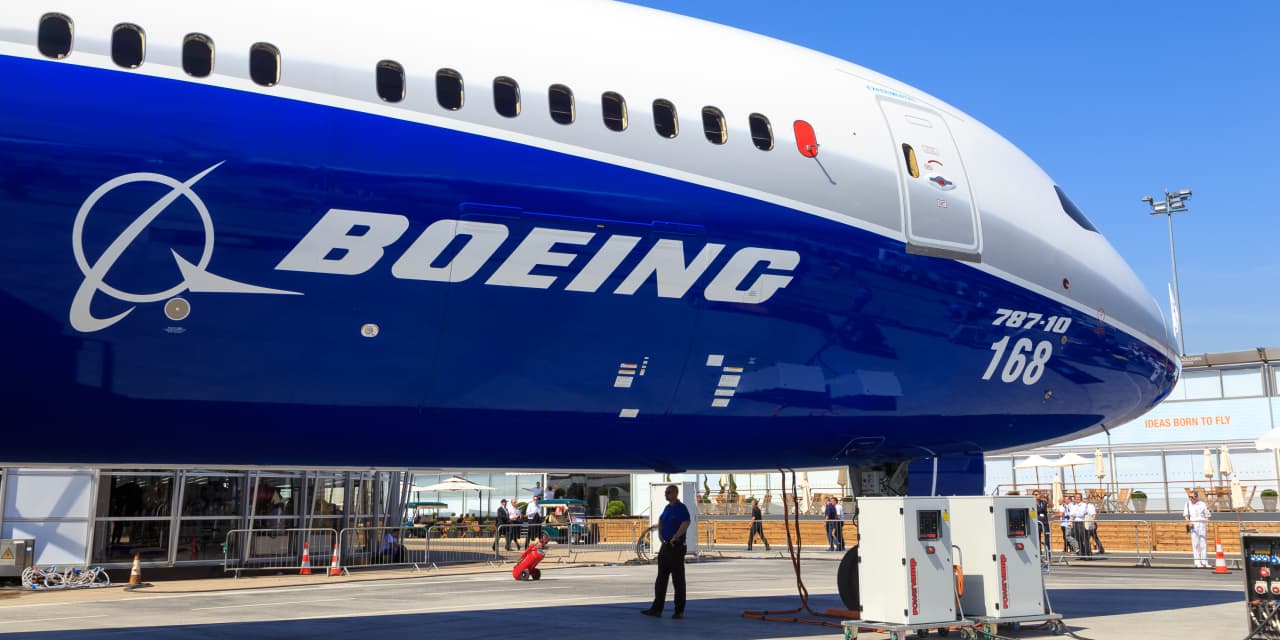
Alaska Air Reports Q1 Operating Revenue of $3.3 Billion, Slightly Below IBES Estimate of $3.308 Billion

- Alaska Air Revenue: Alaska Air reported total operating revenue of USD 3,300 million.
- Comparison with Estimates: This figure is slightly below the estimates provided by Ibes, which projected revenue at USD 3,308 million.
See More

Alaska Air Reports Q1 Adjusted EPS of -$1.68, Below IBES Estimate of -$1.35
Alaska Air Q1 Adjusted EPS: Alaska Air reported an adjusted earnings per share (EPS) of $1.68 for the first quarter.
Comparison with Estimates: This EPS figure exceeded the estimates, which were projected at $1.35.
See More

Alaska Air Group Inc Q1 Earnings Forecast at $-1.35 per Share, Revenue Expected at $3.31 Billion - LSEG IBES Data
- Financial Overview: Alaska Air Group reported a revenue of $3.31 billion for Q1, indicating a strong performance compared to the previous year's $1.35 billion.
- Market Position: The company continues to solidify its position in the airline industry, showcasing resilience and growth in a competitive market.
See More

Alaska Air Group Inc Reports Q1 Operating Revenue of $3.3 Billion
- Total Operating Revenue: Alaska Air Group Inc reported a total operating revenue of $3.3 billion for the first quarter.
- Financial Performance: The revenue figure indicates a strong financial performance for the airline during this period.
See More
ALASKA AIR GROUP INC REPORTS Q1 2026 REVENUE OF $3.3 BILLION, WITH A 3.5% YEAR-OVER-YEAR INCREASE IN UNIT REVENUE - SEC FILING
- Financial Performance: Alaska Air Group reported a revenue of $3.3 billion for Q1 2026.
- Year-over-Year Growth: The unit revenue increased by 3.5% compared to the previous year.
See More

Alaska Air Group to Release Q1 Earnings with Expected Loss
- Earnings Release Date: Alaska Air Group is set to announce its Q1 earnings on April 20, drawing significant market attention regarding its financial performance amid ongoing economic challenges.
- Expected Loss: Analysts project a loss of $1.55 per share, indicating persistent challenges within the airline industry that could impact investor confidence and exert downward pressure on the stock price.
- Market Reaction: Despite the anticipated losses, Alaska Air's stock rose by 10.3% following the announcement, reflecting a degree of market optimism regarding the company's potential for recovery.
- Mixed Analyst Ratings: Analysts have mixed ratings on Alaska Air, with some optimistic about its long-term prospects while others remain cautious about its short-term performance, which could lead to increased stock price volatility.
See More
Alaska Air Reports Q1 Operating Revenue of $3.3 Billion, Slightly Below IBES Estimate of $3.308 Billion
- Alaska Air Revenue: Alaska Air reported total operating revenue of USD 3,300 million.
- Comparison with Estimates: This figure is slightly below the estimates provided by Ibes, which projected revenue at USD 3,308 million.
See More
Alaska Air Reports Q1 Adjusted EPS of -$1.68, Below IBES Estimate of -$1.35
Alaska Air Q1 Adjusted EPS: Alaska Air reported an adjusted earnings per share (EPS) of $1.68 for the first quarter.
Comparison with Estimates: This EPS figure exceeded the estimates, which were projected at $1.35.
See More
Alaska Air Group Inc Q1 Earnings Forecast at $-1.35 per Share, Revenue Expected at $3.31 Billion - LSEG IBES Data
- Financial Overview: Alaska Air Group reported a revenue of $3.31 billion for Q1, indicating a strong performance compared to the previous year's $1.35 billion.
- Market Position: The company continues to solidify its position in the airline industry, showcasing resilience and growth in a competitive market.
See More
Alaska Air Group Inc Reports Q1 Operating Revenue of $3.3 Billion
- Total Operating Revenue: Alaska Air Group Inc reported a total operating revenue of $3.3 billion for the first quarter.
- Financial Performance: The revenue figure indicates a strong financial performance for the airline during this period.
See More
ALASKA AIR GROUP INC REPORTS Q1 2026 REVENUE OF $3.3 BILLION, WITH A 3.5% YEAR-OVER-YEAR INCREASE IN UNIT REVENUE - SEC FILING
- Financial Performance: Alaska Air Group reported a revenue of $3.3 billion for Q1 2026.
- Year-over-Year Growth: The unit revenue increased by 3.5% compared to the previous year.
See More
Alaska Air Group to Release Q1 Earnings with Expected Loss
- Earnings Release Date: Alaska Air Group is set to announce its Q1 earnings on April 20, drawing significant market attention regarding its financial performance amid ongoing economic challenges.
- Expected Loss: Analysts project a loss of $1.55 per share, indicating persistent challenges within the airline industry that could impact investor confidence and exert downward pressure on the stock price.
- Market Reaction: Despite the anticipated losses, Alaska Air's stock rose by 10.3% following the announcement, reflecting a degree of market optimism regarding the company's potential for recovery.
- Mixed Analyst Ratings: Analysts have mixed ratings on Alaska Air, with some optimistic about its long-term prospects while others remain cautious about its short-term performance, which could lead to increased stock price volatility.
See More