IonQ Acquires SkyWater Technology in $1.8 Billion Deal
Written by Emily J. Thompson, Senior Investment Analyst
Updated: Jan 27 2026
0mins

Should l Buy IONQ?
Source: Yahoo Finance
- Acquisition Overview: IonQ has announced its acquisition of SkyWater Technology in a cash-and-stock deal valued at approximately $1.8 billion, aiming to create a vertically integrated full-stack quantum platform company, with the transaction expected to close in Q2 or Q3 2026.
- Commitment to Market Services: SkyWater will maintain its service to existing markets while integrating IonQ's quantum technologies into its offerings, ensuring continued competitiveness in aerospace, defense, and commercial sectors, while providing technological support to companies in AI and IoT fields.
- Enhancement of Quantum Computing Capabilities: Through this acquisition, IonQ expects to advance its ambitions in fault-tolerant quantum computing, with SkyWater's resources enhancing its manufacturing and innovation capabilities, thereby accelerating engineering pathways for next-generation quantum chips.
- Strategic Integration and Market Expansion: SkyWater will operate as a subsidiary of IonQ, with shareholders projected to own between 4.4% and 6.7% of the new entity, aligning this acquisition with IonQ's previous strategies to enhance its market presence.
Trade with 70% Backtested Accuracy
Stop guessing "Should I Buy IONQ?" and start using high-conviction signals backed by rigorous historical data.
Sign up today to access powerful investing tools and make smarter, data-driven decisions.
Analyst Views on IONQ
Wall Street analysts forecast IONQ stock price to rise
12 Analyst Rating
9 Buy
3 Hold
0 Sell
Strong Buy
Current: 51.950

Low
47.00
Averages
75.91
High
100.00
Current: 51.950
Low
47.00
Averages
75.91
High
100.00
About IONQ
IonQ, Inc. is engaged in the quantum computing and networking industry, delivering high-performance systems capable of solving complex commercial and research use cases. Its generation quantum computers, IonQ Forte and IonQ Forte Enterprise, are cutting-edge systems, boasting 36 algorithmic qubits. It sells specialized quantum computing and networking hardware together with related maintenance and support. It also sells access to several quantum computers of various qubit capacities and is in the process of researching and developing technologies for quantum computers with increasing computational capabilities. It makes access to its quantum computers available via three cloud platforms, Amazon Web Services' (AWS) Amazon Braket, Microsoft's Azure Quantum and Google's Cloud Marketplace, and also to select customers via its own cloud service. Its product portfolio also includes quantum key distribution (QKD) systems, quantum random number generators (QRNGs), and single-photon detectors.
About the author

Emily J. Thompson
Emily J. Thompson, a Chartered Financial Analyst (CFA) with 12 years in investment research, graduated with honors from the Wharton School. Specializing in industrial and technology stocks, she provides in-depth analysis for Intellectia’s earnings and market brief reports.

Quantinuum's IPO Marks a Pivotal Moment in Quantum Computing


- Company Background: Quantinuum was formed in 2021 through the merger of Honeywell Quantum Solutions and Cambridge Quantum Computing, with major backing from Honeywell and blue-chip investors like Nvidia and JPMorgan, highlighting its strong support in the quantum computing sector.
- Technological Edge: Utilizing trapped-ion quantum computers, Quantinuum employs lasers to suspend individual atoms, yielding qubits with exceptionally high fidelity and long coherence times, and this full-stack approach enhances error correction compared to Rigetti Computing's superconducting qubits.
- Financial Performance: In 2025, Quantinuum generated $30.9 million in revenue, a 35% year-over-year increase, yet net losses widened to $192.6 million, reflecting substantial investments in R&D and marketing, indicating that commercialized quantum AI solutions are still in development.
- IPO Outlook: Market speculation suggests Quantinuum's IPO could value the company near $20 billion, double its $10 billion valuation from a September 2025 funding round, and despite its poor financial profile, the IPO could serve as a catalyst for the entire quantum ecosystem.
See More
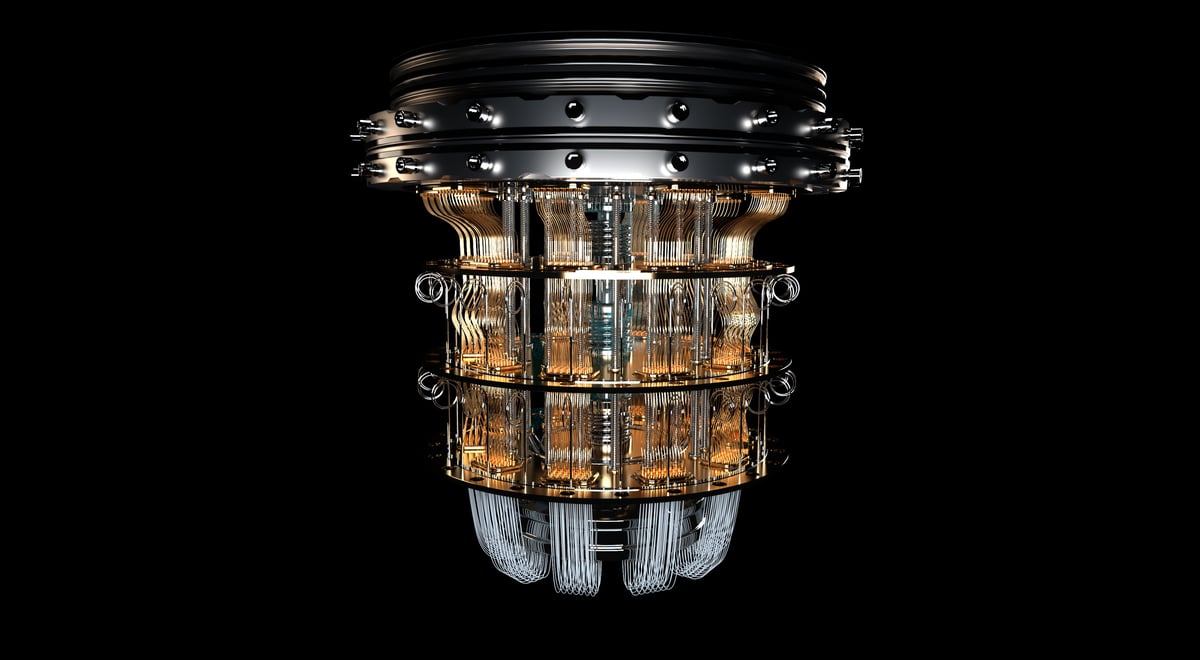
Investment Opportunities in Quantum Computing
- D-Wave Quantum: D-Wave Quantum focuses on optimization problems using quantum annealing technology, recently securing a $20 million deal with Florida Atlantic University, indicating early market demand that could drive future sales growth if successful.
- IonQ's Market Performance: IonQ achieved a remarkable 755% revenue growth in Q1, reaching $64.7 million, making it the most popular pure-play quantum computing company; despite a small base, its technology maturation could lead to increased sales opportunities.
- Nvidia's Strategic Positioning: Although Nvidia does not compete directly in quantum processing units, it supports a hybrid model through tools like CUDA-Q and NVQLink, maintaining its dominant position in the industry as quantum computing evolves.
- Investment Outlook: The commercialization of quantum computing will occur faster than most investors realize, and investing in companies like D-Wave and IonQ could yield long-term returns, especially against the backdrop of current AI advancements.
See More

IonQ Stock Rises 5.5% Amid Quantum Sector Momentum

- Strong Stock Performance: IonQ's stock rose 5.5% this week, showcasing robust market performance despite a pullback amid broader market volatility, reflecting sustained investor optimism in the quantum computing sector.
- Industry Trends Support: The bullish momentum in quantum stocks over the past few months has significantly influenced IonQ's gains, particularly following Quantum Computing's strong Q1 report, which bolstered market confidence.
- Optimistic Sales Outlook: IonQ is guiding for sales between $260 million and $270 million in 2023, with organic sales growth expected to exceed 100%, indicating positive progress in its commercialization efforts, despite ongoing substantial losses.
- Risk Warning: IonQ's non-GAAP EBITDA loss is projected between $310 million and $330 million, and while sales growth is encouraging, investors should be aware of the high risks associated with the stock, which currently has a market cap of approximately $19 billion and a price-to-sales ratio of 72.
See More
Infleqtion's Quantum Computing Outlook

- Market Performance Comparison: Infleqtion briefly reached a market cap of $6 billion in April 2026, but has since dropped to $2.7 billion, highlighting the impact of market volatility on its stock price.
- Technological Differences: Both Infleqtion and IonQ utilize atoms for quantum computing, with Infleqtion's two-qubit gate fidelity at 99.73%, lower than IonQ's 99.99%, yet its advancements in quantum sensing technology may provide a unique competitive edge.
- Client Base Expansion: Infleqtion has secured contracts with government entities like NASA and the U.S. Navy, with its quantum sensors and Tiqqer atomic clock offering precision beyond traditional technologies, indicating significant growth potential in quantum technology diversification.
- Investment Risk Advisory: Although Infleqtion's market cap is significantly lower than IonQ's, both stocks have experienced extreme price fluctuations, necessitating cautious risk assessment by investors, particularly for those considering investments in the quantum computing sector.
See More
Infleqtion Could Outperform IonQ in 2026
- Market Performance Comparison: Infleqtion briefly reached a market cap of $6 billion in April 2026, having gone public only in February, while IonQ's market cap fluctuated between $8 billion and $27.2 billion over the past year, indicating Infleqtion's potential in the market.
- Technical Differences: Infleqtion employs neutral rubidium and cesium atoms, while IonQ uses ionized ytterbium atoms; despite IonQ achieving a two-qubit gate fidelity of 99.99%, Infleqtion's 99.73% remains competitive in quantum computing terms.
- Diversified Business: Infleqtion is not only focused on quantum computing but also leads in quantum sensing technology, with its Tiqker atomic clock being more precise than standard microwave atomic clocks, and it has secured clients like NASA and the U.S. Navy, showcasing broad application potential.
- Volatility Opportunity: Although IonQ's market cap is six times larger than Infleqtion's, both stocks exhibit significant price volatility, with Infleqtion currently valued at $2.7 billion, close to its average of $2.6 billion, suggesting that positive news could lead to substantial stock price increases.
See More
IonQ's Quantum Computing Technology Gains Attention
- Unique Technological Path: IonQ is pursuing a distinct technological roadmap, achieving 99.99% 2-qubit fidelity with its trapped-ion technology, which, while still error-prone, is sufficient to support the development of other error-correcting techniques, indicating its potential in the quantum computing field.
- Acquisition-Driven Innovation: The acquisition of Oxford Ionics has allowed IonQ to shift from laser-based control of ion traps to microwave signals built directly into its chips, enhancing system stability and enabling a reduction in device size, thereby increasing its competitive edge.
- Vertical Integration Strategy: IonQ is in the process of acquiring leading quantum foundry SkyWater Technology, aiming for vertical integration that will accelerate prototype chip testing and lay the groundwork for future commercialization, demonstrating its intent to control the entire quantum ecosystem.
- Cautious Market Outlook: Despite IonQ's accuracy advantage in quantum computing, it lags behind competitors in speed, leading to its stock being viewed as speculative, with recommendations for investors to maintain only a small position to mitigate risks.
See More
Quantinuum's IPO Marks a Pivotal Moment in Quantum Computing
- Company Background: Quantinuum was formed in 2021 through the merger of Honeywell Quantum Solutions and Cambridge Quantum Computing, with major backing from Honeywell and blue-chip investors like Nvidia and JPMorgan, highlighting its strong support in the quantum computing sector.
- Technological Edge: Utilizing trapped-ion quantum computers, Quantinuum employs lasers to suspend individual atoms, yielding qubits with exceptionally high fidelity and long coherence times, and this full-stack approach enhances error correction compared to Rigetti Computing's superconducting qubits.
- Financial Performance: In 2025, Quantinuum generated $30.9 million in revenue, a 35% year-over-year increase, yet net losses widened to $192.6 million, reflecting substantial investments in R&D and marketing, indicating that commercialized quantum AI solutions are still in development.
- IPO Outlook: Market speculation suggests Quantinuum's IPO could value the company near $20 billion, double its $10 billion valuation from a September 2025 funding round, and despite its poor financial profile, the IPO could serve as a catalyst for the entire quantum ecosystem.
See More
Investment Opportunities in Quantum Computing
- D-Wave Quantum: D-Wave Quantum focuses on optimization problems using quantum annealing technology, recently securing a $20 million deal with Florida Atlantic University, indicating early market demand that could drive future sales growth if successful.
- IonQ's Market Performance: IonQ achieved a remarkable 755% revenue growth in Q1, reaching $64.7 million, making it the most popular pure-play quantum computing company; despite a small base, its technology maturation could lead to increased sales opportunities.
- Nvidia's Strategic Positioning: Although Nvidia does not compete directly in quantum processing units, it supports a hybrid model through tools like CUDA-Q and NVQLink, maintaining its dominant position in the industry as quantum computing evolves.
- Investment Outlook: The commercialization of quantum computing will occur faster than most investors realize, and investing in companies like D-Wave and IonQ could yield long-term returns, especially against the backdrop of current AI advancements.
See More
IonQ Stock Rises 5.5% Amid Quantum Sector Momentum
- Strong Stock Performance: IonQ's stock rose 5.5% this week, showcasing robust market performance despite a pullback amid broader market volatility, reflecting sustained investor optimism in the quantum computing sector.
- Industry Trends Support: The bullish momentum in quantum stocks over the past few months has significantly influenced IonQ's gains, particularly following Quantum Computing's strong Q1 report, which bolstered market confidence.
- Optimistic Sales Outlook: IonQ is guiding for sales between $260 million and $270 million in 2023, with organic sales growth expected to exceed 100%, indicating positive progress in its commercialization efforts, despite ongoing substantial losses.
- Risk Warning: IonQ's non-GAAP EBITDA loss is projected between $310 million and $330 million, and while sales growth is encouraging, investors should be aware of the high risks associated with the stock, which currently has a market cap of approximately $19 billion and a price-to-sales ratio of 72.
See More
Infleqtion's Quantum Computing Outlook
- Market Performance Comparison: Infleqtion briefly reached a market cap of $6 billion in April 2026, but has since dropped to $2.7 billion, highlighting the impact of market volatility on its stock price.
- Technological Differences: Both Infleqtion and IonQ utilize atoms for quantum computing, with Infleqtion's two-qubit gate fidelity at 99.73%, lower than IonQ's 99.99%, yet its advancements in quantum sensing technology may provide a unique competitive edge.
- Client Base Expansion: Infleqtion has secured contracts with government entities like NASA and the U.S. Navy, with its quantum sensors and Tiqqer atomic clock offering precision beyond traditional technologies, indicating significant growth potential in quantum technology diversification.
- Investment Risk Advisory: Although Infleqtion's market cap is significantly lower than IonQ's, both stocks have experienced extreme price fluctuations, necessitating cautious risk assessment by investors, particularly for those considering investments in the quantum computing sector.
See More
Infleqtion Could Outperform IonQ in 2026
- Market Performance Comparison: Infleqtion briefly reached a market cap of $6 billion in April 2026, having gone public only in February, while IonQ's market cap fluctuated between $8 billion and $27.2 billion over the past year, indicating Infleqtion's potential in the market.
- Technical Differences: Infleqtion employs neutral rubidium and cesium atoms, while IonQ uses ionized ytterbium atoms; despite IonQ achieving a two-qubit gate fidelity of 99.99%, Infleqtion's 99.73% remains competitive in quantum computing terms.
- Diversified Business: Infleqtion is not only focused on quantum computing but also leads in quantum sensing technology, with its Tiqker atomic clock being more precise than standard microwave atomic clocks, and it has secured clients like NASA and the U.S. Navy, showcasing broad application potential.
- Volatility Opportunity: Although IonQ's market cap is six times larger than Infleqtion's, both stocks exhibit significant price volatility, with Infleqtion currently valued at $2.7 billion, close to its average of $2.6 billion, suggesting that positive news could lead to substantial stock price increases.
See More
IonQ's Quantum Computing Technology Gains Attention
- Unique Technological Path: IonQ is pursuing a distinct technological roadmap, achieving 99.99% 2-qubit fidelity with its trapped-ion technology, which, while still error-prone, is sufficient to support the development of other error-correcting techniques, indicating its potential in the quantum computing field.
- Acquisition-Driven Innovation: The acquisition of Oxford Ionics has allowed IonQ to shift from laser-based control of ion traps to microwave signals built directly into its chips, enhancing system stability and enabling a reduction in device size, thereby increasing its competitive edge.
- Vertical Integration Strategy: IonQ is in the process of acquiring leading quantum foundry SkyWater Technology, aiming for vertical integration that will accelerate prototype chip testing and lay the groundwork for future commercialization, demonstrating its intent to control the entire quantum ecosystem.
- Cautious Market Outlook: Despite IonQ's accuracy advantage in quantum computing, it lags behind competitors in speed, leading to its stock being viewed as speculative, with recommendations for investors to maintain only a small position to mitigate risks.
See More