Investors Turn to Low Volatility Funds Amid Market Turbulence
Written by Emily J. Thompson, Senior Investment Analyst
Updated: 1 day ago
0mins
Source: CNBC
- Strong Performance of Low Volatility Funds: The Franklin International Low Volatility High Dividend Index ETF (LVHI) has risen approximately 8% year-to-date, contrasting with the nearly 7% decline of the S&P 500, demonstrating its resilience during market turbulence.
- Significant Asset Management: LVHI currently manages $4 billion in assets, with a 30-day SEC yield of 3.35% and an expense ratio of just 0.40%, providing a stable income source that has attracted substantial inflows.
- International Diversification Strategy: LVHI reduces volatility by investing in international stocks while hedging currency risks; Silverman notes that these stocks are driven by different economic forces than traditional domestic stocks, offering a more defensive investment option.
- Risk Mitigation Tool: Silverman recommends viewing these ETFs as conservative core holdings within a portfolio, capable of balancing higher-risk assets, akin to safety features in race cars, helping investors manage portfolio volatility.
Trade with 70% Backtested Accuracy
Stop guessing "Should I Buy CVX?" and start using high-conviction signals backed by rigorous historical data.
Sign up today to access powerful investing tools and make smarter, data-driven decisions.
Analyst Views on CVX
Wall Street analysts forecast CVX stock price to fall
19 Analyst Rating
15 Buy
4 Hold
0 Sell
Strong Buy
Current: 207.790

Low
158.00
Averages
176.95
High
206.00
Current: 207.790
Low
158.00
Averages
176.95
High
206.00
About CVX
Chevron Corporation is an integrated energy company. The Company produces crude oil and natural gas; manufactures transportation fuels, lubricants, petrochemicals and additives; and develops technologies that enhance its business and industry. The Company’s segments include Upstream and Downstream. Upstream operations consist primarily of exploring for, developing, producing and transporting crude oil and natural gas; liquefaction, transportation and regasification associated with LNG; transporting crude oil by major international oil export pipelines; processing, transporting, storage and marketing of natural gas; carbon capture and storage; and a gas-to-liquids plant. Downstream operations consist primarily of the refining of crude oil into petroleum products; marketing crude oil, refined products, and lubricants; manufacturing and marketing of renewable fuels, and transporting of crude oil and refined products by pipeline, marine vessel, motor equipment and rail car.
About the author

Emily J. Thompson
Emily J. Thompson, a Chartered Financial Analyst (CFA) with 12 years in investment research, graduated with honors from the Wharton School. Specializing in industrial and technology stocks, she provides in-depth analysis for Intellectia’s earnings and market brief reports.
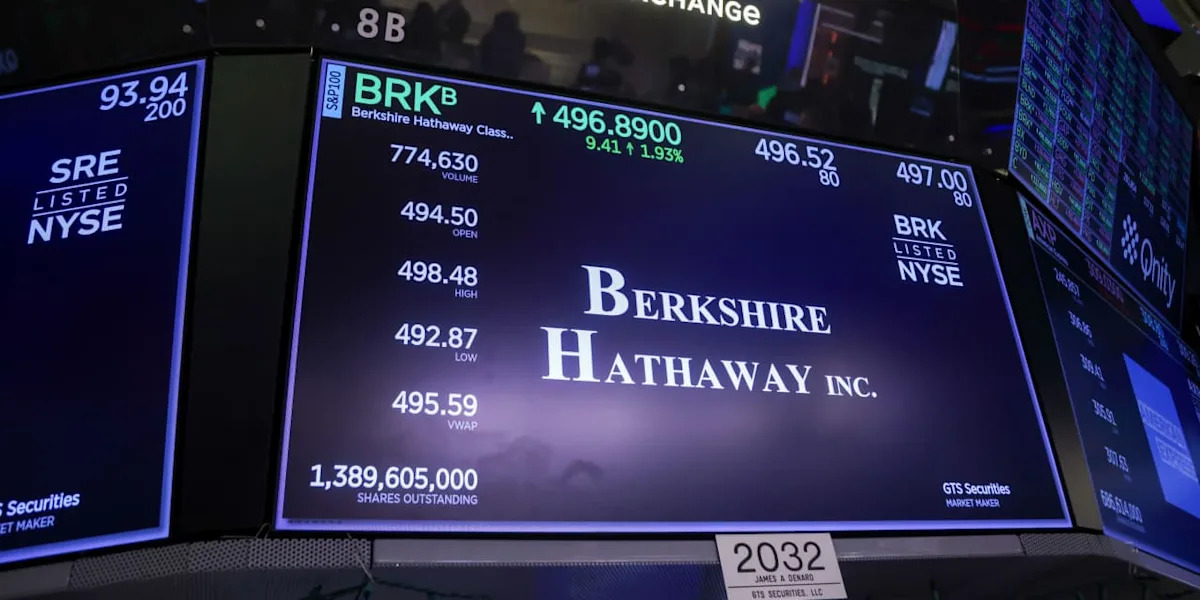
Berkshire's Disappointing Performance Raises Concerns

- Defensive Stock Performance: As arguably the most defensive mega-cap stock in the market, Berkshire's disappointing performance reflects investor concerns about its future growth potential, which could lead to capital outflows.
- Market Reaction: Investors have reacted strongly to Berkshire's underperformance, which may affect its stock price stability and further undermine confidence in defensive investments.
- Industry Impact: Berkshire's lackluster performance could trigger a ripple effect on other defensive stocks, prompting a reevaluation of the overall market's stance on defensive investments and impacting valuations of related companies.
- Strategic Adjustment Necessity: In light of current market challenges, Berkshire may need to reassess its investment strategy to restore investor confidence and enhance future performance outcomes.
See More
Buffett's Bold Bet on Oil Stocks Shows Promising Outlook
- Buffett's Investment Strategy: Buffett's pre-retirement investments in Occidental Petroleum and Chevron, which account for 27% and 6.5% of their shares respectively, have made them Berkshire's sixth and fourth largest holdings, reflecting his confidence in the oil market.
- Occidental's Financial Performance: Occidental is projected to generate $1.2 billion of additional free cash flow this year without any increase in oil prices, thanks to successful asset sales and debt reduction strategies, enhancing its viability in a low oil price environment.
- Chevron's Growth Potential: Chevron expects to generate $12.5 billion of incremental free cash flow at $70 oil by divesting lower-margin assets and investing in higher-margin projects, further strengthening its robust balance sheet.
- Future Outlook: Both companies are on track to produce even larger free cash flows amid rising oil prices, validating Buffett's investment decisions and demonstrating the safety of oil stocks in an uncertain market.
See More

Buffett Bets Big on Oil Giants Chevron and Occidental
- Buffett's Investment Strategy: Warren Buffett's Berkshire Hathaway has acquired 6.5% of Chevron and 27% of Occidental Petroleum, making them the fourth and sixth largest holdings, respectively, reflecting confidence in the oil sector amid soaring crude prices.
- Occidental's Financial Performance: Occidental is projected to generate $1.2 billion in additional free cash flow this year without an increase in oil prices, and with rising prices, this figure is expected to increase significantly, providing funds for debt repayment and stock buybacks, showcasing its resilience in a low-price environment.
- Chevron's Growth Potential: Chevron anticipates generating $12.5 billion in incremental free cash flow this year at $70 oil, and with higher prices, its cash flow will further increase, enhancing its capacity for capital projects and shareholder returns.
- Optimistic Industry Outlook: Both companies demonstrate strong performance in low oil price environments, reaffirming Buffett's foresight in the oil sector, and as crude prices continue to rise, they are expected to achieve even higher free cash flows, further solidifying their market positions.
See More

Top Dividend Stocks for Retirees to Consider

- Verizon's Stability: Verizon Communications (VZ) dominates the U.S. wireless market with a 20-year history of dividend increases, currently yielding 5.4% while maintaining a manageable payout ratio of 56% of estimated earnings, making it a reliable choice for retirees dependent on dividend income.
- Altria's Growth Strategy: Altria Group (MO), a Dividend King, continues to thrive despite declining smoking rates by raising prices, offering a 6.32% dividend yield and projected low-single-digit annual earnings growth over the next three years, appealing to investors seeking stable income.
- Chevron's Resilience: Chevron (CVX) has demonstrated strong resilience amid Middle East turmoil, boasting 39 consecutive years of dividend increases with a current yield of 3.27%, and with Brent oil prices hovering around $100, future dividends may see significant upside, making it suitable for retirees.
- Energy Sector Outlook: Despite uncertainties in the Middle East, Chevron plans for at least 10% annualized free cash flow growth through 2030, and with current oil prices, there is potential for increased dividends, ensuring a stable income source for retirees.
See More
Iran War Disrupts Global Energy Markets Significantly
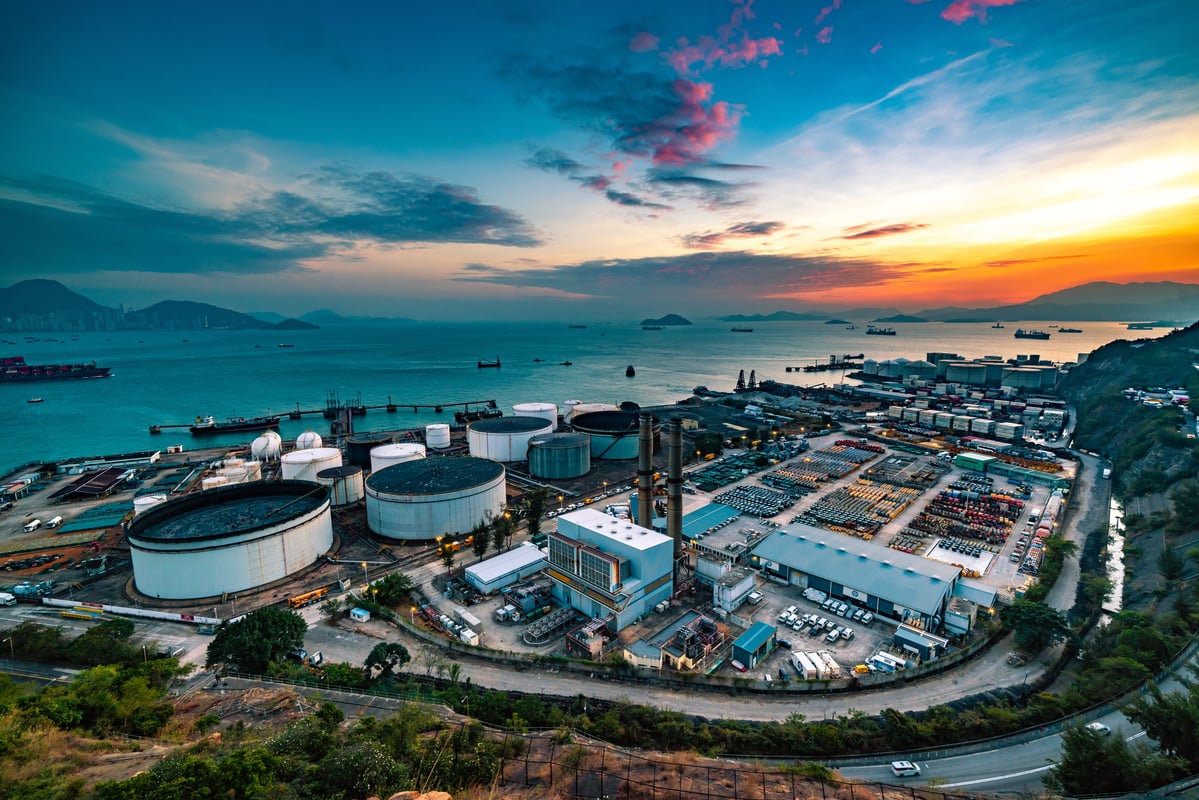
- Supply Disruption Impact: The war with Iran has caused the largest supply disruption in decades due to attacks on oil tankers in the Strait of Hormuz, which previously handled 20% of global oil and LNG, exacerbating the energy crisis and undermining investor confidence.
- Renewable Energy Investment Outlook: Despite the uncertainty from the war, global demand for renewable energy is surging due to climate change and energy security needs, with Brookfield Renewable expecting over 10% annual growth in funds from operations per share through 2031, supporting 5% to 9% annual dividend growth.
- Enbridge's Stable Earnings: As one of North America's largest energy infrastructure companies, Enbridge transports 30% of crude oil and generates over 98% of its earnings from regulated or contracted businesses, expecting 5% annual cash flow per share growth through 2030 while increasing dividends for 31 consecutive years.
- Chevron's Cash Flow Growth: Chevron has strategically divested low-margin assets and invested in low-cost, high-margin resources, anticipating an additional $12.5 billion in free cash flow this year at $70 oil, with over 10% annual growth expected through 2030, allowing for continued dividend increases.
See More

Top Dividend Stocks for Retirees: High Yield Recommendations
- Verizon's Stable Income: Verizon Communications has increased its dividend for 20 consecutive years, currently yielding 5.4% with a payout ratio of 56% of estimated earnings, indicating strong financial resilience, making it suitable for retirees seeking stable income.
- Altria's Pricing Strategy: Despite declining smoking rates in the U.S., Altria Group offsets falling cigarette volumes by raising prices annually, boasting a 6.6% dividend yield, with analysts projecting low-single-digit annual earnings growth over the next three years, showcasing its resilience in a mature market.
- Chevron's Growth Potential: Amid the Middle East conflict, Chevron maintains a strong track record with 39 consecutive years of dividend increases, currently yielding 3.4%, and is expected to achieve at least 10% annual free cash flow growth through 2030, highlighting robust profitability in a high oil price environment.
- Diversity in Investment Recommendations: While Verizon is considered a solid investment choice, it was not included in the Motley Fool's list of 10 best stocks, reflecting a diverse market perspective on investment opportunities, urging retirees to choose wisely.
See More
Berkshire's Disappointing Performance Raises Concerns
- Defensive Stock Performance: As arguably the most defensive mega-cap stock in the market, Berkshire's disappointing performance reflects investor concerns about its future growth potential, which could lead to capital outflows.
- Market Reaction: Investors have reacted strongly to Berkshire's underperformance, which may affect its stock price stability and further undermine confidence in defensive investments.
- Industry Impact: Berkshire's lackluster performance could trigger a ripple effect on other defensive stocks, prompting a reevaluation of the overall market's stance on defensive investments and impacting valuations of related companies.
- Strategic Adjustment Necessity: In light of current market challenges, Berkshire may need to reassess its investment strategy to restore investor confidence and enhance future performance outcomes.
See More
Buffett's Bold Bet on Oil Stocks Shows Promising Outlook
- Buffett's Investment Strategy: Buffett's pre-retirement investments in Occidental Petroleum and Chevron, which account for 27% and 6.5% of their shares respectively, have made them Berkshire's sixth and fourth largest holdings, reflecting his confidence in the oil market.
- Occidental's Financial Performance: Occidental is projected to generate $1.2 billion of additional free cash flow this year without any increase in oil prices, thanks to successful asset sales and debt reduction strategies, enhancing its viability in a low oil price environment.
- Chevron's Growth Potential: Chevron expects to generate $12.5 billion of incremental free cash flow at $70 oil by divesting lower-margin assets and investing in higher-margin projects, further strengthening its robust balance sheet.
- Future Outlook: Both companies are on track to produce even larger free cash flows amid rising oil prices, validating Buffett's investment decisions and demonstrating the safety of oil stocks in an uncertain market.
See More
Buffett Bets Big on Oil Giants Chevron and Occidental
- Buffett's Investment Strategy: Warren Buffett's Berkshire Hathaway has acquired 6.5% of Chevron and 27% of Occidental Petroleum, making them the fourth and sixth largest holdings, respectively, reflecting confidence in the oil sector amid soaring crude prices.
- Occidental's Financial Performance: Occidental is projected to generate $1.2 billion in additional free cash flow this year without an increase in oil prices, and with rising prices, this figure is expected to increase significantly, providing funds for debt repayment and stock buybacks, showcasing its resilience in a low-price environment.
- Chevron's Growth Potential: Chevron anticipates generating $12.5 billion in incremental free cash flow this year at $70 oil, and with higher prices, its cash flow will further increase, enhancing its capacity for capital projects and shareholder returns.
- Optimistic Industry Outlook: Both companies demonstrate strong performance in low oil price environments, reaffirming Buffett's foresight in the oil sector, and as crude prices continue to rise, they are expected to achieve even higher free cash flows, further solidifying their market positions.
See More
Top Dividend Stocks for Retirees to Consider
- Verizon's Stability: Verizon Communications (VZ) dominates the U.S. wireless market with a 20-year history of dividend increases, currently yielding 5.4% while maintaining a manageable payout ratio of 56% of estimated earnings, making it a reliable choice for retirees dependent on dividend income.
- Altria's Growth Strategy: Altria Group (MO), a Dividend King, continues to thrive despite declining smoking rates by raising prices, offering a 6.32% dividend yield and projected low-single-digit annual earnings growth over the next three years, appealing to investors seeking stable income.
- Chevron's Resilience: Chevron (CVX) has demonstrated strong resilience amid Middle East turmoil, boasting 39 consecutive years of dividend increases with a current yield of 3.27%, and with Brent oil prices hovering around $100, future dividends may see significant upside, making it suitable for retirees.
- Energy Sector Outlook: Despite uncertainties in the Middle East, Chevron plans for at least 10% annualized free cash flow growth through 2030, and with current oil prices, there is potential for increased dividends, ensuring a stable income source for retirees.
See More
Iran War Disrupts Global Energy Markets Significantly
- Supply Disruption Impact: The war with Iran has caused the largest supply disruption in decades due to attacks on oil tankers in the Strait of Hormuz, which previously handled 20% of global oil and LNG, exacerbating the energy crisis and undermining investor confidence.
- Renewable Energy Investment Outlook: Despite the uncertainty from the war, global demand for renewable energy is surging due to climate change and energy security needs, with Brookfield Renewable expecting over 10% annual growth in funds from operations per share through 2031, supporting 5% to 9% annual dividend growth.
- Enbridge's Stable Earnings: As one of North America's largest energy infrastructure companies, Enbridge transports 30% of crude oil and generates over 98% of its earnings from regulated or contracted businesses, expecting 5% annual cash flow per share growth through 2030 while increasing dividends for 31 consecutive years.
- Chevron's Cash Flow Growth: Chevron has strategically divested low-margin assets and invested in low-cost, high-margin resources, anticipating an additional $12.5 billion in free cash flow this year at $70 oil, with over 10% annual growth expected through 2030, allowing for continued dividend increases.
See More
Top Dividend Stocks for Retirees: High Yield Recommendations
- Verizon's Stable Income: Verizon Communications has increased its dividend for 20 consecutive years, currently yielding 5.4% with a payout ratio of 56% of estimated earnings, indicating strong financial resilience, making it suitable for retirees seeking stable income.
- Altria's Pricing Strategy: Despite declining smoking rates in the U.S., Altria Group offsets falling cigarette volumes by raising prices annually, boasting a 6.6% dividend yield, with analysts projecting low-single-digit annual earnings growth over the next three years, showcasing its resilience in a mature market.
- Chevron's Growth Potential: Amid the Middle East conflict, Chevron maintains a strong track record with 39 consecutive years of dividend increases, currently yielding 3.4%, and is expected to achieve at least 10% annual free cash flow growth through 2030, highlighting robust profitability in a high oil price environment.
- Diversity in Investment Recommendations: While Verizon is considered a solid investment choice, it was not included in the Motley Fool's list of 10 best stocks, reflecting a diverse market perspective on investment opportunities, urging retirees to choose wisely.
See More