Investment Opportunities in Energy Stocks Amid Rising Prices
Written by Emily J. Thompson, Senior Investment Analyst
Updated: May 20 2026
0mins


Source: Fool
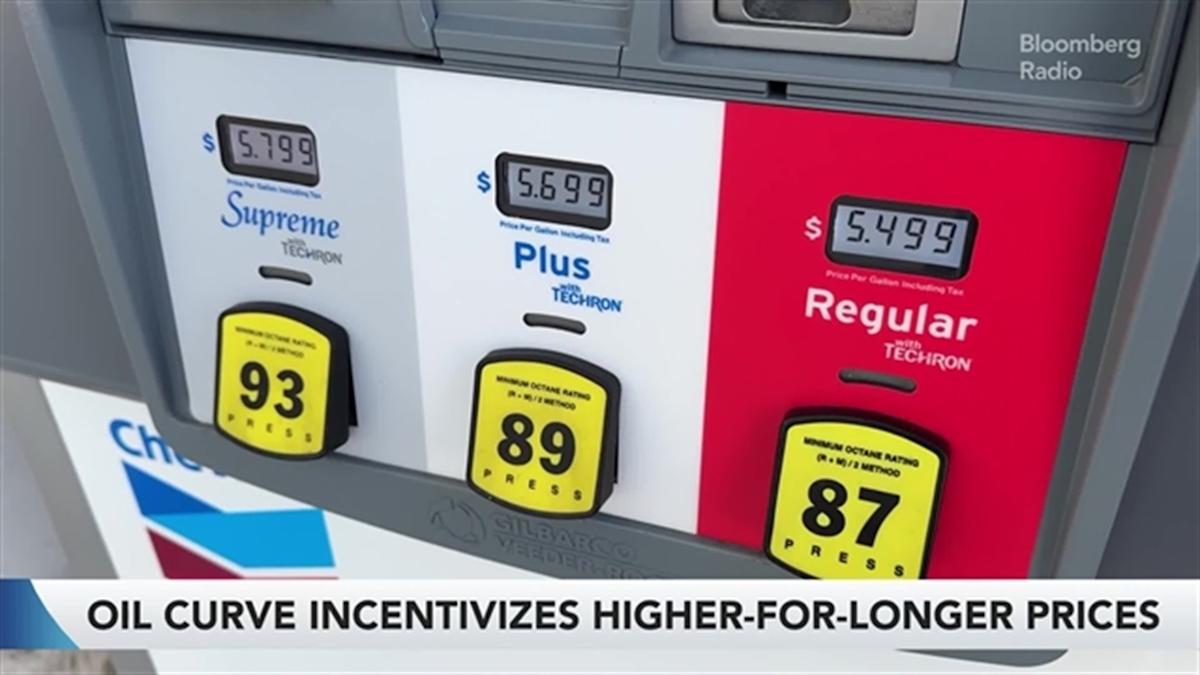
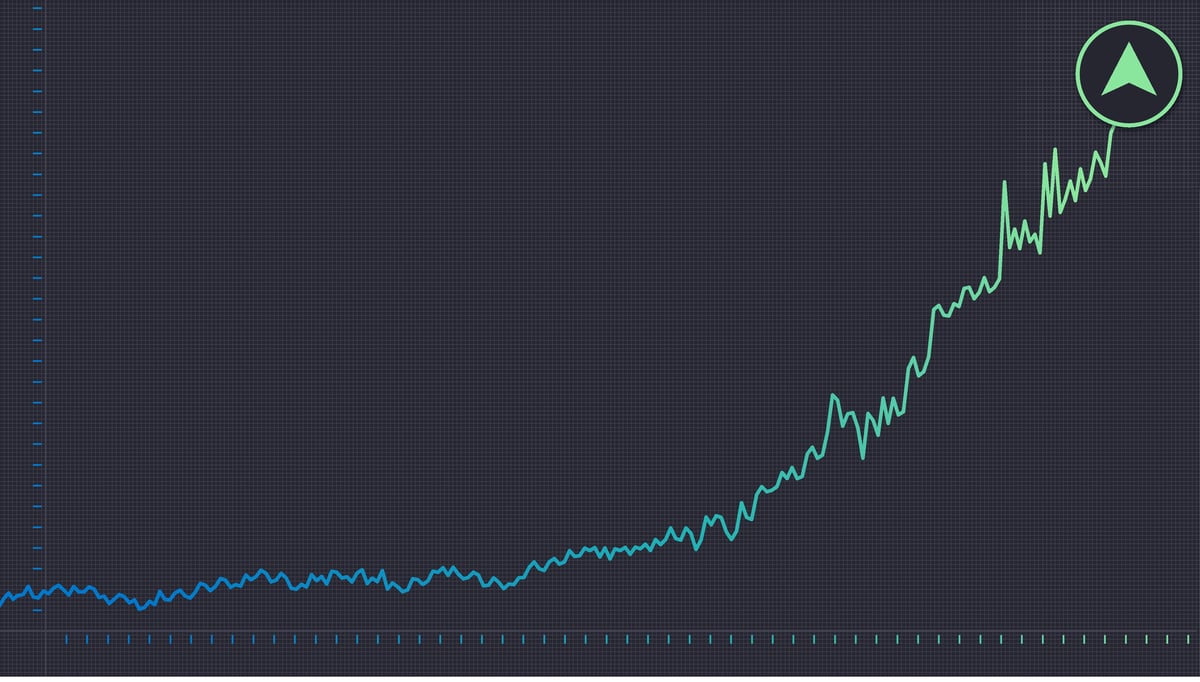
- Strong Market Performance: The energy sector has emerged as the best-performing area of the stock market this year, driven by surging energy prices due to the war in Iran, attracting significant investor interest and highlighting the sector's profit potential and market confidence.
- Chevron's Stability: Chevron (CVX) operates in over 180 countries with a daily output exceeding 2 million oil-equivalent barrels, and with less than 5% of its investments in the Middle East, its cash flow remains stable, making it a suitable long-term hold amid current geopolitical uncertainties.
- Enbridge's Competitive Edge: Enbridge (ENB), as a major pipeline owner serving approximately 75% of North America's refineries, boasts a gross margin of 30.95% and a dividend yield of 4.91%, underscoring its significance in a high-barrier market and ensuring long-term profitability.
- ConocoPhillips' Efficiency: ConocoPhillips (COP) focuses solely on crude oil exploration and extraction, known for its lower cost structure and efficient drilling techniques, which, despite its profits being highly tied to oil prices, provide a competitive advantage through scale and efficiency during market fluctuations.
Trade with 70% Backtested Accuracy
Stop guessing "Should I Buy CVX?" and start using high-conviction signals backed by rigorous historical data.
Sign up today to access powerful investing tools and make smarter, data-driven decisions.
Analyst Views on CVX
Wall Street analysts forecast CVX stock price to fall
19 Analyst Rating
15 Buy
4 Hold
0 Sell
Strong Buy
Current: 183.030

Low
158.00
Averages
176.95
High
206.00
Current: 183.030
Low
158.00
Averages
176.95
High
206.00
About CVX
Chevron Corporation is an integrated energy company. The Company produces crude oil and natural gas; manufactures transportation fuels, lubricants, petrochemicals and additives; and develops technologies that enhance its business and industry. The Company’s segments include Upstream and Downstream. Upstream operations consist primarily of exploring for, developing, producing and transporting crude oil and natural gas; liquefaction, transportation and regasification associated with LNG; transporting crude oil by major international oil export pipelines; processing, transporting, storage and marketing of natural gas; carbon capture and storage; and a gas-to-liquids plant. Downstream operations consist primarily of the refining of crude oil into petroleum products; marketing crude oil, refined products, and lubricants; manufacturing and marketing of renewable fuels, and transporting of crude oil and refined products by pipeline, marine vessel, motor equipment and rail car.
About the author

Emily J. Thompson
Emily J. Thompson, a Chartered Financial Analyst (CFA) with 12 years in investment research, graduated with honors from the Wharton School. Specializing in industrial and technology stocks, she provides in-depth analysis for Intellectia’s earnings and market brief reports.
Chevron Seeks Approval to Acquire 70% Stake in Greek Offshore Block

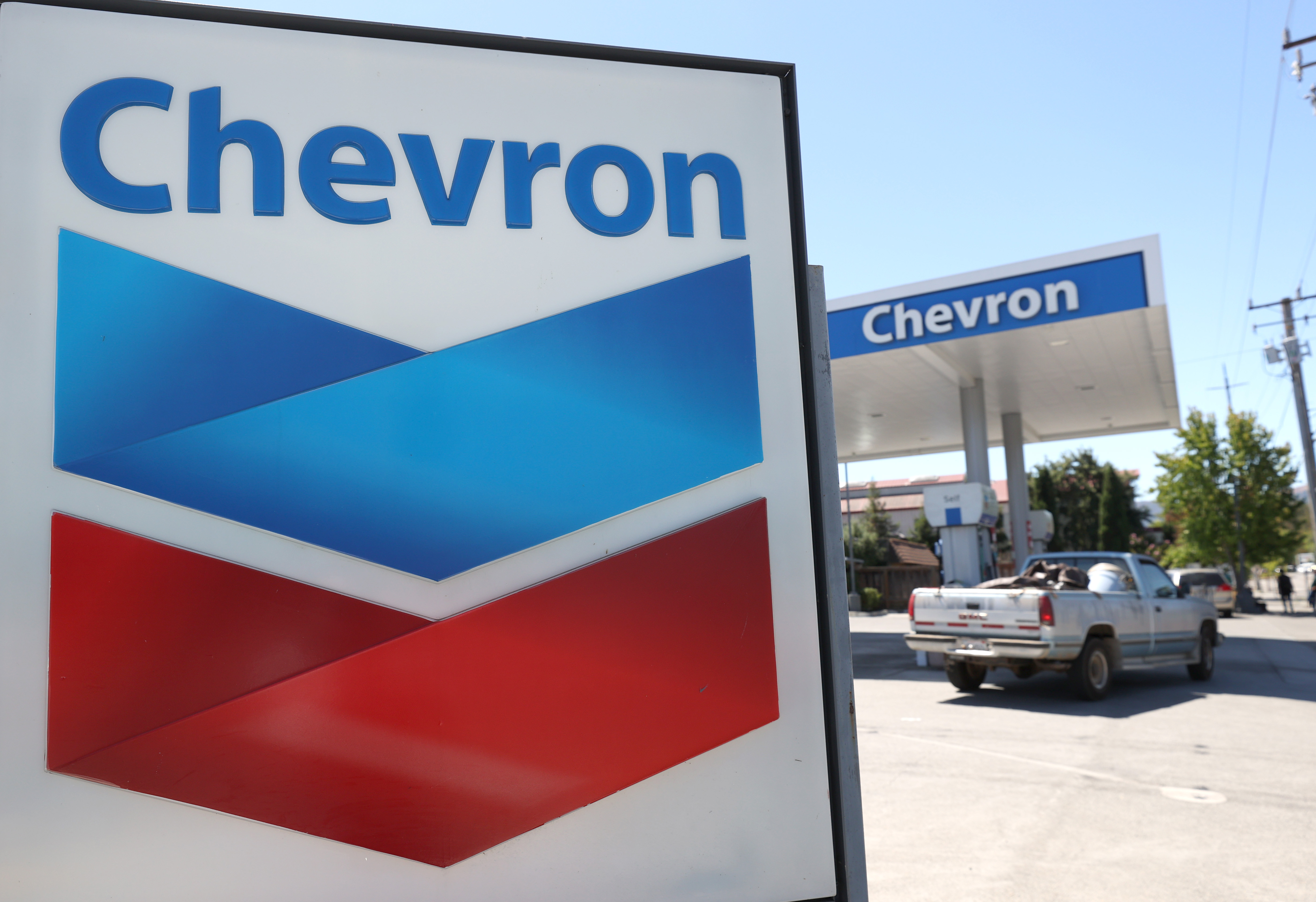
- Acquisition Request: Chevron has formally requested approval from the Greek energy ministry to acquire a 70% stake in an offshore block southwest of Greece, which would further expand its operations in the Mediterranean and enhance its market position in the region.
- Operational Role: If approved, Chevron would become the operator and lead the gas exploration in Block 2 in the Ionian Sea, with Helleniq Energy retaining a 30% stake, which currently holds 100% of the concession rights, indicating a significant shift in operational control.
- Data Evaluation Extension: The Greek government is considering granting Chevron and Helleniq more time to evaluate completed seismic data, which will influence their decision on exploratory drilling, reflecting the government's emphasis on foreign investment participation.
- Partnership Dynamics: Chevron and Helleniq are partners in several offshore exploration blocks, having recently signed lease agreements for four offshore blocks south of Crete and the Peloponnese, demonstrating a deepening collaboration in the Greek market.
See More

Energy Stocks Surge Amid Geopolitical Turmoil and AI Demand

- Chevron's Profit Surge: Chevron (CVX) has leveraged strict cost discipline and high oil prices, with crude oil reaching $90 per barrel, significantly boosting shareholder returns and enhancing its competitive position in the market through increased profits and free cash flow.
- Brookfield's Rapid Expansion: Brookfield Renewable (BEPC) commissioned over 9 GW of new capacity last year and is on track to achieve a commissioning run rate of 10 GW annually by 2027, benefiting from stable cash flows and inflation-indexed revenues amid rising energy demand.
- Constellation's Nuclear Power Advantage: Constellation Energy (CEG) operates the largest nuclear fleet in the U.S. with 22 GW of nuclear capacity, positioning itself favorably to meet zero-emission goals while capitalizing on market flexibility during energy constraints.
- Increased Investor Focus on Energy Stocks: The geopolitical turmoil in the Middle East and the surging demand from AI data centers have heightened investor interest in companies capable of providing fuel and reliable power, likely driving stock prices and market performance for these energy firms.
See More

Energy Stocks Benefit from Market Turmoil
- Oil Price Surge: Geopolitical turmoil in the Middle East and disruptions around the Strait of Hormuz have sharply increased oil and gas prices, driving strong performance in energy stocks in 2026, with Chevron's free cash flow significantly boosted and expected to continue rewarding shareholders.
- Chevron's Low-Cost Advantage: Chevron's corporate break-even price is around $50 per barrel, benefiting from high-margin assets in the Gulf of Mexico and a 30% stake in Guyana, allowing for higher profits and cash flow during rising oil prices.
- Brookfield Renewable's Growth: Brookfield Renewable operates over 47 gigawatts of capacity globally and aims to add 10 gigawatts of new generation capacity annually by 2027, expected to attract investors through stable cash flow and long-term returns of 12%-15%.
- Constellation Energy's Nuclear Power Edge: Constellation Energy boasts a total capacity of 55 gigawatts, with 22 gigawatts from nuclear energy, making it the largest commercial nuclear operator in the U.S., meeting zero-emission goals while locking in high electricity prices in the market.
See More

Iran War Exacerbates Economic Inequality in the U.S.
- Market Recovery vs. Economic Reality: While the S&P 500 index dipped 8% at the onset of the Iran war, it rebounded 19% starting late March, resulting in a 10.7% year-to-date increase, highlighting a stark contrast between stock market performance and the economic struggles faced by ordinary Americans.
- Income Decline and Savings Crisis: Real disposable income for Americans fell by 0.2% in March and another 0.5% in April, with the personal savings rate plummeting to 2.6%, indicating that households are forced to cut savings to cope with the energy crisis.
- Corporate Profits vs. Labor Income Share: Despite booming profits for large U.S. companies, labor's share of gross domestic income has dropped to 51%, the lowest in 79 years, illustrating that economic prosperity is not benefiting the majority of workers.
- Oil Price Fluctuations and Market Response: Following Trump's consideration of a potential deal with Iran, Brent crude futures fell by about $1.70 to just below $92 per barrel, but the actual economic recovery is expected to take months, reflecting the lag between market reactions and real-world impacts.
See More

Market Faces Uncertainty; Investors Should Exercise Caution

- High Market Valuation: The S&P 500 index's current P/E ratio stands at 27.5, significantly above the historical average of 19, indicating that the market may not be fully accounting for potential summer economic pressures, prompting investors to approach with caution regarding possible corrections.
- Rising Energy Prices: Geopolitical conflicts in the Middle East have sharply increased energy prices, with oil executives warning that the market is neglecting energy fundamentals, suggesting it may take months for markets to normalize, which could further elevate global inflation and recession fears.
- Berkshire's Cash Reserves: Berkshire Hathaway reported nearly $400 billion in cash at the end of Q1 2026, reflecting a cautious stance amid high market valuations, potentially providing a safety margin for conservative investors.
- Coca-Cola Investment Opportunity: Coca-Cola's P/E ratio is below its five-year average, and while not cheap, its 2.6% dividend yield offers investors a reliable cash flow, making it an attractive option for those seeking safety in a potential bear market.
See More

Cautious Investors Should Heed Market Highs
- Valuation Warning: The S&P 500's current P/E ratio of 27.5x significantly exceeds the historical average of 19x, indicating that the market may not be fully accounting for potential summer economic headwinds, suggesting cautious investors should remain vigilant against possible corrections.
- Rising Energy Prices: Geopolitical conflicts in the Middle East have sharply increased energy prices, with oil executives warning that Wall Street is overlooking the fundamentals of the energy sector, which may take months to normalize, exacerbating global inflation and recession concerns.
- Cash Reserve Strategy: Berkshire Hathaway's nearly $400 billion cash position at the end of Q1 2026 highlights the necessity of conservative investment strategies in uncertain market conditions, especially as the S&P 500 hovers near all-time highs.
- Coca-Cola Investment Opportunity: While Coca-Cola's P/E ratio is below its five-year average and offers a 2.6% above-market dividend yield, analysts suggest that in the current market environment, investors should be cautious and consider other potential high-return stocks.
See More
Chevron Seeks Approval to Acquire 70% Stake in Greek Offshore Block
- Acquisition Request: Chevron has formally requested approval from the Greek energy ministry to acquire a 70% stake in an offshore block southwest of Greece, which would further expand its operations in the Mediterranean and enhance its market position in the region.
- Operational Role: If approved, Chevron would become the operator and lead the gas exploration in Block 2 in the Ionian Sea, with Helleniq Energy retaining a 30% stake, which currently holds 100% of the concession rights, indicating a significant shift in operational control.
- Data Evaluation Extension: The Greek government is considering granting Chevron and Helleniq more time to evaluate completed seismic data, which will influence their decision on exploratory drilling, reflecting the government's emphasis on foreign investment participation.
- Partnership Dynamics: Chevron and Helleniq are partners in several offshore exploration blocks, having recently signed lease agreements for four offshore blocks south of Crete and the Peloponnese, demonstrating a deepening collaboration in the Greek market.
See More
Energy Stocks Surge Amid Geopolitical Turmoil and AI Demand
- Chevron's Profit Surge: Chevron (CVX) has leveraged strict cost discipline and high oil prices, with crude oil reaching $90 per barrel, significantly boosting shareholder returns and enhancing its competitive position in the market through increased profits and free cash flow.
- Brookfield's Rapid Expansion: Brookfield Renewable (BEPC) commissioned over 9 GW of new capacity last year and is on track to achieve a commissioning run rate of 10 GW annually by 2027, benefiting from stable cash flows and inflation-indexed revenues amid rising energy demand.
- Constellation's Nuclear Power Advantage: Constellation Energy (CEG) operates the largest nuclear fleet in the U.S. with 22 GW of nuclear capacity, positioning itself favorably to meet zero-emission goals while capitalizing on market flexibility during energy constraints.
- Increased Investor Focus on Energy Stocks: The geopolitical turmoil in the Middle East and the surging demand from AI data centers have heightened investor interest in companies capable of providing fuel and reliable power, likely driving stock prices and market performance for these energy firms.
See More
Energy Stocks Benefit from Market Turmoil
- Oil Price Surge: Geopolitical turmoil in the Middle East and disruptions around the Strait of Hormuz have sharply increased oil and gas prices, driving strong performance in energy stocks in 2026, with Chevron's free cash flow significantly boosted and expected to continue rewarding shareholders.
- Chevron's Low-Cost Advantage: Chevron's corporate break-even price is around $50 per barrel, benefiting from high-margin assets in the Gulf of Mexico and a 30% stake in Guyana, allowing for higher profits and cash flow during rising oil prices.
- Brookfield Renewable's Growth: Brookfield Renewable operates over 47 gigawatts of capacity globally and aims to add 10 gigawatts of new generation capacity annually by 2027, expected to attract investors through stable cash flow and long-term returns of 12%-15%.
- Constellation Energy's Nuclear Power Edge: Constellation Energy boasts a total capacity of 55 gigawatts, with 22 gigawatts from nuclear energy, making it the largest commercial nuclear operator in the U.S., meeting zero-emission goals while locking in high electricity prices in the market.
See More
Iran War Exacerbates Economic Inequality in the U.S.
- Market Recovery vs. Economic Reality: While the S&P 500 index dipped 8% at the onset of the Iran war, it rebounded 19% starting late March, resulting in a 10.7% year-to-date increase, highlighting a stark contrast between stock market performance and the economic struggles faced by ordinary Americans.
- Income Decline and Savings Crisis: Real disposable income for Americans fell by 0.2% in March and another 0.5% in April, with the personal savings rate plummeting to 2.6%, indicating that households are forced to cut savings to cope with the energy crisis.
- Corporate Profits vs. Labor Income Share: Despite booming profits for large U.S. companies, labor's share of gross domestic income has dropped to 51%, the lowest in 79 years, illustrating that economic prosperity is not benefiting the majority of workers.
- Oil Price Fluctuations and Market Response: Following Trump's consideration of a potential deal with Iran, Brent crude futures fell by about $1.70 to just below $92 per barrel, but the actual economic recovery is expected to take months, reflecting the lag between market reactions and real-world impacts.
See More
Market Faces Uncertainty; Investors Should Exercise Caution
- High Market Valuation: The S&P 500 index's current P/E ratio stands at 27.5, significantly above the historical average of 19, indicating that the market may not be fully accounting for potential summer economic pressures, prompting investors to approach with caution regarding possible corrections.
- Rising Energy Prices: Geopolitical conflicts in the Middle East have sharply increased energy prices, with oil executives warning that the market is neglecting energy fundamentals, suggesting it may take months for markets to normalize, which could further elevate global inflation and recession fears.
- Berkshire's Cash Reserves: Berkshire Hathaway reported nearly $400 billion in cash at the end of Q1 2026, reflecting a cautious stance amid high market valuations, potentially providing a safety margin for conservative investors.
- Coca-Cola Investment Opportunity: Coca-Cola's P/E ratio is below its five-year average, and while not cheap, its 2.6% dividend yield offers investors a reliable cash flow, making it an attractive option for those seeking safety in a potential bear market.
See More
Cautious Investors Should Heed Market Highs
- Valuation Warning: The S&P 500's current P/E ratio of 27.5x significantly exceeds the historical average of 19x, indicating that the market may not be fully accounting for potential summer economic headwinds, suggesting cautious investors should remain vigilant against possible corrections.
- Rising Energy Prices: Geopolitical conflicts in the Middle East have sharply increased energy prices, with oil executives warning that Wall Street is overlooking the fundamentals of the energy sector, which may take months to normalize, exacerbating global inflation and recession concerns.
- Cash Reserve Strategy: Berkshire Hathaway's nearly $400 billion cash position at the end of Q1 2026 highlights the necessity of conservative investment strategies in uncertain market conditions, especially as the S&P 500 hovers near all-time highs.
- Coca-Cola Investment Opportunity: While Coca-Cola's P/E ratio is below its five-year average and offers a 2.6% above-market dividend yield, analysts suggest that in the current market environment, investors should be cautious and consider other potential high-return stocks.
See More