Investment Opportunities in Energy Stocks
Written by Emily J. Thompson, Senior Investment Analyst
Updated: Mar 01 2026
0mins

Should l Buy OXY?
Source: Fool
- Market Sentiment: Energy stocks are currently unloved, particularly viewed as 'dirty' by ESG investors; however, they serve as a natural hedge in portfolios during oil price surges, which often coincide with global economic disruptions.
- Chevron's Expansion Strategy: Chevron (CVX) recently acquired Hess and plans to invest $18 billion to $19 billion in global exploration by 2026, producing 4 million barrels of oil daily, which constitutes about 4% of global output, significantly enhancing its profitability.
- Occidental's Market Position: Occidental Petroleum (OXY) is a major natural gas producer in the Permian Basin, with production below 1.5 million barrels per day; as electricity demand from data centers surges, natural gas prices are expected to rise, potentially boosting its earnings.
- Earnings Volatility: Occidental generated $2.5 billion in net income over the last year, a stark decline from over $10 billion at its peak; while short-term natural gas price drops may hurt profits, long-term demand growth could provide a solid foundation for recovery.
Trade with 70% Backtested Accuracy
Stop guessing "Should I Buy OXY?" and start using high-conviction signals backed by rigorous historical data.
Sign up today to access powerful investing tools and make smarter, data-driven decisions.
Analyst Views on OXY
Wall Street analysts forecast OXY stock price to fall
16 Analyst Rating
4 Buy
9 Hold
3 Sell
Hold
Current: 62.230

Low
38.00
Averages
47.27
High
64.00
Current: 62.230
Low
38.00
Averages
47.27
High
64.00
About OXY
Occidental Petroleum Corporation is an international energy company with assets primarily in the United States, the Middle East and North Africa. The Company is an oil and gas producer in the United States, including a producer in the Permian and DJ basins, and the offshore Gulf of Mexico. Its segments include oil and gas, and midstream and marketing. The oil and gas segment explores for, develops, and produces oil (which includes condensate), natural gas liquids (NGL) and natural gas. The Company's midstream and marketing segment purchases, markets, gathers, processes, transports, and stores oil (which includes condensate), NGL, natural gas, carbon dioxide (CO2) and power. The midstream and marketing segment provides flow assurance and maximizes the value of its oil and gas. It also optimizes its transportation and storage capacity and invests in entities that conduct similar activities. This segment also includes low-carbon venture businesses.
About the author

Emily J. Thompson
Emily J. Thompson, a Chartered Financial Analyst (CFA) with 12 years in investment research, graduated with honors from the Wharton School. Specializing in industrial and technology stocks, she provides in-depth analysis for Intellectia’s earnings and market brief reports.
U.S. Crude Oil Contract Hits Historic Premium


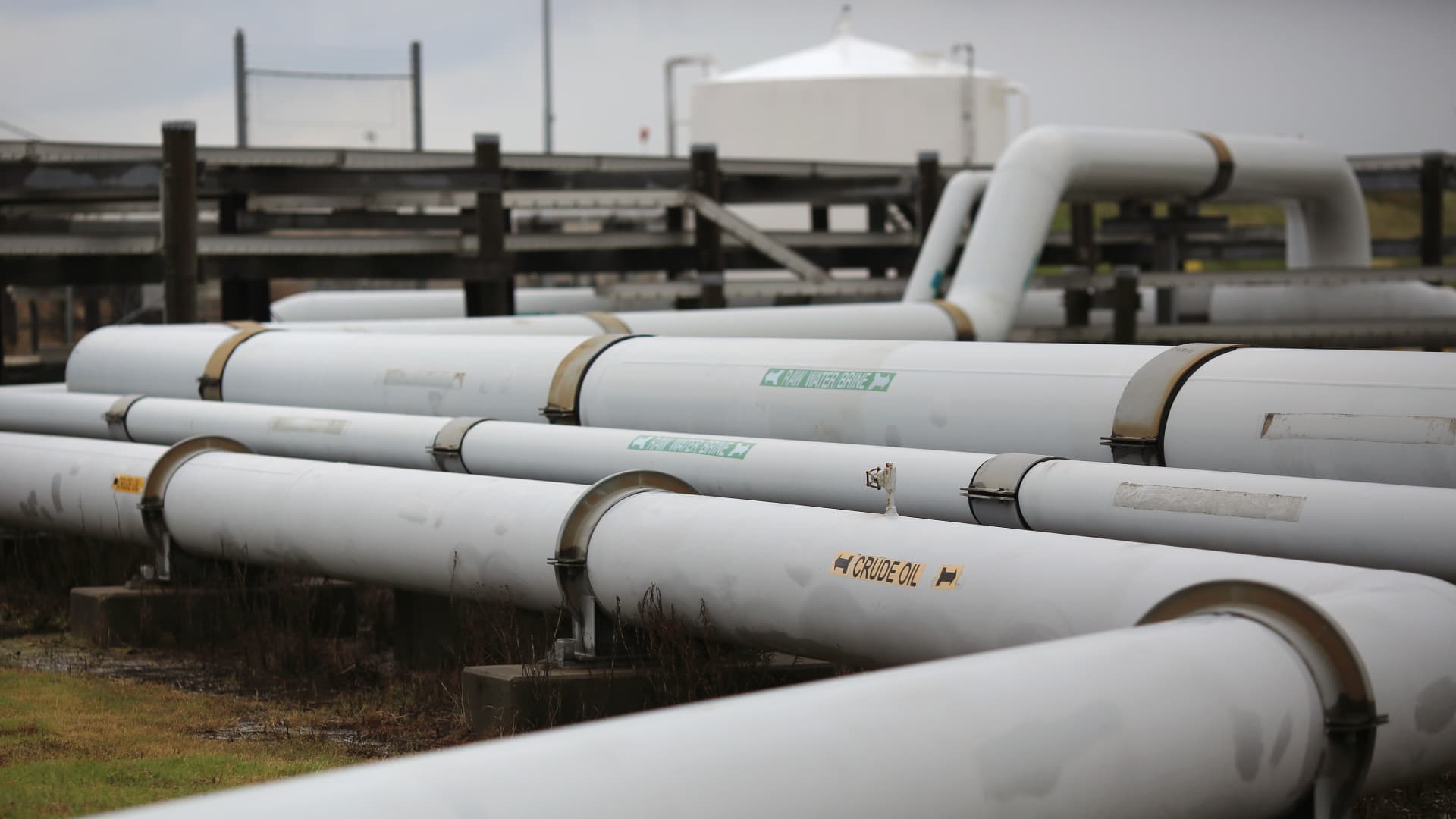
- Historic Premium: The nearest U.S. crude oil delivery contract traded at a historic premium, with May West Texas Intermediate prices rising over 11% to close at $111.54 per barrel, more than $13 above the June price, indicating market expectations of tight future supply.
- Price Volatility Impact: Following President Trump's declaration of military action against Iran, oil prices experienced significant volatility, closing at $100.12 per barrel on Wednesday before rebounding sharply, reflecting investor disappointment over the lack of a quick resolution to the conflict.
- Brent Oil Surge: The spot price for Brent crude soared to $141.36 per barrel, the highest since the 2008 financial crisis, indicating strong market demand and tight physical supply due to the disruption caused by Iran's closure of the Strait of Hormuz.
- Market Sentiment Shift: The market's reaction to Trump's speech revealed a shift in investor sentiment, with many shorts covering positions after the address, leading to a rise in May contract prices and reflecting an optimistic outlook for future oil prices.
See More
Trump's Speech Triggers Surge in Oil Prices
- Prolonged Conflict Impact: Trump's speech indicated that the war with Iran will continue for weeks, with nearly 1 billion barrels of oil expected to be lost by the end of the month, including 600 million barrels of crude and 350 million barrels of refined products, exacerbating deep disruptions to global energy supplies and causing oil prices to surge over 10%.
- Market Reaction: Brent crude prices jumped more than 6% to exceed $107 following Trump's remarks, as the market rapidly priced in expectations of a prolonged conflict, with buyers in Houston willing to pay nearly $120, reflecting concerns over future supply tightness.
- Inventory Pressure: With the ongoing war, a total loss of 630 million barrels of oil and products is forecasted by the end of June, leading to inventory pressures that could see onshore stocks drop to multi-year lows as early as August, intensifying physical tightness in the global market.
- Fuel Shortage Warning: Shell's CEO warned that fuel shortages will first hit South Asia, followed by Southeast Asia and Europe, with U.S. retail gasoline prices expected to surge to $4.25 to $4.45 per gallon in the next two weeks, while diesel prices could rise to $5.80 to $6.05.
See More

Stock Markets Pressured by Soaring Oil Prices


- Oil Price Surge Pressures Markets: Stock indexes are under pressure as crude oil prices soar over 8% following President Trump's aggressive stance on Iran, leading to a 0.06% drop in the S&P 500, a 0.23% decline in the Dow, and a 0.20% fall in the Nasdaq 100, indicating heightened inflation concerns among investors.
- Unexpected Jobless Claims Drop: Despite market pressures, initial jobless claims fell by 9,000 to 202,000, indicating a stronger labor market than anticipated, which may provide some support for stocks and alleviate investor fears of an economic slowdown.
- Divergent Energy Sector Performance: Energy producers like Diamondback Energy rose over 2% due to soaring WTI prices, while airline stocks such as American Airlines and Carnival fell more than 4% as rising fuel costs cut into profits, highlighting a clear divergence across sectors.
- Tech Stocks Decline: Chipmakers and AI infrastructure stocks retreated, with ARM Holdings leading the Nasdaq 100 down over 5%, reflecting waning confidence in tech stocks and potentially impacting future investment decisions.
See More

US Stocks Plummet as Oil Prices Surge

- Oil Price Surge: Crude oil prices soared over 13% as President Trump took a tougher stance on Iran, reaching a 3.5-week high, which not only heightened inflation fears but also pushed bond yields higher, with the 10-year T-note yield rising by 2 basis points to 4.34%.
- Unemployment Claims Drop: Weekly initial unemployment claims unexpectedly fell by 9,000 to 202,000, indicating a stronger labor market than the anticipated increase to 212,000, which could provide support for the stock market amid rising inflation concerns.
- Global Market Decline: Overseas stock markets are lower, with the Euro Stoxx 50 down 2.25%, China's Shanghai Composite down 0.74%, and Japan's Nikkei 225 sharply falling 2.38% from a two-week high, reflecting global economic uncertainty and investor caution.
- Airline Stocks Plummet: Airline stocks are sharply lower as crude oil prices surged over 10%, raising fuel costs; United Airlines and American Airlines Group both fell more than 6%, highlighting the direct impact of rising oil prices on airline profitability.
See More

Asia-Pacific Markets Decline as Oil Prices Surge
- Oil Price Surge Impact: Following Trump's address on the Iran war, oil prices surged, with U.S. crude futures rising 6% to $106.39 and global benchmark Brent increasing 6.7% to $107.97, leading to widespread declines in Asia-Pacific markets.
- Korean Market Plunge: The KOSPI index in South Korea dropped 4.47% to close at 5,234.05, making it the worst-performing market in the region despite opening over 1% higher.
- Japanese Market Reaction: Japan's Nikkei 225 fell 2.38% to 52,463.27 after Trump's speech, indicating the market's sensitivity to geopolitical tensions.
- U.S. Futures Decline: U.S. stock futures fell broadly, with S&P 500 and Nasdaq-100 futures down over 1%, and Dow futures dropping 439 points, reflecting investor anxiety about future market conditions.
See More
Trump Threatens Hard Hits on Iran in Coming Weeks
- Market Reaction: Trump's national address threatening to hit Iran 'extremely hard' led to a significant drop in Asian stocks, with South Korea's KOSPI plunging 4.37%, indicating market sensitivity to geopolitical tensions.
- Rising Treasury Yields: Following the speech, the yield on the benchmark 10-year U.S. Treasury notes climbed 6 basis points to 4.38%, reflecting a sell-off in the bond market that could impact future borrowing costs.
- Oil Price Volatility: Brent crude futures surged 5.37% to $106.59 per barrel, highlighting market concerns over potential disruptions in energy supply, exacerbated by Trump's statements about escalating tensions.
- Currency Market Fluctuations: The U.S. dollar index rose 0.37% to 100.02, while the Japanese yen and South Korean won weakened by 0.38% and 0.6%, respectively, indicating increased confidence in U.S. economic policy amidst regional uncertainties.
See More
U.S. Crude Oil Contract Hits Historic Premium
- Historic Premium: The nearest U.S. crude oil delivery contract traded at a historic premium, with May West Texas Intermediate prices rising over 11% to close at $111.54 per barrel, more than $13 above the June price, indicating market expectations of tight future supply.
- Price Volatility Impact: Following President Trump's declaration of military action against Iran, oil prices experienced significant volatility, closing at $100.12 per barrel on Wednesday before rebounding sharply, reflecting investor disappointment over the lack of a quick resolution to the conflict.
- Brent Oil Surge: The spot price for Brent crude soared to $141.36 per barrel, the highest since the 2008 financial crisis, indicating strong market demand and tight physical supply due to the disruption caused by Iran's closure of the Strait of Hormuz.
- Market Sentiment Shift: The market's reaction to Trump's speech revealed a shift in investor sentiment, with many shorts covering positions after the address, leading to a rise in May contract prices and reflecting an optimistic outlook for future oil prices.
See More
Trump's Speech Triggers Surge in Oil Prices
- Prolonged Conflict Impact: Trump's speech indicated that the war with Iran will continue for weeks, with nearly 1 billion barrels of oil expected to be lost by the end of the month, including 600 million barrels of crude and 350 million barrels of refined products, exacerbating deep disruptions to global energy supplies and causing oil prices to surge over 10%.
- Market Reaction: Brent crude prices jumped more than 6% to exceed $107 following Trump's remarks, as the market rapidly priced in expectations of a prolonged conflict, with buyers in Houston willing to pay nearly $120, reflecting concerns over future supply tightness.
- Inventory Pressure: With the ongoing war, a total loss of 630 million barrels of oil and products is forecasted by the end of June, leading to inventory pressures that could see onshore stocks drop to multi-year lows as early as August, intensifying physical tightness in the global market.
- Fuel Shortage Warning: Shell's CEO warned that fuel shortages will first hit South Asia, followed by Southeast Asia and Europe, with U.S. retail gasoline prices expected to surge to $4.25 to $4.45 per gallon in the next two weeks, while diesel prices could rise to $5.80 to $6.05.
See More
Stock Markets Pressured by Soaring Oil Prices
- Oil Price Surge Pressures Markets: Stock indexes are under pressure as crude oil prices soar over 8% following President Trump's aggressive stance on Iran, leading to a 0.06% drop in the S&P 500, a 0.23% decline in the Dow, and a 0.20% fall in the Nasdaq 100, indicating heightened inflation concerns among investors.
- Unexpected Jobless Claims Drop: Despite market pressures, initial jobless claims fell by 9,000 to 202,000, indicating a stronger labor market than anticipated, which may provide some support for stocks and alleviate investor fears of an economic slowdown.
- Divergent Energy Sector Performance: Energy producers like Diamondback Energy rose over 2% due to soaring WTI prices, while airline stocks such as American Airlines and Carnival fell more than 4% as rising fuel costs cut into profits, highlighting a clear divergence across sectors.
- Tech Stocks Decline: Chipmakers and AI infrastructure stocks retreated, with ARM Holdings leading the Nasdaq 100 down over 5%, reflecting waning confidence in tech stocks and potentially impacting future investment decisions.
See More
US Stocks Plummet as Oil Prices Surge
- Oil Price Surge: Crude oil prices soared over 13% as President Trump took a tougher stance on Iran, reaching a 3.5-week high, which not only heightened inflation fears but also pushed bond yields higher, with the 10-year T-note yield rising by 2 basis points to 4.34%.
- Unemployment Claims Drop: Weekly initial unemployment claims unexpectedly fell by 9,000 to 202,000, indicating a stronger labor market than the anticipated increase to 212,000, which could provide support for the stock market amid rising inflation concerns.
- Global Market Decline: Overseas stock markets are lower, with the Euro Stoxx 50 down 2.25%, China's Shanghai Composite down 0.74%, and Japan's Nikkei 225 sharply falling 2.38% from a two-week high, reflecting global economic uncertainty and investor caution.
- Airline Stocks Plummet: Airline stocks are sharply lower as crude oil prices surged over 10%, raising fuel costs; United Airlines and American Airlines Group both fell more than 6%, highlighting the direct impact of rising oil prices on airline profitability.
See More
Asia-Pacific Markets Decline as Oil Prices Surge
- Oil Price Surge Impact: Following Trump's address on the Iran war, oil prices surged, with U.S. crude futures rising 6% to $106.39 and global benchmark Brent increasing 6.7% to $107.97, leading to widespread declines in Asia-Pacific markets.
- Korean Market Plunge: The KOSPI index in South Korea dropped 4.47% to close at 5,234.05, making it the worst-performing market in the region despite opening over 1% higher.
- Japanese Market Reaction: Japan's Nikkei 225 fell 2.38% to 52,463.27 after Trump's speech, indicating the market's sensitivity to geopolitical tensions.
- U.S. Futures Decline: U.S. stock futures fell broadly, with S&P 500 and Nasdaq-100 futures down over 1%, and Dow futures dropping 439 points, reflecting investor anxiety about future market conditions.
See More
Trump Threatens Hard Hits on Iran in Coming Weeks
- Market Reaction: Trump's national address threatening to hit Iran 'extremely hard' led to a significant drop in Asian stocks, with South Korea's KOSPI plunging 4.37%, indicating market sensitivity to geopolitical tensions.
- Rising Treasury Yields: Following the speech, the yield on the benchmark 10-year U.S. Treasury notes climbed 6 basis points to 4.38%, reflecting a sell-off in the bond market that could impact future borrowing costs.
- Oil Price Volatility: Brent crude futures surged 5.37% to $106.59 per barrel, highlighting market concerns over potential disruptions in energy supply, exacerbated by Trump's statements about escalating tensions.
- Currency Market Fluctuations: The U.S. dollar index rose 0.37% to 100.02, while the Japanese yen and South Korean won weakened by 0.38% and 0.6%, respectively, indicating increased confidence in U.S. economic policy amidst regional uncertainties.
See More