Investment Comparison: Costco vs. Walmart
Written by Emily J. Thompson, Senior Investment Analyst
Updated: 58 minutes ago
0mins
Source: Fool
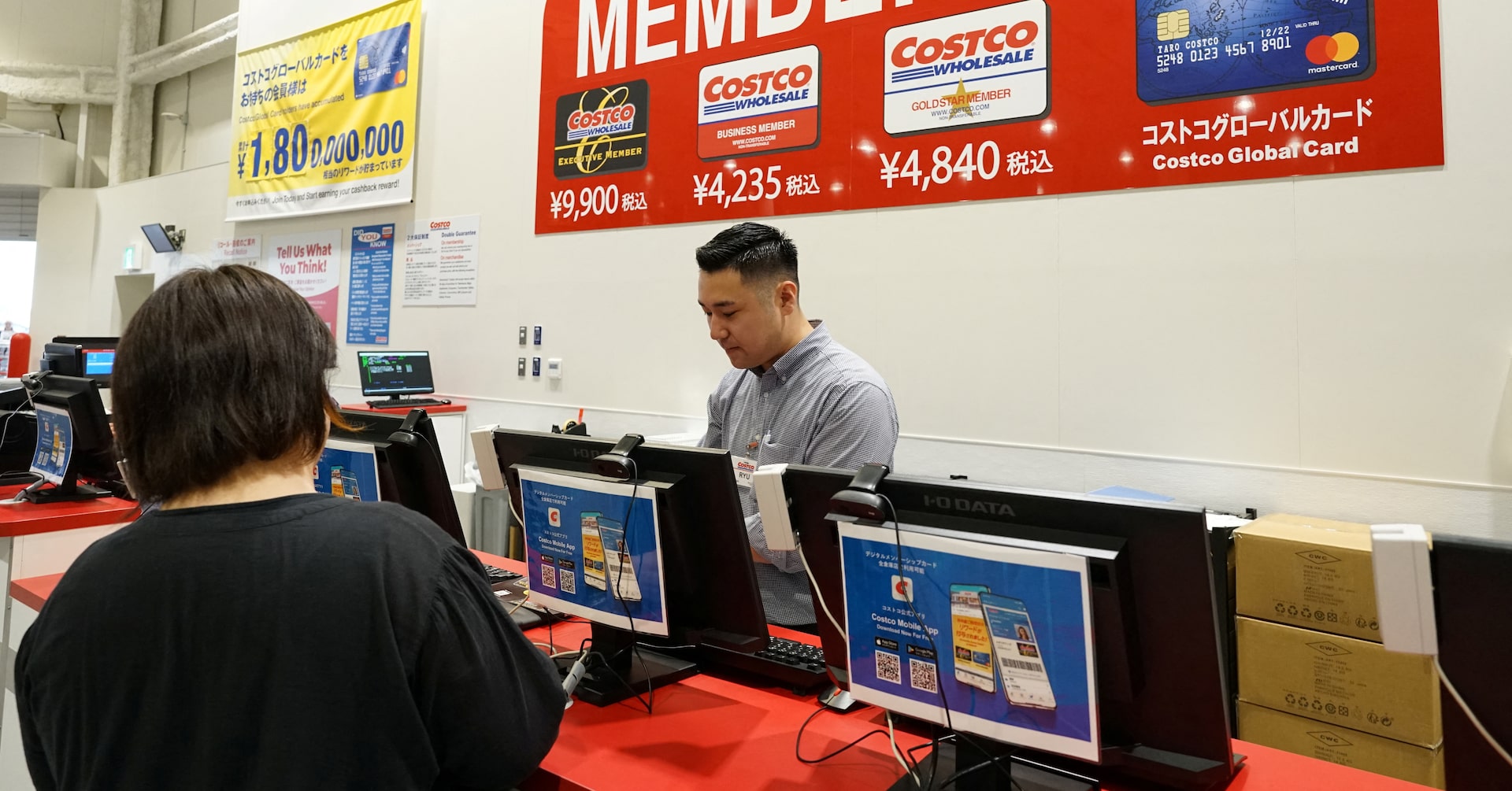
- Membership Advantage: Costco generates nearly all its profit from membership fees, having raised them for the first time in nearly a decade in 2024, which is expected to enhance revenue and profitability in a fiercely competitive retail market.
- Unique Shopping Experience: Costco attracts high-income consumers with a shopping experience that, despite zero advertising spend, is showcased through numerous social media videos, indicating strong brand loyalty that may underpin future sales growth.
- Walmart's Market Adaptation: Walmart leverages its scale to attract customers with the lowest prices, with 90% of Americans living within 10 miles of a store, and its e-commerce business has seen over 20% growth for five consecutive quarters, demonstrating resilience in competition.
- Valuation and Growth Expectations: Costco's stock trades at a high P/E ratio of 49, while analysts project only 9% to 10% annual earnings growth in the long term, potentially leading to disappointing returns for investors waiting for performance to align with its high valuation.
Trade with 70% Backtested Accuracy
Stop guessing "Should I Buy COST?" and start using high-conviction signals backed by rigorous historical data.
Sign up today to access powerful investing tools and make smarter, data-driven decisions.
Analyst Views on COST
Wall Street analysts forecast COST stock price to rise
24 Analyst Rating
19 Buy
4 Hold
1 Sell
Strong Buy
Current: 986.680

Low
769.00
Averages
1061
High
1205
Current: 986.680
Low
769.00
Averages
1061
High
1205
About COST
Costco Wholesale Corporation (Costco) operates membership warehouses and e-commerce sites that offer a selection of nationally branded and private-label products in a wide range of categories. The Company buys the majority of its merchandise directly from suppliers and route it to cross-docking consolidation points (depots) or directly to its warehouses. It operates 891 warehouses, including 614 in the United States and Puerto Rico, 108 in Canada, 40 in Mexico, 35 in Japan, 29 in the United Kingdom, 19 in Korea, 15 in Australia, 14 in Taiwan, seven in China, five in Spain, two in France, and one each in Iceland, New Zealand and Sweden. It also operates e-commerce sites in the United States, Canada, the United Kingdom, Mexico, Korea, Taiwan, Japan and Australia. The Company provides wide selection of merchandise, plus the convenience of specialty departments and exclusive member services.
About the author

Emily J. Thompson
Emily J. Thompson, a Chartered Financial Analyst (CFA) with 12 years in investment research, graduated with honors from the Wharton School. Specializing in industrial and technology stocks, she provides in-depth analysis for Intellectia’s earnings and market brief reports.
Investment Comparison: Costco vs. Walmart

- Membership Advantage: Costco generates nearly all its profit from membership fees, having raised them for the first time in nearly a decade in 2024, which is expected to enhance revenue and profitability in a fiercely competitive retail market.
- Unique Shopping Experience: Costco attracts high-income consumers with a shopping experience that, despite zero advertising spend, is showcased through numerous social media videos, indicating strong brand loyalty that may underpin future sales growth.
- Walmart's Market Adaptation: Walmart leverages its scale to attract customers with the lowest prices, with 90% of Americans living within 10 miles of a store, and its e-commerce business has seen over 20% growth for five consecutive quarters, demonstrating resilience in competition.
- Valuation and Growth Expectations: Costco's stock trades at a high P/E ratio of 49, while analysts project only 9% to 10% annual earnings growth in the long term, potentially leading to disappointing returns for investors waiting for performance to align with its high valuation.
See More

Comparing Amazon and Alphabet's Cloud Computing Growth


- Cloud Growth Comparison: Google Cloud achieved a 63% year-over-year growth rate in Q1 2025, while Amazon Web Services reported a 28% growth rate, indicating Google's rapid expansion in the cloud sector, which may further solidify its market leadership.
- Margin Differences: Alphabet consistently maintains a net profit margin above 30%, recently nearing 60%, while Amazon's net profit margin hovers around low double digits, highlighting Google's superior profitability and enhancing its flexibility for AI investments and stock buybacks.
- Investment Return Analysis: In Q1 2025, Amazon's net income included $16.8 billion from an early investment in Anthropic, while Google benefited from a $36.9 billion gain from its investment in SpaceX, illustrating differing investment strategies that impact financial performance.
- Market Performance Discrepancy: Over the past year, Amazon's stock rose by 12%, lagging behind the S&P 500, while Alphabet's stock more than doubled, showcasing a significant disparity in market performance that is likely to widen in future quarters.
See More

AI Drives Cloud Growth for Amazon and Alphabet
- Cloud Growth: Google Cloud achieved a 63% year-over-year growth rate in Q1, while Amazon Web Services saw a 28% increase, demonstrating Google's strong performance driven by enterprise AI demand, further solidifying its market position.
- Margin Comparison: Alphabet's net profit margin typically reaches 30%, soaring to 60% this quarter due to early investments in SpaceX and Anthropic, while Amazon's net profit margin at 13.6% appears less impressive, highlighting Google's profitability advantage.
- Investment Flexibility: With a 46.3% operating margin, Alphabet can accelerate AI investments and stock buybacks faster than Amazon, which is constrained by lower margins, potentially impacting future growth prospects.
- Market Performance Gap: Over the past year, Amazon's stock rose 12%, trailing the S&P 500, while Alphabet's stock more than doubled, indicating a significant disparity in market performance that may widen in the future.
See More

Costco and Other Stocks Show Earnings Acceleration Potential
- Earnings Acceleration Trend: Costco's expected earnings growth rate of 13.3% indicates its robust performance in the membership warehouse market, likely attracting more investor attention and driving stock price increases.
- Strong Growth Potential: Cummins boasts an expected earnings growth rate of 23.2%, and its diversified presence in the global power solutions market enhances its competitive edge, potentially increasing shareholder returns.
- Industry-Leading Performance: Kennametal's expected earnings growth rate of 123.1% highlights its leadership in advanced materials and industrial solutions, which may draw significant investor interest.
- Increased Market Attention: As the trend of earnings acceleration becomes evident, investor focus on these three companies (Costco, Cummins, and Kennametal) is expected to rise significantly, potentially leading to positive stock price reactions and boosting market investment enthusiasm.
See More

Highlights from Zacks Analyst Blog on Featured Stocks


- Costco Strong Performance: Over the past six months, Costco's shares have risen by 13.7%, closely matching the 14% growth of the discount retail sector, indicating that its membership-based warehouse model and strong customer loyalty are driving stable revenue and competitive market positioning.
- Surge in Lam Research Demand: Lam Research's stock has surged by 120.9% in the past six months, significantly outperforming the semiconductor industry’s 50% growth, driven by increased demand for deposition and etch tools fueled by AI, with expectations for continued growth in equipment spending through 2026.
- KLA Market Share Gains: KLA's shares have increased by 97.4% over the last six months, benefiting from AI-driven spending in advanced packaging and high-bandwidth memory, with projections indicating its advanced packaging revenue could reach approximately $1 billion in 2026, reflecting robust market demand.
- AXIL Brands Diversification: AXIL Brands' stock has risen by 24.4% over the past year, and despite tariff pressures, the company has maintained profitability while investing in growth by expanding its retail and online distribution channels, showcasing its core strengths in hearing enhancement and protection.
See More

U.S.-Iran Relations and Fed Meeting Preview

- U.S.-Iran Negotiations: The back-and-forth on U.S.-Iran negotiations has created volatility, with President Trump initially threatening action against Iran before suggesting a deal is imminent, impacting oil prices and market sentiment, necessitating cautious investor strategies amid uncertainty.
- Fed Meeting Preview: New Chair Kevin Warsh is expected to keep interest rates unchanged at Wednesday's meeting, with markets keenly awaiting his economic projections, particularly regarding inflation and job growth, which could influence future monetary policy decisions.
- Economic Data Focus: The May retail sales report, due Wednesday, is anticipated to show a 0.5% month-over-month increase, which will reflect consumer spending willingness and directly impact retail giants like TJX, Amazon, and Costco.
- Housing Market Insights: This week will see the release of May housing starts and pending home sales data; while high mortgage rates may dampen market activity, any signs of increased supply could alleviate price pressures, affecting investment outlooks for companies like Home Depot.
See More
Investment Comparison: Costco vs. Walmart
- Membership Advantage: Costco generates nearly all its profit from membership fees, having raised them for the first time in nearly a decade in 2024, which is expected to enhance revenue and profitability in a fiercely competitive retail market.
- Unique Shopping Experience: Costco attracts high-income consumers with a shopping experience that, despite zero advertising spend, is showcased through numerous social media videos, indicating strong brand loyalty that may underpin future sales growth.
- Walmart's Market Adaptation: Walmart leverages its scale to attract customers with the lowest prices, with 90% of Americans living within 10 miles of a store, and its e-commerce business has seen over 20% growth for five consecutive quarters, demonstrating resilience in competition.
- Valuation and Growth Expectations: Costco's stock trades at a high P/E ratio of 49, while analysts project only 9% to 10% annual earnings growth in the long term, potentially leading to disappointing returns for investors waiting for performance to align with its high valuation.
See More
Comparing Amazon and Alphabet's Cloud Computing Growth
- Cloud Growth Comparison: Google Cloud achieved a 63% year-over-year growth rate in Q1 2025, while Amazon Web Services reported a 28% growth rate, indicating Google's rapid expansion in the cloud sector, which may further solidify its market leadership.
- Margin Differences: Alphabet consistently maintains a net profit margin above 30%, recently nearing 60%, while Amazon's net profit margin hovers around low double digits, highlighting Google's superior profitability and enhancing its flexibility for AI investments and stock buybacks.
- Investment Return Analysis: In Q1 2025, Amazon's net income included $16.8 billion from an early investment in Anthropic, while Google benefited from a $36.9 billion gain from its investment in SpaceX, illustrating differing investment strategies that impact financial performance.
- Market Performance Discrepancy: Over the past year, Amazon's stock rose by 12%, lagging behind the S&P 500, while Alphabet's stock more than doubled, showcasing a significant disparity in market performance that is likely to widen in future quarters.
See More
AI Drives Cloud Growth for Amazon and Alphabet
- Cloud Growth: Google Cloud achieved a 63% year-over-year growth rate in Q1, while Amazon Web Services saw a 28% increase, demonstrating Google's strong performance driven by enterprise AI demand, further solidifying its market position.
- Margin Comparison: Alphabet's net profit margin typically reaches 30%, soaring to 60% this quarter due to early investments in SpaceX and Anthropic, while Amazon's net profit margin at 13.6% appears less impressive, highlighting Google's profitability advantage.
- Investment Flexibility: With a 46.3% operating margin, Alphabet can accelerate AI investments and stock buybacks faster than Amazon, which is constrained by lower margins, potentially impacting future growth prospects.
- Market Performance Gap: Over the past year, Amazon's stock rose 12%, trailing the S&P 500, while Alphabet's stock more than doubled, indicating a significant disparity in market performance that may widen in the future.
See More
Costco and Other Stocks Show Earnings Acceleration Potential
- Earnings Acceleration Trend: Costco's expected earnings growth rate of 13.3% indicates its robust performance in the membership warehouse market, likely attracting more investor attention and driving stock price increases.
- Strong Growth Potential: Cummins boasts an expected earnings growth rate of 23.2%, and its diversified presence in the global power solutions market enhances its competitive edge, potentially increasing shareholder returns.
- Industry-Leading Performance: Kennametal's expected earnings growth rate of 123.1% highlights its leadership in advanced materials and industrial solutions, which may draw significant investor interest.
- Increased Market Attention: As the trend of earnings acceleration becomes evident, investor focus on these three companies (Costco, Cummins, and Kennametal) is expected to rise significantly, potentially leading to positive stock price reactions and boosting market investment enthusiasm.
See More
Highlights from Zacks Analyst Blog on Featured Stocks
- Costco Strong Performance: Over the past six months, Costco's shares have risen by 13.7%, closely matching the 14% growth of the discount retail sector, indicating that its membership-based warehouse model and strong customer loyalty are driving stable revenue and competitive market positioning.
- Surge in Lam Research Demand: Lam Research's stock has surged by 120.9% in the past six months, significantly outperforming the semiconductor industry’s 50% growth, driven by increased demand for deposition and etch tools fueled by AI, with expectations for continued growth in equipment spending through 2026.
- KLA Market Share Gains: KLA's shares have increased by 97.4% over the last six months, benefiting from AI-driven spending in advanced packaging and high-bandwidth memory, with projections indicating its advanced packaging revenue could reach approximately $1 billion in 2026, reflecting robust market demand.
- AXIL Brands Diversification: AXIL Brands' stock has risen by 24.4% over the past year, and despite tariff pressures, the company has maintained profitability while investing in growth by expanding its retail and online distribution channels, showcasing its core strengths in hearing enhancement and protection.
See More
U.S.-Iran Relations and Fed Meeting Preview
- U.S.-Iran Negotiations: The back-and-forth on U.S.-Iran negotiations has created volatility, with President Trump initially threatening action against Iran before suggesting a deal is imminent, impacting oil prices and market sentiment, necessitating cautious investor strategies amid uncertainty.
- Fed Meeting Preview: New Chair Kevin Warsh is expected to keep interest rates unchanged at Wednesday's meeting, with markets keenly awaiting his economic projections, particularly regarding inflation and job growth, which could influence future monetary policy decisions.
- Economic Data Focus: The May retail sales report, due Wednesday, is anticipated to show a 0.5% month-over-month increase, which will reflect consumer spending willingness and directly impact retail giants like TJX, Amazon, and Costco.
- Housing Market Insights: This week will see the release of May housing starts and pending home sales data; while high mortgage rates may dampen market activity, any signs of increased supply could alleviate price pressures, affecting investment outlooks for companies like Home Depot.
See More