Investment Comparison: Coca-Cola vs. Celsius
Written by Emily J. Thompson, Senior Investment Analyst
Updated: 1 day ago
0mins

Source: Fool
- Coca-Cola's Market Dominance: Coca-Cola sells over 200 brands in more than 200 countries, achieving nearly $47.9 billion in revenue and approximately $13.1 billion in net income for FY 2025, showcasing its strong profitability and market leadership in the beverage sector.
- Celsius's Rapid Growth: Celsius reported around $2.5 billion in revenue for FY 2025, reflecting an impressive growth rate of 85.5%, although its net income was only about $108 million, indicating a strategy focused on market share expansion among younger consumers.
- Risk Analysis: Coca-Cola faces intense competition from rivals like PepsiCo and Nestlé, along with risks from supply chain disruptions and raw material price volatility, while Celsius's heavy reliance on PepsiCo as its primary distributor poses significant financial risks if execution issues arise.
- Valuation Comparison: Despite Celsius's significantly higher revenue growth rate, its forward P/E ratio stands at 17.4x, lower than Coca-Cola's 24.9x, reflecting differing market expectations regarding future growth potential.
Trade with 70% Backtested Accuracy
Stop guessing "Should I Buy KO?" and start using high-conviction signals backed by rigorous historical data.
Sign up today to access powerful investing tools and make smarter, data-driven decisions.
Analyst Views on KO
Wall Street analysts forecast KO stock price to fall
14 Analyst Rating
13 Buy
1 Hold
0 Sell
Strong Buy
Current: 81.170

Low
71.00
Averages
79.33
High
85.00
Current: 81.170
Low
71.00
Averages
79.33
High
85.00
About KO
The Coca-Cola Company is a beverage company. The Company's segments include Europe, Middle East and Africa (EMEA); Latin America; North America; Asia Pacific, and Bottling Investments. It sells multiple brands across several beverage categories worldwide. Its portfolio of sparkling soft drink brands includes Coca-Cola, Sprite and Fanta. Its water, sports, coffee and tea brands include Dasani, smartwater, vitaminwater, Topo Chico, BODYARMOR, Powerade, Costa, Georgia, Fuze Tea, Gold Peak and Ayataka. Its juice, value-added dairy and plant-based beverage brands include Minute Maid, Simply, innocent, Del Valle, fairlife and Santa Clara. It operates in two lines of business: concentrate operations and finished product operations. Its concentrate operations sell beverage concentrates, syrups, including fountain syrups, and certain finished beverages to authorized bottling operations. Its finished product operations sell sparkling soft drinks and a variety of other finished beverages.
About the author

Emily J. Thompson
Emily J. Thompson, a Chartered Financial Analyst (CFA) with 12 years in investment research, graduated with honors from the Wharton School. Specializing in industrial and technology stocks, she provides in-depth analysis for Intellectia’s earnings and market brief reports.

Why American Express Remains Buffett's Top Pick

- Holding Stability: In Q1, Berkshire Hathaway maintained its position in American Express while trimming investments in Visa and Mastercard, indicating confidence in American Express's strong economic moat and brand loyalty.
- Transaction Volume Advantage: In 2024, the average transaction amount for American Express was $150, significantly higher than Visa's $91 and Mastercard's $94, which encourages merchants to pay higher discount rates, enhancing the company's revenue potential.
- Credit Quality Management: American Express reported a net charge-off rate of 2.3% in Q1, well below Capital One's 3.7%, indicating that its high-quality customer base provides resilience during economic uncertainties, aiding the company in navigating inflation or recession.
- Shareholder Return Strategy: American Express rewards shareholders through consistent dividends and stock buybacks, which have bolstered earnings per share growth, attracting investors seeking diversification from the financial sector and stable long-term growth.
See More

Stable Dividend Growth in Consumer Staples Stocks

- Coca-Cola's Dividend Growth: Coca-Cola approved its 64th consecutive annual dividend increase in February, raising the annual payout from $2.04 to $2.12 per share, demonstrating strong pricing power and high gross margins despite modest growth risks in developed markets.
- Procter & Gamble's Consistency: Procter & Gamble declared its 69th consecutive annual dividend increase in April, supported by a portfolio of leading brands across various categories, ensuring over 130 years of dividend payments and showcasing predictable free cash flow and ongoing investment capabilities.
- Colgate's Resilience: Colgate raised its quarterly dividend in March, continuing a long streak of payout growth, benefiting from its strong market position in oral care and growth potential in emerging markets, which helps it adapt to economic fluctuations.
- Walmart's Advertising Revenue: Walmart extended its dividend growth streak to 53 years in February, increasing its quarterly payout to $0.248 per share; while the yield is modest, its advertising business generates approximately $6.4 billion in revenue, indicating strong operating leverage and sustained market competitiveness.
See More
Berkshire Hathaway's Portfolio Update Raises Questions


- Portfolio Adjustment: Berkshire Hathaway's latest SEC 13F filing reveals a significant reduction in the number of stocks, indicating that new CEO Greg Abel may sell many of the stocks previously managed by Todd Combs, a change that, while unexpected, was not entirely surprising.
- Delta Airlines Reinvestment: Buffett's reinvestment in Delta Airlines after a six-year hiatus sees the holding's value increase from $2.6 billion to $3.0 billion, reflecting a 14.5% rise, showcasing Abel's early fondness for airline stocks, despite Buffett's non-involvement in this decision.
- Macy's Minor Stake: Buffett's investment in Macy's has grown from $55 million to $63 million, a 14.2% increase, although this position accounts for less than 0.02% of Berkshire's portfolio, indicating Buffett's ongoing interest in bargain-priced stocks and potential investment opportunities.
- Expansion in Japan: Berkshire continues to increase its stakes in Japan, with Mitsubishi's holding rising from 9.7% to 11.1% and Sumitomo's from 9.3% to 10.3%, suggesting that Abel's investment strategy in Japan is deepening, with the total value of six stocks nearing $46 billion.
See More
Reliable Dividend Growth in Consumer Staples
- Coca-Cola's Sustained Growth: The Coca-Cola Company approved its 64th consecutive annual dividend increase in February, raising the annual payout from $2.04 to $2.12 per share, reflecting its strong pricing power and high gross margins within a global network of independent bottlers, despite modest volume growth in developed markets.
- Procter & Gamble's Cash Flow Stability: Procter & Gamble declared its 69th consecutive annual dividend increase in April, supported by a portfolio of leading brands across various categories, ensuring predictable free cash flow that covers dividends, buybacks, and product development funding needs.
- Colgate's Resilience: Colgate-Palmolive raised its quarterly dividend in March, benefiting from the recession-resistant nature of toothpaste and oral care products, while its exposure to emerging markets provides volume growth advantages over mature U.S. competitors.
- Walmart's Advertising Revenue Growth: Walmart extended its dividend growth streak to 53 years in February, increasing its quarterly payout to $0.248 per share, with its advertising business generating approximately $6.4 billion in revenue, showcasing operational leverage and success in its membership program.
See More
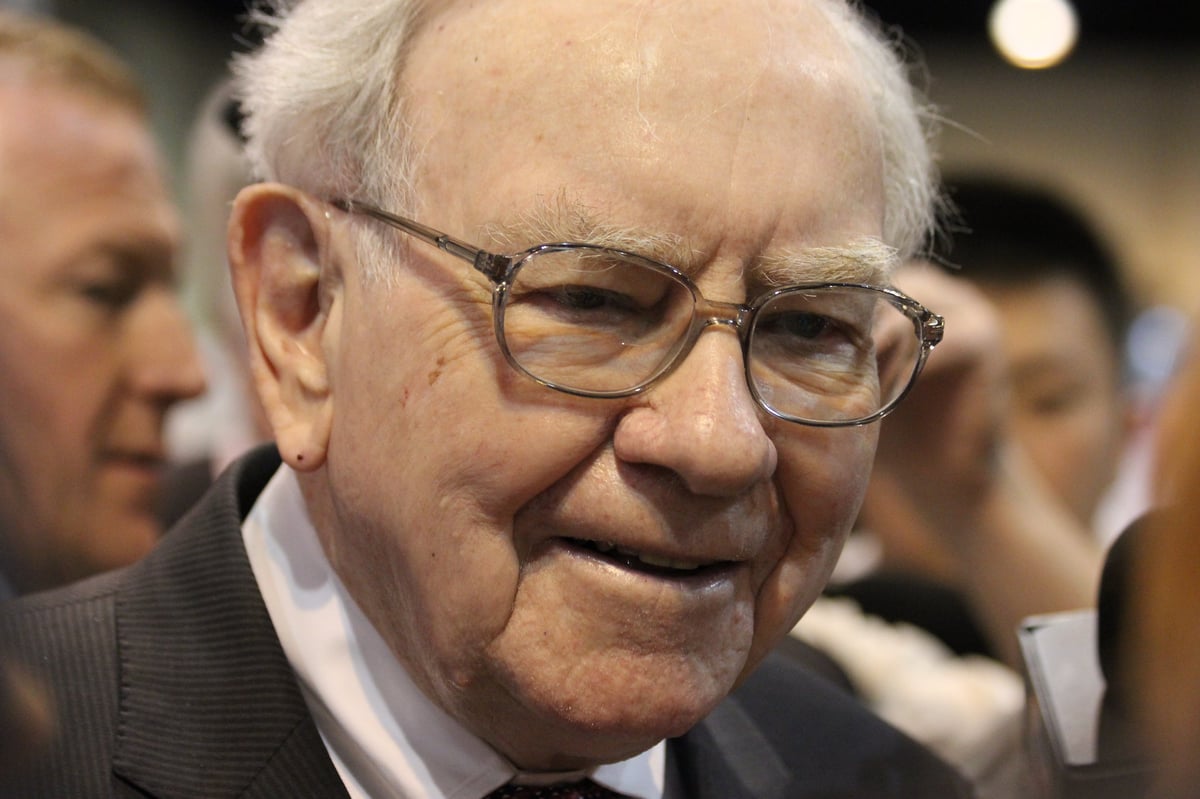
Greg Abel's Investment Strategy as Buffett's Successor

- Portfolio Changes: New CEO Greg Abel exited 16 stock positions in his first quarter, indicating a shift in investment strategy from Warren Buffett, which may influence market expectations regarding Berkshire's future investment direction.
- Coca-Cola Investment: Abel and Buffett's shared confidence in Coca-Cola, with 400 million shares generating approximately $800 million in annual income and boasting 64 consecutive years of dividend growth, underscores its significance for stable income and capital appreciation.
- Alphabet Stake Increase: Abel tripled Berkshire's stake in Alphabet from 17.8 million to 57.8 million shares, making it the fifth-largest position worth $26 billion, reflecting a reassessment of technology stocks and their growth potential.
- Ally Financial Outlook: Although Ally Financial's stock performance has been modest, projected revenue growth of around 20% and strong buy ratings from analysts indicate confidence in its potential within the emerging online banking sector.
See More

Coca-Cola and Walmart Maintain Dividend King Status

- Stable Dividend Growth: Coca-Cola has increased its dividend for 64 consecutive years, demonstrating strong financial stability and commitment to shareholders, which attracts many investors despite limited growth potential.
- Asset-Light Model: Coca-Cola's asset-light business model enhances profit margins by selling concentrates and syrups to distribution partners, reducing reliance on costly machinery and improving overall operational efficiency.
- Walmart's Diversified Growth: Walmart shows impressive performance in high-margin non-retail businesses, generating $713.2 billion in revenue and $22.3 billion in net income last year, indicating strong profitability even amid economic fluctuations.
- Dual Assurance of Dividend Kings: Walmart has increased its dividend for 53 consecutive years; although its current yield is only 0.7%, the ongoing growth in high-margin sectors suggests future dividends will strengthen, ensuring long-term returns for investors.
See More
Why American Express Remains Buffett's Top Pick
- Holding Stability: In Q1, Berkshire Hathaway maintained its position in American Express while trimming investments in Visa and Mastercard, indicating confidence in American Express's strong economic moat and brand loyalty.
- Transaction Volume Advantage: In 2024, the average transaction amount for American Express was $150, significantly higher than Visa's $91 and Mastercard's $94, which encourages merchants to pay higher discount rates, enhancing the company's revenue potential.
- Credit Quality Management: American Express reported a net charge-off rate of 2.3% in Q1, well below Capital One's 3.7%, indicating that its high-quality customer base provides resilience during economic uncertainties, aiding the company in navigating inflation or recession.
- Shareholder Return Strategy: American Express rewards shareholders through consistent dividends and stock buybacks, which have bolstered earnings per share growth, attracting investors seeking diversification from the financial sector and stable long-term growth.
See More
Stable Dividend Growth in Consumer Staples Stocks
- Coca-Cola's Dividend Growth: Coca-Cola approved its 64th consecutive annual dividend increase in February, raising the annual payout from $2.04 to $2.12 per share, demonstrating strong pricing power and high gross margins despite modest growth risks in developed markets.
- Procter & Gamble's Consistency: Procter & Gamble declared its 69th consecutive annual dividend increase in April, supported by a portfolio of leading brands across various categories, ensuring over 130 years of dividend payments and showcasing predictable free cash flow and ongoing investment capabilities.
- Colgate's Resilience: Colgate raised its quarterly dividend in March, continuing a long streak of payout growth, benefiting from its strong market position in oral care and growth potential in emerging markets, which helps it adapt to economic fluctuations.
- Walmart's Advertising Revenue: Walmart extended its dividend growth streak to 53 years in February, increasing its quarterly payout to $0.248 per share; while the yield is modest, its advertising business generates approximately $6.4 billion in revenue, indicating strong operating leverage and sustained market competitiveness.
See More
Berkshire Hathaway's Portfolio Update Raises Questions
- Portfolio Adjustment: Berkshire Hathaway's latest SEC 13F filing reveals a significant reduction in the number of stocks, indicating that new CEO Greg Abel may sell many of the stocks previously managed by Todd Combs, a change that, while unexpected, was not entirely surprising.
- Delta Airlines Reinvestment: Buffett's reinvestment in Delta Airlines after a six-year hiatus sees the holding's value increase from $2.6 billion to $3.0 billion, reflecting a 14.5% rise, showcasing Abel's early fondness for airline stocks, despite Buffett's non-involvement in this decision.
- Macy's Minor Stake: Buffett's investment in Macy's has grown from $55 million to $63 million, a 14.2% increase, although this position accounts for less than 0.02% of Berkshire's portfolio, indicating Buffett's ongoing interest in bargain-priced stocks and potential investment opportunities.
- Expansion in Japan: Berkshire continues to increase its stakes in Japan, with Mitsubishi's holding rising from 9.7% to 11.1% and Sumitomo's from 9.3% to 10.3%, suggesting that Abel's investment strategy in Japan is deepening, with the total value of six stocks nearing $46 billion.
See More
Reliable Dividend Growth in Consumer Staples
- Coca-Cola's Sustained Growth: The Coca-Cola Company approved its 64th consecutive annual dividend increase in February, raising the annual payout from $2.04 to $2.12 per share, reflecting its strong pricing power and high gross margins within a global network of independent bottlers, despite modest volume growth in developed markets.
- Procter & Gamble's Cash Flow Stability: Procter & Gamble declared its 69th consecutive annual dividend increase in April, supported by a portfolio of leading brands across various categories, ensuring predictable free cash flow that covers dividends, buybacks, and product development funding needs.
- Colgate's Resilience: Colgate-Palmolive raised its quarterly dividend in March, benefiting from the recession-resistant nature of toothpaste and oral care products, while its exposure to emerging markets provides volume growth advantages over mature U.S. competitors.
- Walmart's Advertising Revenue Growth: Walmart extended its dividend growth streak to 53 years in February, increasing its quarterly payout to $0.248 per share, with its advertising business generating approximately $6.4 billion in revenue, showcasing operational leverage and success in its membership program.
See More
Greg Abel's Investment Strategy as Buffett's Successor
- Portfolio Changes: New CEO Greg Abel exited 16 stock positions in his first quarter, indicating a shift in investment strategy from Warren Buffett, which may influence market expectations regarding Berkshire's future investment direction.
- Coca-Cola Investment: Abel and Buffett's shared confidence in Coca-Cola, with 400 million shares generating approximately $800 million in annual income and boasting 64 consecutive years of dividend growth, underscores its significance for stable income and capital appreciation.
- Alphabet Stake Increase: Abel tripled Berkshire's stake in Alphabet from 17.8 million to 57.8 million shares, making it the fifth-largest position worth $26 billion, reflecting a reassessment of technology stocks and their growth potential.
- Ally Financial Outlook: Although Ally Financial's stock performance has been modest, projected revenue growth of around 20% and strong buy ratings from analysts indicate confidence in its potential within the emerging online banking sector.
See More
Coca-Cola and Walmart Maintain Dividend King Status
- Stable Dividend Growth: Coca-Cola has increased its dividend for 64 consecutive years, demonstrating strong financial stability and commitment to shareholders, which attracts many investors despite limited growth potential.
- Asset-Light Model: Coca-Cola's asset-light business model enhances profit margins by selling concentrates and syrups to distribution partners, reducing reliance on costly machinery and improving overall operational efficiency.
- Walmart's Diversified Growth: Walmart shows impressive performance in high-margin non-retail businesses, generating $713.2 billion in revenue and $22.3 billion in net income last year, indicating strong profitability even amid economic fluctuations.
- Dual Assurance of Dividend Kings: Walmart has increased its dividend for 53 consecutive years; although its current yield is only 0.7%, the ongoing growth in high-margin sectors suggests future dividends will strengthen, ensuring long-term returns for investors.
See More