

Investment Choice Between PepsiCo and Celsius
Written by Emily J. Thompson, Senior Investment Analyst
Updated: 21 hours ago
0mins
Source: Fool
- PepsiCo's Market Position: In FY 2025, PepsiCo's revenue reached nearly $93.9 billion, reflecting a 2.3% increase, although net income fell to $8.2 billion with a net margin of 8.8%, indicating strong influence in the global beverage market while facing customer concentration risk with Walmart accounting for 14% of revenue.
- Celsius's Rapid Growth: Celsius achieved approximately $2.5 billion in revenue for FY 2025, an impressive 85.5% increase, despite net income being only $108 million and a net margin of 4.3%, showcasing significant market share gains through its distribution agreement with PepsiCo, highlighting its robust growth potential.
- Risk Comparison: PepsiCo faces pricing pressures and supply chain volatility from competitors like Coca-Cola, while Celsius's reliance on its distribution agreement with PepsiCo poses risks, as any changes could impact its market performance, alongside regulatory scrutiny and intensified competition.
- Valuation Differences: Celsius carries a forward P/E of 20.3x, higher than PepsiCo's 16.4x, indicating greater market expectations for future growth, while their P/S ratios of 2.1x and 3.4x reflect Celsius's higher investment appeal in the rapidly growing beverage sector.
Trade with 70% Backtested Accuracy
Stop guessing "Should I Buy PEP?" and start using high-conviction signals backed by rigorous historical data.
Sign up today to access powerful investing tools and make smarter, data-driven decisions.
Analyst Views on PEP
Wall Street analysts forecast PEP stock price to rise
12 Analyst Rating
6 Buy
6 Hold
0 Sell
Moderate Buy
Current: 142.000

Low
144.00
Averages
161.90
High
172.00
Current: 142.000
Low
144.00
Averages
161.90
High
172.00
About PEP
PepsiCo, Inc. is a global beverage and convenient food company. The Company’s segments include PepsiCo Foods North America (PFNA), PepsiCo Beverages North America (PBNA), International Beverages Franchise (IB Franchise), Europe, Middle East and Africa (EMEA), Latin America Foods (LatAm Foods), and Asia Pacific Foods. PFNA segment includes all of its convenient food businesses in the United States and Canada. PBNA segment includes all of its beverage businesses in the United States and Canada. IB Franchise segment includes its international franchise beverage businesses, as well as its SodaStream business. EMEA segment includes its convenient food businesses and beverage businesses with Company-owned bottlers in Europe, the Middle East and Africa. LatAm Foods segment includes all of its convenient food businesses in Latin America. Asia Pacific Foods segment consists of its convenient food businesses in Asia Pacific, including China, Australia and New Zealand, as well as India.
About the author

Emily J. Thompson
Emily J. Thompson, a Chartered Financial Analyst (CFA) with 12 years in investment research, graduated with honors from the Wharton School. Specializing in industrial and technology stocks, she provides in-depth analysis for Intellectia’s earnings and market brief reports.

Analysis of ITOT ETF's 52-Week Price Fluctuations

- Price Range Analysis: The ITOT ETF has a 52-week low of $129.24 and a high of $166.43, with the latest trade at $165.57, indicating stability near its high point, which may attract investor interest in its price movements.
- Technical Analysis Tool: Comparing the latest share price to the 200-day moving average can provide valuable insights for investors, helping them assess market trends and potential buying opportunities.
- ETF Trading Mechanism: Exchange-traded funds (ETFs) trade similarly to stocks, where investors buy and sell 'units' that can be created or destroyed based on investor demand, impacting the ETF's liquidity and market performance.
- Inflows and Outflows Monitoring: Weekly monitoring of changes in shares outstanding for ETFs helps identify those experiencing significant inflows (new units created) or outflows (old units destroyed), allowing for assessment of their impact on underlying assets and market sentiment.
See More

Investment Choice Between PepsiCo and Celsius

- PepsiCo's Market Position: In FY 2025, PepsiCo's revenue reached nearly $93.9 billion, reflecting a 2.3% increase, although net income fell to $8.2 billion with a net margin of 8.8%, indicating strong influence in the global beverage market while facing customer concentration risk with Walmart accounting for 14% of revenue.
- Celsius's Rapid Growth: Celsius achieved approximately $2.5 billion in revenue for FY 2025, an impressive 85.5% increase, despite net income being only $108 million and a net margin of 4.3%, showcasing significant market share gains through its distribution agreement with PepsiCo, highlighting its robust growth potential.
- Risk Comparison: PepsiCo faces pricing pressures and supply chain volatility from competitors like Coca-Cola, while Celsius's reliance on its distribution agreement with PepsiCo poses risks, as any changes could impact its market performance, alongside regulatory scrutiny and intensified competition.
- Valuation Differences: Celsius carries a forward P/E of 20.3x, higher than PepsiCo's 16.4x, indicating greater market expectations for future growth, while their P/S ratios of 2.1x and 3.4x reflect Celsius's higher investment appeal in the rapidly growing beverage sector.
See More

Top Companies in AI Adoption Revealed


- AI Adoption Scores: A new study from the AI-Driven Enterprise Institute reveals that Nvidia, Meta, and Schlumberger lead S&P 500 companies with perfect scores of 100, showcasing their exceptional performance in AI technology implementation and solidifying their market leadership in their respective industries.
- Industry Impact: Nvidia, as the world's largest chipmaker, drives technological advancements across the industry through its pivotal role in AI model and service development, while Meta and Amazon demonstrate strong AI application capabilities in communication services and consumer goods, enhancing customer experience and operational efficiency.
- Data-Driven Assessment: The study employs publicly available data such as earnings calls, job openings, and patent applications to objectively evaluate executives' understanding and prioritization of AI, aiding companies in better risk management and investment decisions to enhance overall competitiveness.
- Room for Improvement: Despite the strong performance of leading companies, AIDE's CEO Paul Cheek emphasizes that there is significant room for improvement in AI literacy among board members and executives, highlighting the importance of understanding AI's role in creating value for informed strategic investments in the future.
See More
AI Adoption Among S&P 500 Companies Revealed by New Research


- AI Adoption Scores: The new index from the AI-Driven Enterprise Institute reveals that Nvidia, Amazon, Meta, and Schlumberger lead S&P 500 companies with perfect scores of 100, indicating their forefront position in AI application and implementation, which may further solidify their market dominance.
- Transparent Research Methodology: The index utilizes publicly available data such as earnings call transcripts, job openings, and patent applications, providing an objective comparison tool that allows companies to assess their AI strategies against peers, thereby facilitating more effective decision-making.
- Significant Industry Disparities: While tech companies excel, the study highlights that many firms have considerable room for improvement in AI literacy and implementation, underscoring the necessity for boards and executives to better understand and manage AI-related risks and strategic investments.
- Top 20 Companies: The top 20 companies based on orientation and implementation scores include Nvidia, Schlumberger, Amazon, and Meta, showcasing their leadership positions within their respective sectors, which may attract increased investor interest in their future growth potential.
See More
PepsiCo Named Among Best Dividend Stocks to Buy Now
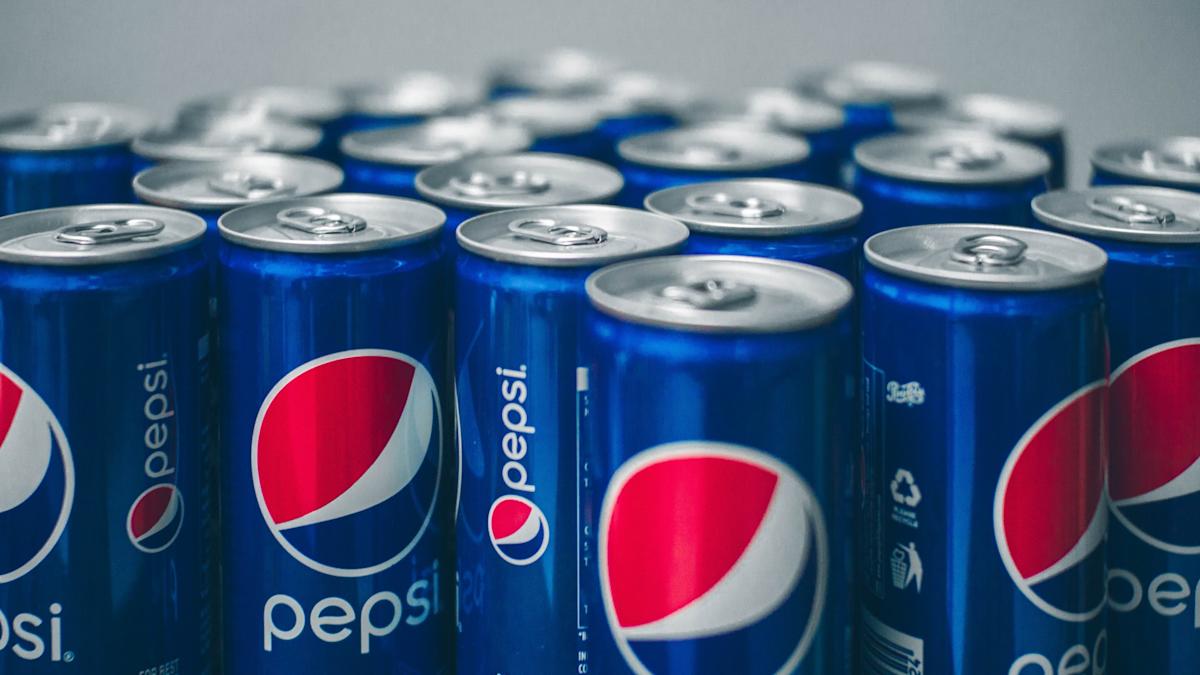
- Dividend King Status: PepsiCo (PEP) has increased its dividends for over 50 consecutive years, earning the title of Dividend King, which attracts income-focused investors and demonstrates its strong financial resilience in uncertain markets.
- Price Adjustment Strategy: In response to pressure from activist investor Elliott Investment Management, PepsiCo recently reduced prices on beverages and snacks by up to 15%, a move that, while contrary to industry trends, may help regain customer trust and market share.
- Quarterly Performance Recovery: Despite facing industry challenges, PepsiCo's recent quarterly results suggest that its pricing strategy may be gaining traction, indicating the company's potential for growth in a competitive market.
- Diversified Business Structure: PepsiCo operates across several segments, including North American Foods and Beverages, and International Beverages Franchise, with its strong diversification allowing it to maintain stable revenue streams across varying market conditions.
See More

Tesla Lays Foundation for 2026 Growth

- Revenue Forecast Analysis: Tesla's full self-driving, robotaxi, Semi truck, and Optimus robot are projected to contribute only 2% of total revenue by 2026, but their combined revenue growth will significantly increase in 2027 and 2028, accounting for 46% of overall company revenue growth.
- Full Self-Driving Transition: Tesla's full self-driving software has shifted to a subscription model with excellent uptake, and as more global approvals, particularly in Europe, are anticipated, revenue growth is expected to accelerate in 2026, despite a slow initial production ramp-up.
- Semi Truck Production: The Semi truck has been successfully deployed with clients like PepsiCo and has entered commercial production, although the initial production ramp-up will be very slow, laying the groundwork for future market expansion.
- Key Catalyst for Robotaxi: The rollout of Tesla's robotaxi relies on the validation and release of the v15 full self-driving software, expected by year-end; while the number of unsupervised robotaxis is increasing, widespread deployment still hinges on the successful launch of this software.
See More
Analysis of ITOT ETF's 52-Week Price Fluctuations
- Price Range Analysis: The ITOT ETF has a 52-week low of $129.24 and a high of $166.43, with the latest trade at $165.57, indicating stability near its high point, which may attract investor interest in its price movements.
- Technical Analysis Tool: Comparing the latest share price to the 200-day moving average can provide valuable insights for investors, helping them assess market trends and potential buying opportunities.
- ETF Trading Mechanism: Exchange-traded funds (ETFs) trade similarly to stocks, where investors buy and sell 'units' that can be created or destroyed based on investor demand, impacting the ETF's liquidity and market performance.
- Inflows and Outflows Monitoring: Weekly monitoring of changes in shares outstanding for ETFs helps identify those experiencing significant inflows (new units created) or outflows (old units destroyed), allowing for assessment of their impact on underlying assets and market sentiment.
See More
Investment Choice Between PepsiCo and Celsius
- PepsiCo's Market Position: In FY 2025, PepsiCo's revenue reached nearly $93.9 billion, reflecting a 2.3% increase, although net income fell to $8.2 billion with a net margin of 8.8%, indicating strong influence in the global beverage market while facing customer concentration risk with Walmart accounting for 14% of revenue.
- Celsius's Rapid Growth: Celsius achieved approximately $2.5 billion in revenue for FY 2025, an impressive 85.5% increase, despite net income being only $108 million and a net margin of 4.3%, showcasing significant market share gains through its distribution agreement with PepsiCo, highlighting its robust growth potential.
- Risk Comparison: PepsiCo faces pricing pressures and supply chain volatility from competitors like Coca-Cola, while Celsius's reliance on its distribution agreement with PepsiCo poses risks, as any changes could impact its market performance, alongside regulatory scrutiny and intensified competition.
- Valuation Differences: Celsius carries a forward P/E of 20.3x, higher than PepsiCo's 16.4x, indicating greater market expectations for future growth, while their P/S ratios of 2.1x and 3.4x reflect Celsius's higher investment appeal in the rapidly growing beverage sector.
See More
Top Companies in AI Adoption Revealed
- AI Adoption Scores: A new study from the AI-Driven Enterprise Institute reveals that Nvidia, Meta, and Schlumberger lead S&P 500 companies with perfect scores of 100, showcasing their exceptional performance in AI technology implementation and solidifying their market leadership in their respective industries.
- Industry Impact: Nvidia, as the world's largest chipmaker, drives technological advancements across the industry through its pivotal role in AI model and service development, while Meta and Amazon demonstrate strong AI application capabilities in communication services and consumer goods, enhancing customer experience and operational efficiency.
- Data-Driven Assessment: The study employs publicly available data such as earnings calls, job openings, and patent applications to objectively evaluate executives' understanding and prioritization of AI, aiding companies in better risk management and investment decisions to enhance overall competitiveness.
- Room for Improvement: Despite the strong performance of leading companies, AIDE's CEO Paul Cheek emphasizes that there is significant room for improvement in AI literacy among board members and executives, highlighting the importance of understanding AI's role in creating value for informed strategic investments in the future.
See More
AI Adoption Among S&P 500 Companies Revealed by New Research
- AI Adoption Scores: The new index from the AI-Driven Enterprise Institute reveals that Nvidia, Amazon, Meta, and Schlumberger lead S&P 500 companies with perfect scores of 100, indicating their forefront position in AI application and implementation, which may further solidify their market dominance.
- Transparent Research Methodology: The index utilizes publicly available data such as earnings call transcripts, job openings, and patent applications, providing an objective comparison tool that allows companies to assess their AI strategies against peers, thereby facilitating more effective decision-making.
- Significant Industry Disparities: While tech companies excel, the study highlights that many firms have considerable room for improvement in AI literacy and implementation, underscoring the necessity for boards and executives to better understand and manage AI-related risks and strategic investments.
- Top 20 Companies: The top 20 companies based on orientation and implementation scores include Nvidia, Schlumberger, Amazon, and Meta, showcasing their leadership positions within their respective sectors, which may attract increased investor interest in their future growth potential.
See More
PepsiCo Named Among Best Dividend Stocks to Buy Now
- Dividend King Status: PepsiCo (PEP) has increased its dividends for over 50 consecutive years, earning the title of Dividend King, which attracts income-focused investors and demonstrates its strong financial resilience in uncertain markets.
- Price Adjustment Strategy: In response to pressure from activist investor Elliott Investment Management, PepsiCo recently reduced prices on beverages and snacks by up to 15%, a move that, while contrary to industry trends, may help regain customer trust and market share.
- Quarterly Performance Recovery: Despite facing industry challenges, PepsiCo's recent quarterly results suggest that its pricing strategy may be gaining traction, indicating the company's potential for growth in a competitive market.
- Diversified Business Structure: PepsiCo operates across several segments, including North American Foods and Beverages, and International Beverages Franchise, with its strong diversification allowing it to maintain stable revenue streams across varying market conditions.
See More
Tesla Lays Foundation for 2026 Growth
- Revenue Forecast Analysis: Tesla's full self-driving, robotaxi, Semi truck, and Optimus robot are projected to contribute only 2% of total revenue by 2026, but their combined revenue growth will significantly increase in 2027 and 2028, accounting for 46% of overall company revenue growth.
- Full Self-Driving Transition: Tesla's full self-driving software has shifted to a subscription model with excellent uptake, and as more global approvals, particularly in Europe, are anticipated, revenue growth is expected to accelerate in 2026, despite a slow initial production ramp-up.
- Semi Truck Production: The Semi truck has been successfully deployed with clients like PepsiCo and has entered commercial production, although the initial production ramp-up will be very slow, laying the groundwork for future market expansion.
- Key Catalyst for Robotaxi: The rollout of Tesla's robotaxi relies on the validation and release of the v15 full self-driving software, expected by year-end; while the number of unsupervised robotaxis is increasing, widespread deployment still hinges on the successful launch of this software.
See More





