Investment Advantages of Vanguard Total Stock Market ETF
Written by Emily J. Thompson, Senior Investment Analyst
Updated: 7 hours ago
0mins
Should l Buy NVDA?
Source: Fool
- Portfolio Diversification: Most investors believe they have a diversified portfolio, yet they often lack true diversification across sectors and market capitalizations; purchasing the Vanguard Total Stock Market ETF can instantly diversify a portfolio by covering over 3,500 stocks, significantly more than the 500 stocks in the S&P 500.
- Broad Market Coverage: The Vanguard Total Stock Market ETF aims to track the CRSP U.S. Total Market Index, investing in every publicly traded company from mega caps to micro caps, ensuring exposure across all market capitalization levels, with technology leading at 36.3%, slightly above the S&P 500's 32.9%.
- Excellent Returns: This ETF has delivered annualized returns exceeding 13.7% over the past one, three, five, and ten years, with an 8.9% annualized return since its inception in 2001, meaning a $10,000 investment could grow to over $84,000 in 25 years, showcasing its long-term investment potential.
- Low Costs, High Returns: The Vanguard Total Stock Market ETF boasts an expense ratio of just 0.03%, significantly lower than the industry average of 0.23%, translating to only $0.30 per year for every $1,000 invested, making it an attractive core investment choice.
Trade with 70% Backtested Accuracy
Stop guessing "Should I Buy NVDA?" and start using high-conviction signals backed by rigorous historical data.
Sign up today to access powerful investing tools and make smarter, data-driven decisions.
Analyst Views on NVDA
Wall Street analysts forecast NVDA stock price to rise
41 Analyst Rating
39 Buy
1 Hold
1 Sell
Strong Buy
Current: 216.610

Low
200.00
Averages
264.97
High
352.00
Current: 216.610
Low
200.00
Averages
264.97
High
352.00
About NVDA
NVIDIA Corporation is an artificial intelligence (AI) infrastructure company. The Company is engaged in accelerated computing to help solve the challenging computational problems. Its segments include Compute & Networking and Graphics. The Compute & Networking segment includes its Data Center accelerated computing and networking platforms and AI solutions and software, and automotive platforms and autonomous and electric vehicle solutions, including software. The Graphics segment includes GeForce GPUs for gaming and personal computers (PCs), and Quadro/NVIDIA RTX GPUs for enterprise workstation graphics. Its technology stack includes the foundational NVIDIA CUDA development platform that runs on all NVIDIA GPUs, as well as hundreds of domain-specific software libraries, frameworks, algorithms, software development kits (SDKs), and application programming interfaces (APIs). Its platforms address four markets, which include Data Center, Gaming, Professional Visualization, and Automotive.
About the author

Emily J. Thompson
Emily J. Thompson, a Chartered Financial Analyst (CFA) with 12 years in investment research, graduated with honors from the Wharton School. Specializing in industrial and technology stocks, she provides in-depth analysis for Intellectia’s earnings and market brief reports.
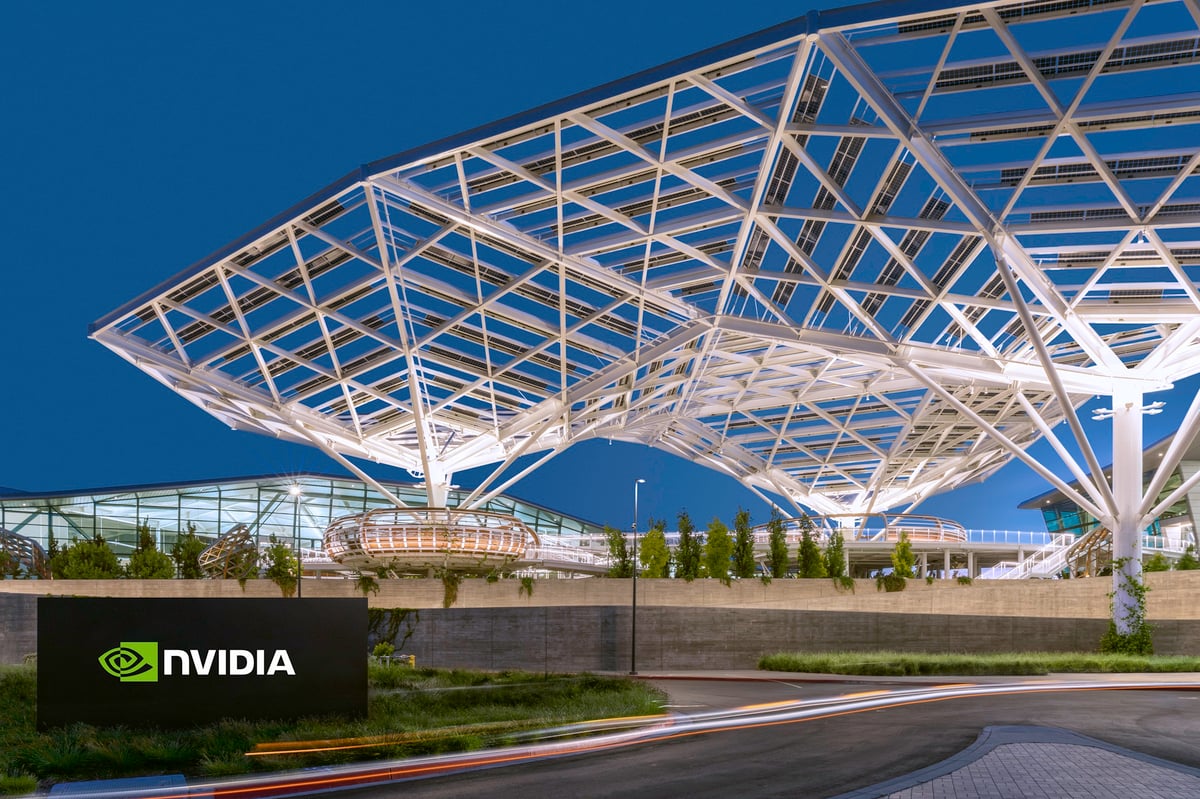
Nvidia's Successful AI Pivot Drives Market Cap to $5.2 Trillion

- Market Share Advantage: Nvidia commands a staggering 92% of the data center GPU market, positioning the company to capture a $2.5 trillion opportunity from the projected $7 trillion in capital expenditures over the next five years, thereby solidifying its industry leadership.
- Strong Financial Performance: In Q4 of fiscal 2026, Nvidia reported revenue of $68.1 billion, reflecting a 73% year-over-year increase, while gross margin expanded to 75.2%, indicating that the company's strategic pivot towards AI has significantly enhanced its profitability.
- Future Growth Potential: Nvidia anticipates revenue of $78 billion for Q1 of fiscal 2027, representing a growth rate of approximately 77%, and CEO Jensen Huang projects at least $1 trillion in revenue from Blackwell and Vera Rubin chip sales by the end of 2027, highlighting robust market demand.
- Attractive Valuation: Despite Nvidia's recent stock rebound, it trades at just 26 times forward earnings, suggesting that with high double-digit revenue and profit growth, it remains an opportune time to invest in Nvidia, especially as its market cap is projected to exceed $7 trillion by the end of 2026.
See More
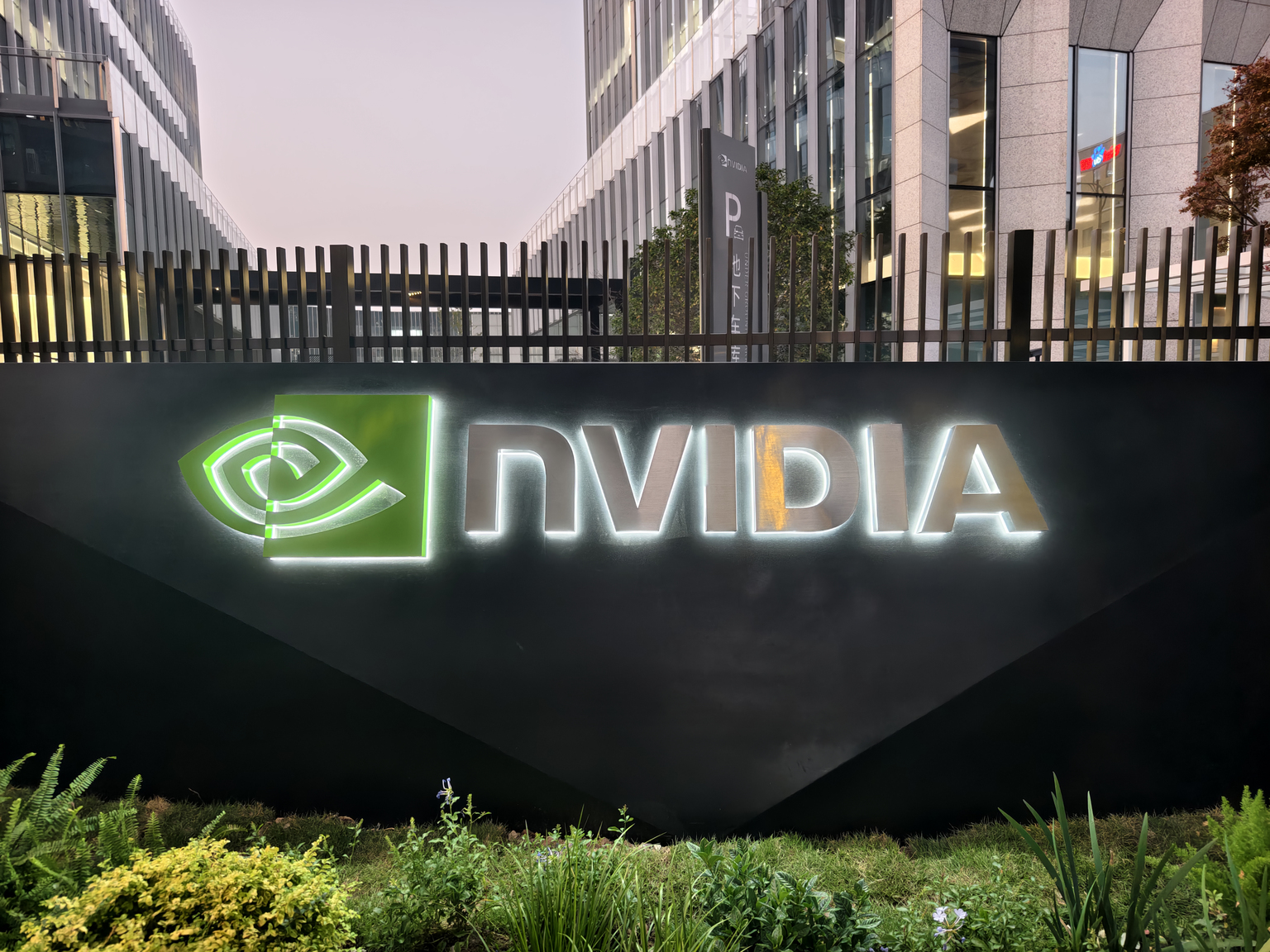
Nvidia Leases 760,000 Sq Ft Office Space in India for $130M
- Expansion Strategy: Nvidia's Indian subsidiary has leased approximately 760,000 square feet of office space in Bengaluru's Mahadevpura area under a 10-year agreement valued at over $130 million, highlighting its aggressive expansion in India's AI and engineering ecosystem.
- Security Deposit: The company has paid a security deposit exceeding $3.6 million as part of the agreement, which not only underscores its commitment to the new office space but also lays a foundation for future business growth.
- Leasing Scale: This transaction ranks among the largest office leasing deals in Bengaluru, more than doubling Nvidia's known office footprint in India, thereby further solidifying its position in the local market.
- Lease Commencement: The lease commenced on April 1, 2026, covering 12 floors at Bagmane Capital's Memphis South Tower, marking Nvidia's long-term commitment to the Indian market.
See More
Apple's CEO Tim Cook to Retire Amid AI Challenges and Opportunities


- Cook's Leadership Legacy: Apple's CEO Tim Cook announced his retirement later this year, marking the end of nearly 15 years of leadership during which Apple's market cap soared from $600 billion to nearly $3 trillion, highlighting his contributions to stability and sustained growth.
- Opportunities in the AI Era: With the rise of artificial intelligence, Apple faces new challenges, particularly in hardware innovation, as Cook's successor Ternus will need to maintain the competitiveness of core products while exploring new AI-driven markets.
- Intel's Resurgence: Intel reported strong earnings in 2026, with stock hitting an all-time high due to surging demand for CPUs, underscoring the company's pivotal role in AI infrastructure development and its potential to benefit from the growing need for high-performance computing.
- SaaS Market Turmoil: ServiceNow's earnings triggered market panic, leading to a widespread decline in related stocks, despite its report showing solid growth potential, reflecting investors' heightened sensitivity to AI impacts, which may result in short-term market volatility.
See More

Apple CEO Tim Cook to Retire Amid AI Era Transition
- Cook's Leadership Legacy: Apple CEO Tim Cook announced his retirement later this year, and while his tenure has seen immense success for the company, investor concerns about future leadership and innovation direction may impact stock price stability.
- Rise of AI Technology: With the rapid advancement of artificial intelligence, companies like Intel are seizing new market opportunities in 2026, as evidenced by Intel's stock hitting an all-time high, reflecting strong demand for AI infrastructure that could reshape market competition.
- Challenges in Product Innovation: Under Cook's leadership, Apple has been relatively conservative in innovation, failing to launch new products like the
See More
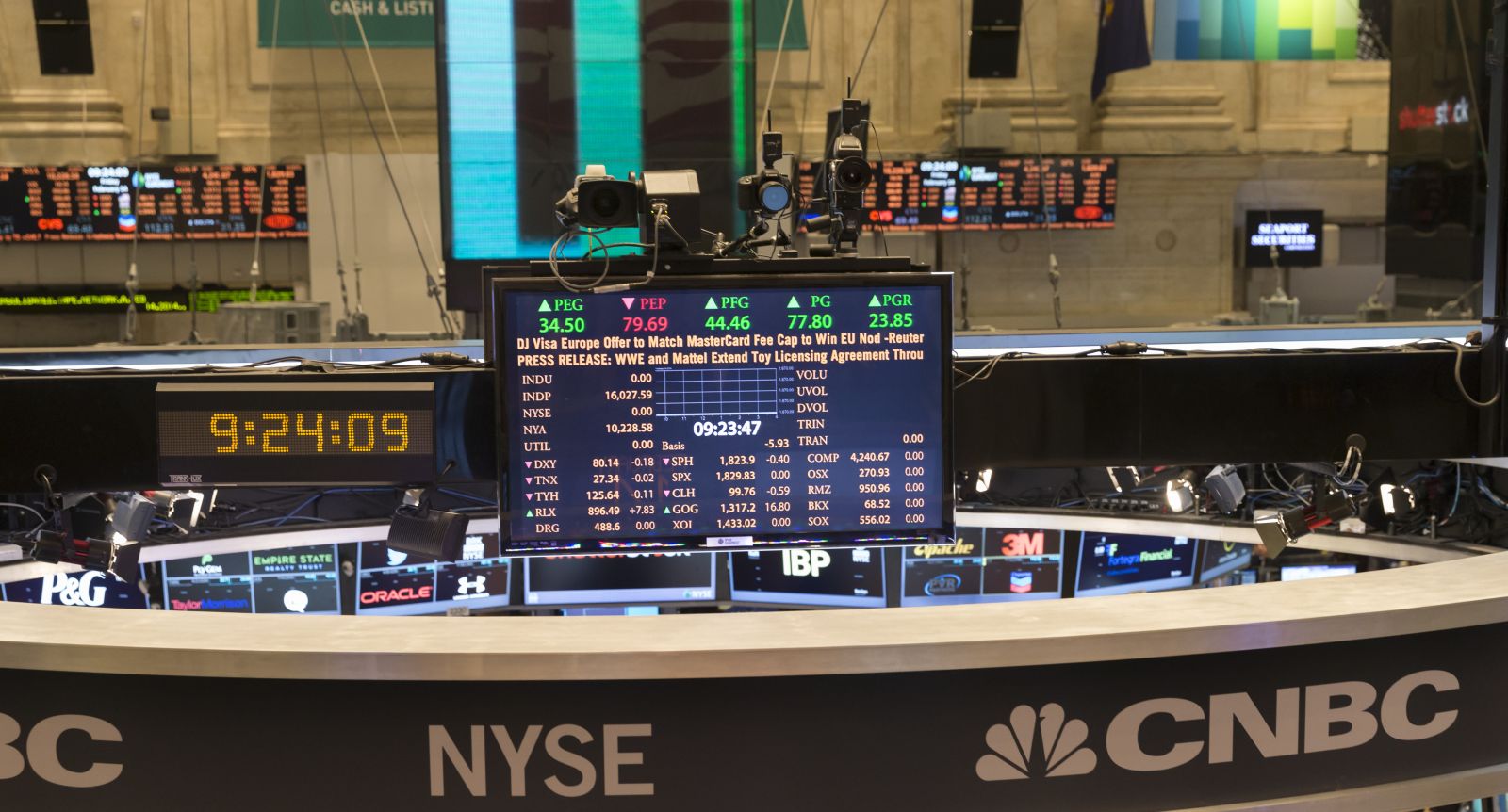
US Stock Market Volatility Amid Economic Data


- Tech Stock Pressure: Technology stocks are under pressure due to concerns over the return on massive investments in artificial intelligence, as OpenAI recently failed to meet its new user and sales targets, leading to declines in shares of partners like Nvidia and Oracle, reflecting market caution regarding the future of the AI sector.
- Positive Economic Data: The US consumer confidence index unexpectedly rose to 92.8, surpassing expectations of 89.0, indicating an increase in consumer confidence that could positively impact the stock market, although overall market pressures remain.
- Surging Oil Prices: WTI crude oil prices jumped over 3% to a two-week high amid escalating tensions between the US and Iran over the Strait of Hormuz, potentially deepening the global energy crisis and impacting inflation expectations and stock performance.
- Fed Policy Expectations: The market anticipates that the Federal Reserve will maintain interest rates at the upcoming meeting, despite increased uncertainty regarding future policy adjustments due to inflation and oil price volatility, reflecting investor caution about the economic outlook.
See More

Tech Stocks Decline Following OpenAI Misses


- Oracle Stock Drop: Oracle's shares fell over 3% after OpenAI missed its user and revenue targets, raising concerns about the sustainability of AI spending and impacting its $300 billion five-year partnership with OpenAI.
- Chip Stocks Decline: Following the OpenAI news, Nvidia and AMD saw declines of over 3% and 4%, respectively, while Arm Holdings plummeted more than 8%, indicating a waning market confidence in AI infrastructure.
- Centene Guidance Raise: Centene's shares surged 12% after it raised its full-year adjusted EPS guidance to over $3.40, surpassing the market consensus of $3.02, reflecting strong performance in the health insurance sector.
- Erasca Stock Plunge: Erasca's stock cratered nearly 50% after reporting a patient death in an early-stage trial, despite analysts viewing the incident as isolated, highlighting investor sensitivity to risks in the biotech sector.
See More
Nvidia's Successful AI Pivot Drives Market Cap to $5.2 Trillion
- Market Share Advantage: Nvidia commands a staggering 92% of the data center GPU market, positioning the company to capture a $2.5 trillion opportunity from the projected $7 trillion in capital expenditures over the next five years, thereby solidifying its industry leadership.
- Strong Financial Performance: In Q4 of fiscal 2026, Nvidia reported revenue of $68.1 billion, reflecting a 73% year-over-year increase, while gross margin expanded to 75.2%, indicating that the company's strategic pivot towards AI has significantly enhanced its profitability.
- Future Growth Potential: Nvidia anticipates revenue of $78 billion for Q1 of fiscal 2027, representing a growth rate of approximately 77%, and CEO Jensen Huang projects at least $1 trillion in revenue from Blackwell and Vera Rubin chip sales by the end of 2027, highlighting robust market demand.
- Attractive Valuation: Despite Nvidia's recent stock rebound, it trades at just 26 times forward earnings, suggesting that with high double-digit revenue and profit growth, it remains an opportune time to invest in Nvidia, especially as its market cap is projected to exceed $7 trillion by the end of 2026.
See More
Nvidia Leases 760,000 Sq Ft Office Space in India for $130M
- Expansion Strategy: Nvidia's Indian subsidiary has leased approximately 760,000 square feet of office space in Bengaluru's Mahadevpura area under a 10-year agreement valued at over $130 million, highlighting its aggressive expansion in India's AI and engineering ecosystem.
- Security Deposit: The company has paid a security deposit exceeding $3.6 million as part of the agreement, which not only underscores its commitment to the new office space but also lays a foundation for future business growth.
- Leasing Scale: This transaction ranks among the largest office leasing deals in Bengaluru, more than doubling Nvidia's known office footprint in India, thereby further solidifying its position in the local market.
- Lease Commencement: The lease commenced on April 1, 2026, covering 12 floors at Bagmane Capital's Memphis South Tower, marking Nvidia's long-term commitment to the Indian market.
See More
Apple's CEO Tim Cook to Retire Amid AI Challenges and Opportunities
- Cook's Leadership Legacy: Apple's CEO Tim Cook announced his retirement later this year, marking the end of nearly 15 years of leadership during which Apple's market cap soared from $600 billion to nearly $3 trillion, highlighting his contributions to stability and sustained growth.
- Opportunities in the AI Era: With the rise of artificial intelligence, Apple faces new challenges, particularly in hardware innovation, as Cook's successor Ternus will need to maintain the competitiveness of core products while exploring new AI-driven markets.
- Intel's Resurgence: Intel reported strong earnings in 2026, with stock hitting an all-time high due to surging demand for CPUs, underscoring the company's pivotal role in AI infrastructure development and its potential to benefit from the growing need for high-performance computing.
- SaaS Market Turmoil: ServiceNow's earnings triggered market panic, leading to a widespread decline in related stocks, despite its report showing solid growth potential, reflecting investors' heightened sensitivity to AI impacts, which may result in short-term market volatility.
See More
Apple CEO Tim Cook to Retire Amid AI Era Transition
- Cook's Leadership Legacy: Apple CEO Tim Cook announced his retirement later this year, and while his tenure has seen immense success for the company, investor concerns about future leadership and innovation direction may impact stock price stability.
- Rise of AI Technology: With the rapid advancement of artificial intelligence, companies like Intel are seizing new market opportunities in 2026, as evidenced by Intel's stock hitting an all-time high, reflecting strong demand for AI infrastructure that could reshape market competition.
- Challenges in Product Innovation: Under Cook's leadership, Apple has been relatively conservative in innovation, failing to launch new products like the
See More
US Stock Market Volatility Amid Economic Data
- Tech Stock Pressure: Technology stocks are under pressure due to concerns over the return on massive investments in artificial intelligence, as OpenAI recently failed to meet its new user and sales targets, leading to declines in shares of partners like Nvidia and Oracle, reflecting market caution regarding the future of the AI sector.
- Positive Economic Data: The US consumer confidence index unexpectedly rose to 92.8, surpassing expectations of 89.0, indicating an increase in consumer confidence that could positively impact the stock market, although overall market pressures remain.
- Surging Oil Prices: WTI crude oil prices jumped over 3% to a two-week high amid escalating tensions between the US and Iran over the Strait of Hormuz, potentially deepening the global energy crisis and impacting inflation expectations and stock performance.
- Fed Policy Expectations: The market anticipates that the Federal Reserve will maintain interest rates at the upcoming meeting, despite increased uncertainty regarding future policy adjustments due to inflation and oil price volatility, reflecting investor caution about the economic outlook.
See More
Tech Stocks Decline Following OpenAI Misses
- Oracle Stock Drop: Oracle's shares fell over 3% after OpenAI missed its user and revenue targets, raising concerns about the sustainability of AI spending and impacting its $300 billion five-year partnership with OpenAI.
- Chip Stocks Decline: Following the OpenAI news, Nvidia and AMD saw declines of over 3% and 4%, respectively, while Arm Holdings plummeted more than 8%, indicating a waning market confidence in AI infrastructure.
- Centene Guidance Raise: Centene's shares surged 12% after it raised its full-year adjusted EPS guidance to over $3.40, surpassing the market consensus of $3.02, reflecting strong performance in the health insurance sector.
- Erasca Stock Plunge: Erasca's stock cratered nearly 50% after reporting a patient death in an early-stage trial, despite analysts viewing the incident as isolated, highlighting investor sensitivity to risks in the biotech sector.
See More