

Intuitive Machines Loses Lunar Vehicle Contract, Shares Plummet
Written by Emily J. Thompson, Senior Investment Analyst
Updated: Jun 10 2026
0mins

Source: Fool
- Contract Loss Impact: Intuitive Machines' failure to secure the lunar vehicle contract from NASA resulted in a 33% drop in its stock price last week, significantly shaking investor confidence and raising concerns about its future prospects.
- NASA's New Partnerships: NASA awarded contracts worth $219 million to Astrolab and $220 million to Lunar Outpost, indicating a preference for emerging companies, which could potentially affect Intuitive's market position.
- Future Opportunity Outlook: Although Intuitive Machines missed out on the initial $439 million in contracts, NASA has budgeted $4.6 billion for the LTV project, suggesting that there may be more opportunities for additional vendors as the Moon Base efforts progress.
- Market Reaction Analysis: The rapid decline in Intuitive Machines' stock price following the contract loss has severely impacted market confidence in its long-term prospects, prompting investors to closely monitor future bidding opportunities and NASA's subsequent plans.
Trade with 70% Backtested Accuracy
Stop guessing "Should I Buy LUNR?" and start using high-conviction signals backed by rigorous historical data.
Sign up today to access powerful investing tools and make smarter, data-driven decisions.
Analyst Views on LUNR
Wall Street analysts forecast LUNR stock price to fall
10 Analyst Rating
8 Buy
1 Hold
1 Sell
Moderate Buy
Current: 19.580

Low
9.50
Averages
17.74
High
25.00
Current: 19.580
Low
9.50
Averages
17.74
High
25.00
About LUNR
Intuitive Machines, Inc. is a space technology, infrastructure, and services company. It is a provider and supplier of space products and services that enable sustained robotic and human exploration to the Moon, Mars, and beyond. Its services include delivery services, data transmission services, and infrastructure as a service. Its delivery services provide transportation and delivery of payloads, such as satellites, scientific instruments and cargo to various destinations in space, in addition to rideshare delivery and lunar surface access. Its data transmission services offerings include the collection, processing, and interpretation of space-based data, utilizing applications, such as command, control, communications, reconnaissance and prospecting. Its infrastructure as a service delivers space assets, performing tasks and making decisions without human intervention that are designed to perform essential functions, such as navigation, scientific data collection, and others.
About the author

Emily J. Thompson
Emily J. Thompson, a Chartered Financial Analyst (CFA) with 12 years in investment research, graduated with honors from the Wharton School. Specializing in industrial and technology stocks, she provides in-depth analysis for Intellectia’s earnings and market brief reports.

Meta and Alibaba Face Regulatory Challenges Amid AI Investments


- Meta Legal Pressure: Meta faces legal scrutiny in the U.S. as a federal judge allows a lawsuit regarding Facebook and Instagram's addictive design to proceed, while the Indian government raises concerns over potential cybercrime risks from introducing usernames on WhatsApp, although Meta's stock rose over 3% during the holiday-shortened week.
- Alibaba AI Policy Shift: Alibaba has decided to stop employees from using Anthropic's Claude Code in favor of its in-house AI coding tool Qoder, reflecting a focus on security concerns, while also settling a $600 million case with the U.S. Department of Justice over illegal pharmaceutical sales through Alibaba.com, resulting in a 0.6% stock gain.
- Tesla Strong Deliveries: Tesla reported second-quarter deliveries of 480,126 vehicles, a 25% increase year-over-year and above Wall Street estimates, primarily driven by Model 3 and Model Y sales, yet the stock fell 4% over the week, indicating market caution regarding future performance.
- Rocket Lab Acquisition Plans: Rocket Lab plans to acquire Iridium Communications in an $8 billion cash-and-stock deal to create a fully integrated space company, combining rocket launches with satellite manufacturing to expand into satellite internet and direct-to-device communications, leading to a stock gain of over 2% in the week.
See More
Markets Cautiously Eye Labor Data Amid Mixed Sentiment

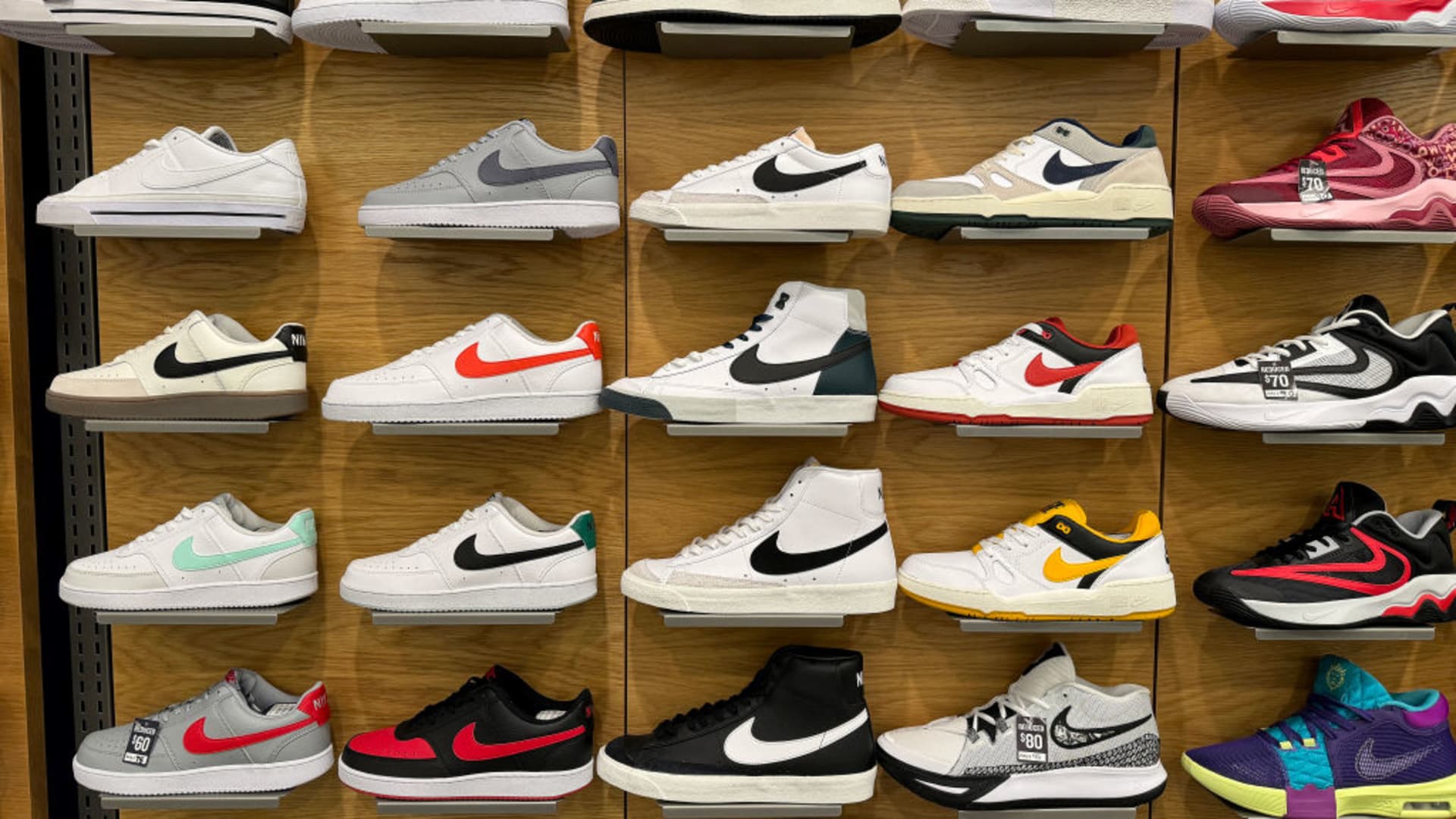
- Market Performance Review: The Dow Jones index gained nearly 8.9% in the first half of 2023, marking its best performance since 2021, while the S&P 500 and Nasdaq rose 9.6% and 12.8%, respectively, indicating a strong market recovery, yet investors are adopting a cautious stance as they enter the second half.
- Nike Stock Decline: Nike (NKE) shares fell 4% in pre-market trading after management acknowledged that the brand's turnaround is progressing more slowly than expected, despite analysts maintaining a positive outlook on long-term recovery, reflecting short-term pressures from soft global sportswear traffic and weak margins in China.
- Divergent Investor Sentiment: According to Stocktwits data, retail sentiment for the SPDR S&P 500 ETF (SPY), which tracks the S&P 500 index, remains 'bearish', while the Invesco QQQ Trust (QQQ) ETF, which tracks the Nasdaq-100 index, stays 'bullish', highlighting a clear divide in market participants' views across different sectors.
- Upcoming Key Data: Investors will closely monitor the upcoming ADP employment report and Thursday's non-farm payroll data for clues about the Federal Reserve's future interest rate policy, especially in light of Federal Reserve Chair Kevin Warsh's forthcoming speech, which adds complexity to market expectations regarding the economic outlook.
See More

NASA Awards Nearly $600 Million to Three Companies


- Contract Amount: NASA announced on Tuesday that it has awarded nearly $600 million in contracts to Astrobotic, Firefly Aerospace, and Intuitive Machines, reflecting the agency's trust and support for commercial space companies.
- Project Goals: The funding will be used to develop and deploy lunar landers aimed at advancing scientific exploration and technology testing on the Moon's surface, further solidifying the U.S.'s leadership in space exploration.
- Commercial Collaboration: By partnering with these companies, NASA not only leverages their innovative technologies but also encourages private sector participation in the aerospace industry, thereby accelerating the growth of the space economy.
- Future Outlook: The signing of these contracts marks a significant step for NASA in achieving its Artemis program objectives, which is expected to lay the groundwork for future lunar missions and human landings on Mars.
See More

U.S. Stocks Surge with Tech Sector Leading Gains
- Strong Quarterly Performance: The S&P 500 rose 0.8% and the Nasdaq 100 jumped 1.7%, marking their best quarterly performances since 2020, which indicates strong investor confidence in tech stocks and may attract further investments.
- Semiconductor Sector Highlights: The Philadelphia Semiconductor Index recorded its best quarter ever, with the VanEck Semiconductor ETF climbing 3.7% and a year-to-date gain of 82%, reflecting ongoing market focus on AI capital expenditures and driving stock prices of related companies higher.
- Stablecoin Collaboration: Visa, Stripe, and Bank of New York Mellon are among several financial firms joining forces to launch a stablecoin, signaling further consolidation in the fintech sector that could reshape the payments landscape and enhance these companies' competitive positions.
- Divergent Investor Sentiment: While retail sentiment for SPY and DIA was bearish, QQQ sentiment was bullish, indicating differing market perceptions that could influence future investment decisions and market trends.
See More
NASA Awards Nearly $600 Million in Lunar Mission Contracts
- Significant Contract Awards: NASA has awarded nearly $600 million for four lunar missions scheduled for 2028, with Astrobotic receiving $297.9 million, Firefly Aerospace $144.2 million, and Intuitive Machines $148.3 million, directly enhancing their capabilities in lunar transportation.
- Positive Market Reaction: Following the contract announcement, Intuitive Machines shares rose 5.8%, Firefly Aerospace increased by 3.2%, and Voyager Technologies gained 2.3% due to its planned acquisition of Astrobotic, reflecting investor confidence in NASA's ongoing support for commercial lunar transportation.
- Diverse Scientific Instruments: Each mission will carry three scientific instruments, including SCALPSS for studying rocket exhaust effects on lunar dust, a Laser Retroreflector Array, and a Linear Energy Transfer Spectrometer, providing crucial data for future human operations and advancing lunar infrastructure development.
- Long-Term Strategic Planning: NASA's Moon Base program is expanding, evaluating the PROMISE rover based on Mars exploration technologies, and seeking proposals for additional lunar landers and communication systems, indicating its commitment to establishing a sustainable human and scientific presence on the Moon and facilitating future crewed missions to Mars.
See More
Intuitive Machines Secures NASA Contract to Support Moon Base Operations
- Significant Contract Value: Intuitive Machines has secured a firm-fixed-price contract from NASA worth up to $148.3 million to deliver a production-line-qualified Nova-C lander by 2028, reinforcing NASA's accelerated lunar delivery schedule and supporting the Artemis program.
- Enhanced Production Capacity: By scaling manufacturing processes, Intuitive Machines is creating a standardized lunar transport utility service, which not only boosts production efficiency but also provides essential infrastructure for NASA's Moon Base, ensuring sustained operations in the future.
- Application of Technological Innovation: The contract includes a $68.6 million base contract and a $79.7 million performance incentive, ensuring rapid delivery of proven landers, directly advancing the company's core mission to provide reliable lunar transport and operational services.
- Market Position Consolidation: With this sixth Commercial Lunar Payload Services task order, Intuitive Machines solidifies its role as a primary commercial logistics and transport pipeline, validating its foundational access layer role for civil, national security, and commercial clients alike.
See More
Meta and Alibaba Face Regulatory Challenges Amid AI Investments
- Meta Legal Pressure: Meta faces legal scrutiny in the U.S. as a federal judge allows a lawsuit regarding Facebook and Instagram's addictive design to proceed, while the Indian government raises concerns over potential cybercrime risks from introducing usernames on WhatsApp, although Meta's stock rose over 3% during the holiday-shortened week.
- Alibaba AI Policy Shift: Alibaba has decided to stop employees from using Anthropic's Claude Code in favor of its in-house AI coding tool Qoder, reflecting a focus on security concerns, while also settling a $600 million case with the U.S. Department of Justice over illegal pharmaceutical sales through Alibaba.com, resulting in a 0.6% stock gain.
- Tesla Strong Deliveries: Tesla reported second-quarter deliveries of 480,126 vehicles, a 25% increase year-over-year and above Wall Street estimates, primarily driven by Model 3 and Model Y sales, yet the stock fell 4% over the week, indicating market caution regarding future performance.
- Rocket Lab Acquisition Plans: Rocket Lab plans to acquire Iridium Communications in an $8 billion cash-and-stock deal to create a fully integrated space company, combining rocket launches with satellite manufacturing to expand into satellite internet and direct-to-device communications, leading to a stock gain of over 2% in the week.
See More
Markets Cautiously Eye Labor Data Amid Mixed Sentiment
- Market Performance Review: The Dow Jones index gained nearly 8.9% in the first half of 2023, marking its best performance since 2021, while the S&P 500 and Nasdaq rose 9.6% and 12.8%, respectively, indicating a strong market recovery, yet investors are adopting a cautious stance as they enter the second half.
- Nike Stock Decline: Nike (NKE) shares fell 4% in pre-market trading after management acknowledged that the brand's turnaround is progressing more slowly than expected, despite analysts maintaining a positive outlook on long-term recovery, reflecting short-term pressures from soft global sportswear traffic and weak margins in China.
- Divergent Investor Sentiment: According to Stocktwits data, retail sentiment for the SPDR S&P 500 ETF (SPY), which tracks the S&P 500 index, remains 'bearish', while the Invesco QQQ Trust (QQQ) ETF, which tracks the Nasdaq-100 index, stays 'bullish', highlighting a clear divide in market participants' views across different sectors.
- Upcoming Key Data: Investors will closely monitor the upcoming ADP employment report and Thursday's non-farm payroll data for clues about the Federal Reserve's future interest rate policy, especially in light of Federal Reserve Chair Kevin Warsh's forthcoming speech, which adds complexity to market expectations regarding the economic outlook.
See More
NASA Awards Nearly $600 Million to Three Companies
- Contract Amount: NASA announced on Tuesday that it has awarded nearly $600 million in contracts to Astrobotic, Firefly Aerospace, and Intuitive Machines, reflecting the agency's trust and support for commercial space companies.
- Project Goals: The funding will be used to develop and deploy lunar landers aimed at advancing scientific exploration and technology testing on the Moon's surface, further solidifying the U.S.'s leadership in space exploration.
- Commercial Collaboration: By partnering with these companies, NASA not only leverages their innovative technologies but also encourages private sector participation in the aerospace industry, thereby accelerating the growth of the space economy.
- Future Outlook: The signing of these contracts marks a significant step for NASA in achieving its Artemis program objectives, which is expected to lay the groundwork for future lunar missions and human landings on Mars.
See More
U.S. Stocks Surge with Tech Sector Leading Gains
- Strong Quarterly Performance: The S&P 500 rose 0.8% and the Nasdaq 100 jumped 1.7%, marking their best quarterly performances since 2020, which indicates strong investor confidence in tech stocks and may attract further investments.
- Semiconductor Sector Highlights: The Philadelphia Semiconductor Index recorded its best quarter ever, with the VanEck Semiconductor ETF climbing 3.7% and a year-to-date gain of 82%, reflecting ongoing market focus on AI capital expenditures and driving stock prices of related companies higher.
- Stablecoin Collaboration: Visa, Stripe, and Bank of New York Mellon are among several financial firms joining forces to launch a stablecoin, signaling further consolidation in the fintech sector that could reshape the payments landscape and enhance these companies' competitive positions.
- Divergent Investor Sentiment: While retail sentiment for SPY and DIA was bearish, QQQ sentiment was bullish, indicating differing market perceptions that could influence future investment decisions and market trends.
See More
NASA Awards Nearly $600 Million in Lunar Mission Contracts
- Significant Contract Awards: NASA has awarded nearly $600 million for four lunar missions scheduled for 2028, with Astrobotic receiving $297.9 million, Firefly Aerospace $144.2 million, and Intuitive Machines $148.3 million, directly enhancing their capabilities in lunar transportation.
- Positive Market Reaction: Following the contract announcement, Intuitive Machines shares rose 5.8%, Firefly Aerospace increased by 3.2%, and Voyager Technologies gained 2.3% due to its planned acquisition of Astrobotic, reflecting investor confidence in NASA's ongoing support for commercial lunar transportation.
- Diverse Scientific Instruments: Each mission will carry three scientific instruments, including SCALPSS for studying rocket exhaust effects on lunar dust, a Laser Retroreflector Array, and a Linear Energy Transfer Spectrometer, providing crucial data for future human operations and advancing lunar infrastructure development.
- Long-Term Strategic Planning: NASA's Moon Base program is expanding, evaluating the PROMISE rover based on Mars exploration technologies, and seeking proposals for additional lunar landers and communication systems, indicating its commitment to establishing a sustainable human and scientific presence on the Moon and facilitating future crewed missions to Mars.
See More
Intuitive Machines Secures NASA Contract to Support Moon Base Operations
- Significant Contract Value: Intuitive Machines has secured a firm-fixed-price contract from NASA worth up to $148.3 million to deliver a production-line-qualified Nova-C lander by 2028, reinforcing NASA's accelerated lunar delivery schedule and supporting the Artemis program.
- Enhanced Production Capacity: By scaling manufacturing processes, Intuitive Machines is creating a standardized lunar transport utility service, which not only boosts production efficiency but also provides essential infrastructure for NASA's Moon Base, ensuring sustained operations in the future.
- Application of Technological Innovation: The contract includes a $68.6 million base contract and a $79.7 million performance incentive, ensuring rapid delivery of proven landers, directly advancing the company's core mission to provide reliable lunar transport and operational services.
- Market Position Consolidation: With this sixth Commercial Lunar Payload Services task order, Intuitive Machines solidifies its role as a primary commercial logistics and transport pipeline, validating its foundational access layer role for civil, national security, and commercial clients alike.
See More





