Intel Unveils New AI Inference Architecture in Collaboration with SambaNova
Written by Emily J. Thompson, Senior Investment Analyst
Updated: Apr 08 2026
0mins

Source: stocktwits
- AI Inference Architecture Innovation: Intel's collaboration with SambaNova introduces the SN50 RDU, focusing on high-throughput and low-latency inference, combined with Xeon 6 processors, expected to launch in the second half of 2026, aimed at enhancing data center computing efficiency and performance.
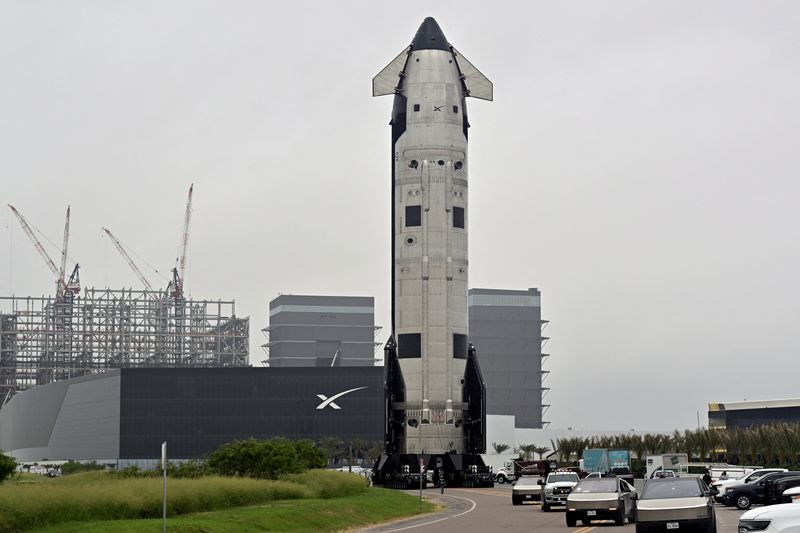
- Strategic Partnerships: This announcement follows Intel's partnership with SpaceX, xAI, and Tesla, marking a significant move in silicon fabrication technology, potentially positioning Intel as the central foundry for Elon Musk's integrated AI and robotics initiatives.
- Positive Market Reaction: Intel's shares rose nearly 11% at the time of the announcement, reflecting investor optimism regarding the new architecture and its potential market impact, which is expected to bolster the company's competitiveness in the AI sector.
- Future Computing Needs: Intel executives noted that future workloads will require a heterogeneous mix of computing, and this collaboration will deliver a cost-effective inference architecture designed to meet customer needs at scale while remaining compatible with the x86 software stack used in modern data centers.
Trade with 70% Backtested Accuracy
Stop guessing "Should I Buy INTC?" and start using high-conviction signals backed by rigorous historical data.
Sign up today to access powerful investing tools and make smarter, data-driven decisions.
Analyst Views on INTC
Wall Street analysts forecast INTC stock price to fall
29 Analyst Rating
5 Buy
19 Hold
5 Sell
Hold
Current: 110.800

Low
20.00
Averages
39.30
High
52.00
Current: 110.800
Low
20.00
Averages
39.30
High
52.00
About INTC
Intel Corporation is a global designer and manufacturer of semiconductor products. The Company's segments include Intel Products, Intel Foundry, and All Other. Its Intel Products comprise Client Computing Group (CCG) and Data Center and AI (DCAI). CCG delivers platforms and processors that power PCs and edge devices, enabling enhanced performance, connectivity and user experience for consumer and commercial markets with capabilities that also support retail, industrial robotics and AI ecosystems at the edge. DCAI delivers workload-optimized solutions based upon its x86 architecture for data centers, including CPUs, AI accelerators, NICs, IPUs and custom ASICs, enabling performance and scalability for cloud, enterprise, telecommunication and HPC environments. The Intel Foundry segment comprises technology development, manufacturing and foundry services, developing new semiconductor process technologies and advanced packaging technologies. All Other segments include Mobileye and Other.
About the author

Emily J. Thompson
Emily J. Thompson, a Chartered Financial Analyst (CFA) with 12 years in investment research, graduated with honors from the Wharton School. Specializing in industrial and technology stocks, she provides in-depth analysis for Intellectia’s earnings and market brief reports.
Intel's Stock Surge Driven by AI Supercycle and Strategic Leadership

- Stock Recovery: Intel's stock has surged by 2.24% recently, rebounding from a 52-week low of $18.97 in 2025 to the current price of $110.59, indicating increased market confidence in its growth prospects.
- AI Supercycle: Businesses are projected to spend $1 trillion on upgrading data center infrastructure by 2025, driving demand for more powerful computers and providing Intel with sustained market opportunities.
- Leadership Transformation: Since Lip-Bu Tan became CEO in March 2025, Intel has successfully transformed and achieved growth by forging key partnerships and enhancing its foundry business, reflecting the effectiveness of its strategic direction.
- Strong Financial Performance: In the fiscal first quarter ending March 28, Intel reported a 7% year-over-year revenue increase to $13.6 billion, with its data center and AI division achieving a 22% sales growth to $5.1 billion, showcasing robust demand for its AI semiconductor products.
See More
Nvidia's Earnings Disappoint, Market Awaits Retail Results

- Nvidia's Earnings Reaction: Nvidia (NVDA) reported second-quarter revenue forecasts exceeding Wall Street expectations and announced an $80 billion share repurchase program, yet its stock only rose 0.3% in premarket trading, reflecting market concerns about future growth amid increasing competition.
- Economic Data Focus: Investors are closely monitoring upcoming retail earnings and economic data to assess the impact of the Middle East conflict on the economy, particularly as the first-quarter earnings season approaches its conclusion, raising doubts about economic health.
- Oil Prices and Inflation Outlook: Brent crude futures dipped 0.7% to $104.21 per barrel due to negotiation prospects, with concerns over a lack of meaningful progress in reopening the Strait of Hormuz exacerbating inflation expectations and pushing U.S. 10-year Treasury yields back up to 4.582%.
- Walmart's Earnings Anticipation: Walmart (WMT) is set to release its earnings report, which will serve as a barometer for consumer spending and the impact of inflation on household budgets, with the market eager for insights that could provide new clues about the economic outlook.
See More
Nvidia Reports Blowout Q1 Results Driven by AI Chip Demand

- Data Center Revenue Surge: Nvidia's Q1 data center revenue skyrocketed 92% year-over-year to $75.25 billion, exceeding market expectations, which underscores the robust demand for AI chips and solidifies its leadership in the global data center buildout.
- New Customer Expansion: The company has begun to categorize data center sales into hyperscalers and ACIE (AI Clouds, Industrial, and Enterprise), with server sales to hyperscalers growing 115% year-over-year and ACIE revenue increasing 74%, indicating Nvidia's efforts to broaden its market reach.
- CPU Market Opportunity: Nvidia's Vera CPU is projected to open a new $200 billion total addressable market, with the CFO stating that CPU revenue could reach $20 billion this year, showcasing the company's ambitions in the CPU space and potential competition with Intel and AMD.
- Increased Shareholder Returns: Nvidia announced an increase in its quarterly cash dividend from $0.01 to $0.25 per share and approved an $80 billion share buyback plan, reflecting the company's confidence in future growth and commitment to returning value to shareholders.
See More
Target Issues Cautious Outlook, Shares Decline

- Significant Sales Growth: Target reported first-quarter sales of $25.4 billion, a 6.7% increase year-over-year, with comparable store sales rising 4.7%, indicating strong consumer demand despite ongoing challenges.
- Increased Capital Expenditures: To enhance product quality and attract shoppers, Target's capital expenditures surged by 31% to $1 billion for new stores and remodels, which, while increasing short-term costs, is expected to bolster long-term competitiveness.
- Improved Gross Margin: Target's gross margin improved to 29% from 28.2% a year ago, primarily driven by enhanced supply chain efficiencies and growth in high-margin advertising revenue, showcasing the company's success in cost management.
- Cautious Outlook: Although Target raised its full-year sales growth forecast to 4%, CFO Jim Lee noted a recent decline in consumer sentiment, emphasizing the need for a cautious market strategy to navigate the uncertain macroeconomic environment.
See More
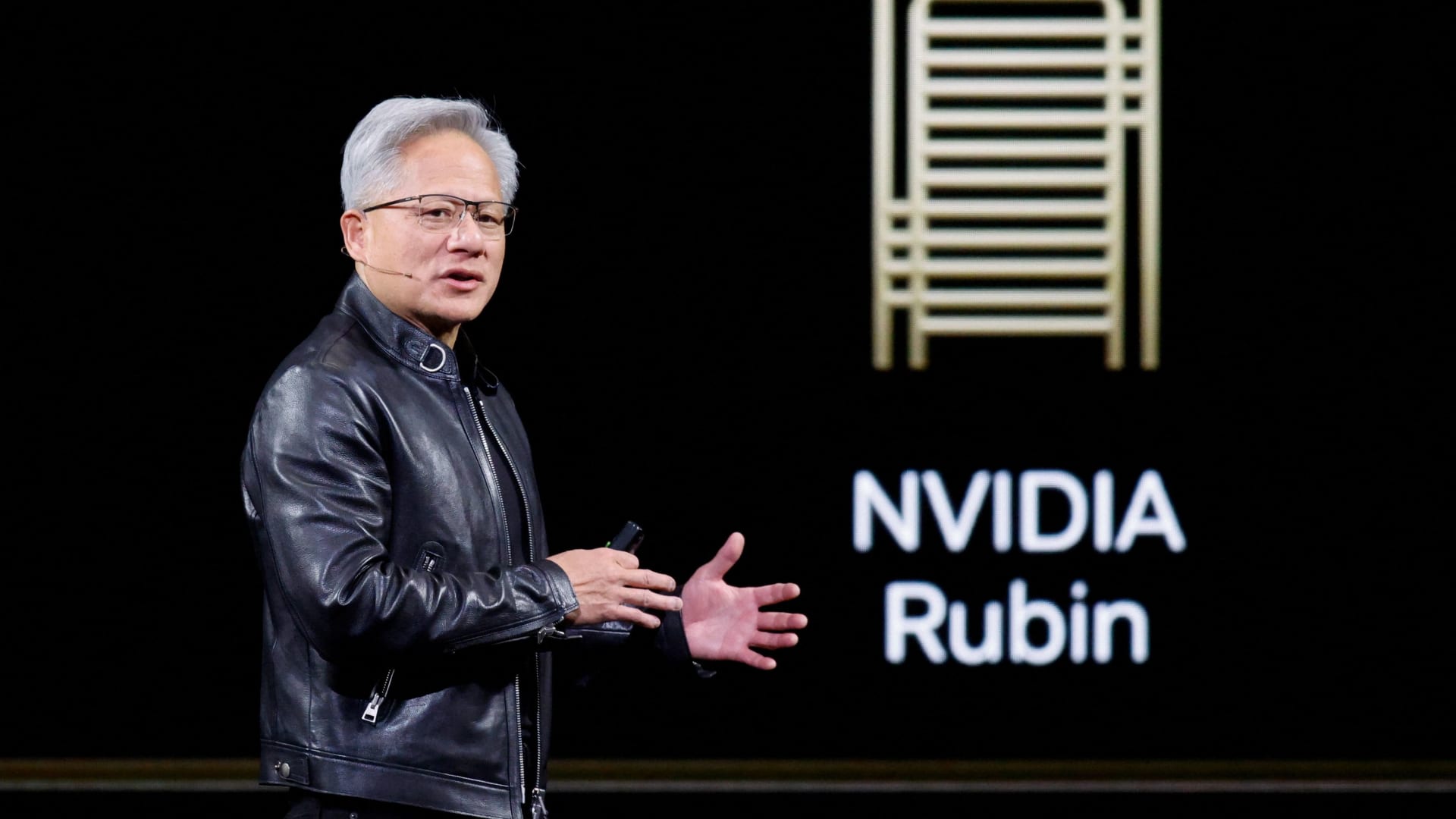
Nvidia Reports Blowout Quarter, Driven by Surging AI Demand

- Significant Revenue Growth: Nvidia's fiscal Q1 2027 revenue surged 85% year-over-year to $81.62 billion, surpassing the market expectation of $78.89 billion, demonstrating the company's robust performance in the AI data center sector and solidifying its market leadership.
- Enhanced Profitability: Adjusted earnings per share (EPS) rose 140% to $1.98, exceeding analyst expectations of $1.76, reflecting the company's efficient operations and improved profitability amid substantial investments in AI infrastructure.
- Surging Market Demand: CEO Jensen Huang highlighted that demand for AI systems has skyrocketed, with hyperscaler capital expenditures projected to exceed $1 trillion by 2027, driving AI infrastructure spending to reach $3 trillion to $4 trillion annually by the end of the decade, showcasing the industry's immense potential.
- Increased Shareholder Returns: Nvidia announced a hike in its quarterly dividend from $0.01 to $0.25 and added $80 billion to its stock repurchase authorization, indicating the company's commitment to shareholder returns while continuing to grow, thereby boosting investor confidence.
See More

Nvidia Boosts Dividend but Stock Falls Post Earnings

- Dividend Increase: Nvidia announced a dividend boost alongside beating earnings and revenue expectations with an adjusted gross margin of 75%, yet its stock fell in after-hours trading, indicating market concerns about future growth.
- Intensifying Competition: As AI demand diversifies, Nvidia faces pressure from competitors like Intel, AMD, and Micron, with analysts focusing on its growing market share in inference, particularly with the upcoming Vera Rubin system.
- Production Capacity Constraints: CEO Jensen Huang indicated that the production bandwidth for the Vera Rubin chip platform could reach capacity before its launch, suggesting supply constraints throughout its lifecycle, which may impact market performance.
- Strong Server Demand: Analysts noted a significant uptick in server CPU demand, especially for AI servers, highlighting that agentic AI is a key growth driver, even as Nvidia remains the dominant player in the market.
See More
Intel's Stock Surge Driven by AI Supercycle and Strategic Leadership
- Stock Recovery: Intel's stock has surged by 2.24% recently, rebounding from a 52-week low of $18.97 in 2025 to the current price of $110.59, indicating increased market confidence in its growth prospects.
- AI Supercycle: Businesses are projected to spend $1 trillion on upgrading data center infrastructure by 2025, driving demand for more powerful computers and providing Intel with sustained market opportunities.
- Leadership Transformation: Since Lip-Bu Tan became CEO in March 2025, Intel has successfully transformed and achieved growth by forging key partnerships and enhancing its foundry business, reflecting the effectiveness of its strategic direction.
- Strong Financial Performance: In the fiscal first quarter ending March 28, Intel reported a 7% year-over-year revenue increase to $13.6 billion, with its data center and AI division achieving a 22% sales growth to $5.1 billion, showcasing robust demand for its AI semiconductor products.
See More
Nvidia's Earnings Disappoint, Market Awaits Retail Results
- Nvidia's Earnings Reaction: Nvidia (NVDA) reported second-quarter revenue forecasts exceeding Wall Street expectations and announced an $80 billion share repurchase program, yet its stock only rose 0.3% in premarket trading, reflecting market concerns about future growth amid increasing competition.
- Economic Data Focus: Investors are closely monitoring upcoming retail earnings and economic data to assess the impact of the Middle East conflict on the economy, particularly as the first-quarter earnings season approaches its conclusion, raising doubts about economic health.
- Oil Prices and Inflation Outlook: Brent crude futures dipped 0.7% to $104.21 per barrel due to negotiation prospects, with concerns over a lack of meaningful progress in reopening the Strait of Hormuz exacerbating inflation expectations and pushing U.S. 10-year Treasury yields back up to 4.582%.
- Walmart's Earnings Anticipation: Walmart (WMT) is set to release its earnings report, which will serve as a barometer for consumer spending and the impact of inflation on household budgets, with the market eager for insights that could provide new clues about the economic outlook.
See More
Nvidia Reports Blowout Q1 Results Driven by AI Chip Demand
- Data Center Revenue Surge: Nvidia's Q1 data center revenue skyrocketed 92% year-over-year to $75.25 billion, exceeding market expectations, which underscores the robust demand for AI chips and solidifies its leadership in the global data center buildout.
- New Customer Expansion: The company has begun to categorize data center sales into hyperscalers and ACIE (AI Clouds, Industrial, and Enterprise), with server sales to hyperscalers growing 115% year-over-year and ACIE revenue increasing 74%, indicating Nvidia's efforts to broaden its market reach.
- CPU Market Opportunity: Nvidia's Vera CPU is projected to open a new $200 billion total addressable market, with the CFO stating that CPU revenue could reach $20 billion this year, showcasing the company's ambitions in the CPU space and potential competition with Intel and AMD.
- Increased Shareholder Returns: Nvidia announced an increase in its quarterly cash dividend from $0.01 to $0.25 per share and approved an $80 billion share buyback plan, reflecting the company's confidence in future growth and commitment to returning value to shareholders.
See More
Target Issues Cautious Outlook, Shares Decline
- Significant Sales Growth: Target reported first-quarter sales of $25.4 billion, a 6.7% increase year-over-year, with comparable store sales rising 4.7%, indicating strong consumer demand despite ongoing challenges.
- Increased Capital Expenditures: To enhance product quality and attract shoppers, Target's capital expenditures surged by 31% to $1 billion for new stores and remodels, which, while increasing short-term costs, is expected to bolster long-term competitiveness.
- Improved Gross Margin: Target's gross margin improved to 29% from 28.2% a year ago, primarily driven by enhanced supply chain efficiencies and growth in high-margin advertising revenue, showcasing the company's success in cost management.
- Cautious Outlook: Although Target raised its full-year sales growth forecast to 4%, CFO Jim Lee noted a recent decline in consumer sentiment, emphasizing the need for a cautious market strategy to navigate the uncertain macroeconomic environment.
See More
Nvidia Reports Blowout Quarter, Driven by Surging AI Demand
- Significant Revenue Growth: Nvidia's fiscal Q1 2027 revenue surged 85% year-over-year to $81.62 billion, surpassing the market expectation of $78.89 billion, demonstrating the company's robust performance in the AI data center sector and solidifying its market leadership.
- Enhanced Profitability: Adjusted earnings per share (EPS) rose 140% to $1.98, exceeding analyst expectations of $1.76, reflecting the company's efficient operations and improved profitability amid substantial investments in AI infrastructure.
- Surging Market Demand: CEO Jensen Huang highlighted that demand for AI systems has skyrocketed, with hyperscaler capital expenditures projected to exceed $1 trillion by 2027, driving AI infrastructure spending to reach $3 trillion to $4 trillion annually by the end of the decade, showcasing the industry's immense potential.
- Increased Shareholder Returns: Nvidia announced a hike in its quarterly dividend from $0.01 to $0.25 and added $80 billion to its stock repurchase authorization, indicating the company's commitment to shareholder returns while continuing to grow, thereby boosting investor confidence.
See More
Nvidia Boosts Dividend but Stock Falls Post Earnings
- Dividend Increase: Nvidia announced a dividend boost alongside beating earnings and revenue expectations with an adjusted gross margin of 75%, yet its stock fell in after-hours trading, indicating market concerns about future growth.
- Intensifying Competition: As AI demand diversifies, Nvidia faces pressure from competitors like Intel, AMD, and Micron, with analysts focusing on its growing market share in inference, particularly with the upcoming Vera Rubin system.
- Production Capacity Constraints: CEO Jensen Huang indicated that the production bandwidth for the Vera Rubin chip platform could reach capacity before its launch, suggesting supply constraints throughout its lifecycle, which may impact market performance.
- Strong Server Demand: Analysts noted a significant uptick in server CPU demand, especially for AI servers, highlighting that agentic AI is a key growth driver, even as Nvidia remains the dominant player in the market.
See More