Intel Shares Slide As Tariff Jitters Cloud Outlook, Analysts See More Challenges Despite New CEO Initiatives
Written by Emily J. Thompson, Senior Investment Analyst
Updated: Apr 25 2025
0mins
Source: Benzinga
Intel's Disappointing Guidance: Intel Corp shares fell sharply after the company provided disappointing second-quarter revenue guidance of $11.8 billion, missing analyst expectations of $12.8 billion, amid concerns over demand due to potential tariffs and an uncertain economic landscape.
Analyst Ratings and Concerns: Various analysts maintained or adjusted their ratings on Intel, with some expressing skepticism about the company's ability to improve its competitive position in the face of stiff competition and ongoing tariff-related challenges affecting future growth.
Trade with 70% Backtested Accuracy
Stop guessing "Should I Buy AMD?" and start using high-conviction signals backed by rigorous historical data.
Sign up today to access powerful investing tools and make smarter, data-driven decisions.
Analyst Views on AMD
Wall Street analysts forecast AMD stock price to fall
33 Analyst Rating
25 Buy
8 Hold
0 Sell
Strong Buy
Current: 518.090

Low
210.00
Averages
289.13
High
377.00
Current: 518.090
Low
210.00
Averages
289.13
High
377.00
About AMD
Advanced Micro Devices, Inc. is a global semiconductor company. The Company is focused on high-performance computing and artificial intelligence (AI). Its segments include Data Center, Client and Gaming, and Embedded. Data Center segment includes AI accelerators, microprocessors (CPUs) for servers, graphics processing units (GPUs), accelerated processing units (APUs), data processing units (DPUs), Field Programmable Gate Arrays (FPGAs), and Adaptive system-on-Chip (SoC) products for data centers. Client and Gaming segment includes CPUs, APUs, chipsets for desktops and notebooks, discrete GPUs, and semi-custom SoC products and development services. Embedded segment includes embedded CPUs, APUs, FPGAs, system on modules (SOMs), and Adaptive SoC products. It markets and sells its products under the AMD trademark. Its products include AMD EPYC, AMD Ryzen, AMD Ryzen PRO, Virtex UltraScale+, among others.
About the author

Emily J. Thompson
Emily J. Thompson, a Chartered Financial Analyst (CFA) with 12 years in investment research, graduated with honors from the Wharton School. Specializing in industrial and technology stocks, she provides in-depth analysis for Intellectia’s earnings and market brief reports.

Investors Eye Economic Data and Earnings Reports

- Tech Stocks Lead: Technology stocks continue to rally following fresh AI-related announcements from Nvidia and Dell, reflecting strong market confidence in ongoing demand for AI servers as part of May's record-setting momentum.
- HPE Earnings Focus: Investors are closely watching Hewlett-Packard Enterprise (HPE) for its upcoming earnings report, which could provide insights into sustained demand in the AI server market and potentially impact its stock performance.
- Nvidia Chip Launch: At the Computex event in Taipei, Nvidia unveiled its 'RTX Spark' chip aimed at competing with Intel and AMD, with major PC manufacturers like Dell and Lenovo expected to launch new systems powered by these chips later this year.
- Berkshire Acquisition Deal: Berkshire Hathaway has agreed to acquire Taylor Morrison in an all-cash deal valued at $6.8 billion, representing a 24% premium, indicating strong investment interest in the real estate market.
See More
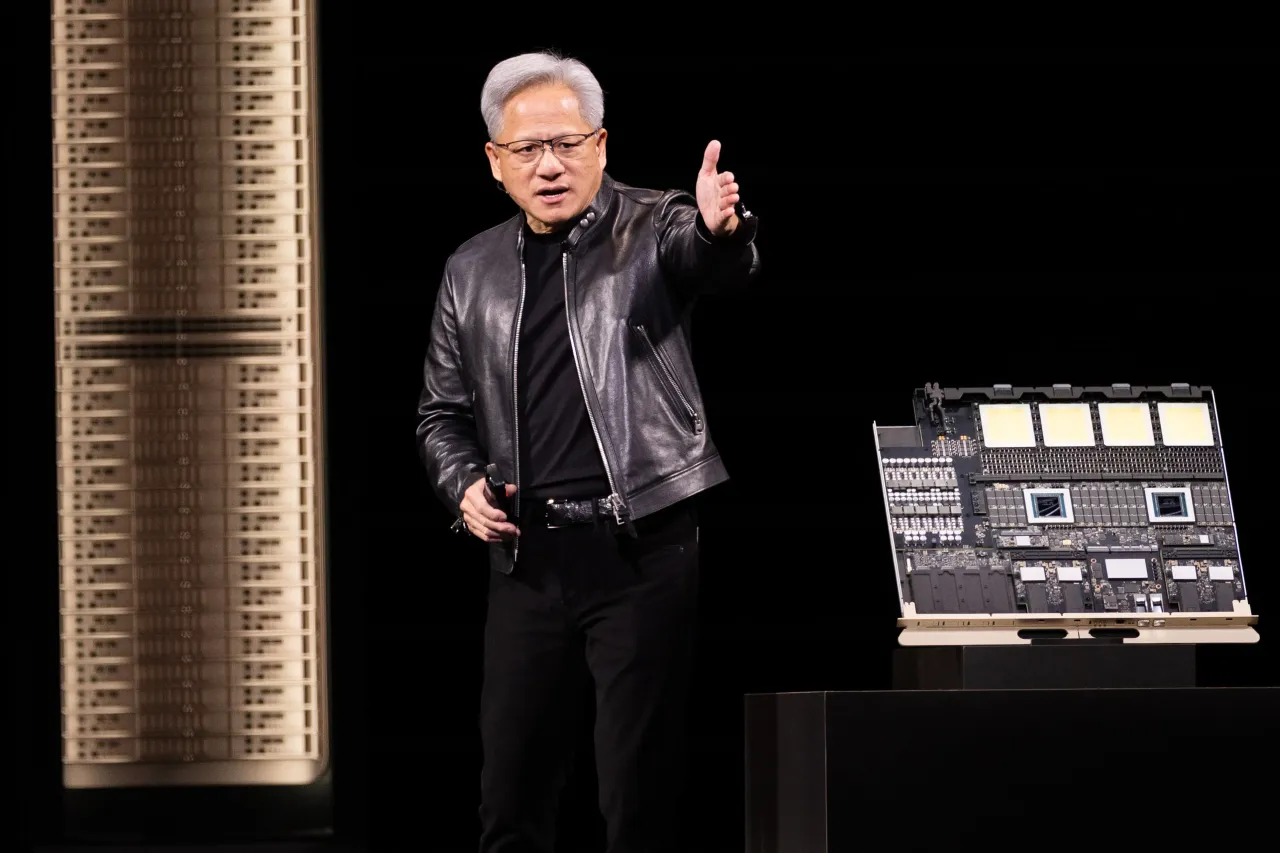
Nvidia and Microsoft Launch N1X Processor for Windows Laptops


- Market Entry Milestone: The co-developed N1X processor by Nvidia and Microsoft is set to ship in Windows laptops from major brands this fall, marking a significant breakthrough for Nvidia in a market long dominated by Intel and AMD, which is expected to enhance its market share.
- Positive Stock Reaction: Following the announcement, shares of Nvidia and Microsoft rose by 2.3%, while Intel and AMD stocks declined slightly, indicating investor optimism towards the new product, which may further bolster both companies' competitiveness in the AI hardware sector.
- Leading Technological Innovation: The N1X processor integrates Nvidia's top-tier chip architectures with 128GB of unified memory and an Arm-based CPU developed in collaboration with MediaTek, expected to provide powerful AI capabilities for the next generation of PCs, driving significant transformation in the computing industry.
- Expanding Customer Base: Nvidia's Vera Rubin chips have entered full production, with the first systems expected to ship in the fall, and early customers including notable companies like Anthropic, OpenAI, and SpaceX, showcasing Nvidia's strong influence and market demand in the AI sector.
See More
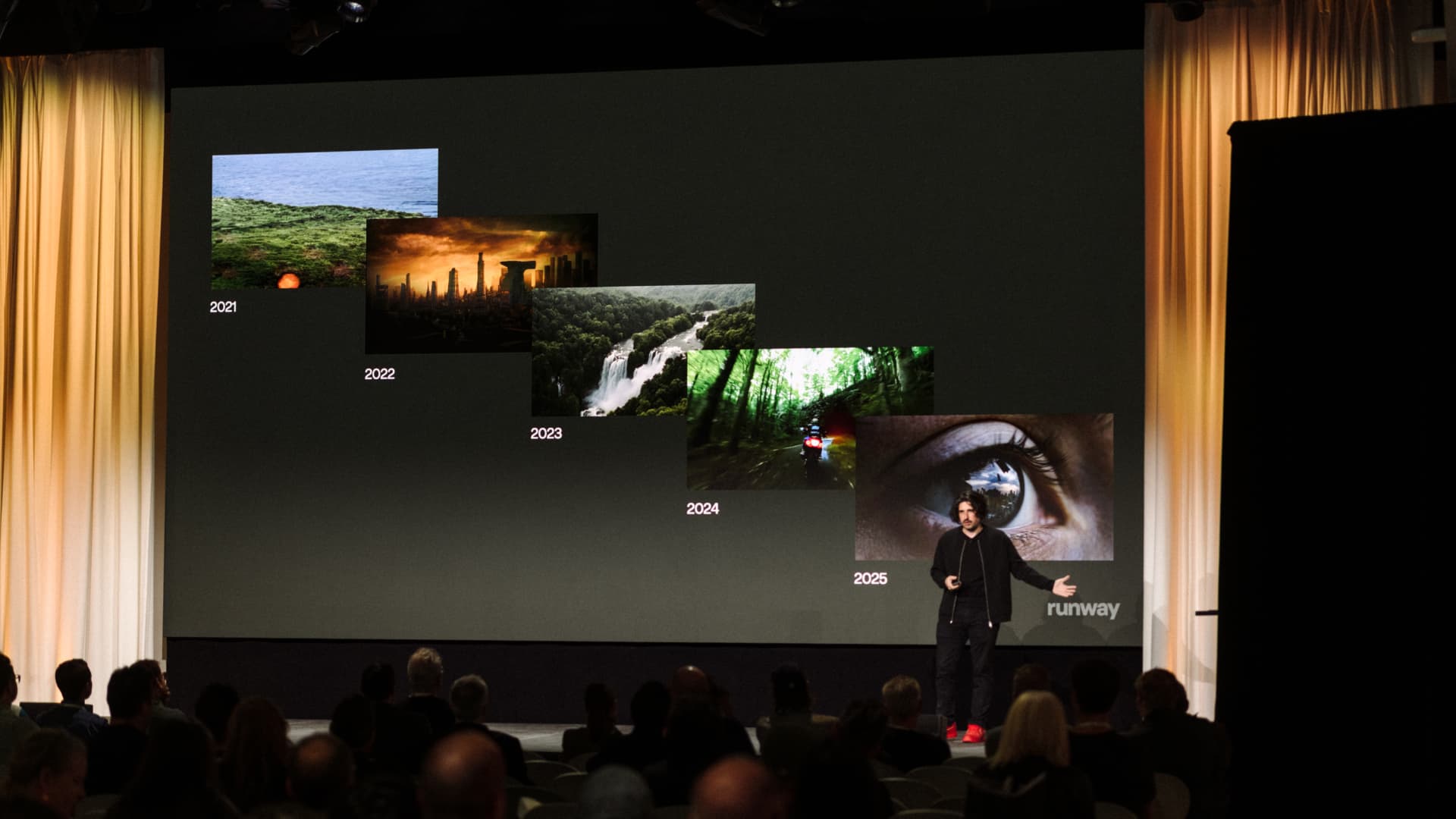
Runway Expands to London as New European HQ


- Major Investment Plan: Runway plans to invest over $200 million into the U.K. AI ecosystem by the end of 2028, demonstrating strong confidence in the London market and commitment to future growth.
- New Headquarters Establishment: By making London its new European headquarters, Runway aims to be closer to major clients like BBC, Fremantle, and WPP, thereby enhancing collaboration and driving business growth.
- Talent Attraction: The co-founder of Runway emphasized London's exceptional talent pool, making it an ideal location for expansion, with expectations to further grow across Europe and enhance the company's global competitiveness.
- Industry Impact: Runway's new London hub will drive pioneering research in world models, facilitating breakthroughs across industries such as film, gaming, science, and robotics, further solidifying London’s position as a global AI innovation center.
See More

Runway Plans Major Expansion in London

- Investment Plans: Runway intends to invest over $200 million into the U.K.'s AI ecosystem by the end of 2028, establishing its new European headquarters and enhancing its competitive position in the global AI market.
- Talent Attraction: The exceptional talent pool in London has drawn Runway's expansion, with the co-founder noting the city's proximity to key clients like BBC and WPP, which will foster collaboration.
- Technological Innovation: Runway is developing world models, AI systems capable of learning from diverse inputs such as audio, images, and video, surpassing traditional large language models and driving breakthroughs across industries like film, gaming, and science.
- Industry Impact: The U.K. AI minister stated that Runway's new London hub will bring pioneering research to the U.K., supporting innovation across various sectors and further solidifying London as a key base for global AI firms.
See More

Nvidia Launches N1X Processor to Enter PC Market
- Processor Launch: Nvidia unveiled the N1X processor at the Computex conference in Taipei, marking its entry into the PC market with plans to collaborate with Microsoft, Dell, HP, and others to launch over 30 laptops and 10 desktops, showcasing Nvidia's strong influence in the AI chip sector.
- Technological Innovation: The N1X processor combines Nvidia's Blackwell GPU with an Arm-based CPU designed by MediaTek, featuring 128GB of unified memory and manufactured using TSMC's 3-nanometer technology, which is expected to significantly enhance PC performance, particularly in AI applications.
- Market Potential: Nvidia anticipates the PC market will reach $200 billion, and the launch of the N1X could disrupt Intel and AMD's dominance in the traditional x86 processor market, promoting the widespread adoption of Arm architecture to meet the needs of creators and AI developers.
- Vera CPU Production: Nvidia's Vera CPU is now in full production and set to launch in the fall, with early customers including OpenAI and SpaceX, boasting performance 1.8 times that of current x86 processors, indicating Nvidia's strong growth potential in the data center market.
See More
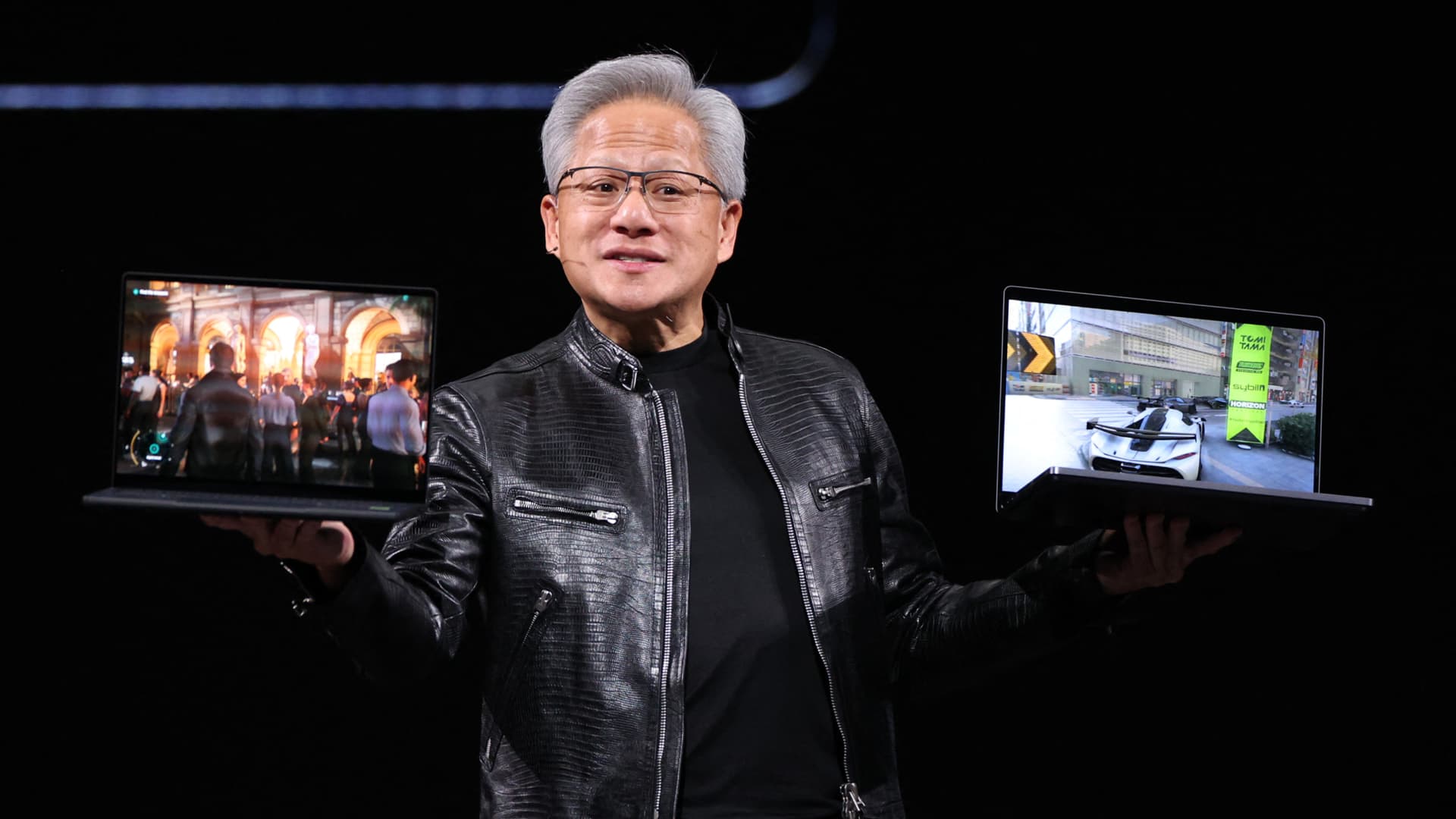
Nvidia Unveils N1X Processor, Set to Transform Personal Computing Market


- Processor Launch: Nvidia unveiled the N1X processor developed in collaboration with Microsoft at Computex in Taipei, marking its entry into the personal computer market with plans to release over 30 laptops and 10 desktops, significantly enhancing its competitive edge.
- Technological Innovation: The new processor integrates Nvidia's Blackwell GPU with an Arm-based N1X CPU designed by MediaTek, manufactured using TSMC's 3-nanometer technology, which is expected to drive a shift in the PC industry towards Arm architecture, challenging traditional x86 processors from Intel and AMD.
- Market Potential: Nvidia anticipates the PC processor market will reach $200 billion, and the introduction of the N1X processor not only addresses the high-performance computing needs of AI workloads but also reinforces the company's leadership position in the rapidly growing AI market.
- Energy Efficiency Improvement: Nvidia's Vera CPU is now in full production, capable of generating data center tokens 1.8 times faster than x86, showcasing exceptional energy efficiency and performance, positioning it as a key growth driver for future AI factories.
See More
Investors Eye Economic Data and Earnings Reports
- Tech Stocks Lead: Technology stocks continue to rally following fresh AI-related announcements from Nvidia and Dell, reflecting strong market confidence in ongoing demand for AI servers as part of May's record-setting momentum.
- HPE Earnings Focus: Investors are closely watching Hewlett-Packard Enterprise (HPE) for its upcoming earnings report, which could provide insights into sustained demand in the AI server market and potentially impact its stock performance.
- Nvidia Chip Launch: At the Computex event in Taipei, Nvidia unveiled its 'RTX Spark' chip aimed at competing with Intel and AMD, with major PC manufacturers like Dell and Lenovo expected to launch new systems powered by these chips later this year.
- Berkshire Acquisition Deal: Berkshire Hathaway has agreed to acquire Taylor Morrison in an all-cash deal valued at $6.8 billion, representing a 24% premium, indicating strong investment interest in the real estate market.
See More
Nvidia and Microsoft Launch N1X Processor for Windows Laptops
- Market Entry Milestone: The co-developed N1X processor by Nvidia and Microsoft is set to ship in Windows laptops from major brands this fall, marking a significant breakthrough for Nvidia in a market long dominated by Intel and AMD, which is expected to enhance its market share.
- Positive Stock Reaction: Following the announcement, shares of Nvidia and Microsoft rose by 2.3%, while Intel and AMD stocks declined slightly, indicating investor optimism towards the new product, which may further bolster both companies' competitiveness in the AI hardware sector.
- Leading Technological Innovation: The N1X processor integrates Nvidia's top-tier chip architectures with 128GB of unified memory and an Arm-based CPU developed in collaboration with MediaTek, expected to provide powerful AI capabilities for the next generation of PCs, driving significant transformation in the computing industry.
- Expanding Customer Base: Nvidia's Vera Rubin chips have entered full production, with the first systems expected to ship in the fall, and early customers including notable companies like Anthropic, OpenAI, and SpaceX, showcasing Nvidia's strong influence and market demand in the AI sector.
See More
Runway Expands to London as New European HQ
- Major Investment Plan: Runway plans to invest over $200 million into the U.K. AI ecosystem by the end of 2028, demonstrating strong confidence in the London market and commitment to future growth.
- New Headquarters Establishment: By making London its new European headquarters, Runway aims to be closer to major clients like BBC, Fremantle, and WPP, thereby enhancing collaboration and driving business growth.
- Talent Attraction: The co-founder of Runway emphasized London's exceptional talent pool, making it an ideal location for expansion, with expectations to further grow across Europe and enhance the company's global competitiveness.
- Industry Impact: Runway's new London hub will drive pioneering research in world models, facilitating breakthroughs across industries such as film, gaming, science, and robotics, further solidifying London’s position as a global AI innovation center.
See More
Runway Plans Major Expansion in London
- Investment Plans: Runway intends to invest over $200 million into the U.K.'s AI ecosystem by the end of 2028, establishing its new European headquarters and enhancing its competitive position in the global AI market.
- Talent Attraction: The exceptional talent pool in London has drawn Runway's expansion, with the co-founder noting the city's proximity to key clients like BBC and WPP, which will foster collaboration.
- Technological Innovation: Runway is developing world models, AI systems capable of learning from diverse inputs such as audio, images, and video, surpassing traditional large language models and driving breakthroughs across industries like film, gaming, and science.
- Industry Impact: The U.K. AI minister stated that Runway's new London hub will bring pioneering research to the U.K., supporting innovation across various sectors and further solidifying London as a key base for global AI firms.
See More
Nvidia Launches N1X Processor to Enter PC Market
- Processor Launch: Nvidia unveiled the N1X processor at the Computex conference in Taipei, marking its entry into the PC market with plans to collaborate with Microsoft, Dell, HP, and others to launch over 30 laptops and 10 desktops, showcasing Nvidia's strong influence in the AI chip sector.
- Technological Innovation: The N1X processor combines Nvidia's Blackwell GPU with an Arm-based CPU designed by MediaTek, featuring 128GB of unified memory and manufactured using TSMC's 3-nanometer technology, which is expected to significantly enhance PC performance, particularly in AI applications.
- Market Potential: Nvidia anticipates the PC market will reach $200 billion, and the launch of the N1X could disrupt Intel and AMD's dominance in the traditional x86 processor market, promoting the widespread adoption of Arm architecture to meet the needs of creators and AI developers.
- Vera CPU Production: Nvidia's Vera CPU is now in full production and set to launch in the fall, with early customers including OpenAI and SpaceX, boasting performance 1.8 times that of current x86 processors, indicating Nvidia's strong growth potential in the data center market.
See More
Nvidia Unveils N1X Processor, Set to Transform Personal Computing Market
- Processor Launch: Nvidia unveiled the N1X processor developed in collaboration with Microsoft at Computex in Taipei, marking its entry into the personal computer market with plans to release over 30 laptops and 10 desktops, significantly enhancing its competitive edge.
- Technological Innovation: The new processor integrates Nvidia's Blackwell GPU with an Arm-based N1X CPU designed by MediaTek, manufactured using TSMC's 3-nanometer technology, which is expected to drive a shift in the PC industry towards Arm architecture, challenging traditional x86 processors from Intel and AMD.
- Market Potential: Nvidia anticipates the PC processor market will reach $200 billion, and the introduction of the N1X processor not only addresses the high-performance computing needs of AI workloads but also reinforces the company's leadership position in the rapidly growing AI market.
- Energy Efficiency Improvement: Nvidia's Vera CPU is now in full production, capable of generating data center tokens 1.8 times faster than x86, showcasing exceptional energy efficiency and performance, positioning it as a key growth driver for future AI factories.
See More