Intel Partners with SambaNova for AI Inference Solutions
Written by Emily J. Thompson, Senior Investment Analyst
Updated: Feb 24 2026
0mins
Should l Buy INTC?
Source: stocktwits
- Partnership Announcement: Intel has signed a multi-year deal with AI chip startup SambaNova to provide a powerful alternative to GPU-centric AI inference solutions, which is expected to accelerate enterprise adoption of large-scale AI deployments.
- Funding Support: Intel is participating in a $350 million funding round for SambaNova, demonstrating confidence in the startup, while new CEO Tan is also an early investor, further strengthening the strategic partnership.
- Technology Integration: SambaNova's new AI chip, the SN50, outperforms Nvidia's B200, processing data at a rate of 895 tokens per second per user, significantly enhancing inference service efficiency and likely attracting more enterprise customers.
- Positive Market Reaction: Intel's shares rose nearly 2% following the partnership announcement, indicating a positive market response to the collaboration, although retail sentiment on Stocktwits remains bearish.
Trade with 70% Backtested Accuracy
Stop guessing "Should I Buy INTC?" and start using high-conviction signals backed by rigorous historical data.
Sign up today to access powerful investing tools and make smarter, data-driven decisions.
Analyst Views on INTC
Wall Street analysts forecast INTC stock price to fall
29 Analyst Rating
5 Buy
19 Hold
5 Sell
Hold
Current: 48.030

Low
20.00
Averages
39.30
High
52.00
Current: 48.030
Low
20.00
Averages
39.30
High
52.00
About INTC
Intel Corporation is a global designer and manufacturer of semiconductor products. The Company operates through three segments: Intel Products, Intel Foundry, and All Other. Its Intel Products segment includes Client Computing Group (CCG), Data Center and AI (DCAI), Network and Edge (NEX). The CCG is bringing together the operating system, system architecture, hardware, and software application integration to enable PC experiences. DCAI delivers workload-optimized solutions to cloud service providers and enterprises, along with silicon devices for communications service providers, network and edge, and HPC customers. NEX helps networks and edge compute systems from fixed-function hardware to general-purpose compute, acceleration, and networking devices running cloud native software on programmable hardware. The Intel Foundry segment comprises technology development, manufacturing and foundry services. All Other segments include Altera, Mobileye, Other.
About the author

Emily J. Thompson
Emily J. Thompson, a Chartered Financial Analyst (CFA) with 12 years in investment research, graduated with honors from the Wharton School. Specializing in industrial and technology stocks, she provides in-depth analysis for Intellectia’s earnings and market brief reports.
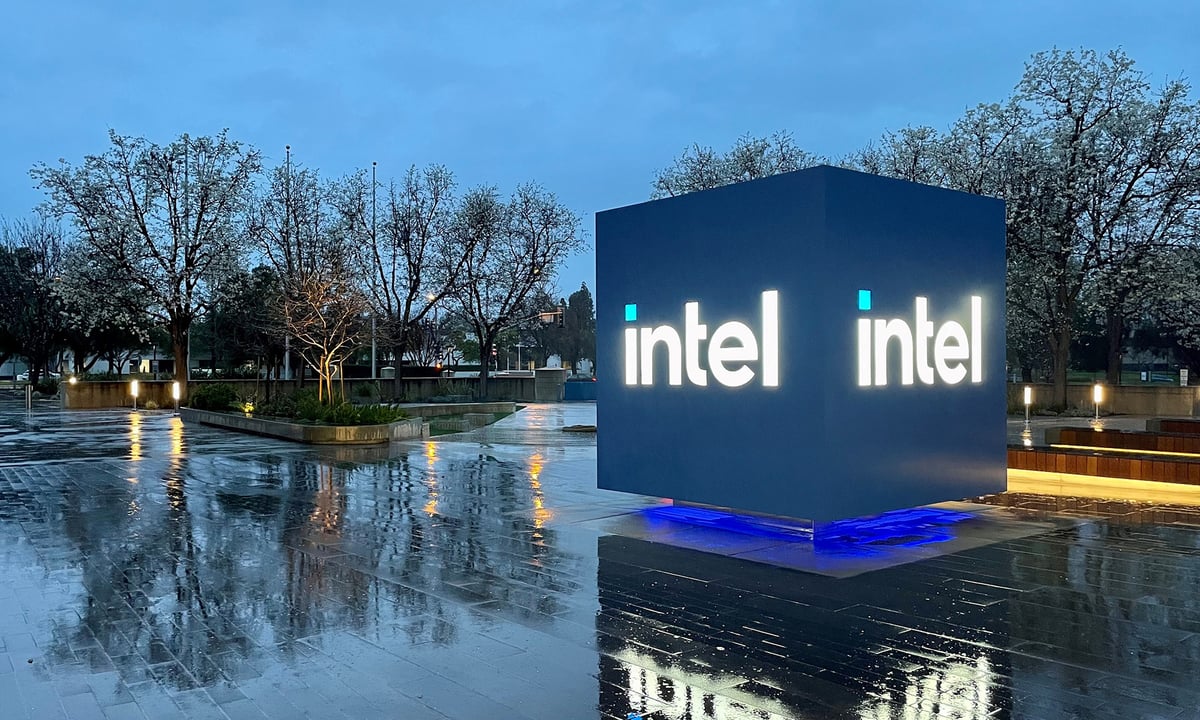
Intel Shows Significant Financial Improvement

- Financial Improvement: Intel's financial position has significantly improved compared to two years ago, reflecting the company's recovery and growth potential in the competitive market, which enhances investor confidence.
- Stock Performance: As of the afternoon of April 1, 2026, Intel's stock price rose by 4.89%, indicating a positive market reaction and optimistic expectations from investors regarding the company's future.
- Strategic Adjustments: This stock price increase is seen as a sign of successful strategic adjustments by Intel, indicating substantial progress in technology innovation and market expansion.
- Restored Market Confidence: The signs of improvement at Intel not only boost shareholder confidence but may also attract more investor attention, further driving the company's stock price upward.
See More

2025 AI Stocks Review and Future Outlook


- Importance of Profitability: As the market shifts focus to profitability, Palantir Technologies reported a net income of $1.6 billion last year, which appears insufficient against its $330 billion market cap, contributing to a more than 30% decline in its stock price since November.
- Strong Performance of Data Centers: Digital Realty achieved a 10% revenue growth in 2025, with operating profits soaring nearly 40%, demonstrating solid profitability in the AI data center sector, allowing DLR shares to maintain a long-term upward trend despite poor performance from other AI stocks.
- Cautious Market Attitude Towards AI Solutions: A survey revealed that 56% of CEOs have yet to see financial benefits from AI investments, leading companies to be more discerning about AI solutions that lack demonstrable value, thus increasing demand for efficient and verifiable AI technologies.
- Challenges of Power Efficiency: The International Energy Agency forecasts that data centers' electricity consumption will grow by 15% annually through 2030, significantly outpacing overall energy growth, prompting the industry to shift towards more efficient 800-volt DC systems to reduce operational costs and enhance competitiveness.
See More

Historic Energy Supply Disruption and Stock Market Crash
- Increased Market Volatility: As of March 27, the Dow Jones Industrial Average and Nasdaq Composite have fallen by 10.01% and 12.56%, respectively, while the S&P 500 has pulled back by 8.74%, indicating market fragility amid geopolitical tensions.
- Energy Supply Crisis: Iran's announcement to close the Strait of Hormuz has impacted 20% of global oil demand, leading to the largest energy supply disruption in history and soaring gas prices, which further exacerbates market uncertainty.
- Historical Data Warning: Among 43 major geopolitical events since 1940, oil price shocks have often resulted in significant market downturns, with the S&P 500 dropping 45% following the 1973 oil embargo and double digits after Iraq's invasion of Kuwait in 1990, highlighting the profound impact of oil price volatility on markets.
- Long-Term Investment Opportunities: While the market may face crash risks in the short term, history suggests that major events often provide profit opportunities for long-term investors, as evidenced by the average 1011-day duration of bull markets in the S&P 500 over the past 96 years, indicating a higher probability of success for long-term holders.
See More

Future Outlook for the Magnificent Seven Tech Stocks
- Tech Stock Performance Review: The remarkable growth of the S&P 500 over the past few years is partly attributed to the 'Magnificent Seven' tech stocks—Apple, Alphabet, Amazon, Meta Platforms, Microsoft, Nvidia, and Tesla—which have become household names due to their impressive growth.
- AI Market Concerns: Despite their strong past performance, these tech giants have recently faced stagnation or declines in stock prices amid concerns about the artificial intelligence (AI) revenue opportunities and uncertainties in the economic and geopolitical landscape, reflecting market caution regarding future growth.
- Potential Replacement Stocks: In light of the challenges facing the 'Magnificent Seven', Taiwan Semiconductor Manufacturing, Broadcom, and Nebius Group are seen as potential replacements, with TSMC playing a crucial role in AI chip manufacturing and Nebius focusing on AI workloads, indicating strong growth potential.
- Nebius Group Growth Expectations: Nebius Group's annual recurring revenue reached $1.25 billion in the recent year, with expectations to grow to between $7 billion and $9 billion in the coming year, highlighting its strong demand and growth prospects in the AI market.
See More

Google Breakthrough Triggers Memory Stock Sell-off


- Significant Memory Demand Reduction: Google's TurboQuant algorithm reduces the memory required for generative AI by six times, leading to a nearly 20% drop in Micron's stock price and shaking confidence across the memory chip sector.
- Overreaction in the Market: Despite the potential for increased demand due to efficiency gains, the market's bearish reaction towards Micron seems excessive, especially as the company projects the high-bandwidth memory market to grow from $35 billion to $100 billion, indicating robust future demand.
- Impact of Jevons Paradox: As memory becomes more efficient, demand may actually rise, suggesting that Micron's market position might not be fundamentally threatened, potentially presenting a buying opportunity for investors.
- Cautious Investor Approach: While the TurboQuant breakthrough is significant, investors should monitor consumer memory prices to assess the risk of falling prices for Micron, remaining vigilant to avoid potential losses.
See More

Goldman Sachs Predicts Bitcoin Bottom Is Near

- Bitcoin Price Decline: Bitcoin has dropped over 45% in the past six months, falling from approximately $66,700 in October to current levels, reflecting a decline in market risk appetite and increased geopolitical tensions.
- Institutional Investor Re-entry: In March, $1.32 billion flowed into spot Bitcoin ETFs, indicating a resurgence of institutional investors in the market, which provides a positive signal for crypto recovery and could drive prices higher.
- Decrease in Liquidations: The number of liquidations in Bitcoin trading decreased in March, suggesting a reduction in leveraged investments, which alleviates the pressure of forced sales on prices and creates a more favorable environment for potential price increases.
- Optimistic Long-term Outlook: While Bitcoin's price may continue to fluctuate in the short term, its nearly 60% market cap share and the U.S. government's strategic reserve of almost 200,000 Bitcoins indicate its long-term investment value, attracting more investor interest.
See More
Intel Shows Significant Financial Improvement
- Financial Improvement: Intel's financial position has significantly improved compared to two years ago, reflecting the company's recovery and growth potential in the competitive market, which enhances investor confidence.
- Stock Performance: As of the afternoon of April 1, 2026, Intel's stock price rose by 4.89%, indicating a positive market reaction and optimistic expectations from investors regarding the company's future.
- Strategic Adjustments: This stock price increase is seen as a sign of successful strategic adjustments by Intel, indicating substantial progress in technology innovation and market expansion.
- Restored Market Confidence: The signs of improvement at Intel not only boost shareholder confidence but may also attract more investor attention, further driving the company's stock price upward.
See More
2025 AI Stocks Review and Future Outlook
- Importance of Profitability: As the market shifts focus to profitability, Palantir Technologies reported a net income of $1.6 billion last year, which appears insufficient against its $330 billion market cap, contributing to a more than 30% decline in its stock price since November.
- Strong Performance of Data Centers: Digital Realty achieved a 10% revenue growth in 2025, with operating profits soaring nearly 40%, demonstrating solid profitability in the AI data center sector, allowing DLR shares to maintain a long-term upward trend despite poor performance from other AI stocks.
- Cautious Market Attitude Towards AI Solutions: A survey revealed that 56% of CEOs have yet to see financial benefits from AI investments, leading companies to be more discerning about AI solutions that lack demonstrable value, thus increasing demand for efficient and verifiable AI technologies.
- Challenges of Power Efficiency: The International Energy Agency forecasts that data centers' electricity consumption will grow by 15% annually through 2030, significantly outpacing overall energy growth, prompting the industry to shift towards more efficient 800-volt DC systems to reduce operational costs and enhance competitiveness.
See More
Historic Energy Supply Disruption and Stock Market Crash
- Increased Market Volatility: As of March 27, the Dow Jones Industrial Average and Nasdaq Composite have fallen by 10.01% and 12.56%, respectively, while the S&P 500 has pulled back by 8.74%, indicating market fragility amid geopolitical tensions.
- Energy Supply Crisis: Iran's announcement to close the Strait of Hormuz has impacted 20% of global oil demand, leading to the largest energy supply disruption in history and soaring gas prices, which further exacerbates market uncertainty.
- Historical Data Warning: Among 43 major geopolitical events since 1940, oil price shocks have often resulted in significant market downturns, with the S&P 500 dropping 45% following the 1973 oil embargo and double digits after Iraq's invasion of Kuwait in 1990, highlighting the profound impact of oil price volatility on markets.
- Long-Term Investment Opportunities: While the market may face crash risks in the short term, history suggests that major events often provide profit opportunities for long-term investors, as evidenced by the average 1011-day duration of bull markets in the S&P 500 over the past 96 years, indicating a higher probability of success for long-term holders.
See More
Future Outlook for the Magnificent Seven Tech Stocks
- Tech Stock Performance Review: The remarkable growth of the S&P 500 over the past few years is partly attributed to the 'Magnificent Seven' tech stocks—Apple, Alphabet, Amazon, Meta Platforms, Microsoft, Nvidia, and Tesla—which have become household names due to their impressive growth.
- AI Market Concerns: Despite their strong past performance, these tech giants have recently faced stagnation or declines in stock prices amid concerns about the artificial intelligence (AI) revenue opportunities and uncertainties in the economic and geopolitical landscape, reflecting market caution regarding future growth.
- Potential Replacement Stocks: In light of the challenges facing the 'Magnificent Seven', Taiwan Semiconductor Manufacturing, Broadcom, and Nebius Group are seen as potential replacements, with TSMC playing a crucial role in AI chip manufacturing and Nebius focusing on AI workloads, indicating strong growth potential.
- Nebius Group Growth Expectations: Nebius Group's annual recurring revenue reached $1.25 billion in the recent year, with expectations to grow to between $7 billion and $9 billion in the coming year, highlighting its strong demand and growth prospects in the AI market.
See More
Google Breakthrough Triggers Memory Stock Sell-off
- Significant Memory Demand Reduction: Google's TurboQuant algorithm reduces the memory required for generative AI by six times, leading to a nearly 20% drop in Micron's stock price and shaking confidence across the memory chip sector.
- Overreaction in the Market: Despite the potential for increased demand due to efficiency gains, the market's bearish reaction towards Micron seems excessive, especially as the company projects the high-bandwidth memory market to grow from $35 billion to $100 billion, indicating robust future demand.
- Impact of Jevons Paradox: As memory becomes more efficient, demand may actually rise, suggesting that Micron's market position might not be fundamentally threatened, potentially presenting a buying opportunity for investors.
- Cautious Investor Approach: While the TurboQuant breakthrough is significant, investors should monitor consumer memory prices to assess the risk of falling prices for Micron, remaining vigilant to avoid potential losses.
See More
Goldman Sachs Predicts Bitcoin Bottom Is Near
- Bitcoin Price Decline: Bitcoin has dropped over 45% in the past six months, falling from approximately $66,700 in October to current levels, reflecting a decline in market risk appetite and increased geopolitical tensions.
- Institutional Investor Re-entry: In March, $1.32 billion flowed into spot Bitcoin ETFs, indicating a resurgence of institutional investors in the market, which provides a positive signal for crypto recovery and could drive prices higher.
- Decrease in Liquidations: The number of liquidations in Bitcoin trading decreased in March, suggesting a reduction in leveraged investments, which alleviates the pressure of forced sales on prices and creates a more favorable environment for potential price increases.
- Optimistic Long-term Outlook: While Bitcoin's price may continue to fluctuate in the short term, its nearly 60% market cap share and the U.S. government's strategic reserve of almost 200,000 Bitcoins indicate its long-term investment value, attracting more investor interest.
See More