Intel (INTC) Plans $9.1B Capital Expenditure Increase for 2026
Written by Emily J. Thompson, Senior Investment Analyst
Updated: Jan 23 2026
0mins

Should l Buy INTC?
Source: seekingalpha
- Capital Expenditure Plans: Intel plans to increase its capital expenditure to $9.1 billion in 2026, despite earlier expectations of a decline, indicating the company's confidence in future chip demand, which could positively impact equipment manufacturers.
- Increased Tool Investment: The CFO noted that spending in 2026 will be heavily focused on tools to address supply shortages, which is expected to significantly enhance production capacity, particularly at advanced process nodes.
- Competitive Market Pressure: In response to fierce competition from TSMC and Samsung, Intel is aggressively acquiring tools to boost its production capabilities, especially at the Intel 710 and Intel 3 18A nodes, demonstrating urgency in its market strategy.
- Future Uncertainty: Intel warned that if it fails to secure sufficient external customer support for the 14A process, it may pause or discontinue related projects, reflecting the risks and uncertainties in its technology development efforts.
Trade with 70% Backtested Accuracy
Stop guessing "Should I Buy INTC?" and start using high-conviction signals backed by rigorous historical data.
Sign up today to access powerful investing tools and make smarter, data-driven decisions.
Analyst Views on INTC
Wall Street analysts forecast INTC stock price to fall
29 Analyst Rating
5 Buy
19 Hold
5 Sell
Hold
Current: 108.770

Low
20.00
Averages
39.30
High
52.00
Current: 108.770
Low
20.00
Averages
39.30
High
52.00
About INTC
Intel Corporation is a global designer and manufacturer of semiconductor products. The Company's segments include Intel Products, Intel Foundry, and All Other. Its Intel Products comprise Client Computing Group (CCG) and Data Center and AI (DCAI). CCG delivers platforms and processors that power PCs and edge devices, enabling enhanced performance, connectivity and user experience for consumer and commercial markets with capabilities that also support retail, industrial robotics and AI ecosystems at the edge. DCAI delivers workload-optimized solutions based upon its x86 architecture for data centers, including CPUs, AI accelerators, NICs, IPUs and custom ASICs, enabling performance and scalability for cloud, enterprise, telecommunication and HPC environments. The Intel Foundry segment comprises technology development, manufacturing and foundry services, developing new semiconductor process technologies and advanced packaging technologies. All Other segments include Mobileye and Other.
About the author

Emily J. Thompson
Emily J. Thompson, a Chartered Financial Analyst (CFA) with 12 years in investment research, graduated with honors from the Wharton School. Specializing in industrial and technology stocks, she provides in-depth analysis for Intellectia’s earnings and market brief reports.

Trump Discusses U.S. Government Stake in Intel

- Trump's Investment Perspective: In a recent interview, Trump stated he should have 'asked for more' regarding the U.S. government's roughly 10% stake in Intel, a comment that drew market attention and led to a 1% drop in Intel's premarket shares.
- Investment Details: In August 2025, the U.S. government invested $11.1 billion in Intel, purchasing 433.3 million shares at $20.47 each, equating to a 9.9% stake, along with a five-year warrant for an additional 5% of shares, contingent on Intel's ownership of its foundry business.
- Market Reaction and Stock Performance: Despite Trump's claim of generating over $30 billion for the U.S., Intel's shares have surged over 400% in the past year, yet recent declines indicate market concerns regarding government ownership.
- Patriotism and Economic Impact: Trump emphasized that this investment supports American companies, facing criticism for potentially being viewed as 'un-American', yet he believes it will enhance both Intel's growth and the U.S. economy.
See More
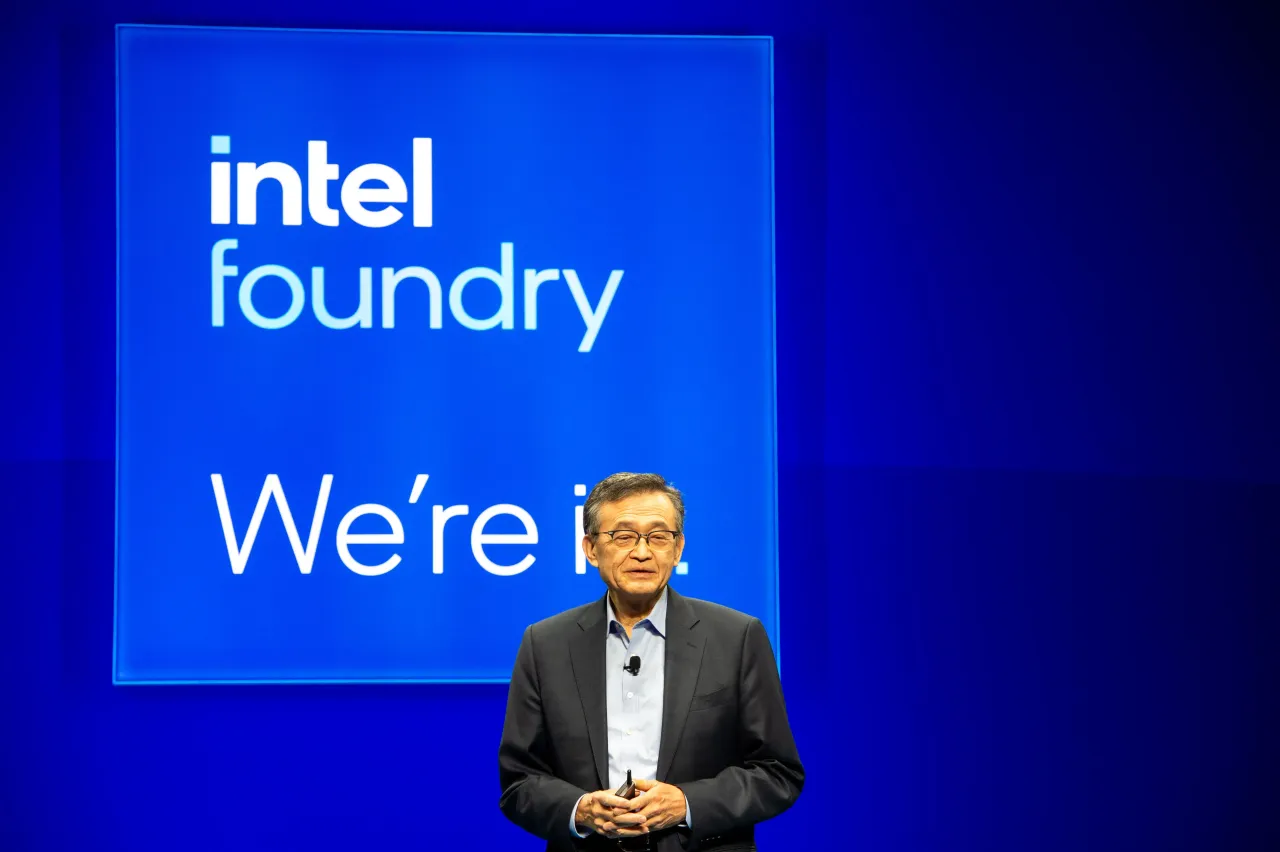
Intel CEO Discusses Progress in Foundry Business
- Foundry Business Priority: Intel CEO Lip-Bu Tan emphasized that turning around the foundry business is a top priority, having signed foundry deals with Tesla and Google, and is reportedly in talks with Apple for chip manufacturing contracts that could generate $10 billion in annual revenue, showcasing strong market appeal.
- Growing Customer Demand: Tan confirmed that Intel's foundry business has “multiple customers engaged,” with improvements in its 14A and 18A processes driving increased customer interest, which not only enhances the company's competitive edge but also has the potential to attract more major clients.
- Strong Financial Performance: Intel's recent quarterly revenue rose 7% to $13.6 billion, beating Wall Street estimates by approximately 9%, while data center and AI sales surged 22% to $5.05 billion, indicating robust performance in high-demand sectors.
- Market Sentiment Shift: Despite retail investors maintaining a 'bearish' sentiment towards Intel, the stock has surged 193% year-to-date, reflecting optimistic market expectations for the company's future developments, with investors eagerly anticipating significant announcements.
See More

Intel's Foundry Business Shows Significant Turnaround

- Foundry Progress: Intel CEO Lip-Bu Tan stated that the company's foundry business is gaining traction, with improving manufacturing yields attracting interest from external customers, and commitments from multiple clients are expected in the second half of the year, marking a significant revival in the semiconductor market.
- Yield Improvement: Tan noted that Intel's 18A manufacturing process was underperforming when he took over, but now the monthly yield improvements have exceeded 7% to 8%, which not only enhances profitability but also boosts customer confidence in the foundry business.
- Increased Customer Interest: As manufacturing performance improves, more prospective customers are approaching Intel, particularly following a preliminary agreement with Apple, with expectations of additional clients collaborating with Intel in the second half of the year, further driving market share growth.
- Strategic Importance: Tan emphasized the strategic significance of the foundry business for the U.S. semiconductor supply chain, with Intel's new plant in Arizona utilizing the 18A process, and the upcoming 14A process poised to compete with TSMC, showcasing the company's ambitions in the global semiconductor market.
See More

Druckenmiller's Latest Investment Moves in AI Stocks


- Portfolio Adjustment: In Q1 2023, Druckenmiller increased his stake in Broadcom (AVGO) by 195,955 shares, representing 1.8% of his portfolio, indicating confidence in the AI chip market, particularly as Broadcom's custom chips drive significant growth.
- Emerging Holdings: He also purchased 23,400 shares of Micron Technology (MU), which makes up 0.2% of his portfolio, suggesting optimism about Micron's strong demand for memory in AI workloads, despite challenges in meeting that demand.
- Strategic Positioning: Druckenmiller acquired 411,400 shares of Intel (INTC), accounting for 0.5% of his portfolio, reflecting a positive outlook on Intel's potential in the AI sector, especially with its partnership with Nvidia enhancing its competitive edge.
- Market Outlook: Although Druckenmiller did not specify his reasons for these moves, his optimism about the AI industry is evident, particularly as companies like Broadcom, Intel, and Micron demonstrate robust growth amid the AI boom.
See More
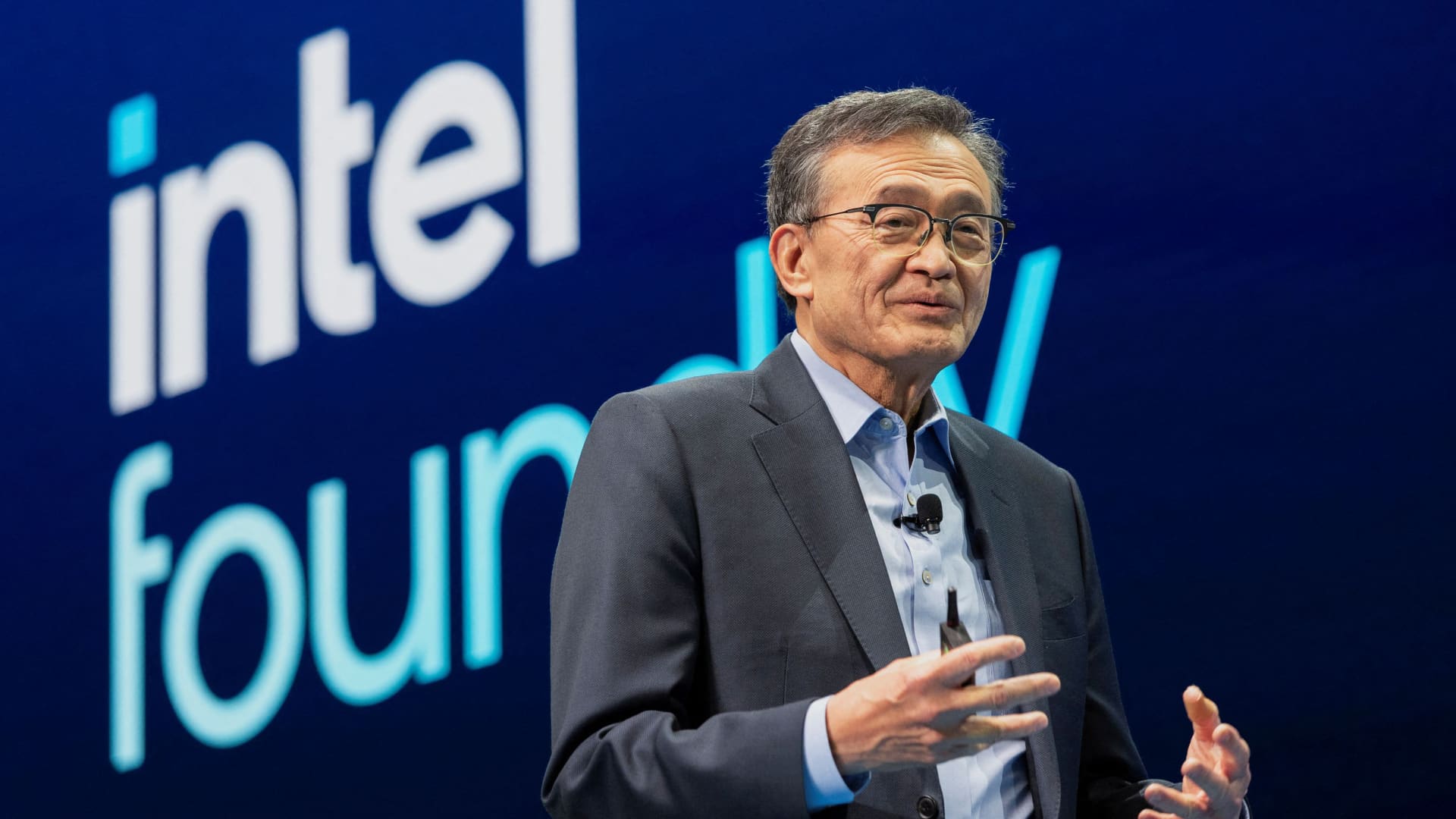
Intel's External Manufacturing Business Gains Traction
- Importance of Manufacturing: CEO Lip-Bu Tan stated that Intel's external manufacturing business is becoming a key part of the company's revitalization strategy, aimed at rebuilding advanced chip production capacity in the U.S. and reducing reliance on overseas manufacturing.
- Significant Yield Improvement: Tan noted that Intel's 18A manufacturing process was underperforming when he took over, but now shows monthly yield improvements exceeding 7% to 8%, which not only exceeds expectations but also boosts customer confidence.
- Increased Customer Interest: As manufacturing performance improves, more prospective customers are approaching Intel, with expectations of multiple commitments in the second half of the year, further driving the growth of the external manufacturing business.
- Strategic Implications: Tan emphasized the critical role of the external manufacturing business in the U.S. semiconductor supply chain, with Intel's new Arizona plant utilizing the 18A process, while the upcoming 14A process is expected to compete with TSMC, marking a significant breakthrough.
See More

Intel Stock Dips Amid AI Bubble Risk Warning and Profit-Taking

- Stock Fluctuation: Intel (INTC) closed at $108.17 on Monday, down 0.55%, reflecting investor concerns weighing recent earnings strength against AI-driven momentum and warnings about potential AI bubble risks.
- Surge in Trading Volume: Trading volume reached 143.9 million shares, approximately 26% above the three-month average of 113.8 million shares, indicating increased market activity and heightened investor interest in Intel, which may signal future price volatility.
- Analyst Optimism: Despite recent pullbacks, analysts from Citigroup and Benchmark Equity Research raised Intel's price targets to $130 and $140 respectively, demonstrating confidence in continued AI market growth, which could provide support for the stock price.
- Market Outlook Analysis: If the CPU market grows by 35% annually due to demand for processors that support AI agents, as predicted by analysts, Intel's stock may resume its upward trajectory, reflecting the company's potential growth opportunities in the AI sector.
See More
Trump Discusses U.S. Government Stake in Intel
- Trump's Investment Perspective: In a recent interview, Trump stated he should have 'asked for more' regarding the U.S. government's roughly 10% stake in Intel, a comment that drew market attention and led to a 1% drop in Intel's premarket shares.
- Investment Details: In August 2025, the U.S. government invested $11.1 billion in Intel, purchasing 433.3 million shares at $20.47 each, equating to a 9.9% stake, along with a five-year warrant for an additional 5% of shares, contingent on Intel's ownership of its foundry business.
- Market Reaction and Stock Performance: Despite Trump's claim of generating over $30 billion for the U.S., Intel's shares have surged over 400% in the past year, yet recent declines indicate market concerns regarding government ownership.
- Patriotism and Economic Impact: Trump emphasized that this investment supports American companies, facing criticism for potentially being viewed as 'un-American', yet he believes it will enhance both Intel's growth and the U.S. economy.
See More
Intel CEO Discusses Progress in Foundry Business
- Foundry Business Priority: Intel CEO Lip-Bu Tan emphasized that turning around the foundry business is a top priority, having signed foundry deals with Tesla and Google, and is reportedly in talks with Apple for chip manufacturing contracts that could generate $10 billion in annual revenue, showcasing strong market appeal.
- Growing Customer Demand: Tan confirmed that Intel's foundry business has “multiple customers engaged,” with improvements in its 14A and 18A processes driving increased customer interest, which not only enhances the company's competitive edge but also has the potential to attract more major clients.
- Strong Financial Performance: Intel's recent quarterly revenue rose 7% to $13.6 billion, beating Wall Street estimates by approximately 9%, while data center and AI sales surged 22% to $5.05 billion, indicating robust performance in high-demand sectors.
- Market Sentiment Shift: Despite retail investors maintaining a 'bearish' sentiment towards Intel, the stock has surged 193% year-to-date, reflecting optimistic market expectations for the company's future developments, with investors eagerly anticipating significant announcements.
See More
Intel's Foundry Business Shows Significant Turnaround
- Foundry Progress: Intel CEO Lip-Bu Tan stated that the company's foundry business is gaining traction, with improving manufacturing yields attracting interest from external customers, and commitments from multiple clients are expected in the second half of the year, marking a significant revival in the semiconductor market.
- Yield Improvement: Tan noted that Intel's 18A manufacturing process was underperforming when he took over, but now the monthly yield improvements have exceeded 7% to 8%, which not only enhances profitability but also boosts customer confidence in the foundry business.
- Increased Customer Interest: As manufacturing performance improves, more prospective customers are approaching Intel, particularly following a preliminary agreement with Apple, with expectations of additional clients collaborating with Intel in the second half of the year, further driving market share growth.
- Strategic Importance: Tan emphasized the strategic significance of the foundry business for the U.S. semiconductor supply chain, with Intel's new plant in Arizona utilizing the 18A process, and the upcoming 14A process poised to compete with TSMC, showcasing the company's ambitions in the global semiconductor market.
See More
Druckenmiller's Latest Investment Moves in AI Stocks
- Portfolio Adjustment: In Q1 2023, Druckenmiller increased his stake in Broadcom (AVGO) by 195,955 shares, representing 1.8% of his portfolio, indicating confidence in the AI chip market, particularly as Broadcom's custom chips drive significant growth.
- Emerging Holdings: He also purchased 23,400 shares of Micron Technology (MU), which makes up 0.2% of his portfolio, suggesting optimism about Micron's strong demand for memory in AI workloads, despite challenges in meeting that demand.
- Strategic Positioning: Druckenmiller acquired 411,400 shares of Intel (INTC), accounting for 0.5% of his portfolio, reflecting a positive outlook on Intel's potential in the AI sector, especially with its partnership with Nvidia enhancing its competitive edge.
- Market Outlook: Although Druckenmiller did not specify his reasons for these moves, his optimism about the AI industry is evident, particularly as companies like Broadcom, Intel, and Micron demonstrate robust growth amid the AI boom.
See More
Intel's External Manufacturing Business Gains Traction
- Importance of Manufacturing: CEO Lip-Bu Tan stated that Intel's external manufacturing business is becoming a key part of the company's revitalization strategy, aimed at rebuilding advanced chip production capacity in the U.S. and reducing reliance on overseas manufacturing.
- Significant Yield Improvement: Tan noted that Intel's 18A manufacturing process was underperforming when he took over, but now shows monthly yield improvements exceeding 7% to 8%, which not only exceeds expectations but also boosts customer confidence.
- Increased Customer Interest: As manufacturing performance improves, more prospective customers are approaching Intel, with expectations of multiple commitments in the second half of the year, further driving the growth of the external manufacturing business.
- Strategic Implications: Tan emphasized the critical role of the external manufacturing business in the U.S. semiconductor supply chain, with Intel's new Arizona plant utilizing the 18A process, while the upcoming 14A process is expected to compete with TSMC, marking a significant breakthrough.
See More
Intel Stock Dips Amid AI Bubble Risk Warning and Profit-Taking
- Stock Fluctuation: Intel (INTC) closed at $108.17 on Monday, down 0.55%, reflecting investor concerns weighing recent earnings strength against AI-driven momentum and warnings about potential AI bubble risks.
- Surge in Trading Volume: Trading volume reached 143.9 million shares, approximately 26% above the three-month average of 113.8 million shares, indicating increased market activity and heightened investor interest in Intel, which may signal future price volatility.
- Analyst Optimism: Despite recent pullbacks, analysts from Citigroup and Benchmark Equity Research raised Intel's price targets to $130 and $140 respectively, demonstrating confidence in continued AI market growth, which could provide support for the stock price.
- Market Outlook Analysis: If the CPU market grows by 35% annually due to demand for processors that support AI agents, as predicted by analysts, Intel's stock may resume its upward trajectory, reflecting the company's potential growth opportunities in the AI sector.
See More