Inhibrx Stock Surges 150% Post Ozekibart Trial Results but Faces Structural Risks
Written by Emily J. Thompson, Senior Investment Analyst
Updated: Dec 24 2025
0mins
Should l Buy INBX?
Source: Benzinga
- Stock Surge: Inhibrx's stock price skyrocketed over 150% shortly after reporting positive topline results from its Ozekibart (INBRX-109) registrational trial in October 2025, indicating strong market confidence in its product.
- Cycle Analysis: Currently in Phase 2 of the 18-phase Adhishthana cycle, Inhibrx's stock is deviating from expected behavior, as it should typically consolidate or correct during this phase, raising concerns about potential instability ahead.
- Historical Lessons: Similar to Lamb Weston, where premature rallies led to over 60% corrections upon entering the Buddhi phase, investors should remain cautious to avoid significant losses.
- Investor Outlook: While the stock may continue to rise in the short term, the misalignment with the natural rhythm of the Adhishthana cycle suggests that investors should carefully assess potential risks before chasing the stock at current levels.
Trade with 70% Backtested Accuracy
Stop guessing "Should I Buy INBX?" and start using high-conviction signals backed by rigorous historical data.
Sign up today to access powerful investing tools and make smarter, data-driven decisions.
Analyst Views on INBX
About INBX
Inhibrx Biosciences, Inc. is a clinical-stage biopharmaceutical company focused on developing a broad pipeline of novel biologic therapeutic candidates. The Company utilizes diverse methods of protein engineering to address the specific requirements of complex target and disease biology, including its proprietary protein engineering platforms. Its clinical pipeline of therapeutic candidates includes ozekibart (INBRX-109) and INBRX-106. INBRX-109 is a tetravalent agonist of death receptor 5 (DR5) that it designed with its proprietary single domain antibody (sdAb) platform to drive cancer-selective programmed cell death and to maximize potency while minimizing on-target liver toxicity arising from hepatocyte apoptosis. INBRX-106 is a hexavalent OX40 agonist which is being investigated as a single agent and in combination with KEYTRUDA (pembrolizumab), a PD-1 blocking checkpoint inhibitor, in patients with locally advanced or metastatic solid tumors.
About the author

Emily J. Thompson
Emily J. Thompson, a Chartered Financial Analyst (CFA) with 12 years in investment research, graduated with honors from the Wharton School. Specializing in industrial and technology stocks, she provides in-depth analysis for Intellectia’s earnings and market brief reports.

Inhibrx Biosciences Reports Promising Interim Results for Ozekibart in Colorectal Cancer
- Clinical Trial Results: Inhibrx's Phase 1/2 study of Ozekibart (INBRX-109) combined with FOLFIRI shows a 20% objective response rate among 45 evaluable patients, significantly higher than the 1-6% seen with current standard therapies, indicating the drug's potential in late-stage colorectal cancer.
- Disease Control Rate: The overall disease control rate reached 87%, with nearly half of the responses lasting over six months, underscoring Ozekibart's effectiveness in stabilizing tumor growth, particularly in patients with limited treatment options.
- Safety Profile: The safety findings indicate a manageable side effect profile, with common adverse effects such as diarrhea, fatigue, and nausea generally mild to moderate, and importantly, no significant liver toxicity was observed despite most patients having liver metastases at baseline.
- Future Plans: Inhibrx plans to meet with the U.S. FDA later this year to discuss advancing Ozekibart into a first-line registrational trial for colorectal cancer, while also exploring accelerated pathways for fourth-line CRC and refractory Ewing sarcoma.
See More

Inhibrx Biosciences' Promising Drug Pipeline Attracts Major Interest
- Clinical Trial Progress: Inhibrx Biosciences reported promising interim data from its Phase 1/2 trial for advanced colorectal cancer, achieving a 20% response rate among 45 patients, significantly higher than the typical 1%-6% seen with standard therapies, indicating strong market competitiveness for the drug.
- Market Valuation Expectations: If clinical trial results confirm the potential of INBRX-106 to enhance treatment response rates, the therapy could be valued at over $8 billion, and if spun off with another experimental cancer drug, the combined entity could exceed $9 billion, highlighting substantial market opportunities.
- Positive Stock Market Reaction: Following reports of potential deal interest, Inhibrx Biosciences' shares surged over 40% on Wednesday to an all-time high, reflecting strong investor confidence and market enthusiasm for its cancer drug pipeline.
- FDA Meeting Plans: Inhibrx plans to meet with the U.S. Food and Drug Administration (FDA) later this year to discuss advancing its new therapy into late-stage trials, which will lay the groundwork for future drug development and market introduction.
See More
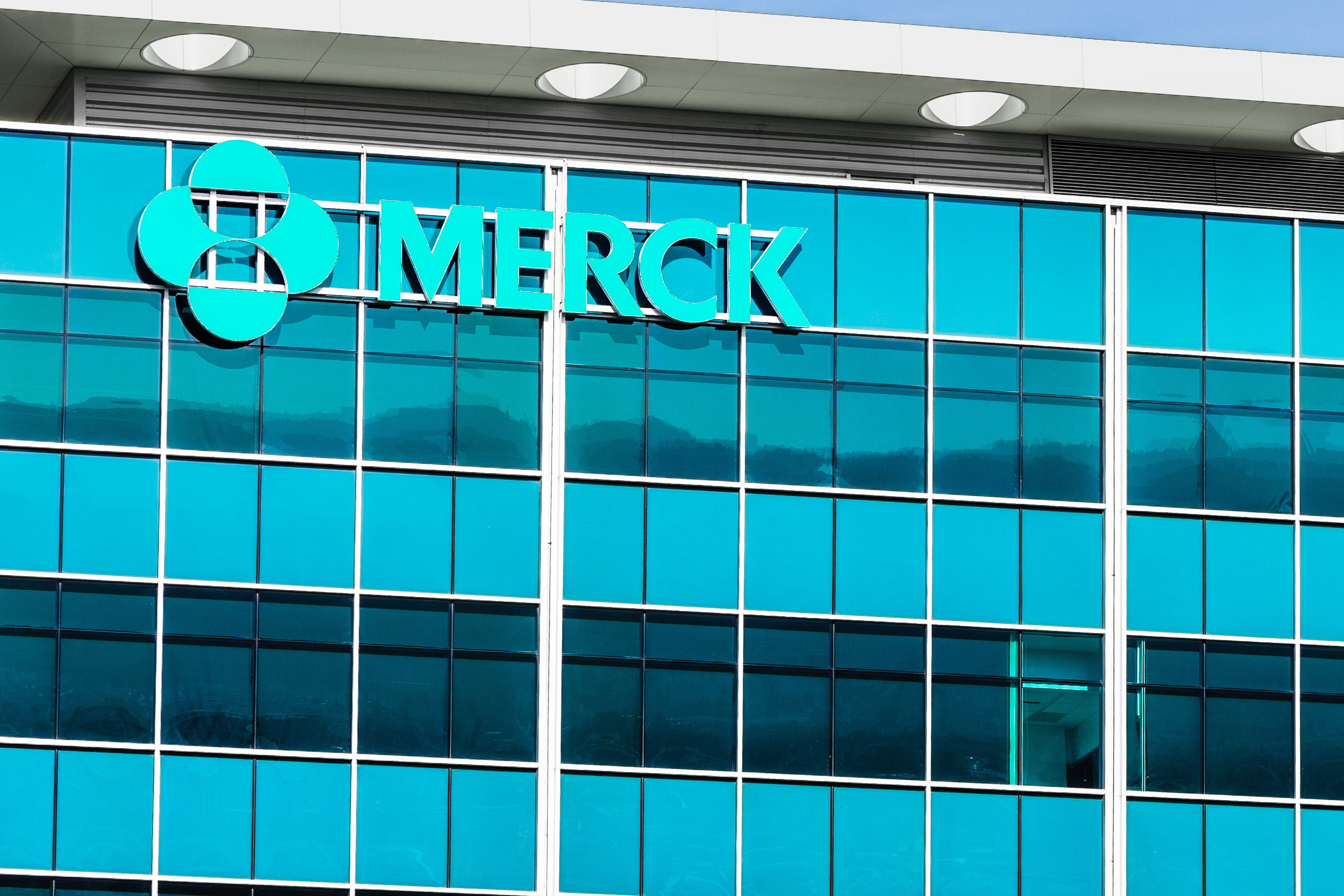
Global Drugmakers Pursue $8B Cancer Drug Deal with Inhibrx

- Potential Deal Value: Global pharmaceutical companies, including Merck (MRK) and Japan's Ono Pharmaceutical (OPHLF), are negotiating with Inhibrx Biosciences (INBX) for a cancer drug agreement potentially valued at over $8 billion, indicating strong market interest in new therapies.
- Joint Spin-off Plans: Inhibrx is considering a joint spin-off of its antibody therapy INBRX-106 along with a second experimental cancer therapy, with the total transaction value potentially exceeding $9 billion, reflecting the company's confidence in upcoming clinical trial results.
- Clinical Trial Progress: INBRX-106 is currently undergoing studies both as a monotherapy and in combination with Merck's blockbuster Keytruda, with Inhibrx believing that the drug can enhance the efficacy of Keytruda, thereby improving its competitive position in the market.
- Analyst Outlook: Stifel analyst Dara Azar initiated coverage on Inhibrx with a Buy rating and a $150 per share target, suggesting that INBRX-106 could enhance the cure-like efficacy of Keytruda by targeting a narrow responder base, highlighting the investment potential of the drug.
See More

EXCLUSIVE: SOURCES REVEAL MERCK AND COMPETITORS SHOWING INTEREST IN INHIBRX'S EXPERIMENTAL CANCER TREATMENT LINKED TO KEYTRUDA


Interest in InhibRx: Merck and other rivals are showing interest in InhibRx, a company involved in experimental cancer drug development.
Key Drug Tied to Trudeau: The experimental cancer drug being discussed is reportedly linked to key figures, including Canadian Prime Minister Justin Trudeau.
See More
Inhibrx Biosciences to Host Live Webcast for Clinical Update
- Live Clinical Update: Inhibrx Biosciences will host a live webcast on April 21, 2026, at 1:30 PM PT to provide a clinical update on its Phase 1/2 study evaluating ozekibart (INBRX-109) in combination with FOLFIRI for patients with locally advanced or metastatic colorectal cancer, which is expected to attract investor interest.
- FDA Designation for ozekibart: Ozekibart, a tetravalent death receptor 5 (DR5) agonist antibody, has received Fast Track designation and orphan drug status from the FDA, highlighting its potential in treating metastatic or unresectable conventional chondrosarcoma, marking its significance in oncology.
- Significant Clinical Trial Results: The ChonDRAgon study demonstrated that ozekibart reduced the risk of disease progression or death by 52% (HR 0.479, P<0.0001) compared to placebo, with median progression-free survival increasing from 2.66 months to 5.52 months, making it the first investigational therapy to show significant PFS benefits in this indication.
- Multiple Indication Research: Inhibrx is also conducting Phase 1/2 trials of ozekibart in colorectal cancer and Ewing sarcoma, showcasing its potential across various tumor types and further solidifying the company's strategic position in the biopharmaceutical sector.
See More

Inhibrx to Host Live Webcast for Clinical Update
- Live Clinical Update: Inhibrx will host a live webcast on April 21, 2026, at 1:30 p.m. PT to provide a clinical update on ozekibart (INBRX-109) in combination with FOLFIRI for patients with locally advanced or metastatic colorectal cancer, aiming to engage investor interest in its research progress.
- FDA Fast Track Designation: Ozekibart received FDA Fast Track designation in January 2021 for treating patients with metastatic or unresectable conventional chondrosarcoma, highlighting its potential in oncology and possibly opening new market opportunities for the company.
- Clinical Trial Success: The ChonDRAgon study demonstrated a 52% reduction in the risk of disease progression or death for ozekibart compared to placebo (HR 0.479), with median progression-free survival increasing from 2.66 months to 5.52 months, marking a significant breakthrough in chondrosarcoma treatment.
- Multiple Indications Research: Inhibrx is also investigating ozekibart in Phase 1/2 trials for colorectal cancer and Ewing sarcoma, showcasing the diversity of its product pipeline and future growth potential, thereby enhancing the company's competitiveness in the biopharmaceutical sector.
See More
Inhibrx Biosciences Reports Promising Interim Results for Ozekibart in Colorectal Cancer
- Clinical Trial Results: Inhibrx's Phase 1/2 study of Ozekibart (INBRX-109) combined with FOLFIRI shows a 20% objective response rate among 45 evaluable patients, significantly higher than the 1-6% seen with current standard therapies, indicating the drug's potential in late-stage colorectal cancer.
- Disease Control Rate: The overall disease control rate reached 87%, with nearly half of the responses lasting over six months, underscoring Ozekibart's effectiveness in stabilizing tumor growth, particularly in patients with limited treatment options.
- Safety Profile: The safety findings indicate a manageable side effect profile, with common adverse effects such as diarrhea, fatigue, and nausea generally mild to moderate, and importantly, no significant liver toxicity was observed despite most patients having liver metastases at baseline.
- Future Plans: Inhibrx plans to meet with the U.S. FDA later this year to discuss advancing Ozekibart into a first-line registrational trial for colorectal cancer, while also exploring accelerated pathways for fourth-line CRC and refractory Ewing sarcoma.
See More
Inhibrx Biosciences' Promising Drug Pipeline Attracts Major Interest
- Clinical Trial Progress: Inhibrx Biosciences reported promising interim data from its Phase 1/2 trial for advanced colorectal cancer, achieving a 20% response rate among 45 patients, significantly higher than the typical 1%-6% seen with standard therapies, indicating strong market competitiveness for the drug.
- Market Valuation Expectations: If clinical trial results confirm the potential of INBRX-106 to enhance treatment response rates, the therapy could be valued at over $8 billion, and if spun off with another experimental cancer drug, the combined entity could exceed $9 billion, highlighting substantial market opportunities.
- Positive Stock Market Reaction: Following reports of potential deal interest, Inhibrx Biosciences' shares surged over 40% on Wednesday to an all-time high, reflecting strong investor confidence and market enthusiasm for its cancer drug pipeline.
- FDA Meeting Plans: Inhibrx plans to meet with the U.S. Food and Drug Administration (FDA) later this year to discuss advancing its new therapy into late-stage trials, which will lay the groundwork for future drug development and market introduction.
See More
Global Drugmakers Pursue $8B Cancer Drug Deal with Inhibrx
- Potential Deal Value: Global pharmaceutical companies, including Merck (MRK) and Japan's Ono Pharmaceutical (OPHLF), are negotiating with Inhibrx Biosciences (INBX) for a cancer drug agreement potentially valued at over $8 billion, indicating strong market interest in new therapies.
- Joint Spin-off Plans: Inhibrx is considering a joint spin-off of its antibody therapy INBRX-106 along with a second experimental cancer therapy, with the total transaction value potentially exceeding $9 billion, reflecting the company's confidence in upcoming clinical trial results.
- Clinical Trial Progress: INBRX-106 is currently undergoing studies both as a monotherapy and in combination with Merck's blockbuster Keytruda, with Inhibrx believing that the drug can enhance the efficacy of Keytruda, thereby improving its competitive position in the market.
- Analyst Outlook: Stifel analyst Dara Azar initiated coverage on Inhibrx with a Buy rating and a $150 per share target, suggesting that INBRX-106 could enhance the cure-like efficacy of Keytruda by targeting a narrow responder base, highlighting the investment potential of the drug.
See More
EXCLUSIVE: SOURCES REVEAL MERCK AND COMPETITORS SHOWING INTEREST IN INHIBRX'S EXPERIMENTAL CANCER TREATMENT LINKED TO KEYTRUDA
Interest in InhibRx: Merck and other rivals are showing interest in InhibRx, a company involved in experimental cancer drug development.
Key Drug Tied to Trudeau: The experimental cancer drug being discussed is reportedly linked to key figures, including Canadian Prime Minister Justin Trudeau.
See More
Inhibrx Biosciences to Host Live Webcast for Clinical Update
- Live Clinical Update: Inhibrx Biosciences will host a live webcast on April 21, 2026, at 1:30 PM PT to provide a clinical update on its Phase 1/2 study evaluating ozekibart (INBRX-109) in combination with FOLFIRI for patients with locally advanced or metastatic colorectal cancer, which is expected to attract investor interest.
- FDA Designation for ozekibart: Ozekibart, a tetravalent death receptor 5 (DR5) agonist antibody, has received Fast Track designation and orphan drug status from the FDA, highlighting its potential in treating metastatic or unresectable conventional chondrosarcoma, marking its significance in oncology.
- Significant Clinical Trial Results: The ChonDRAgon study demonstrated that ozekibart reduced the risk of disease progression or death by 52% (HR 0.479, P<0.0001) compared to placebo, with median progression-free survival increasing from 2.66 months to 5.52 months, making it the first investigational therapy to show significant PFS benefits in this indication.
- Multiple Indication Research: Inhibrx is also conducting Phase 1/2 trials of ozekibart in colorectal cancer and Ewing sarcoma, showcasing its potential across various tumor types and further solidifying the company's strategic position in the biopharmaceutical sector.
See More
Inhibrx to Host Live Webcast for Clinical Update
- Live Clinical Update: Inhibrx will host a live webcast on April 21, 2026, at 1:30 p.m. PT to provide a clinical update on ozekibart (INBRX-109) in combination with FOLFIRI for patients with locally advanced or metastatic colorectal cancer, aiming to engage investor interest in its research progress.
- FDA Fast Track Designation: Ozekibart received FDA Fast Track designation in January 2021 for treating patients with metastatic or unresectable conventional chondrosarcoma, highlighting its potential in oncology and possibly opening new market opportunities for the company.
- Clinical Trial Success: The ChonDRAgon study demonstrated a 52% reduction in the risk of disease progression or death for ozekibart compared to placebo (HR 0.479), with median progression-free survival increasing from 2.66 months to 5.52 months, marking a significant breakthrough in chondrosarcoma treatment.
- Multiple Indications Research: Inhibrx is also investigating ozekibart in Phase 1/2 trials for colorectal cancer and Ewing sarcoma, showcasing the diversity of its product pipeline and future growth potential, thereby enhancing the company's competitiveness in the biopharmaceutical sector.
See More