Impact of Tariff War on Huntar Company
Written by Emily J. Thompson, Senior Investment Analyst
Updated: 44 minutes ago
0mins
Source: Newsfilter
- Survival Crisis: Huntar Company faced an existential threat during last year's tariff war, as a one-day extension of triple-digit tariffs could have led to its collapse, highlighting the direct risks trade policies pose to small businesses.
- Production Decision: At a critical moment of reaching a trade truce with China, Huntar swiftly decided to recall production molds about to clear customs, avoiding delays equivalent to two production cycles that would have jeopardized cash flow.
- Market Dependency: With 80% of its production based in China, Huntar's reliance on the Chinese market underscores the challenges it faces amid geopolitical tensions, necessitating a stable production base in China to ensure supply chain reliability.
- Future Outlook: While Cheung remains pessimistic about future tariff policies, believing stable tariffs are crucial for survival, he acknowledges that ongoing geopolitical tensions will continue to exert pressure on supply chains, impacting the company's long-term growth.
Trade with 70% Backtested Accuracy
Stop guessing "Should I Buy WMT?" and start using high-conviction signals backed by rigorous historical data.
Sign up today to access powerful investing tools and make smarter, data-driven decisions.
Analyst Views on WMT
Wall Street analysts forecast WMT stock price to fall
26 Analyst Rating
25 Buy
1 Hold
0 Sell
Strong Buy
Current: 127.590

Low
119.00
Averages
125.75
High
136.00
Current: 127.590
Low
119.00
Averages
125.75
High
136.00
About WMT
Walmart Inc. is a technology-powered omnichannel retailer. The Company is engaged in the operation of retail and wholesale stores and clubs, as well as eCommerce Websites and mobile applications, located throughout the United States (U.S.), Africa, Canada, Central America, Chile, China, India and Mexico. It operates in three reportable segments: Walmart U.S., Walmart International and Sam's Club U.S. The Walmart U.S. segment includes the Company's mass merchandising concept in the U.S., as well as eCommerce, which includes omni-channel initiatives and certain other business offerings such as advertising services. The Walmart International segment consists of the Company's operations outside of the U.S. through its subsidiaries, as well as eCommerce and omni-channel initiatives. The Sam's Club U.S. segment includes the warehouse membership clubs in the U.S., as well as samsclub.com and omni-channel initiatives.
About the author

Emily J. Thompson
Emily J. Thompson, a Chartered Financial Analyst (CFA) with 12 years in investment research, graduated with honors from the Wharton School. Specializing in industrial and technology stocks, she provides in-depth analysis for Intellectia’s earnings and market brief reports.

Plug Power Reports Significant Improvement in Q1 Performance


- Accelerated Revenue Growth: Plug Power reported $163.5 million in revenue for Q1, a 22% year-over-year increase that significantly exceeded analysts' expectations of $140 million, indicating strong demand in its materials handling business, particularly with Walmart and Amazon.
- Margin Improvement: The company achieved a 71% improvement in margins during the quarter, driven by sales growth, cost optimization, and fuel sourcing efficiencies, although it still reported an operating loss of approximately $109 million, a substantial reduction from the $178 million loss in the same period last year.
- Future Growth Catalysts: Plug Power has deployed over 320 megawatts of electrolyzer solutions globally and has more than $8 billion in additional projects in the pipeline, highlighting its strong growth potential in industrial and energy applications.
- Clear Profitability Goals: The company aims to achieve positive EBITDA by Q4 this year and positive operating income by the end of next year, with a long-term goal of full profitability by the end of 2028, demonstrating a strategic focus on improving its financial health.
See More

Impact of Tariff War on Huntar Company

- Survival Crisis: Huntar Company faced an existential threat during last year's tariff war, as a one-day extension of triple-digit tariffs could have led to its collapse, highlighting the direct risks trade policies pose to small businesses.
- Production Decision: At a critical moment of reaching a trade truce with China, Huntar swiftly decided to recall production molds about to clear customs, avoiding delays equivalent to two production cycles that would have jeopardized cash flow.
- Market Dependency: With 80% of its production based in China, Huntar's reliance on the Chinese market underscores the challenges it faces amid geopolitical tensions, necessitating a stable production base in China to ensure supply chain reliability.
- Future Outlook: While Cheung remains pessimistic about future tariff policies, believing stable tariffs are crucial for survival, he acknowledges that ongoing geopolitical tensions will continue to exert pressure on supply chains, impacting the company's long-term growth.
See More
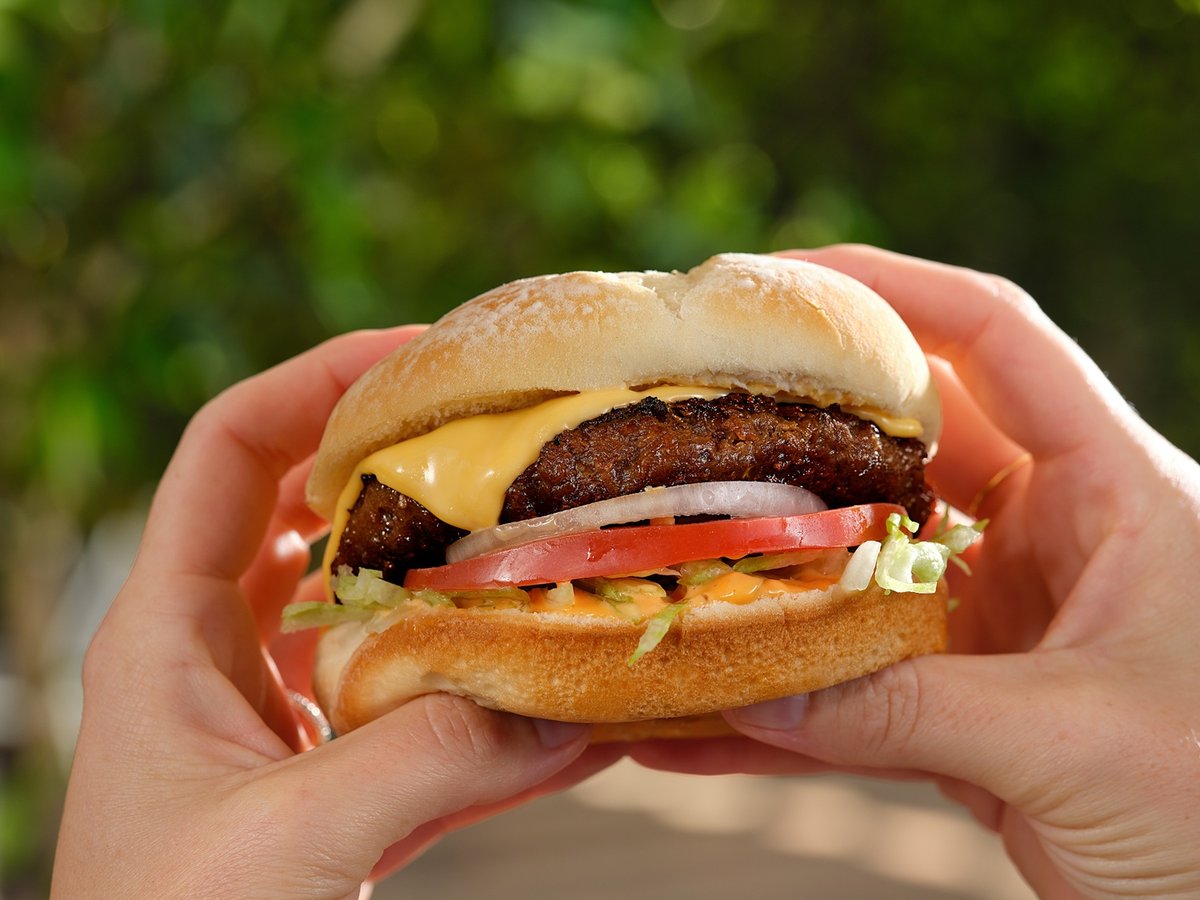
Beyond Meat Faces Major Challenges as Stock Plummets 97%

- Declining Sales: Beyond Meat's sales have been on a downward trend since their peak in 2022, with a 15% year-over-year decline in Q1 2026, indicating significant challenges in the competitive plant-based food market and making recovery difficult.
- Profitability Pressure: Despite a gross margin of 3.4% in Q1, the operating margin plummeted to -70.6%, highlighting major difficulties in cost control and profitability, which raises concerns among investors about the company's future.
- Shrinking Market Share: Several retailers have stopped carrying Beyond Meat products, and relationships with restaurant partners like McDonald's have not yielded expected results, leading to declines in sales across both retail and fast-food service categories, affecting brand recognition.
- New Product Direction: Although the launch of new products like the plant-based protein drink Beyond Immerse represents a potential growth avenue, it remains uncertain whether these new offerings will succeed, necessitating cautious observation from investors regarding the company's recovery prospects.
See More
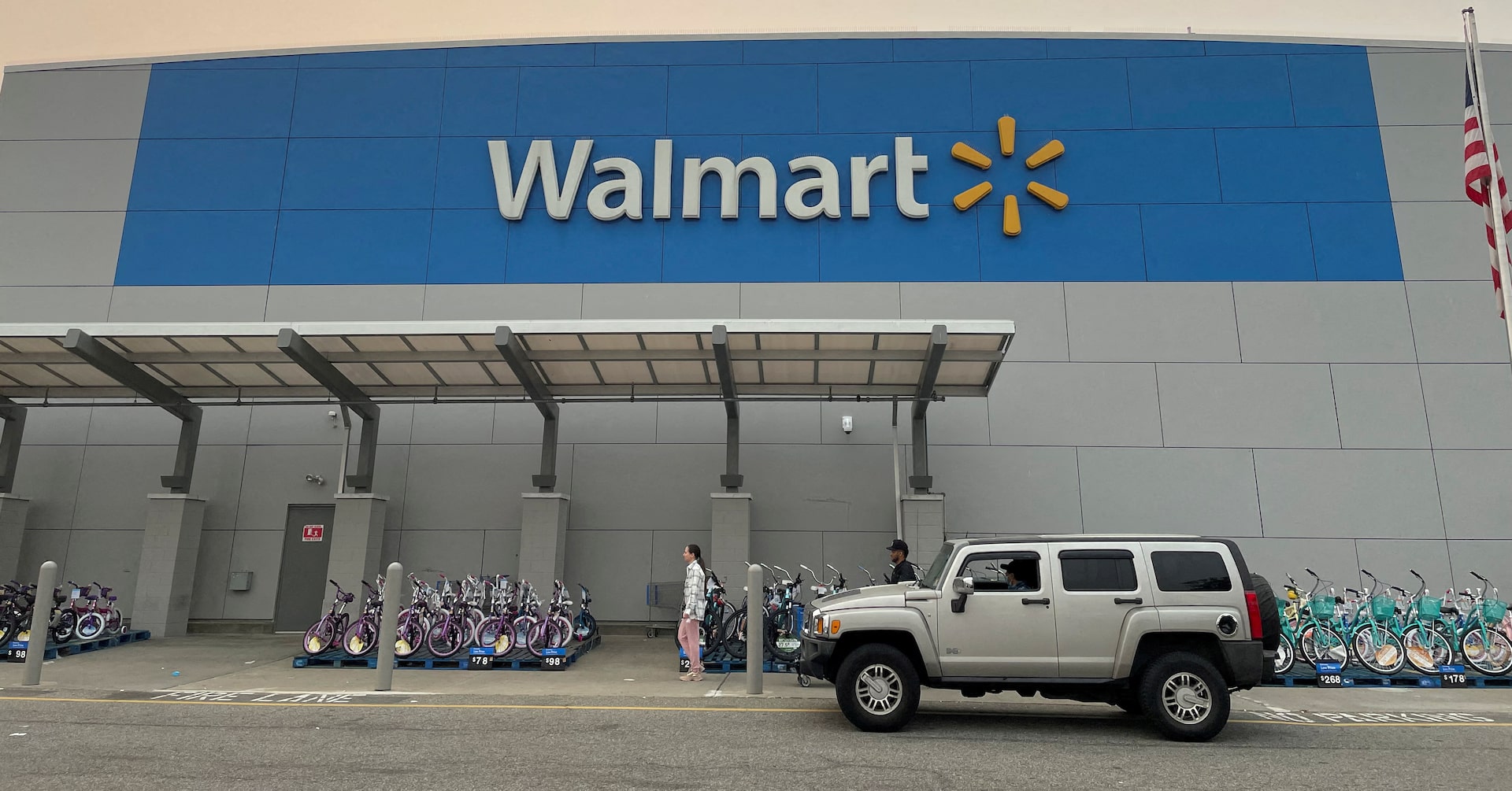
Walmart to Cut or Relocate 1,000 Corporate Workers
- Layoff Plan: Walmart plans to cut or relocate about 1,000 corporate workers as part of its strategy to combine its global technology and AI product teams, aiming to enhance operational efficiency and adapt to market changes.
- Integration Strategy: This layoff reflects Walmart's strategic move in the global technology sector, intending to boost its innovation capabilities by optimizing team structures, thereby strengthening its competitive position in the retail industry.
- Market Reaction: This news may negatively impact Walmart's stock price, as investors could express concerns about the company's future growth potential, particularly regarding its ongoing commitment to technology investments.
- Long-term Impact: While this may lead to decreased employee morale in the short term, the integration of teams is expected to result in higher operational efficiency and stronger market adaptability for Walmart in the long run.
See More
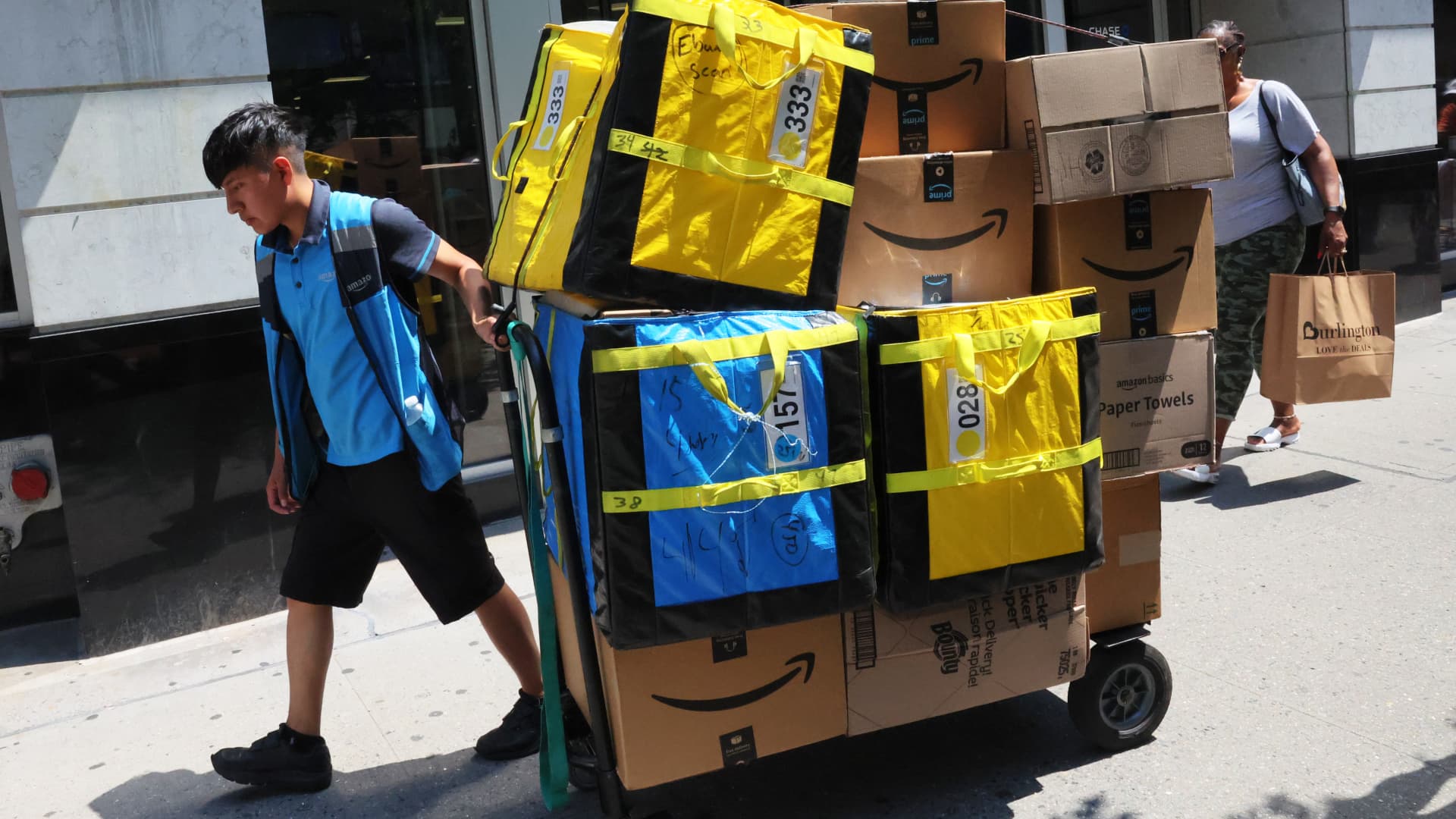
Amazon Launches Ultra-Fast Delivery Service


- Ultra-Fast Delivery Expansion: Amazon announced the rollout of its 'Amazon Now' service across multiple U.S. cities, aiming to deliver packages in 30 minutes or less, with plans to reach tens of millions of customers by year-end, significantly enhancing customer satisfaction and competitive positioning.
- International Market Strategy: The service has already achieved 15-minute delivery in Brazil, Mexico, India, and the UAE, showcasing Amazon's ambition in the global quick commerce sector and further solidifying its leadership in the e-commerce market.
- Innovative Delivery Model: Amazon utilizes micro-fulfillment centers ranging from 5,000 to 10,000 square feet for deliveries, these 'dark stores' are strategically located near customers, enabling rapid response to demand, improving delivery efficiency, and reducing operational costs.
- Transparent Fee Structure: Prime members will pay a $3.99 fee for the service, while non-members face a $13.99 delivery fee plus an additional $3.99 for orders under $15, providing a clear pricing structure that may attract more users to Amazon's rapid delivery options.
See More

Amazon Launches 30-Minute Delivery Service Across U.S.

- Rapid Delivery Expansion: Amazon announced the launch of its 30-minute delivery service in dozens of U.S. cities, with plans to reach tens of millions of customers by year-end, significantly enhancing customer experience and strengthening market competitiveness.
- Micro-Fulfillment Centers: The service relies on newly established micro-fulfillment centers, referred to as 'dark stores,' which range from 5,000 to 10,000 square feet and can stock thousands of items, thereby reducing delivery times.
- Flexible Delivery Model: Amazon utilizes its network of Flex drivers for deliveries, allowing drivers to choose their working hours flexibly, and may explore other transportation modes in the future to meet regional demands, further improving delivery efficiency.
- Membership Fee Structure: Prime members pay a delivery fee of $3.99 per order, while non-members incur a $13.99 delivery fee plus an additional $3.99 for orders under $15, a pricing strategy aimed at attracting more users to join Prime membership.
See More
Plug Power Reports Significant Improvement in Q1 Performance
- Accelerated Revenue Growth: Plug Power reported $163.5 million in revenue for Q1, a 22% year-over-year increase that significantly exceeded analysts' expectations of $140 million, indicating strong demand in its materials handling business, particularly with Walmart and Amazon.
- Margin Improvement: The company achieved a 71% improvement in margins during the quarter, driven by sales growth, cost optimization, and fuel sourcing efficiencies, although it still reported an operating loss of approximately $109 million, a substantial reduction from the $178 million loss in the same period last year.
- Future Growth Catalysts: Plug Power has deployed over 320 megawatts of electrolyzer solutions globally and has more than $8 billion in additional projects in the pipeline, highlighting its strong growth potential in industrial and energy applications.
- Clear Profitability Goals: The company aims to achieve positive EBITDA by Q4 this year and positive operating income by the end of next year, with a long-term goal of full profitability by the end of 2028, demonstrating a strategic focus on improving its financial health.
See More
Impact of Tariff War on Huntar Company
- Survival Crisis: Huntar Company faced an existential threat during last year's tariff war, as a one-day extension of triple-digit tariffs could have led to its collapse, highlighting the direct risks trade policies pose to small businesses.
- Production Decision: At a critical moment of reaching a trade truce with China, Huntar swiftly decided to recall production molds about to clear customs, avoiding delays equivalent to two production cycles that would have jeopardized cash flow.
- Market Dependency: With 80% of its production based in China, Huntar's reliance on the Chinese market underscores the challenges it faces amid geopolitical tensions, necessitating a stable production base in China to ensure supply chain reliability.
- Future Outlook: While Cheung remains pessimistic about future tariff policies, believing stable tariffs are crucial for survival, he acknowledges that ongoing geopolitical tensions will continue to exert pressure on supply chains, impacting the company's long-term growth.
See More
Beyond Meat Faces Major Challenges as Stock Plummets 97%
- Declining Sales: Beyond Meat's sales have been on a downward trend since their peak in 2022, with a 15% year-over-year decline in Q1 2026, indicating significant challenges in the competitive plant-based food market and making recovery difficult.
- Profitability Pressure: Despite a gross margin of 3.4% in Q1, the operating margin plummeted to -70.6%, highlighting major difficulties in cost control and profitability, which raises concerns among investors about the company's future.
- Shrinking Market Share: Several retailers have stopped carrying Beyond Meat products, and relationships with restaurant partners like McDonald's have not yielded expected results, leading to declines in sales across both retail and fast-food service categories, affecting brand recognition.
- New Product Direction: Although the launch of new products like the plant-based protein drink Beyond Immerse represents a potential growth avenue, it remains uncertain whether these new offerings will succeed, necessitating cautious observation from investors regarding the company's recovery prospects.
See More
Walmart to Cut or Relocate 1,000 Corporate Workers
- Layoff Plan: Walmart plans to cut or relocate about 1,000 corporate workers as part of its strategy to combine its global technology and AI product teams, aiming to enhance operational efficiency and adapt to market changes.
- Integration Strategy: This layoff reflects Walmart's strategic move in the global technology sector, intending to boost its innovation capabilities by optimizing team structures, thereby strengthening its competitive position in the retail industry.
- Market Reaction: This news may negatively impact Walmart's stock price, as investors could express concerns about the company's future growth potential, particularly regarding its ongoing commitment to technology investments.
- Long-term Impact: While this may lead to decreased employee morale in the short term, the integration of teams is expected to result in higher operational efficiency and stronger market adaptability for Walmart in the long run.
See More
Amazon Launches Ultra-Fast Delivery Service
- Ultra-Fast Delivery Expansion: Amazon announced the rollout of its 'Amazon Now' service across multiple U.S. cities, aiming to deliver packages in 30 minutes or less, with plans to reach tens of millions of customers by year-end, significantly enhancing customer satisfaction and competitive positioning.
- International Market Strategy: The service has already achieved 15-minute delivery in Brazil, Mexico, India, and the UAE, showcasing Amazon's ambition in the global quick commerce sector and further solidifying its leadership in the e-commerce market.
- Innovative Delivery Model: Amazon utilizes micro-fulfillment centers ranging from 5,000 to 10,000 square feet for deliveries, these 'dark stores' are strategically located near customers, enabling rapid response to demand, improving delivery efficiency, and reducing operational costs.
- Transparent Fee Structure: Prime members will pay a $3.99 fee for the service, while non-members face a $13.99 delivery fee plus an additional $3.99 for orders under $15, providing a clear pricing structure that may attract more users to Amazon's rapid delivery options.
See More
Amazon Launches 30-Minute Delivery Service Across U.S.
- Rapid Delivery Expansion: Amazon announced the launch of its 30-minute delivery service in dozens of U.S. cities, with plans to reach tens of millions of customers by year-end, significantly enhancing customer experience and strengthening market competitiveness.
- Micro-Fulfillment Centers: The service relies on newly established micro-fulfillment centers, referred to as 'dark stores,' which range from 5,000 to 10,000 square feet and can stock thousands of items, thereby reducing delivery times.
- Flexible Delivery Model: Amazon utilizes its network of Flex drivers for deliveries, allowing drivers to choose their working hours flexibly, and may explore other transportation modes in the future to meet regional demands, further improving delivery efficiency.
- Membership Fee Structure: Prime members pay a delivery fee of $3.99 per order, while non-members incur a $13.99 delivery fee plus an additional $3.99 for orders under $15, a pricing strategy aimed at attracting more users to join Prime membership.
See More