Impact of Iran War on Stock Market: Historical Insights
Written by Emily J. Thompson, Senior Investment Analyst
Updated: 2 hours ago
0mins
Should l Buy NVDA?
Source: Yahoo Finance
- Historical Lessons: Over the past nine decades, while numerous major geopolitical events have occurred, stock market crashes have been uncommon; however, fluctuations in oil prices have significantly increased the likelihood of crashes, particularly during the 1973 oil embargo when the S&P 500 fell 17% in two months.
- Oil Price Surge: With the outbreak of the Iran war, oil exports through the Strait of Hormuz are threatened, leading to a 36% spike in West Texas Intermediate crude prices within a week, which not only raises fuel costs but also negatively impacts hiring and profit margins across various industries.
- Market Response: Historical data indicates that since World War II, the S&P 500 has risen 65% of the time one year after major geopolitical events, and although the average annual return is only 3%, long-term optimism remains prevalent in the market.
- Investment Opportunities: Should the Iran war trigger a stock market crash, history suggests it would likely be short-lived, presenting a buying opportunity for long-term investors, especially considering that the average bear market for the S&P 500 has lasted 286 days, while bull markets have averaged 1,011 days.
Trade with 70% Backtested Accuracy
Stop guessing "Should I Buy NVDA?" and start using high-conviction signals backed by rigorous historical data.
Sign up today to access powerful investing tools and make smarter, data-driven decisions.
Analyst Views on NVDA
Wall Street analysts forecast NVDA stock price to rise
41 Analyst Rating
39 Buy
1 Hold
1 Sell
Strong Buy
Current: 183.340

Low
200.00
Averages
264.97
High
352.00
Current: 183.340
Low
200.00
Averages
264.97
High
352.00
About NVDA
NVIDIA Corporation is a full-stack computing infrastructure company. The Company is engaged in accelerated computing to help solve the challenging computational problems. The Company’s segments include Compute & Networking and Graphics. The Compute & Networking segment includes its Data Center accelerated computing platforms and artificial intelligence (AI) solutions and software; networking; automotive platforms and autonomous and electric vehicle solutions; Jetson for robotics and other embedded platforms, and DGX Cloud computing services. The Graphics segment includes GeForce GPUs for gaming and PCs, the GeForce NOW game streaming service and related infrastructure, and solutions for gaming platforms; Quadro/NVIDIA RTX GPUs for enterprise workstation graphics; virtual GPU software for cloud-based visual and virtual computing; automotive platforms for infotainment systems, and Omniverse Enterprise software for building and operating industrial AI and digital twin applications.
About the author

Emily J. Thompson
Emily J. Thompson, a Chartered Financial Analyst (CFA) with 12 years in investment research, graduated with honors from the Wharton School. Specializing in industrial and technology stocks, she provides in-depth analysis for Intellectia’s earnings and market brief reports.
Nvidia's Earnings Exceed Expectations, Market Cap Could Reach $7 Trillion

- Significant Earnings Growth: Nvidia reported fourth-quarter fiscal 2026 revenue of $68 billion, a 73% year-over-year increase that surpassed analysts' expectations of $66.2 billion, showcasing the company's robust growth momentum in the AI sector.
- Substantial EPS Increase: The adjusted earnings per share (EPS) reached $1.62, an 82% year-over-year rise, driven by a gross margin of 75%, further solidifying investor confidence in the company's future profitability.
- Optimistic Market Outlook: Analyst Matt Bryson raised Nvidia's price target to $300, indicating a potential upside of 67% from the current price, reflecting the market's optimistic expectations for continued growth.
- Strong Data Center Performance: Nvidia's data center segment revenue grew 75% year-over-year to $62.3 billion, with first-quarter revenue guidance of $78 billion, indicating a near 30% market share in AI data center spending and a potential profit of $300 billion.
See More
Together AI Pursues $1B Funding Round Amid Rapid Growth
- Funding Target: Together AI is pursuing a $1 billion funding round aimed at supporting its infrastructure expansion to accommodate a rapidly growing AI ecosystem, with the company currently valued at $7.5 billion.
- Revenue Growth: Since its founding in 2022, Together AI has achieved an annualized revenue of approximately $1 billion, nearly tripling in less than a year, showcasing its strong performance in the AI cloud market.
- Infrastructure Expansion: The company has secured 200 MW of power capacity and is deploying optimized clusters of NVIDIA Blackwell GPUs across multiple North American data centers to enhance its service capabilities, further solidifying its position as a leading AI cloud provider.
- Partnerships: A new partnership with Hypertecto will co-build a cluster of 36,000 NVIDIA GB200 NVL72 GPUs, further enhancing Together AI's competitive edge and ensuring its leadership in the rapidly evolving AI sector.
See More
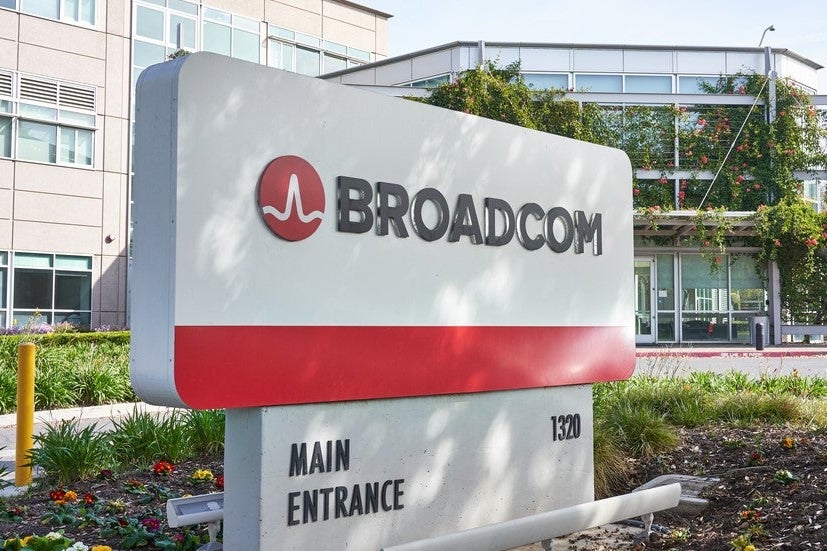
Broadcom Reports Record Q1 Revenue Growth

- Significant Revenue Growth: Broadcom reported a remarkable 29% year-over-year revenue increase in Q1, reaching a record $19.3 billion, which underscores the company's robust performance in the semiconductor market and solidifies its leadership position.
- Shareholder Return Strategy: The company returned a total of $10.9 billion in Q1 through $3.1 billion in cash dividends and $7.8 billion in stock repurchases, demonstrating Broadcom's commitment to shareholders while providing support for its stock price amidst market volatility.
- Strong Future Guidance: Broadcom's guidance for Q2 2026 indicates projected revenue of approximately $22 billion and an adjusted EBITDA of about 68% of revenue, reflecting the company's optimistic outlook on profitability and market demand, which may attract more investor interest.
- Increased AI Revenue Expectations: Analysts estimate that Broadcom will achieve approximately $120 billion in AI revenue for fiscal 2027, with guidance for AI chip revenue exceeding $100 billion, showcasing its strong competitive edge and market potential in the rapidly evolving AI sector.
See More

Regencell Bioscience Investment Warning


- Surprising Market Cap: Regencell Bioscience boasts a market capitalization nearing $12 billion, with a staggering 21,000% stock price increase over the past year, yet investors are advised to tread carefully to avoid being lured by such massive gains, given the high-risk nature of the biotech sector.
- Slow R&D Progress: Despite being established in 2014 and focusing on Traditional Chinese Medicine (TCM), Regencell has yet to secure any patented drugs or generate revenue from product sales, highlighting the significant uncertainty surrounding its research outcomes.
- Significant Investment Risks: The lack of marketable products and the focus on TCM render Regencell a high-risk investment, suggesting that most investors should opt for established pharmaceutical companies with a portfolio of patented drugs to mitigate investment risks.
- Market Competition Analysis: Compared to large pharmaceutical firms like Pfizer, Regencell's investment appeal appears minimal, as Pfizer is heavily investing in the GLP-1 space and possesses a robust portfolio of patented drugs to bolster its competitive edge.
See More
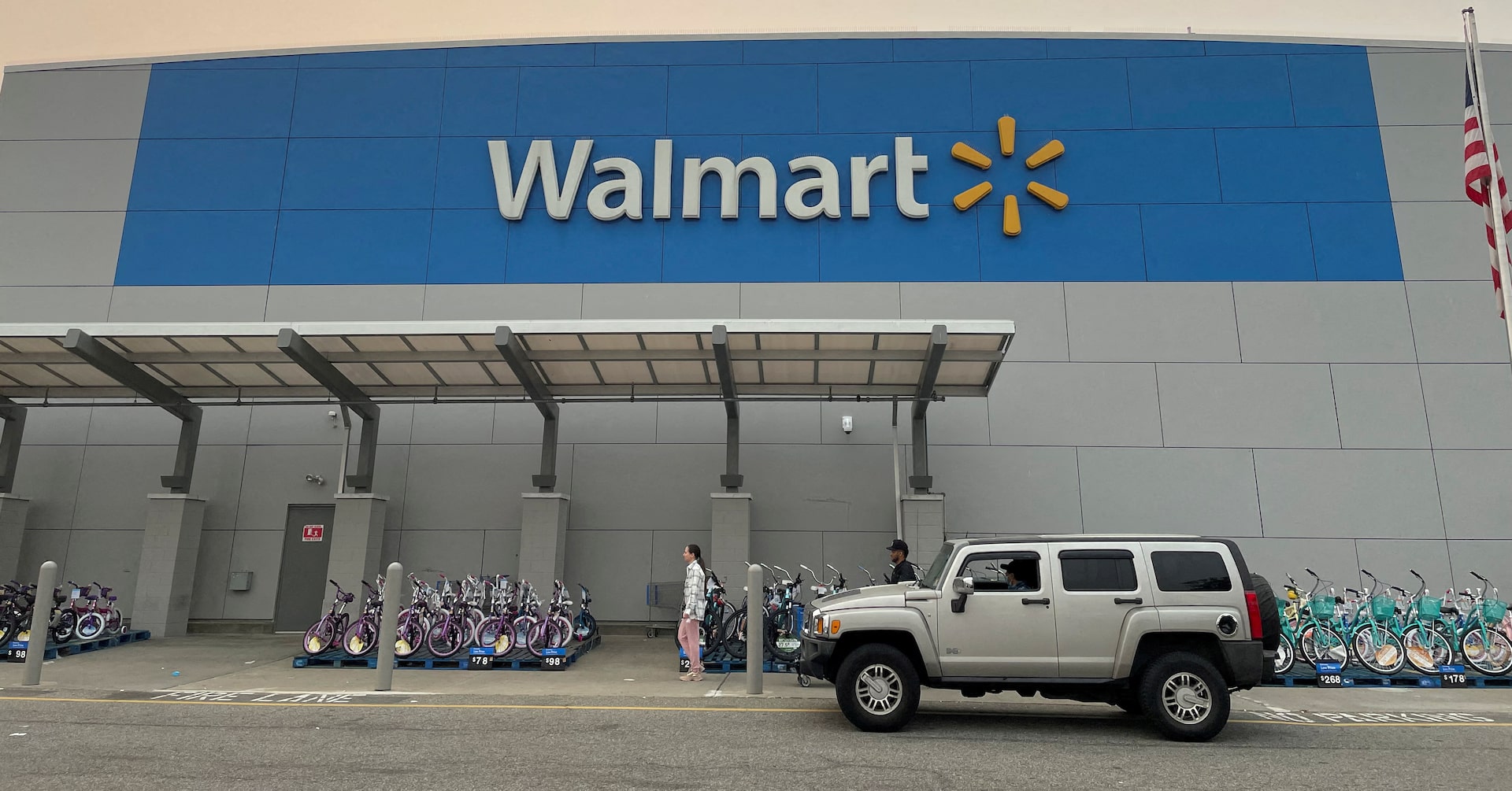
Walmart vs BJ's: Performance Comparison Analysis

- Walmart Performance Growth: In fiscal Q4, Walmart's operating income surged 10.8% year-over-year, significantly outpacing its 5.6% revenue growth, indicating an improving business foundation, particularly with global e-commerce sales rising 24%, now accounting for 23% of total net sales.
- High-Margin Business Boost: Walmart's global advertising business skyrocketed 37% in the quarter, with its U.S. segment, Walmart Connect, increasing by 41%, alongside a 15.1% rise in membership fee revenue, all contributing to the company's high valuation.
- BJ's Sales Performance: BJ's comparable club sales grew 2.6% year-over-year in its recent fiscal Q4, membership fee income jumped 10.9% to $129.8 million, and digitally enabled sales soared 31%, reflecting strong digital momentum.
- BJ's Valuation Advantage: Despite BJ's lower valuation at 21.5 times earnings, its gross margin declined due to a shift in merchandise mix, indicating a business model heavily reliant on geographic expansion and steady execution at existing stores.
See More

Impact of Iran War on Stock Market: Historical Insights
- Historical Lessons: Over the past nine decades, while numerous major geopolitical events have occurred, stock market crashes have been uncommon; however, fluctuations in oil prices have significantly increased the likelihood of crashes, particularly during the 1973 oil embargo when the S&P 500 fell 17% in two months.
- Oil Price Surge: With the outbreak of the Iran war, oil exports through the Strait of Hormuz are threatened, leading to a 36% spike in West Texas Intermediate crude prices within a week, which not only raises fuel costs but also negatively impacts hiring and profit margins across various industries.
- Market Response: Historical data indicates that since World War II, the S&P 500 has risen 65% of the time one year after major geopolitical events, and although the average annual return is only 3%, long-term optimism remains prevalent in the market.
- Investment Opportunities: Should the Iran war trigger a stock market crash, history suggests it would likely be short-lived, presenting a buying opportunity for long-term investors, especially considering that the average bear market for the S&P 500 has lasted 286 days, while bull markets have averaged 1,011 days.
See More
Nvidia's Earnings Exceed Expectations, Market Cap Could Reach $7 Trillion
- Significant Earnings Growth: Nvidia reported fourth-quarter fiscal 2026 revenue of $68 billion, a 73% year-over-year increase that surpassed analysts' expectations of $66.2 billion, showcasing the company's robust growth momentum in the AI sector.
- Substantial EPS Increase: The adjusted earnings per share (EPS) reached $1.62, an 82% year-over-year rise, driven by a gross margin of 75%, further solidifying investor confidence in the company's future profitability.
- Optimistic Market Outlook: Analyst Matt Bryson raised Nvidia's price target to $300, indicating a potential upside of 67% from the current price, reflecting the market's optimistic expectations for continued growth.
- Strong Data Center Performance: Nvidia's data center segment revenue grew 75% year-over-year to $62.3 billion, with first-quarter revenue guidance of $78 billion, indicating a near 30% market share in AI data center spending and a potential profit of $300 billion.
See More
Together AI Pursues $1B Funding Round Amid Rapid Growth
- Funding Target: Together AI is pursuing a $1 billion funding round aimed at supporting its infrastructure expansion to accommodate a rapidly growing AI ecosystem, with the company currently valued at $7.5 billion.
- Revenue Growth: Since its founding in 2022, Together AI has achieved an annualized revenue of approximately $1 billion, nearly tripling in less than a year, showcasing its strong performance in the AI cloud market.
- Infrastructure Expansion: The company has secured 200 MW of power capacity and is deploying optimized clusters of NVIDIA Blackwell GPUs across multiple North American data centers to enhance its service capabilities, further solidifying its position as a leading AI cloud provider.
- Partnerships: A new partnership with Hypertecto will co-build a cluster of 36,000 NVIDIA GB200 NVL72 GPUs, further enhancing Together AI's competitive edge and ensuring its leadership in the rapidly evolving AI sector.
See More
Broadcom Reports Record Q1 Revenue Growth
- Significant Revenue Growth: Broadcom reported a remarkable 29% year-over-year revenue increase in Q1, reaching a record $19.3 billion, which underscores the company's robust performance in the semiconductor market and solidifies its leadership position.
- Shareholder Return Strategy: The company returned a total of $10.9 billion in Q1 through $3.1 billion in cash dividends and $7.8 billion in stock repurchases, demonstrating Broadcom's commitment to shareholders while providing support for its stock price amidst market volatility.
- Strong Future Guidance: Broadcom's guidance for Q2 2026 indicates projected revenue of approximately $22 billion and an adjusted EBITDA of about 68% of revenue, reflecting the company's optimistic outlook on profitability and market demand, which may attract more investor interest.
- Increased AI Revenue Expectations: Analysts estimate that Broadcom will achieve approximately $120 billion in AI revenue for fiscal 2027, with guidance for AI chip revenue exceeding $100 billion, showcasing its strong competitive edge and market potential in the rapidly evolving AI sector.
See More
Regencell Bioscience Investment Warning
- Surprising Market Cap: Regencell Bioscience boasts a market capitalization nearing $12 billion, with a staggering 21,000% stock price increase over the past year, yet investors are advised to tread carefully to avoid being lured by such massive gains, given the high-risk nature of the biotech sector.
- Slow R&D Progress: Despite being established in 2014 and focusing on Traditional Chinese Medicine (TCM), Regencell has yet to secure any patented drugs or generate revenue from product sales, highlighting the significant uncertainty surrounding its research outcomes.
- Significant Investment Risks: The lack of marketable products and the focus on TCM render Regencell a high-risk investment, suggesting that most investors should opt for established pharmaceutical companies with a portfolio of patented drugs to mitigate investment risks.
- Market Competition Analysis: Compared to large pharmaceutical firms like Pfizer, Regencell's investment appeal appears minimal, as Pfizer is heavily investing in the GLP-1 space and possesses a robust portfolio of patented drugs to bolster its competitive edge.
See More
Walmart vs BJ's: Performance Comparison Analysis
- Walmart Performance Growth: In fiscal Q4, Walmart's operating income surged 10.8% year-over-year, significantly outpacing its 5.6% revenue growth, indicating an improving business foundation, particularly with global e-commerce sales rising 24%, now accounting for 23% of total net sales.
- High-Margin Business Boost: Walmart's global advertising business skyrocketed 37% in the quarter, with its U.S. segment, Walmart Connect, increasing by 41%, alongside a 15.1% rise in membership fee revenue, all contributing to the company's high valuation.
- BJ's Sales Performance: BJ's comparable club sales grew 2.6% year-over-year in its recent fiscal Q4, membership fee income jumped 10.9% to $129.8 million, and digitally enabled sales soared 31%, reflecting strong digital momentum.
- BJ's Valuation Advantage: Despite BJ's lower valuation at 21.5 times earnings, its gross margin declined due to a shift in merchandise mix, indicating a business model heavily reliant on geographic expansion and steady execution at existing stores.
See More
Impact of Iran War on Stock Market: Historical Insights
- Historical Lessons: Over the past nine decades, while numerous major geopolitical events have occurred, stock market crashes have been uncommon; however, fluctuations in oil prices have significantly increased the likelihood of crashes, particularly during the 1973 oil embargo when the S&P 500 fell 17% in two months.
- Oil Price Surge: With the outbreak of the Iran war, oil exports through the Strait of Hormuz are threatened, leading to a 36% spike in West Texas Intermediate crude prices within a week, which not only raises fuel costs but also negatively impacts hiring and profit margins across various industries.
- Market Response: Historical data indicates that since World War II, the S&P 500 has risen 65% of the time one year after major geopolitical events, and although the average annual return is only 3%, long-term optimism remains prevalent in the market.
- Investment Opportunities: Should the Iran war trigger a stock market crash, history suggests it would likely be short-lived, presenting a buying opportunity for long-term investors, especially considering that the average bear market for the S&P 500 has lasted 286 days, while bull markets have averaged 1,011 days.
See More