HSBC Downplays SaaS Sector Apocalypse Concerns
Written by Emily J. Thompson, Senior Investment Analyst
Updated: Feb 26 2026
0mins


Source: Benzinga
- AI and SaaS Relationship: HSBC believes that the development of artificial intelligence will benefit the software industry rather than replace the software-as-a-service (SaaS) sector, indicating an optimistic outlook for the industry's future.
- Challenges of In-House Development: HSBC points out that relying on AI for companies to develop their own software is neither practical nor cost-effective, and even if AI-driven 'vibe-coding' could produce superior or free software, replacing established vendors remains a significant challenge.
- Interaction Between Software and AI: HSBC emphasizes that 'software is already eating AI' and expects this trend to continue, highlighting the central role of software in the technological ecosystem.
- Market Confidence Transmission: HSBC's perspective helps alleviate market concerns about the future of the SaaS industry, potentially boosting investor confidence in related companies and promoting industry stability.
Trade with 70% Backtested Accuracy
Stop guessing "Should I Buy CRM?" and start using high-conviction signals backed by rigorous historical data.
Sign up today to access powerful investing tools and make smarter, data-driven decisions.
Analyst Views on CRM
Wall Street analysts forecast CRM stock price to rise
39 Analyst Rating
29 Buy
9 Hold
1 Sell
Moderate Buy
Current: 191.100

Low
223.00
Averages
326.40
High
405.00
Current: 191.100
Low
223.00
Averages
326.40
High
405.00
About CRM
Salesforce, Inc. is a customer relationship management (CRM) technology company. Its artificial intelligence (AI) powered Agentforce 360 Platform offers sales, service, marketing, commerce, collaboration, data management, integration, analytics, and information technology (IT) service solutions. It enables customers to build and deploy digital labor for employees and customers, leveraging autonomous AI agents across business functions. Its service offerings include Agentforce Sales, Agentforce Service, Agentforce 360 Platform, Slack and Others. The Agentforce Sales provides sales capabilities and tools built for organizations across prospecting, sales engagement, team collaboration, sales analytics and AI, sales programs, sales performance, partner management, and revenue and orders. The Agentforce Service provides field service solutions that enable companies to connect service agents, dispatchers and mobile employees through platform to schedule, dispatch and manage jobs.
About the author

Emily J. Thompson
Emily J. Thompson, a Chartered Financial Analyst (CFA) with 12 years in investment research, graduated with honors from the Wharton School. Specializing in industrial and technology stocks, she provides in-depth analysis for Intellectia’s earnings and market brief reports.
Salesforce to Invest $2B in France by 2030

- Major Investment Plan: Salesforce has announced a plan to invest $2 billion in France by 2030, aiming to solidify its market position through the establishment of a new AI Innovation Hub and expanded support for AI education and training.
- AI Innovation Hub: The newly established AI Innovation Hub will be located in Paris, leveraging France's exceptional research talent and entrepreneurial energy to drive digital transformation and technological innovation for local businesses.
- Education and Training Support: Salesforce will enhance AI education and workforce training for its customers and partners in France, helping them improve competitiveness in a rapidly evolving technological landscape, thereby promoting sustainable growth across the industry.
- Continuation of Historical Commitment: This investment builds on Salesforce's previous five-year commitment of $3.5 billion to France, demonstrating the company's long-term confidence and strategic focus on the French market, which is expected to have a positive impact on the local economy.
See More

MGM Resorts Shares Surge 16% on Acquisition Proposal


- Acquisition Proposal Surge: MGM Resorts International shares surged 16% following an acquisition offer from Barry Diller's People Inc. at $48.30 per share in cash, indicating strong market optimism that could alter the company's control structure.
- Zoom Platform Rebound: Zoom Communications saw its shares jump over 11% after Anthropic, an early investor, confidentially filed for an IPO with regulators, suggesting positive market expectations for investment returns and potentially enhancing Zoom's market position.
- Veeva Systems Strong Performance: Veeva Systems shares rose nearly 9% ahead of its first-quarter earnings report on Wednesday, with FactSet consensus expecting earnings of $2.14 per share and revenue of $857.7 million, both within the company's prior guidance range, indicating business stability.
- Humana Guidance Reaffirmation: Humana's shares increased by 8% after reaffirming its full-year adjusted earnings guidance of at least $9 per share, surpassing the FactSet consensus of $8.93, reflecting the company's strong performance and growth potential in the health insurance market.
See More

France Attracts €93 Billion in Foreign Investment at Choose France Summit

- Foreign Investment Scale: At the annual Choose France business summit, France announced 71 foreign investment projects worth €93 billion ($108.3 billion), expected to create over 15,600 jobs, highlighting France's attractiveness in the global investment landscape.
- AI Investment: SoftBank plans to develop and operate 5 GW of AI-dedicated data center capacity in France, with an initial investment of €45 billion, projected to create 8,600 construction jobs and 900 direct operating jobs by 2031, further solidifying France's leadership in AI infrastructure.
- Renewable Energy Investment: Portuguese utility EDP announced €1.3 billion in new investments in France by 2030, covering wind, solar, and battery storage, underscoring France's pivotal role in the renewable energy transition.
- Logistics and Retail Investment: Amazon announced a €400 million investment in France to build three new logistics centers, creating over 3,000 permanent jobs, further driving the growth of France's e-commerce and logistics sectors.
See More
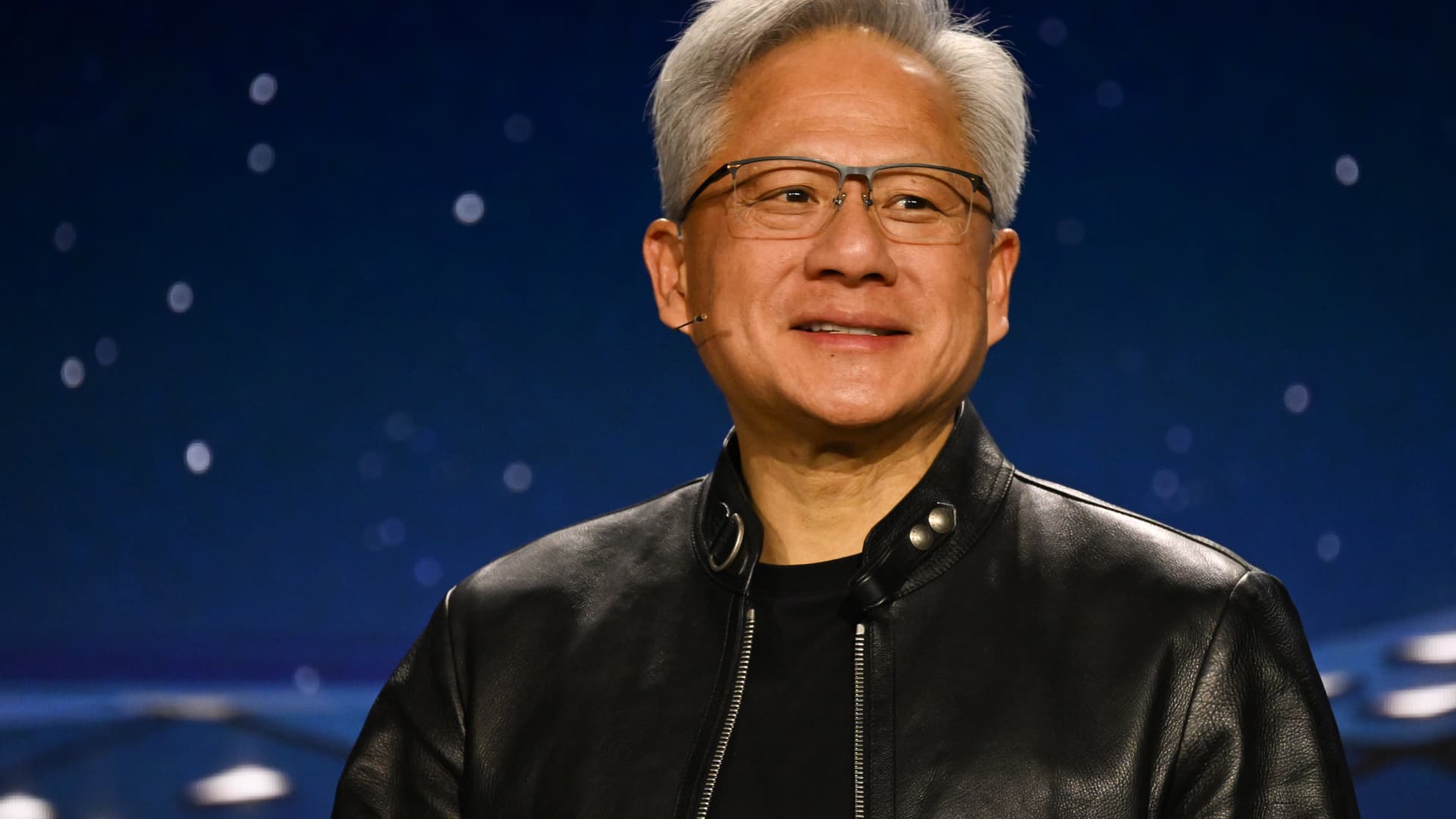
Nvidia Launches First PC Processor, Challenging Intel and AMD Dominance


- Nvidia Processor Launch: Nvidia unveiled its first-ever PC processor at Computex, utilizing the power-efficient Arm instruction set to challenge the dominance of Intel and AMD, indicating a strategic shift towards AI PCs and resulting in a 2% increase in its stock price.
- Arm Benefits: Nvidia's pursuit of PC technology benefits Arm, which licenses its intellectual property for Nvidia's CPUs, collecting royalties per chip; Arm's stock surged 11% in premarket trading and has tripled this year, reflecting strong market optimism about its future.
- Dell Rating Upgrade: Goldman Sachs raised its price target on Dell from $230 to $500 while maintaining a buy rating, highlighting Dell's superior supply chain management, particularly in collaboration with Nvidia on AI servers and new PCs, boosting market confidence in its outlook.
- Berkshire Acquisition Moves: Berkshire Hathaway agreed to acquire Taylor Morrison for $6.8 billion, a relatively small deal that indicates interest in undervalued homebuilders, potentially providing new growth opportunities for Berkshire in real estate investments.
See More
Permira Appoints Thoma Bravo Partner to Boost Tech Dealmaking

- Executive Appointment: Permira has appointed Mike Hoffmann from Thoma Bravo as a partner in its technology team, aiming to enhance its capabilities in large technology dealmaking ahead of an anticipated AI-driven M&A wave.
- Extensive Experience: Hoffmann brings over 15 years of experience in software and technology investing, having led investments in sectors like cybersecurity and data management at Thoma Bravo, thereby bolstering Permira's expertise in technology investments.
- Investment Strategy: In his new role, Hoffmann will focus on large-cap and upper middle-market buyouts as well as smaller growth investments, with Permira looking to expand its investment platform in software and AI-enabled businesses to meet the growing demand for computing capacity.
- Historical Performance: Permira's tech team delivered its largest-ever annual distributions in 2025, returning over €12.6 billion to investors, showcasing its successful investment and strategic exit capabilities in the technology sector, further solidifying its market position.
See More
Nvidia and Microsoft Collaborate on New Processor Launch


- Nvidia and Microsoft Collaboration: Nvidia and Microsoft unveiled a new personal computer processor, leading to a 2% rise in Nvidia's stock and nearly 4% increase in Microsoft's premarket trading, indicating strong market enthusiasm for the new technology.
- Related Companies' Stock Movements: Dell and HP saw their stocks rise by 1.5% and over 3.5%, respectively, as they are set to manufacture computers featuring the new chip, while Arm, leveraging Nvidia's technology, surged 14.5%, reflecting robust demand for the new product.
- Taylor Morrison's Stock Surge: Shares of Taylor Morrison jumped nearly 23% after Berkshire Hathaway agreed to acquire the company for $6.8 billion, showcasing market recognition of high-quality homebuilders.
- IBM's Significant Stock Increase: International Business Machines saw a 13% stock increase after Barclays initiated coverage with an overweight rating, with analysts highlighting quantum computing as the next major computing paradigm, making IBM's strategy in this area particularly compelling.
See More
Salesforce to Invest $2B in France by 2030
- Major Investment Plan: Salesforce has announced a plan to invest $2 billion in France by 2030, aiming to solidify its market position through the establishment of a new AI Innovation Hub and expanded support for AI education and training.
- AI Innovation Hub: The newly established AI Innovation Hub will be located in Paris, leveraging France's exceptional research talent and entrepreneurial energy to drive digital transformation and technological innovation for local businesses.
- Education and Training Support: Salesforce will enhance AI education and workforce training for its customers and partners in France, helping them improve competitiveness in a rapidly evolving technological landscape, thereby promoting sustainable growth across the industry.
- Continuation of Historical Commitment: This investment builds on Salesforce's previous five-year commitment of $3.5 billion to France, demonstrating the company's long-term confidence and strategic focus on the French market, which is expected to have a positive impact on the local economy.
See More
MGM Resorts Shares Surge 16% on Acquisition Proposal
- Acquisition Proposal Surge: MGM Resorts International shares surged 16% following an acquisition offer from Barry Diller's People Inc. at $48.30 per share in cash, indicating strong market optimism that could alter the company's control structure.
- Zoom Platform Rebound: Zoom Communications saw its shares jump over 11% after Anthropic, an early investor, confidentially filed for an IPO with regulators, suggesting positive market expectations for investment returns and potentially enhancing Zoom's market position.
- Veeva Systems Strong Performance: Veeva Systems shares rose nearly 9% ahead of its first-quarter earnings report on Wednesday, with FactSet consensus expecting earnings of $2.14 per share and revenue of $857.7 million, both within the company's prior guidance range, indicating business stability.
- Humana Guidance Reaffirmation: Humana's shares increased by 8% after reaffirming its full-year adjusted earnings guidance of at least $9 per share, surpassing the FactSet consensus of $8.93, reflecting the company's strong performance and growth potential in the health insurance market.
See More
France Attracts €93 Billion in Foreign Investment at Choose France Summit
- Foreign Investment Scale: At the annual Choose France business summit, France announced 71 foreign investment projects worth €93 billion ($108.3 billion), expected to create over 15,600 jobs, highlighting France's attractiveness in the global investment landscape.
- AI Investment: SoftBank plans to develop and operate 5 GW of AI-dedicated data center capacity in France, with an initial investment of €45 billion, projected to create 8,600 construction jobs and 900 direct operating jobs by 2031, further solidifying France's leadership in AI infrastructure.
- Renewable Energy Investment: Portuguese utility EDP announced €1.3 billion in new investments in France by 2030, covering wind, solar, and battery storage, underscoring France's pivotal role in the renewable energy transition.
- Logistics and Retail Investment: Amazon announced a €400 million investment in France to build three new logistics centers, creating over 3,000 permanent jobs, further driving the growth of France's e-commerce and logistics sectors.
See More
Nvidia Launches First PC Processor, Challenging Intel and AMD Dominance
- Nvidia Processor Launch: Nvidia unveiled its first-ever PC processor at Computex, utilizing the power-efficient Arm instruction set to challenge the dominance of Intel and AMD, indicating a strategic shift towards AI PCs and resulting in a 2% increase in its stock price.
- Arm Benefits: Nvidia's pursuit of PC technology benefits Arm, which licenses its intellectual property for Nvidia's CPUs, collecting royalties per chip; Arm's stock surged 11% in premarket trading and has tripled this year, reflecting strong market optimism about its future.
- Dell Rating Upgrade: Goldman Sachs raised its price target on Dell from $230 to $500 while maintaining a buy rating, highlighting Dell's superior supply chain management, particularly in collaboration with Nvidia on AI servers and new PCs, boosting market confidence in its outlook.
- Berkshire Acquisition Moves: Berkshire Hathaway agreed to acquire Taylor Morrison for $6.8 billion, a relatively small deal that indicates interest in undervalued homebuilders, potentially providing new growth opportunities for Berkshire in real estate investments.
See More
Permira Appoints Thoma Bravo Partner to Boost Tech Dealmaking
- Executive Appointment: Permira has appointed Mike Hoffmann from Thoma Bravo as a partner in its technology team, aiming to enhance its capabilities in large technology dealmaking ahead of an anticipated AI-driven M&A wave.
- Extensive Experience: Hoffmann brings over 15 years of experience in software and technology investing, having led investments in sectors like cybersecurity and data management at Thoma Bravo, thereby bolstering Permira's expertise in technology investments.
- Investment Strategy: In his new role, Hoffmann will focus on large-cap and upper middle-market buyouts as well as smaller growth investments, with Permira looking to expand its investment platform in software and AI-enabled businesses to meet the growing demand for computing capacity.
- Historical Performance: Permira's tech team delivered its largest-ever annual distributions in 2025, returning over €12.6 billion to investors, showcasing its successful investment and strategic exit capabilities in the technology sector, further solidifying its market position.
See More
Nvidia and Microsoft Collaborate on New Processor Launch
- Nvidia and Microsoft Collaboration: Nvidia and Microsoft unveiled a new personal computer processor, leading to a 2% rise in Nvidia's stock and nearly 4% increase in Microsoft's premarket trading, indicating strong market enthusiasm for the new technology.
- Related Companies' Stock Movements: Dell and HP saw their stocks rise by 1.5% and over 3.5%, respectively, as they are set to manufacture computers featuring the new chip, while Arm, leveraging Nvidia's technology, surged 14.5%, reflecting robust demand for the new product.
- Taylor Morrison's Stock Surge: Shares of Taylor Morrison jumped nearly 23% after Berkshire Hathaway agreed to acquire the company for $6.8 billion, showcasing market recognition of high-quality homebuilders.
- IBM's Significant Stock Increase: International Business Machines saw a 13% stock increase after Barclays initiated coverage with an overweight rating, with analysts highlighting quantum computing as the next major computing paradigm, making IBM's strategy in this area particularly compelling.
See More