High Oil Prices Impact Retail Sector Performance
Written by Emily J. Thompson, Senior Investment Analyst
Updated: 1 hour ago
0mins
Source: Fool
- Oil Price Impact on Spending: The recent U.S. military strikes in the Iran conflict have driven up oil prices, leading to increased living costs for Americans, which may alter discretionary spending habits, particularly among lower-income consumers who are feeling the pinch.
- Walmart Customer Behavior Shift: Walmart's CFO revealed that lower-income customers are now purchasing less than 10 gallons of gas per visit, the lowest since 2022, indicating that high gas prices are negatively impacting consumer behavior and could result in reduced foot traffic in stores.
- Costco Sales Surge: Costco reported record-breaking gasoline sales volumes in its latest fiscal quarter, with gas sales accounting for about 10% of total revenue, and higher gas prices are driving customers to shop more in-store, enhancing customer loyalty and spending.
- Investment Choice Analysis: Despite Costco's higher P/E ratio of 48.8 compared to Walmart's 42.3, analysts suggest that in the context of rising oil prices and inflation, Costco is better positioned for future growth, making it a more attractive investment option.
Trade with 70% Backtested Accuracy
Stop guessing "Should I Buy COST?" and start using high-conviction signals backed by rigorous historical data.
Sign up today to access powerful investing tools and make smarter, data-driven decisions.
Analyst Views on COST
Wall Street analysts forecast COST stock price to rise
24 Analyst Rating
19 Buy
4 Hold
1 Sell
Strong Buy
Current: 975.690

Low
769.00
Averages
1061
High
1205
Current: 975.690
Low
769.00
Averages
1061
High
1205
About COST
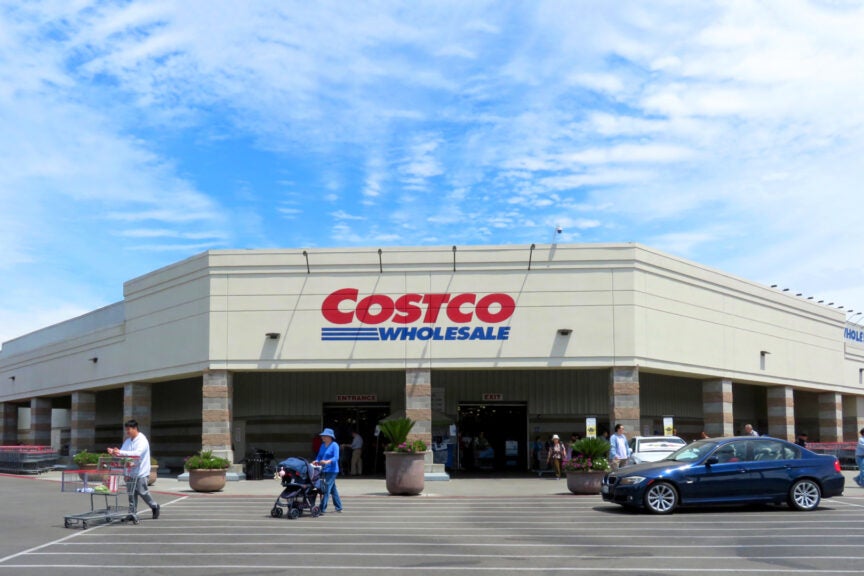
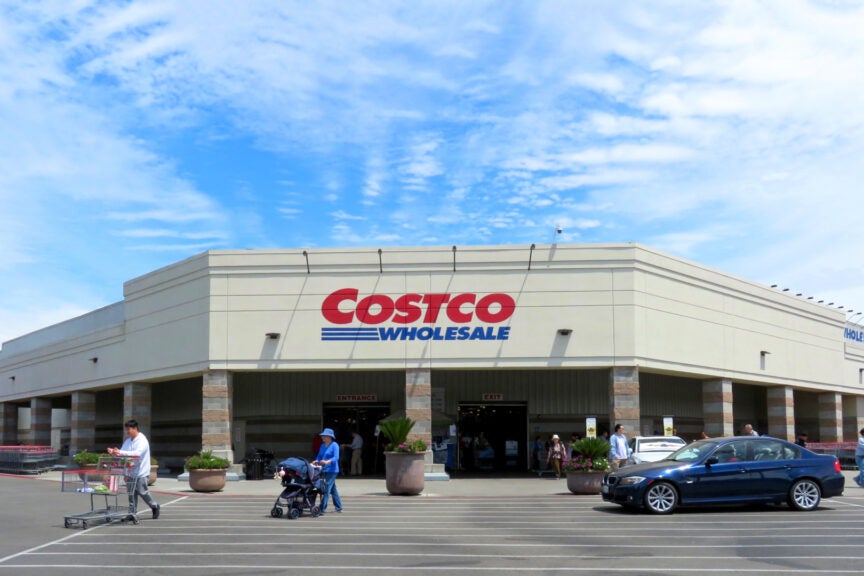
Costco Wholesale Corporation (Costco) operates membership warehouses and e-commerce sites that offer a selection of nationally branded and private-label products in a wide range of categories. The Company buys the majority of its merchandise directly from suppliers and route it to cross-docking consolidation points (depots) or directly to its warehouses. It operates 891 warehouses, including 614 in the United States and Puerto Rico, 108 in Canada, 40 in Mexico, 35 in Japan, 29 in the United Kingdom, 19 in Korea, 15 in Australia, 14 in Taiwan, seven in China, five in Spain, two in France, and one each in Iceland, New Zealand and Sweden. It also operates e-commerce sites in the United States, Canada, the United Kingdom, Mexico, Korea, Taiwan, Japan and Australia. The Company provides wide selection of merchandise, plus the convenience of specialty departments and exclusive member services.
About the author

Emily J. Thompson
Emily J. Thompson, a Chartered Financial Analyst (CFA) with 12 years in investment research, graduated with honors from the Wharton School. Specializing in industrial and technology stocks, she provides in-depth analysis for Intellectia’s earnings and market brief reports.
High Oil Prices Impact Retail Sector Performance

- Oil Price Impact on Spending: The recent U.S. military strikes in the Iran conflict have driven up oil prices, leading to increased living costs for Americans, which may alter discretionary spending habits, particularly among lower-income consumers who are feeling the pinch.
- Walmart Customer Behavior Shift: Walmart's CFO revealed that lower-income customers are now purchasing less than 10 gallons of gas per visit, the lowest since 2022, indicating that high gas prices are negatively impacting consumer behavior and could result in reduced foot traffic in stores.
- Costco Sales Surge: Costco reported record-breaking gasoline sales volumes in its latest fiscal quarter, with gas sales accounting for about 10% of total revenue, and higher gas prices are driving customers to shop more in-store, enhancing customer loyalty and spending.
- Investment Choice Analysis: Despite Costco's higher P/E ratio of 48.8 compared to Walmart's 42.3, analysts suggest that in the context of rising oil prices and inflation, Costco is better positioned for future growth, making it a more attractive investment option.
See More
Costco Outperforms Walmart in 2026
- Record Gas Sales: Costco achieved record-breaking gasoline sales volumes in its latest fiscal quarter, with CEO Ron Vachris noting that the last five weeks were the highest in company history, which not only boosts revenue by 10% but also enhances customer loyalty, likely driving future sales growth.
- Walmart Customer Behavior Shift: Walmart customers are now purchasing an average of less than 10 gallons of gas per visit, the lowest since 2022, indicating that lower-income customers are feeling the pinch from high gas prices, which could lead to reduced spending in other areas and impact foot traffic in Walmart stores.
- Market Performance Comparison: As of 2026, Costco's stock is outperforming Walmart's, and this trend is expected to continue in a high gas price environment, showcasing Costco's competitive edge in the retail market, particularly in the face of rising inflation.
- Investment Choice Analysis: Despite Costco's P/E ratio of 48.8 being higher than Walmart's 42.3, analysts are more inclined to recommend Costco stock in the current economic climate, believing it to be more resilient against high gas prices and inflation pressures, thus attracting more consumers.
See More
High Gas Prices Impact Retail Sector Outlook
- Impact of Rising Oil Prices: A new round of U.S. military strikes in the Iran conflict has driven up oil prices, leading to increased living costs for Americans, which may alter discretionary spending habits, particularly among lower-income consumers who are feeling the pinch.
- Walmart Customer Behavior Shift: Walmart's CFO reported that lower-income customers are now purchasing less than 10 gallons of gas per visit, the lowest since 2022, indicating that high gas prices are negatively impacting their spending, potentially resulting in decreased foot traffic in stores.
- Costco's Record Gas Sales: Costco achieved record-breaking gasoline sales in its latest fiscal quarter, with gas sales making up about 10% of total net sales, and the high gas prices have driven additional in-store purchases, enhancing customer loyalty as members tend to shop more after fueling up.
- Investment Choice Analysis: Despite Costco's P/E ratio of 48.8 compared to Walmart's 42.3, analysts suggest Costco may be a better investment given the context of high gas prices and inflation, as lower-income consumers are likely to cut back on spending sooner than Costco's more affluent customer base.
See More

Target Shareholders Reject Proposal to Separate Chair and CEO Roles

- Shareholder Vote Outcome: Target shareholders rejected a proposal at Wednesday's annual meeting to separate the roles of chair and CEO, allowing former CEO Brian Cornell to remain as executive chair despite increasing investor pressure for a more independent leadership structure.
- Failed Proposals: A proposal to publish reports on pesticide use in private-label products and efforts to reduce microfiber emissions also failed, indicating shareholders' concerns about corporate governance and environmental responsibility were not addressed.
- Market Value Decline: Target has lost approximately half of its market value since 2021, primarily due to inflation-driven consumers gravitating towards lower-priced competitors like Walmart and Costco, which has negatively impacted the company's sales and margins.
- Strategic Investment Plans: New CEO Michael Fiddelke is investing $2 billion this year to ensure well-stocked merchandise and adjust pricing to better compete with Walmart, Amazon, and off-price retailers, although the macroeconomic environment remains challenging.
See More

Costco Stock Price Fluctuations Raise Investor Concerns
- Significant Sales Growth: Costco reported a 14% year-over-year increase in May sales, reaching $24 billion, with net sales up 10% for the first 39 weeks, indicating strong market demand and an expanding customer base.
- Strong Digital Sales: Digital sales surged 21% year-over-year in May and maintained the same growth rate through the first 39 weeks, showcasing the company's excellent performance in e-commerce, which contributes positively to overall sales figures.
- Stock Price Fluctuation Reasons: Despite strong sales and earnings reports, Costco's stock price briefly rose to $997 on June 5 after the sales report, but then fell back to around $960 due to an overall market sell-off, raising investor concerns about high valuations.
- Gross Margin Decline: Although the results were impressive, the overall gross margin dropped by 21 basis points, partly due to price reductions on key items and rising transportation costs, which raised market concerns about future profitability.
See More

Costco Reports Strong Q3 Earnings Amid Valuation Concerns
- Significant Sales Growth: Costco reported May sales of $24 billion, a 14% increase year-over-year, while net sales for the first 39 weeks of the fiscal year rose 10%, indicating strong performance in the retail market.
- Strong Digital Sales: Digital sales surged 21% year-over-year in May and maintained the same growth rate through the first 39 weeks, showcasing the company's ongoing success in e-commerce, despite a 21 basis point drop in overall gross margin due to rising costs.
- Stock Price Volatility: Despite robust earnings, Costco's stock price fell from $997 to around $960 on June 5, primarily influenced by a broader market sell-off and investor concerns over high valuations, reflecting a cautious market sentiment regarding future growth.
- Cautious Investor Sentiment: With a price-to-earnings ratio of 49 and a forward P/E of 43, investors may be taking profits amid concerns about potential economic challenges, even though the company's long-term outlook remains optimistic.
See More
High Oil Prices Impact Retail Sector Performance
- Oil Price Impact on Spending: The recent U.S. military strikes in the Iran conflict have driven up oil prices, leading to increased living costs for Americans, which may alter discretionary spending habits, particularly among lower-income consumers who are feeling the pinch.
- Walmart Customer Behavior Shift: Walmart's CFO revealed that lower-income customers are now purchasing less than 10 gallons of gas per visit, the lowest since 2022, indicating that high gas prices are negatively impacting consumer behavior and could result in reduced foot traffic in stores.
- Costco Sales Surge: Costco reported record-breaking gasoline sales volumes in its latest fiscal quarter, with gas sales accounting for about 10% of total revenue, and higher gas prices are driving customers to shop more in-store, enhancing customer loyalty and spending.
- Investment Choice Analysis: Despite Costco's higher P/E ratio of 48.8 compared to Walmart's 42.3, analysts suggest that in the context of rising oil prices and inflation, Costco is better positioned for future growth, making it a more attractive investment option.
See More
Costco Outperforms Walmart in 2026
- Record Gas Sales: Costco achieved record-breaking gasoline sales volumes in its latest fiscal quarter, with CEO Ron Vachris noting that the last five weeks were the highest in company history, which not only boosts revenue by 10% but also enhances customer loyalty, likely driving future sales growth.
- Walmart Customer Behavior Shift: Walmart customers are now purchasing an average of less than 10 gallons of gas per visit, the lowest since 2022, indicating that lower-income customers are feeling the pinch from high gas prices, which could lead to reduced spending in other areas and impact foot traffic in Walmart stores.
- Market Performance Comparison: As of 2026, Costco's stock is outperforming Walmart's, and this trend is expected to continue in a high gas price environment, showcasing Costco's competitive edge in the retail market, particularly in the face of rising inflation.
- Investment Choice Analysis: Despite Costco's P/E ratio of 48.8 being higher than Walmart's 42.3, analysts are more inclined to recommend Costco stock in the current economic climate, believing it to be more resilient against high gas prices and inflation pressures, thus attracting more consumers.
See More
High Gas Prices Impact Retail Sector Outlook
- Impact of Rising Oil Prices: A new round of U.S. military strikes in the Iran conflict has driven up oil prices, leading to increased living costs for Americans, which may alter discretionary spending habits, particularly among lower-income consumers who are feeling the pinch.
- Walmart Customer Behavior Shift: Walmart's CFO reported that lower-income customers are now purchasing less than 10 gallons of gas per visit, the lowest since 2022, indicating that high gas prices are negatively impacting their spending, potentially resulting in decreased foot traffic in stores.
- Costco's Record Gas Sales: Costco achieved record-breaking gasoline sales in its latest fiscal quarter, with gas sales making up about 10% of total net sales, and the high gas prices have driven additional in-store purchases, enhancing customer loyalty as members tend to shop more after fueling up.
- Investment Choice Analysis: Despite Costco's P/E ratio of 48.8 compared to Walmart's 42.3, analysts suggest Costco may be a better investment given the context of high gas prices and inflation, as lower-income consumers are likely to cut back on spending sooner than Costco's more affluent customer base.
See More
Target Shareholders Reject Proposal to Separate Chair and CEO Roles
- Shareholder Vote Outcome: Target shareholders rejected a proposal at Wednesday's annual meeting to separate the roles of chair and CEO, allowing former CEO Brian Cornell to remain as executive chair despite increasing investor pressure for a more independent leadership structure.
- Failed Proposals: A proposal to publish reports on pesticide use in private-label products and efforts to reduce microfiber emissions also failed, indicating shareholders' concerns about corporate governance and environmental responsibility were not addressed.
- Market Value Decline: Target has lost approximately half of its market value since 2021, primarily due to inflation-driven consumers gravitating towards lower-priced competitors like Walmart and Costco, which has negatively impacted the company's sales and margins.
- Strategic Investment Plans: New CEO Michael Fiddelke is investing $2 billion this year to ensure well-stocked merchandise and adjust pricing to better compete with Walmart, Amazon, and off-price retailers, although the macroeconomic environment remains challenging.
See More
Costco Stock Price Fluctuations Raise Investor Concerns
- Significant Sales Growth: Costco reported a 14% year-over-year increase in May sales, reaching $24 billion, with net sales up 10% for the first 39 weeks, indicating strong market demand and an expanding customer base.
- Strong Digital Sales: Digital sales surged 21% year-over-year in May and maintained the same growth rate through the first 39 weeks, showcasing the company's excellent performance in e-commerce, which contributes positively to overall sales figures.
- Stock Price Fluctuation Reasons: Despite strong sales and earnings reports, Costco's stock price briefly rose to $997 on June 5 after the sales report, but then fell back to around $960 due to an overall market sell-off, raising investor concerns about high valuations.
- Gross Margin Decline: Although the results were impressive, the overall gross margin dropped by 21 basis points, partly due to price reductions on key items and rising transportation costs, which raised market concerns about future profitability.
See More
Costco Reports Strong Q3 Earnings Amid Valuation Concerns
- Significant Sales Growth: Costco reported May sales of $24 billion, a 14% increase year-over-year, while net sales for the first 39 weeks of the fiscal year rose 10%, indicating strong performance in the retail market.
- Strong Digital Sales: Digital sales surged 21% year-over-year in May and maintained the same growth rate through the first 39 weeks, showcasing the company's ongoing success in e-commerce, despite a 21 basis point drop in overall gross margin due to rising costs.
- Stock Price Volatility: Despite robust earnings, Costco's stock price fell from $997 to around $960 on June 5, primarily influenced by a broader market sell-off and investor concerns over high valuations, reflecting a cautious market sentiment regarding future growth.
- Cautious Investor Sentiment: With a price-to-earnings ratio of 49 and a forward P/E of 43, investors may be taking profits amid concerns about potential economic challenges, even though the company's long-term outlook remains optimistic.
See More