High Oil Prices Drive EV Boom, Who's Next After Tesla?


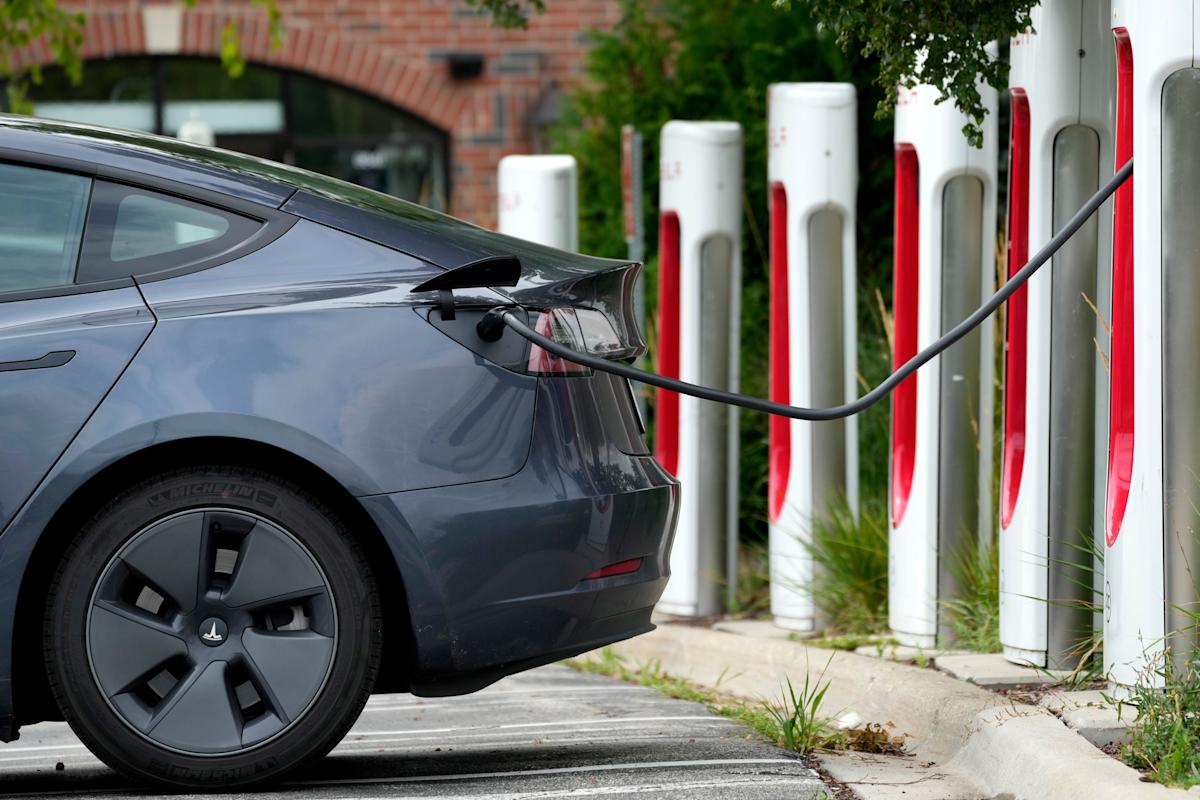
- Tesla's Strong Performance: Tesla's automotive revenue surged 16% year-over-year to $16.2 billion in Q1, and despite a brief stock dip due to CEO Musk's forecast of significant capex increases, robust EV sales indicate a positive impact from high oil prices on market dynamics.
- Surge in European Market: Tesla's deliveries in Europe increased over 150% quarter-over-quarter, particularly in France and Germany, highlighting a trend where high oil prices are driving consumers towards electric vehicles, thereby reinforcing Tesla's leadership in the global EV market.
- GE Vernova's Competitive Edge: As an alternative energy company, GE Vernova has excelled in the high oil price environment, with its wind power segment generating approximately 30% of its revenue, and its strong position in gas turbines provides a competitive advantage in the current market landscape.
- Union Pacific's Market Position: Union Pacific Railroad benefits significantly from high oil prices, reporting a 40.1% adjusted operating margin in Q1, and its pricing power allows it to maintain strong performance in an inflationary environment, showcasing its economic moat in the transportation sector.
Trade with 70% Backtested Accuracy
Analyst Views on TSLA

About TSLA
About the author

TESLA Q1 FREE CASH FLOW REVISED TO USD 1,444 MILLION

Tesla's Q1 Free Cash Flow: Tesla reported a free cash flow of USD 1,444 million for the first quarter, indicating strong financial performance.
Correction of Amount: The reported cash flow figure was corrected to reflect the accurate amount, emphasizing the importance of precise financial reporting.
Tesla Faces Challenges as Investors Seek Stability
- Capital Expenditure Pressure: Analyst Paul Meeks highlighted that Tesla must significantly ramp up capital expenditures to maintain leadership in next-generation technologies, despite its current tight cash flow potentially leading to deeply negative free cash flow.
- Declining EV Sales: Tesla is experiencing a decline in electric vehicle sales, with Meeks stating that investors want to see stabilization in this business to improve auto gross margins, making the current market environment feel 'a little scary'.
- Uncertain Future Outlook: Analysts at Cantor Fitzgerald view 2026 as a transitional year for Tesla, citing the company's Q1 deliveries and energy deployments falling short of Wall Street expectations, while initiatives like Robotaxi and Optimus face challenges in their rollout.
- Market Sentiment Fluctuations: Despite Tesla's stock being down 14% year-to-date, it has risen 70% over the past 12 months, indicating that retail investor sentiment on Stocktwits remains 'extremely bullish', reflecting optimism about the expansion of Robotaxi services.
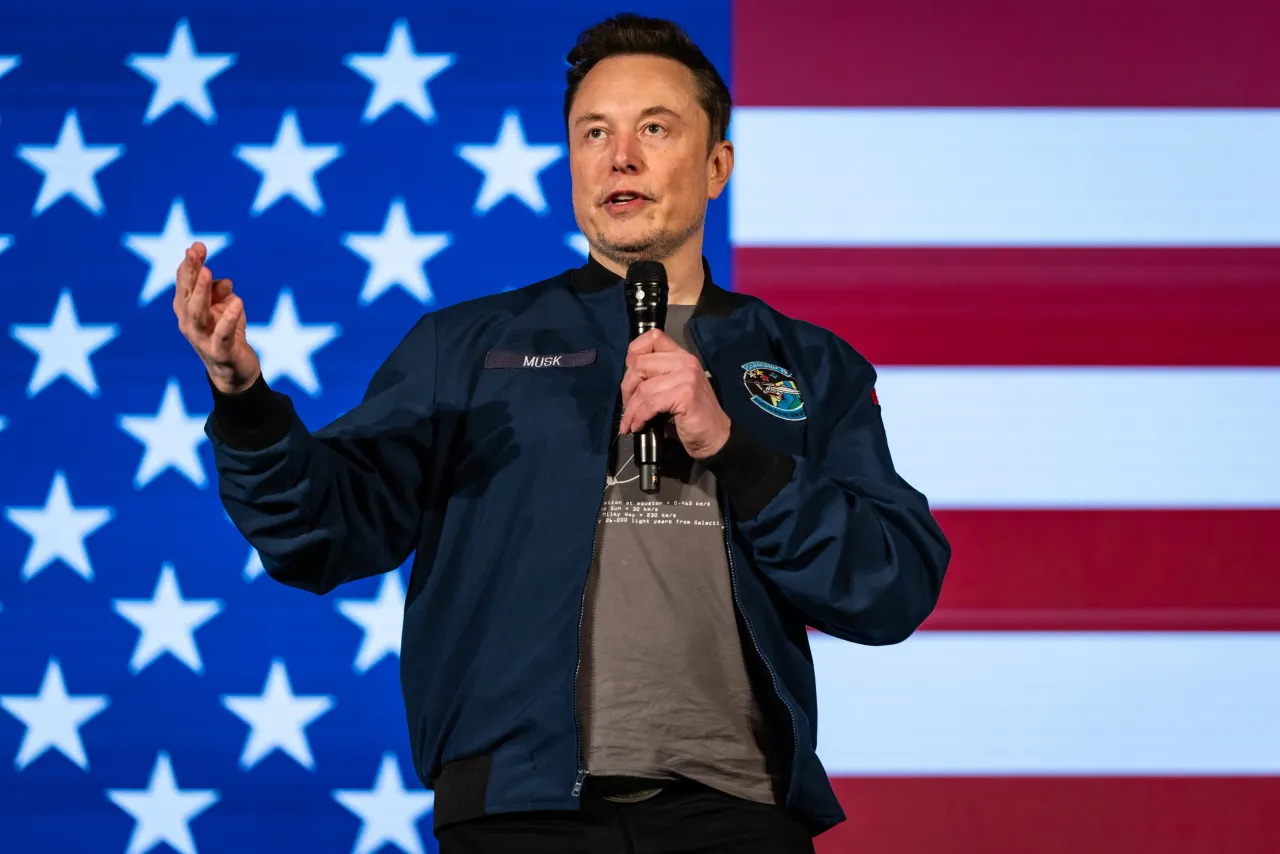
Tesla's Robotaxi Plans Face Significant Challenges
- Robotaxi Plans in Jeopardy: Jefferies warned that Tesla's ambition to deploy robotaxi services across 25%-50% of U.S. markets this year appears “beyond reach,” potentially raising funding concerns and increasing the rationale for a merger with SpaceX.
- Investor Focus on AI Investments: Dan Ives from Wedbush highlighted that investors are closely monitoring Tesla's $2 billion investment in xAI and its potential exposure to SpaceX post-merger, particularly regarding Cybercab development and new factory construction.
- Q1 Earnings Expectations: Tesla is set to report its Q1 earnings after market close on Tuesday, with deliveries at 358,023 vehicles, falling short of the expected 365,645, while production reached 408,386, indicating a gap of over 50,000 units between production and deliveries.
- SpaceX IPO Under Scrutiny: SpaceX is preparing for what could be the largest IPO in history, targeting a valuation of $75 billion, with Musk likely retaining voting control through a dual-class share structure, which may impact investor confidence in its future.
Norway Wealth Fund's Deputy CEO: Engaging with SpaceX and Evaluating Potential Investment Opportunities
Norway Wealth Fund Deputy CEO's Statement: The Deputy CEO of Norway's Wealth Fund has indicated that they are currently in dialogue with SpaceX regarding potential investments.
Assessment of Investment Opportunities: The fund is assessing whether investing in the company could be of interest, reflecting a strategic approach to diversifying its portfolio.
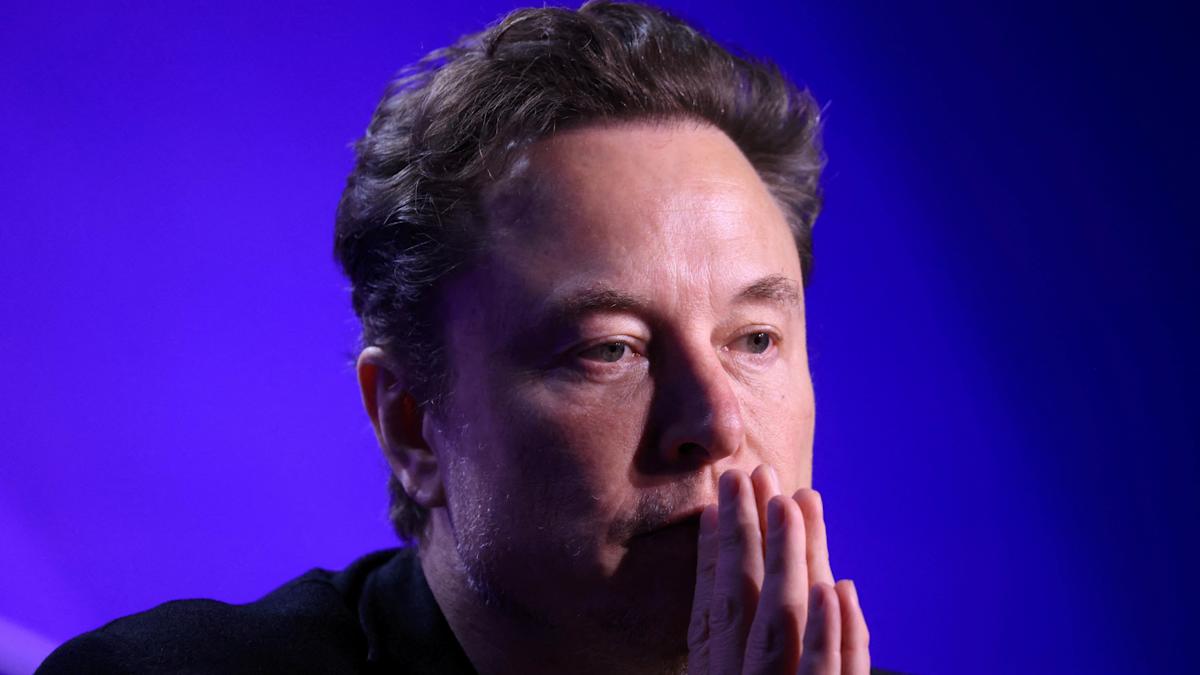
TESLA TO ACQUIRE AI HARDWARE FIRM FOR AS MUCH AS $2 BILLION IN COMMON STOCK AND EQUITY AWARDS, ACCORDING TO SEC FILING
- Tesla's Acquisition: Tesla has agreed to purchase an AI hardware company for up to $2 billion.
- Stock and Equity Awards: The deal will be financed through Tesla common stock and equity awards, as indicated in a SEC filing.
Tesla's Q1 Earnings Raise Investor Concerns Amid Rising Capex
- Rising Capex: Tesla's projected capital expenditures for 2026 are now expected to exceed $25 billion, significantly up from the previous estimate of $20 billion, which will lead to negative free cash flow for the remainder of the year, raising concerns about the company's financial health among investors.
- Production Progress: While Tesla confirmed that production of the Cybercab, Semi, and Megapack batteries is on schedule, the increase in capital expenditures has resulted in a roughly 7% decline in stock price this week, indicating market skepticism regarding the future returns on these investments.
- Cybercab Production Launch: The production of Tesla's Cybercab has commenced, although initial output will be slow, and this model is designed to replace the existing robotaxi fleet, with plans to sell to the public in the future, showcasing the company's ambitions in the autonomous driving sector.
- FSD Subscriber Growth: As of the end of Q1, Tesla reported 456,000 active full self-driving (FSD) subscribers generating over $45 million in monthly service revenue, indicating strong market demand for the company's autonomous driving software.
TESLA Q1 FREE CASH FLOW REVISED TO USD 1,444 MILLION
Tesla's Q1 Free Cash Flow: Tesla reported a free cash flow of USD 1,444 million for the first quarter, indicating strong financial performance.
Correction of Amount: The reported cash flow figure was corrected to reflect the accurate amount, emphasizing the importance of precise financial reporting.
Tesla Faces Challenges as Investors Seek Stability
- Capital Expenditure Pressure: Analyst Paul Meeks highlighted that Tesla must significantly ramp up capital expenditures to maintain leadership in next-generation technologies, despite its current tight cash flow potentially leading to deeply negative free cash flow.
- Declining EV Sales: Tesla is experiencing a decline in electric vehicle sales, with Meeks stating that investors want to see stabilization in this business to improve auto gross margins, making the current market environment feel 'a little scary'.
- Uncertain Future Outlook: Analysts at Cantor Fitzgerald view 2026 as a transitional year for Tesla, citing the company's Q1 deliveries and energy deployments falling short of Wall Street expectations, while initiatives like Robotaxi and Optimus face challenges in their rollout.
- Market Sentiment Fluctuations: Despite Tesla's stock being down 14% year-to-date, it has risen 70% over the past 12 months, indicating that retail investor sentiment on Stocktwits remains 'extremely bullish', reflecting optimism about the expansion of Robotaxi services.
Tesla's Robotaxi Plans Face Significant Challenges
- Robotaxi Plans in Jeopardy: Jefferies warned that Tesla's ambition to deploy robotaxi services across 25%-50% of U.S. markets this year appears “beyond reach,” potentially raising funding concerns and increasing the rationale for a merger with SpaceX.
- Investor Focus on AI Investments: Dan Ives from Wedbush highlighted that investors are closely monitoring Tesla's $2 billion investment in xAI and its potential exposure to SpaceX post-merger, particularly regarding Cybercab development and new factory construction.
- Q1 Earnings Expectations: Tesla is set to report its Q1 earnings after market close on Tuesday, with deliveries at 358,023 vehicles, falling short of the expected 365,645, while production reached 408,386, indicating a gap of over 50,000 units between production and deliveries.
- SpaceX IPO Under Scrutiny: SpaceX is preparing for what could be the largest IPO in history, targeting a valuation of $75 billion, with Musk likely retaining voting control through a dual-class share structure, which may impact investor confidence in its future.
Norway Wealth Fund's Deputy CEO: Engaging with SpaceX and Evaluating Potential Investment Opportunities
Norway Wealth Fund Deputy CEO's Statement: The Deputy CEO of Norway's Wealth Fund has indicated that they are currently in dialogue with SpaceX regarding potential investments.
Assessment of Investment Opportunities: The fund is assessing whether investing in the company could be of interest, reflecting a strategic approach to diversifying its portfolio.
TESLA TO ACQUIRE AI HARDWARE FIRM FOR AS MUCH AS $2 BILLION IN COMMON STOCK AND EQUITY AWARDS, ACCORDING TO SEC FILING
- Tesla's Acquisition: Tesla has agreed to purchase an AI hardware company for up to $2 billion.
- Stock and Equity Awards: The deal will be financed through Tesla common stock and equity awards, as indicated in a SEC filing.
Tesla's Q1 Earnings Raise Investor Concerns Amid Rising Capex
- Rising Capex: Tesla's projected capital expenditures for 2026 are now expected to exceed $25 billion, significantly up from the previous estimate of $20 billion, which will lead to negative free cash flow for the remainder of the year, raising concerns about the company's financial health among investors.
- Production Progress: While Tesla confirmed that production of the Cybercab, Semi, and Megapack batteries is on schedule, the increase in capital expenditures has resulted in a roughly 7% decline in stock price this week, indicating market skepticism regarding the future returns on these investments.
- Cybercab Production Launch: The production of Tesla's Cybercab has commenced, although initial output will be slow, and this model is designed to replace the existing robotaxi fleet, with plans to sell to the public in the future, showcasing the company's ambitions in the autonomous driving sector.
- FSD Subscriber Growth: As of the end of Q1, Tesla reported 456,000 active full self-driving (FSD) subscribers generating over $45 million in monthly service revenue, indicating strong market demand for the company's autonomous driving software.