Here’s the open secret as U.S. tightens sanctions on Iran’s oil exports
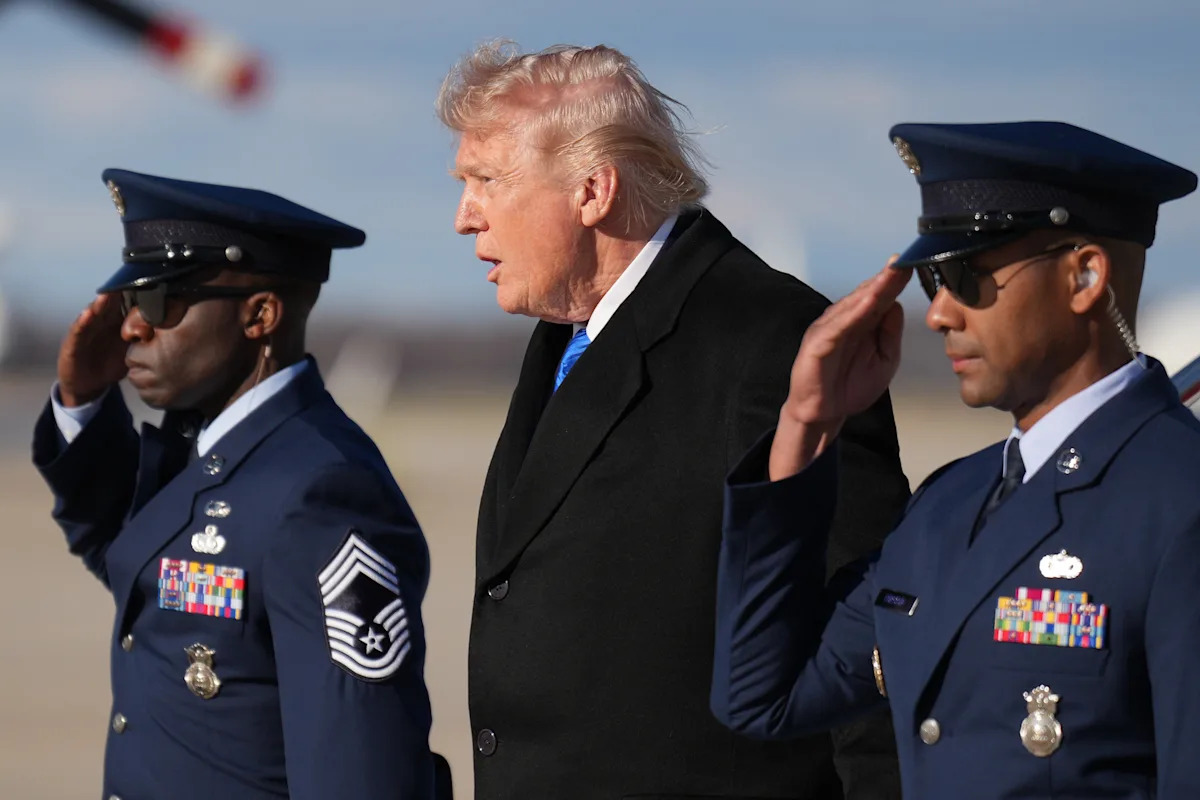
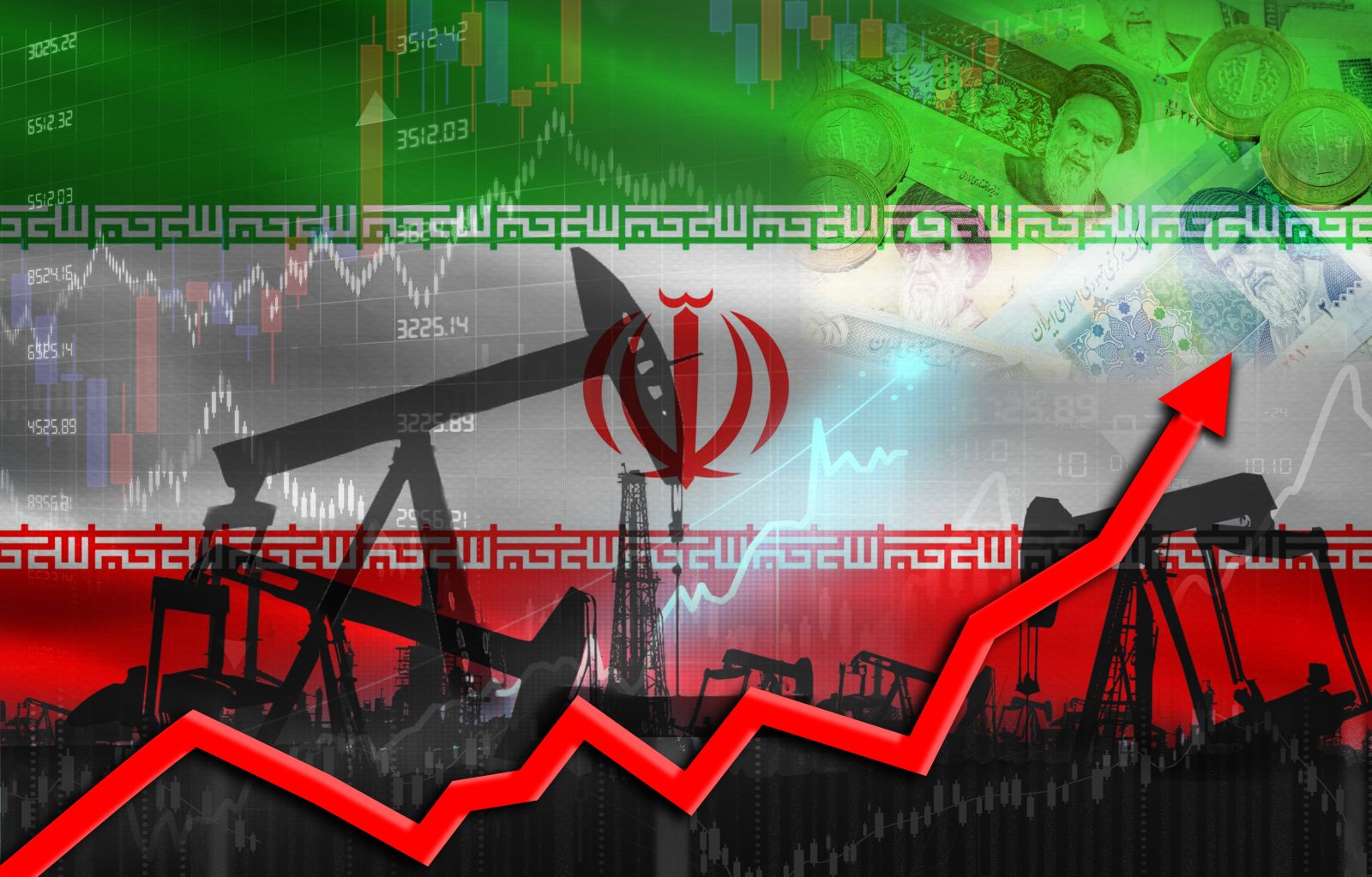
U.S. Sanctions on Iran: The U.S. has imposed new sanctions on companies and individuals involved in transporting Iranian oil, reinforcing its stance against Iran's nuclear ambitions and terrorism support.
Impact on Oil Prices: While the sanctions aim to punish Iran, they may inadvertently affect the U.S.'s efforts to maintain low crude-oil prices.
Trade with 70% Backtested Accuracy
Analyst Views on BKR

About BKR
About the author


HMH Holding Seeks Up to $948M Valuation in U.S. IPO Amid Rising Oil Prices
- IPO Valuation Target: HMH Holding aims for a valuation of up to $948 million in its U.S. IPO, leveraging soaring oil prices to boost investor sentiment, which is expected to provide substantial funding support for future growth.
- Funding Size: The company plans to raise $231 million by selling 10.5 million shares at a price range of $19 to $22 each, which will secure necessary capital for business expansion and technological innovation.
- Market Context: Formed by the merger of Baker Hughes and Akastor's offshore drilling equipment units in 2021, HMH seeks to capitalize on the current oil price surge to advance its public listing process.
- Historical Progress: Although HMH filed for an IPO in August 2024, it only decided to move forward with the listing now due to changing market conditions, demonstrating the company's keen awareness of market timing.
XGS Energy and Baker Hughes Unveil Strategic Partnership to Enhance Geothermal Development in New Mexico
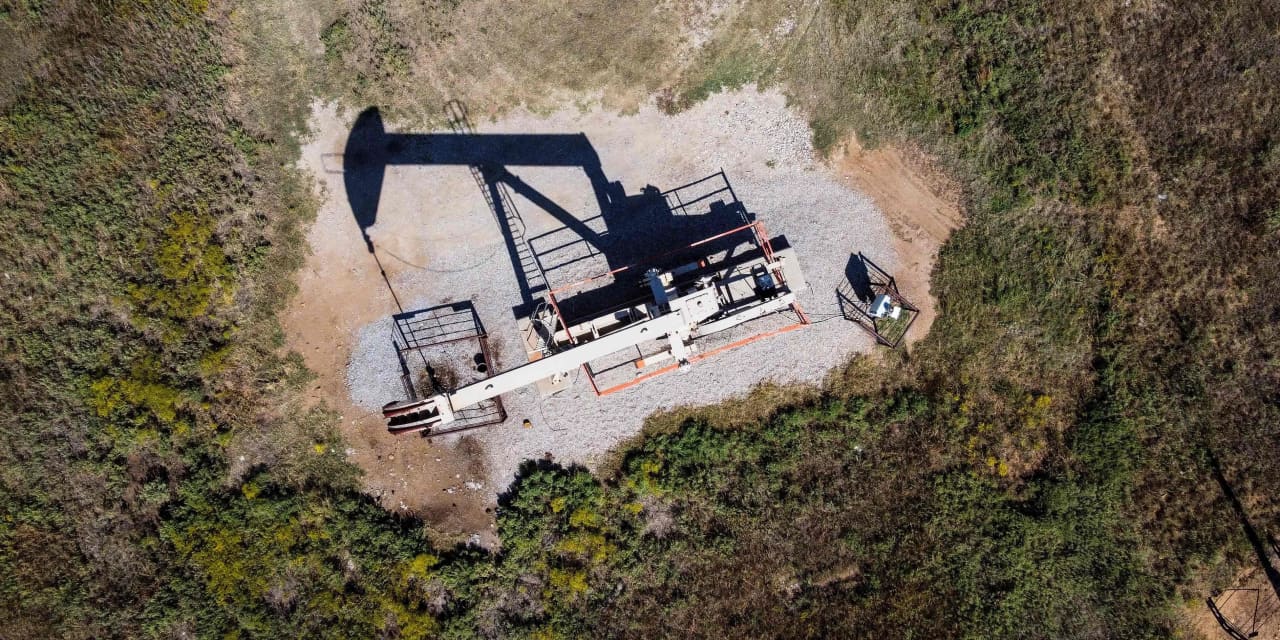
Strategic Collaboration Announcement: Energy and Baker Hughes have announced a strategic collaboration aimed at advancing geothermal development in New Mexico.
Focus on Geothermal Development: The partnership will focus on enhancing geothermal energy technologies and projects to promote sustainable energy solutions in the region.
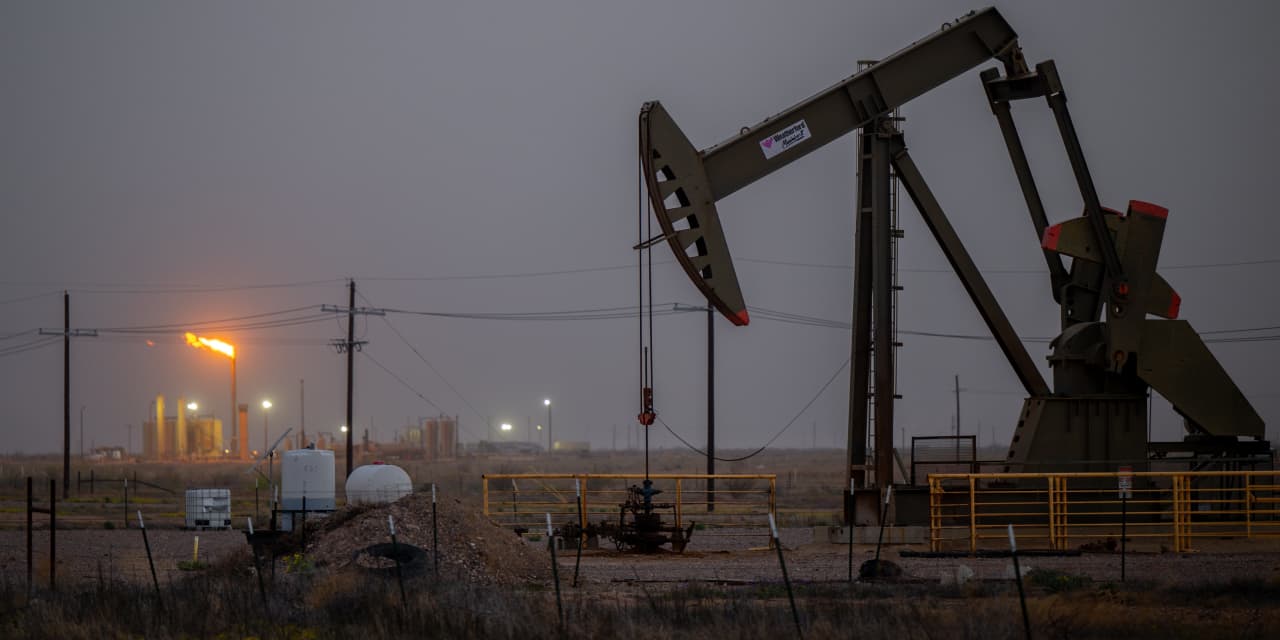
BAKER HUGHES CO: FIRMS TO PROGRESS XGS'S 150-MEGAWATT GEOTHERMAL INITIATIVE IN NEW MEXICO
Project Overview: Companies are collaborating to advance XGS's planned 150-megawatt geothermal project in New Mexico.
Geothermal Energy Focus: The initiative aims to harness geothermal energy, contributing to sustainable energy solutions in the region.
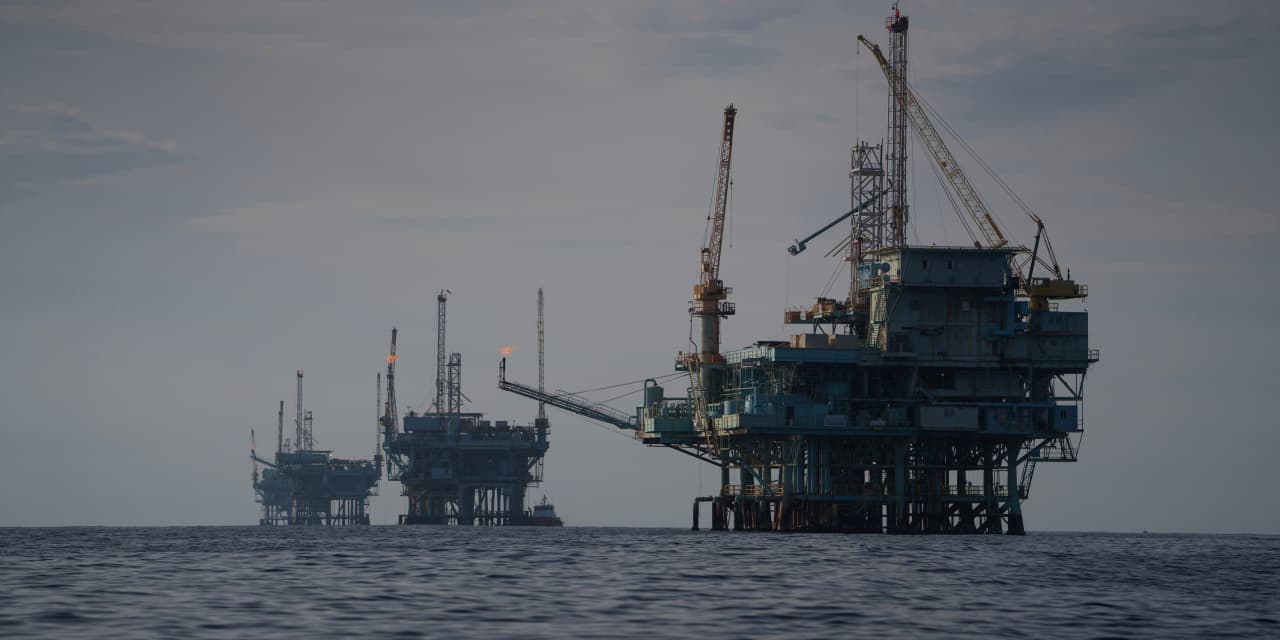
HMH Holding IPO: Enery to Launch Public Offering Amid Rising Oil Prices


- Impact of Crude Prices: Oil drillers and energy stocks have seen significant gains this year due to rising crude prices.
- Geopolitical Factors: The surge in crude prices is attributed to the ongoing war in Iran and concerns over supply constraints.

Venezuelan Opposition Leader Calls for Investment


- Investment Hesitation: Venezuelan opposition leader María Corina Machado will address the S&P Global CERAWeek in Houston, yet the oil and gas industry remains hesitant to invest in the country despite the U.S. ousting former President Maduro, indicating deep concerns over political stability.
- Need for Political Reform: Machado's opposition movement seeks a transition to democracy and a market economy; however, industry leaders like ConocoPhillips and Exxon Mobil have made it clear they will only consider returning after significant political reforms are implemented to protect private sector investments, reflecting dissatisfaction with the current situation.
- Asset Compensation Issues: ConocoPhillips CEO Ryan Lance highlighted that the company lost $12 billion due to asset seizures by the Chávez government in 2007, emphasizing that they will not invest without a mechanism for compensation recovery, underscoring a lack of confidence in the investment environment.
- Policy Durability Challenges: Lance noted that attracting the billions needed for investment requires not only guarantees of physical security and contracts but also policy durability from both Venezuela and the U.S., indicating international investors' concerns about potential political shifts that could affect investment decisions.
US Stocks Decline Amid Ongoing Iran Conflict


- Market Movement: The S&P 500 Index is down 0.16%, while the Dow Jones Industrial Average is up 0.13%, and the Nasdaq 100 Index has decreased by 0.50%, reflecting investor concerns over the ongoing Iran conflict, which is dampening market sentiment.
- Rising Energy Prices: WTI crude oil prices have surged over 4% due to Iran's missile strikes on Israel and US bases, which not only limits stock market declines but also raises inflation expectations, potentially influencing future monetary policy decisions.
- Economic Data Performance: The US Q4 nonfarm productivity remained unchanged at 1.8%, while unit labor costs were revised up to 4.4% from 2.8%, exceeding market expectations, indicating economic resilience that may support the stock market.
- International Tensions Impact: Saudi Arabia and the UAE have taken steps toward joining the Iran war, potentially escalating the conflict, which increases market concerns about future geopolitical risks and drives investors towards safer assets.
HMH Holding Seeks Up to $948M Valuation in U.S. IPO Amid Rising Oil Prices
- IPO Valuation Target: HMH Holding aims for a valuation of up to $948 million in its U.S. IPO, leveraging soaring oil prices to boost investor sentiment, which is expected to provide substantial funding support for future growth.
- Funding Size: The company plans to raise $231 million by selling 10.5 million shares at a price range of $19 to $22 each, which will secure necessary capital for business expansion and technological innovation.
- Market Context: Formed by the merger of Baker Hughes and Akastor's offshore drilling equipment units in 2021, HMH seeks to capitalize on the current oil price surge to advance its public listing process.
- Historical Progress: Although HMH filed for an IPO in August 2024, it only decided to move forward with the listing now due to changing market conditions, demonstrating the company's keen awareness of market timing.
XGS Energy and Baker Hughes Unveil Strategic Partnership to Enhance Geothermal Development in New Mexico
Strategic Collaboration Announcement: Energy and Baker Hughes have announced a strategic collaboration aimed at advancing geothermal development in New Mexico.
Focus on Geothermal Development: The partnership will focus on enhancing geothermal energy technologies and projects to promote sustainable energy solutions in the region.
BAKER HUGHES CO: FIRMS TO PROGRESS XGS'S 150-MEGAWATT GEOTHERMAL INITIATIVE IN NEW MEXICO
Project Overview: Companies are collaborating to advance XGS's planned 150-megawatt geothermal project in New Mexico.
Geothermal Energy Focus: The initiative aims to harness geothermal energy, contributing to sustainable energy solutions in the region.
HMH Holding IPO: Enery to Launch Public Offering Amid Rising Oil Prices
- Impact of Crude Prices: Oil drillers and energy stocks have seen significant gains this year due to rising crude prices.
- Geopolitical Factors: The surge in crude prices is attributed to the ongoing war in Iran and concerns over supply constraints.
Venezuelan Opposition Leader Calls for Investment
- Investment Hesitation: Venezuelan opposition leader María Corina Machado will address the S&P Global CERAWeek in Houston, yet the oil and gas industry remains hesitant to invest in the country despite the U.S. ousting former President Maduro, indicating deep concerns over political stability.
- Need for Political Reform: Machado's opposition movement seeks a transition to democracy and a market economy; however, industry leaders like ConocoPhillips and Exxon Mobil have made it clear they will only consider returning after significant political reforms are implemented to protect private sector investments, reflecting dissatisfaction with the current situation.
- Asset Compensation Issues: ConocoPhillips CEO Ryan Lance highlighted that the company lost $12 billion due to asset seizures by the Chávez government in 2007, emphasizing that they will not invest without a mechanism for compensation recovery, underscoring a lack of confidence in the investment environment.
- Policy Durability Challenges: Lance noted that attracting the billions needed for investment requires not only guarantees of physical security and contracts but also policy durability from both Venezuela and the U.S., indicating international investors' concerns about potential political shifts that could affect investment decisions.
US Stocks Decline Amid Ongoing Iran Conflict
- Market Movement: The S&P 500 Index is down 0.16%, while the Dow Jones Industrial Average is up 0.13%, and the Nasdaq 100 Index has decreased by 0.50%, reflecting investor concerns over the ongoing Iran conflict, which is dampening market sentiment.
- Rising Energy Prices: WTI crude oil prices have surged over 4% due to Iran's missile strikes on Israel and US bases, which not only limits stock market declines but also raises inflation expectations, potentially influencing future monetary policy decisions.
- Economic Data Performance: The US Q4 nonfarm productivity remained unchanged at 1.8%, while unit labor costs were revised up to 4.4% from 2.8%, exceeding market expectations, indicating economic resilience that may support the stock market.
- International Tensions Impact: Saudi Arabia and the UAE have taken steps toward joining the Iran war, potentially escalating the conflict, which increases market concerns about future geopolitical risks and drives investors towards safer assets.