Hawaiian Airlines Integrates Passenger Service System with Alaska Airlines

Hawaiian Airlines transitioned to the same Sabre (SABR) passenger service system used by Alaska Airlines (ALK), a significant integration milestone that provides guests flying with Alaska Airlines and Hawaiian Airlines a more seamless and consistent travel experience from booking to boarding across a growing global network. The combined company's shared PSS serves as the central reservation technology that connects the digital tools and programs used by guests and employees; from websites, mobile app, Atmos Rewards and Huaka'i by Hawaiian loyalty programs, to airport kiosks and reservation records.
Trade with 70% Backtested Accuracy
Analyst Views on ALK

About ALK
About the author

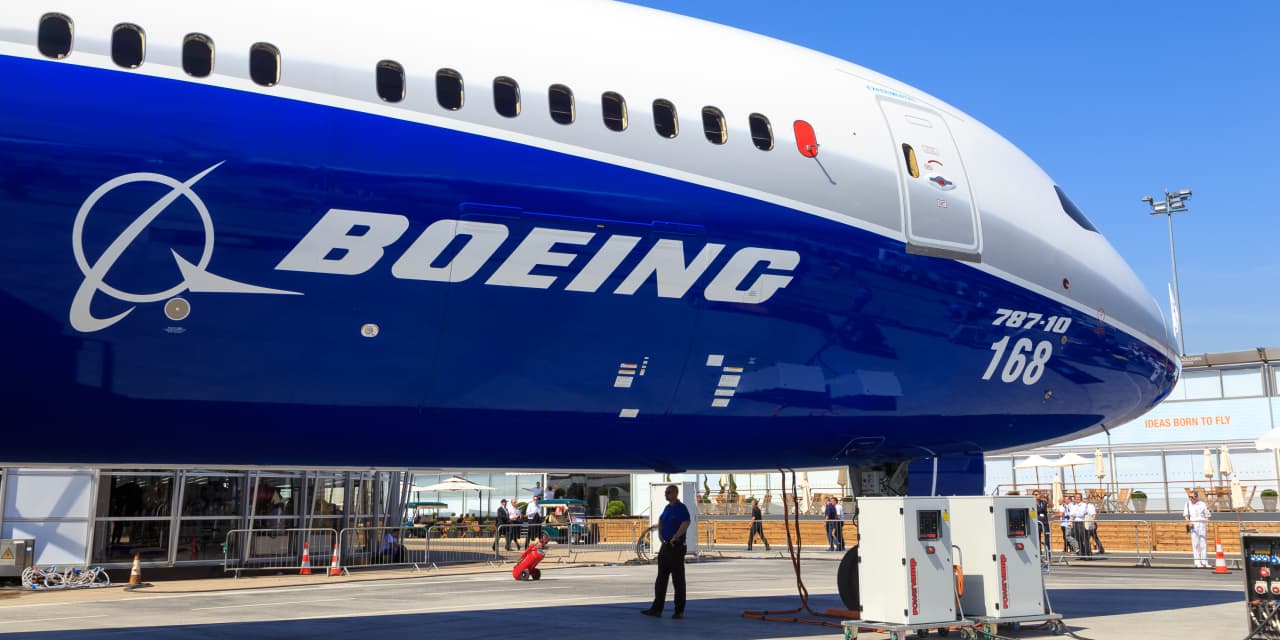
Alaska Air Reports Q1 Operating Revenue of $3.3 Billion, Slightly Below IBES Estimate of $3.308 Billion

- Alaska Air Revenue: Alaska Air reported total operating revenue of USD 3,300 million.
- Comparison with Estimates: This figure is slightly below the estimates provided by Ibes, which projected revenue at USD 3,308 million.

Alaska Air Reports Q1 Adjusted EPS of -$1.68, Below IBES Estimate of -$1.35
Alaska Air Q1 Adjusted EPS: Alaska Air reported an adjusted earnings per share (EPS) of $1.68 for the first quarter.
Comparison with Estimates: This EPS figure exceeded the estimates, which were projected at $1.35.
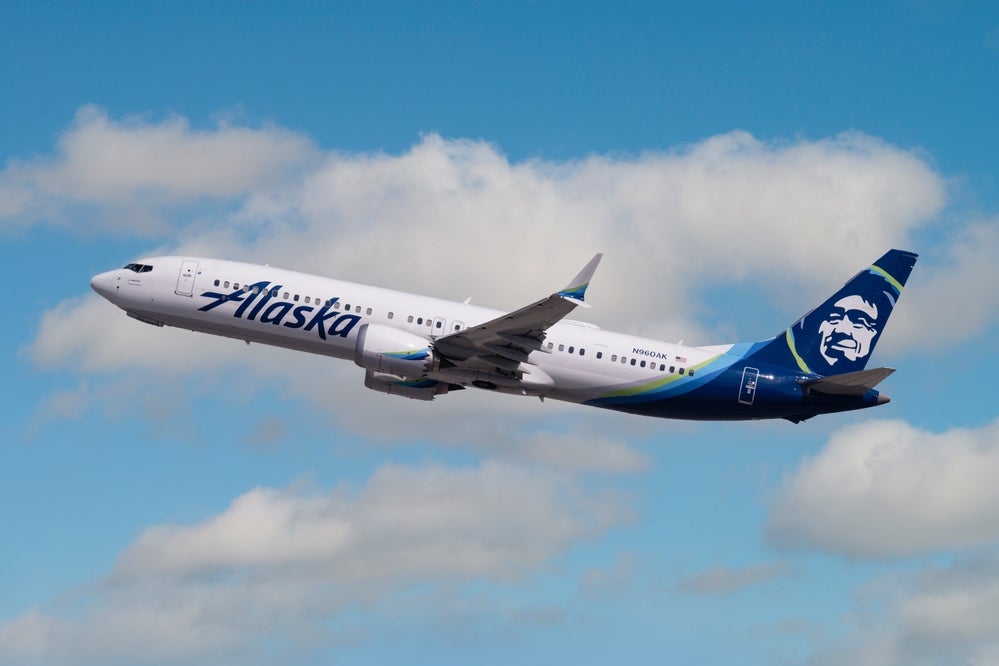
Alaska Air Group Inc Q1 Earnings Forecast at $-1.35 per Share, Revenue Expected at $3.31 Billion - LSEG IBES Data
- Financial Overview: Alaska Air Group reported a revenue of $3.31 billion for Q1, indicating a strong performance compared to the previous year's $1.35 billion.
- Market Position: The company continues to solidify its position in the airline industry, showcasing resilience and growth in a competitive market.
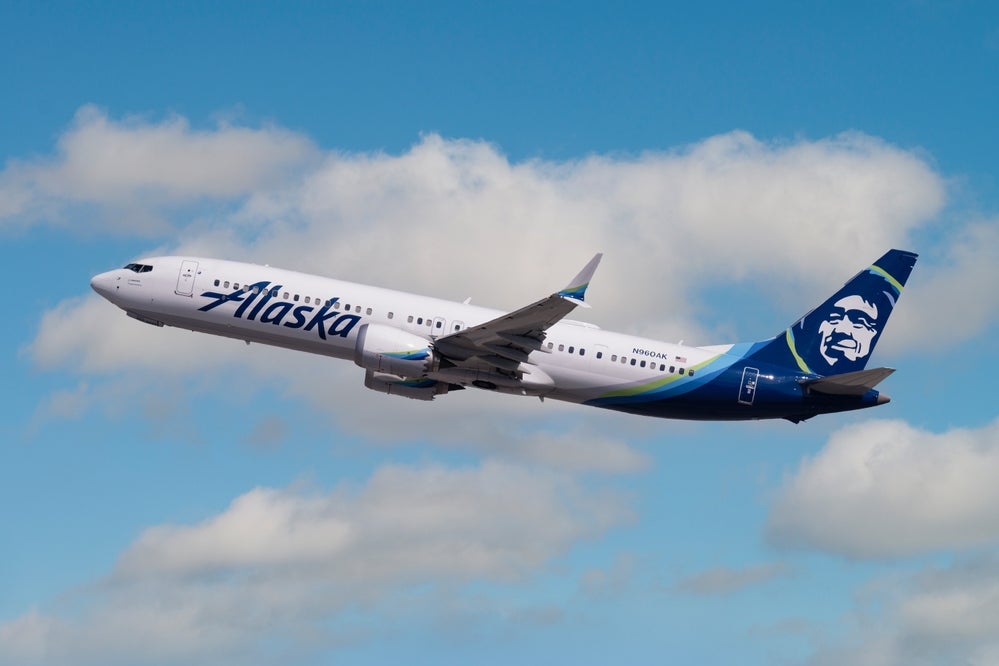
Alaska Air Group Inc Reports Q1 Operating Revenue of $3.3 Billion
- Total Operating Revenue: Alaska Air Group Inc reported a total operating revenue of $3.3 billion for the first quarter.
- Financial Performance: The revenue figure indicates a strong financial performance for the airline during this period.
ALASKA AIR GROUP INC REPORTS Q1 2026 REVENUE OF $3.3 BILLION, WITH A 3.5% YEAR-OVER-YEAR INCREASE IN UNIT REVENUE - SEC FILING
- Financial Performance: Alaska Air Group reported a revenue of $3.3 billion for Q1 2026.
- Year-over-Year Growth: The unit revenue increased by 3.5% compared to the previous year.

U.S. Airlines Face Fuel Cost Crisis Amid Record Passenger Numbers

- Record Passenger Numbers: U.S. airlines reported their highest-ever passenger counts in Q1, yet rising fuel costs have severely impacted profits, with United Airlines (UAL) cutting its full-year profit forecast by about a third, highlighting the industry's struggle between strong demand and soaring costs.
- Surging Fuel Costs: Jet fuel prices have nearly doubled since the U.S. and Israel's attacks on Iran in late February, making it difficult for airlines to raise fares quickly enough to cover costs; Southwest Airlines (LUV) expects second-quarter fuel prices to reach $4.10 to $4.15 per gallon, significantly up from $2.73 in Q1.
- Flight Reductions: Airlines are cutting flights despite full planes, with United Airlines CEO Scott Kirby stating that some routes no longer make sense in a high fuel price environment, leading to a planned 5% reduction in flights, while Delta Air Lines (DAL) is cutting capacity by over 3.5 percentage points.
- Fare Increases Insufficient: Although Delta's revenue rose nearly 10% in Q1 and fares increased by about 12% in early March, many passengers had booked before fuel prices surged, limiting airlines' ability to recover costs quickly; Alaska Airlines (ALK) noted it would have been profitable this quarter but for fuel costs.
Alaska Air Reports Q1 Operating Revenue of $3.3 Billion, Slightly Below IBES Estimate of $3.308 Billion
- Alaska Air Revenue: Alaska Air reported total operating revenue of USD 3,300 million.
- Comparison with Estimates: This figure is slightly below the estimates provided by Ibes, which projected revenue at USD 3,308 million.
Alaska Air Reports Q1 Adjusted EPS of -$1.68, Below IBES Estimate of -$1.35
Alaska Air Q1 Adjusted EPS: Alaska Air reported an adjusted earnings per share (EPS) of $1.68 for the first quarter.
Comparison with Estimates: This EPS figure exceeded the estimates, which were projected at $1.35.
Alaska Air Group Inc Q1 Earnings Forecast at $-1.35 per Share, Revenue Expected at $3.31 Billion - LSEG IBES Data
- Financial Overview: Alaska Air Group reported a revenue of $3.31 billion for Q1, indicating a strong performance compared to the previous year's $1.35 billion.
- Market Position: The company continues to solidify its position in the airline industry, showcasing resilience and growth in a competitive market.
Alaska Air Group Inc Reports Q1 Operating Revenue of $3.3 Billion
- Total Operating Revenue: Alaska Air Group Inc reported a total operating revenue of $3.3 billion for the first quarter.
- Financial Performance: The revenue figure indicates a strong financial performance for the airline during this period.
ALASKA AIR GROUP INC REPORTS Q1 2026 REVENUE OF $3.3 BILLION, WITH A 3.5% YEAR-OVER-YEAR INCREASE IN UNIT REVENUE - SEC FILING
- Financial Performance: Alaska Air Group reported a revenue of $3.3 billion for Q1 2026.
- Year-over-Year Growth: The unit revenue increased by 3.5% compared to the previous year.
U.S. Airlines Face Fuel Cost Crisis Amid Record Passenger Numbers
- Record Passenger Numbers: U.S. airlines reported their highest-ever passenger counts in Q1, yet rising fuel costs have severely impacted profits, with United Airlines (UAL) cutting its full-year profit forecast by about a third, highlighting the industry's struggle between strong demand and soaring costs.
- Surging Fuel Costs: Jet fuel prices have nearly doubled since the U.S. and Israel's attacks on Iran in late February, making it difficult for airlines to raise fares quickly enough to cover costs; Southwest Airlines (LUV) expects second-quarter fuel prices to reach $4.10 to $4.15 per gallon, significantly up from $2.73 in Q1.
- Flight Reductions: Airlines are cutting flights despite full planes, with United Airlines CEO Scott Kirby stating that some routes no longer make sense in a high fuel price environment, leading to a planned 5% reduction in flights, while Delta Air Lines (DAL) is cutting capacity by over 3.5 percentage points.
- Fare Increases Insufficient: Although Delta's revenue rose nearly 10% in Q1 and fares increased by about 12% in early March, many passengers had booked before fuel prices surged, limiting airlines' ability to recover costs quickly; Alaska Airlines (ALK) noted it would have been profitable this quarter but for fuel costs.