Halliburton Stock Hits Two-Year High as Analysts Remain Bullish
Written by Emily J. Thompson, Senior Investment Analyst
Updated: 1 hour ago
0mins
Should l Buy HAL?
Source: seekingalpha
- Stock Surge: Halliburton (HAL) shares rose 3.7% to a peak of $40.36, marking the highest level in nearly two years, reflecting market optimism about its future performance.
- Analyst Rating Upgrade: J.P. Morgan reiterated its Overweight rating on Halliburton, raising the price target from $35 to $40, indicating confidence in the company's Q1 performance despite tensions in the Middle East.
- Stable Earnings Outlook: While analysts expect potential impacts from the Middle East conflict and adverse winter weather on Q1 results, Halliburton's guidance remains optimistic, with revenue and profit projections aligning with Wall Street estimates.
- Competitor Performance Comparison: In contrast to Halliburton, primary competitor Schlumberger (SLB) pre-announced a Q1 EPS shortfall of $0.06 to $0.09, further highlighting Halliburton's relative strength in the current market environment.
Trade with 70% Backtested Accuracy
Stop guessing "Should I Buy HAL?" and start using high-conviction signals backed by rigorous historical data.
Sign up today to access powerful investing tools and make smarter, data-driven decisions.
Analyst Views on HAL
Wall Street analysts forecast HAL stock price to fall
18 Analyst Rating
12 Buy
6 Hold
0 Sell
Moderate Buy
Current: 38.790

Low
28.00
Averages
32.31
High
39.00
Current: 38.790
Low
28.00
Averages
32.31
High
39.00
About HAL
Halliburton Company is a provider of products and services to the energy industry. The Company operates through two segments: Completion and Production and the Drilling and Evaluation. The Completion and Production segment delivers cementing, stimulation, specialty chemicals, intervention, pressure control, artificial lift, and completion products and services. The segment consists of artificial lift, cementing, completion tools, pipeline and process services, production enhancement, and production solutions. The Drilling and Evaluation segment provides field and reservoir modeling, drilling fluids, evaluation and precise wellbore placement solutions that enable customers to model, measure, drill, and optimize their well construction activities. Its product service lines include Baroid, drill bits and services, Halliburton project management, landmark software and services, Sperry drilling, testing and subsea and wireline and perforating.
About the author

Emily J. Thompson
Emily J. Thompson, a Chartered Financial Analyst (CFA) with 12 years in investment research, graduated with honors from the Wharton School. Specializing in industrial and technology stocks, she provides in-depth analysis for Intellectia’s earnings and market brief reports.
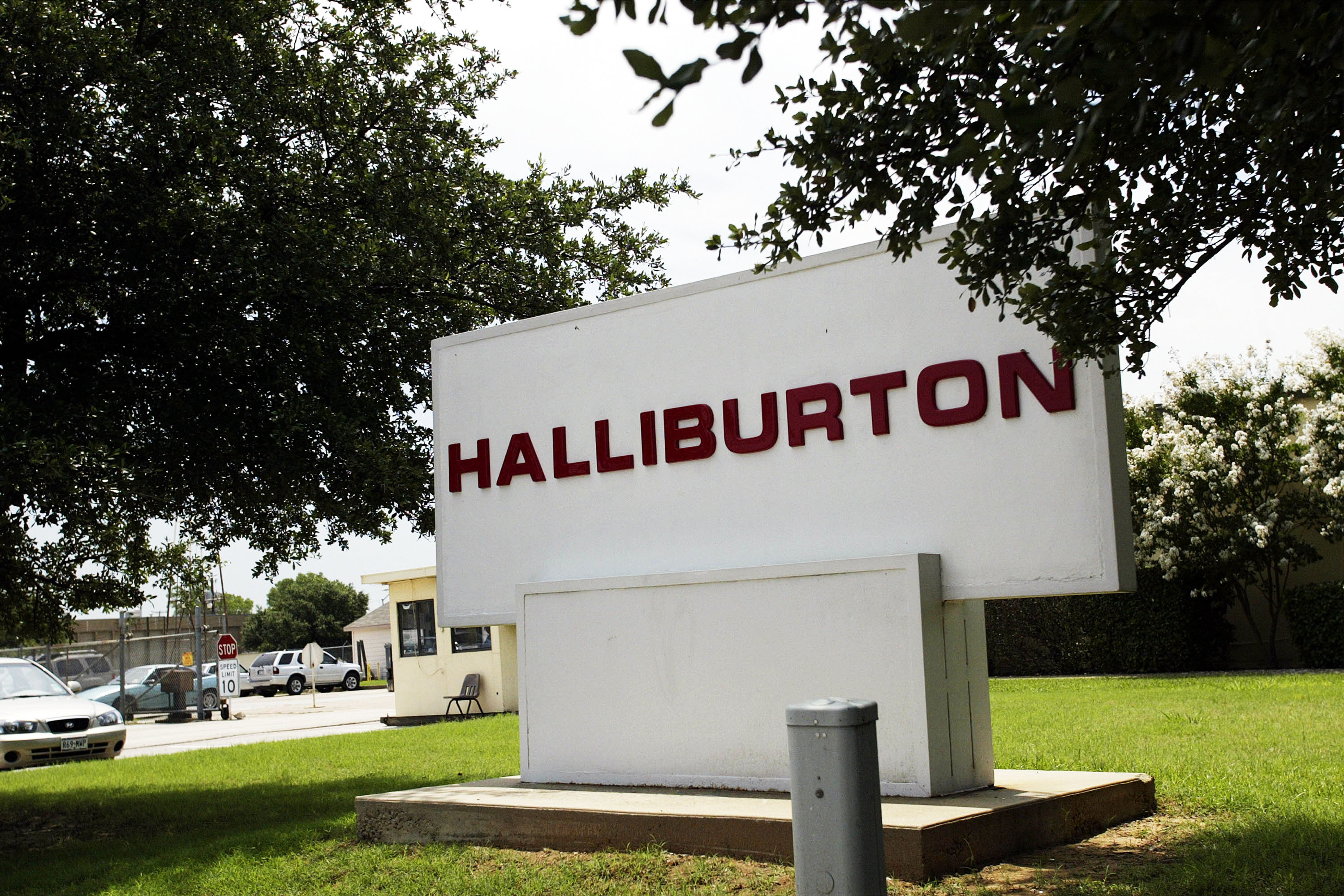
Halliburton Stock Hits Two-Year High as Analysts Remain Bullish

- Stock Surge: Halliburton (HAL) shares rose 3.7% to a peak of $40.36, marking the highest level in nearly two years, reflecting market optimism about its future performance.
- Analyst Rating Upgrade: J.P. Morgan reiterated its Overweight rating on Halliburton, raising the price target from $35 to $40, indicating confidence in the company's Q1 performance despite tensions in the Middle East.
- Stable Earnings Outlook: While analysts expect potential impacts from the Middle East conflict and adverse winter weather on Q1 results, Halliburton's guidance remains optimistic, with revenue and profit projections aligning with Wall Street estimates.
- Competitor Performance Comparison: In contrast to Halliburton, primary competitor Schlumberger (SLB) pre-announced a Q1 EPS shortfall of $0.06 to $0.09, further highlighting Halliburton's relative strength in the current market environment.
See More

US Stocks Decline as Oil Prices Surge Amid Iran Conflict


- Market Sentiment Declines: The S&P 500 and Nasdaq 100 fell by 0.79% and 1.12%, respectively, reaching 6.75-month lows, reflecting investor concerns about the global economic outlook amid escalating tensions in Iran.
- Rising Inflation Expectations: The University of Michigan's consumer sentiment index was revised down to 53.3 from 55.5, below expectations, while 1-year inflation expectations increased to 3.8%, indicating market fears of rising prices that could prompt the Fed to tighten monetary policy.
- Surging Energy Prices: Crude oil prices rose over 3% due to disruptions in global oil supply caused by the Iran conflict, with the IEA warning that the war could cut global oil supply by 8 million barrels per day, exacerbating inflationary pressures.
- US-China Trade Tensions: China launched investigations into US trade practices in retaliation for similar probes by the Trump administration, potentially impacting global supply chains and increasing market uncertainty, further undermining investor confidence.
See More

Halliburton (HAL.US) Officer Plans to Sell $6.34 Million in Common Stock via Form 144
Share Sale Announcement: Officer Miller Jeffery Allen intends to sell 158.46K shares of Halliburton (HAL.US) on March 27, with a total market value of approximately $6.34 million.
Reduction in Holdings: Jeffery Allen has reduced his shareholding in Halliburton by 171.2K shares since January 23, 2026, with a total value of approximately $5.99 million.
See More
Asia-Pacific Markets Decline Amid Uncertainty Over Middle East Peace Talks


- Market Volatility: Asia-Pacific markets fell broadly on Friday following a volatile session on Wall Street, with South Korea's Kospi index dropping 3.6%, reflecting investor anxiety over the uncertain situation in the Middle East.
- Oil Price Decline: Oil prices fell as tensions in the Middle East eased, with West Texas Intermediate dropping 1.8% to $92.82 per barrel, indicating a more optimistic outlook on future supply.
- U.S. Futures Rise: Despite major indexes closing lower on Thursday, with the S&P 500 down 1.7%, Dow Jones Industrial Average futures rose by 175 points, or 0.4%, showing market response to the decline in oil prices.
- China's Industrial Profit Data: China is set to release industrial profit figures for the first two months of 2026 on Friday, which will provide early insights into the financial health of the manufacturing sector amid intense competition and sluggish demand.
See More
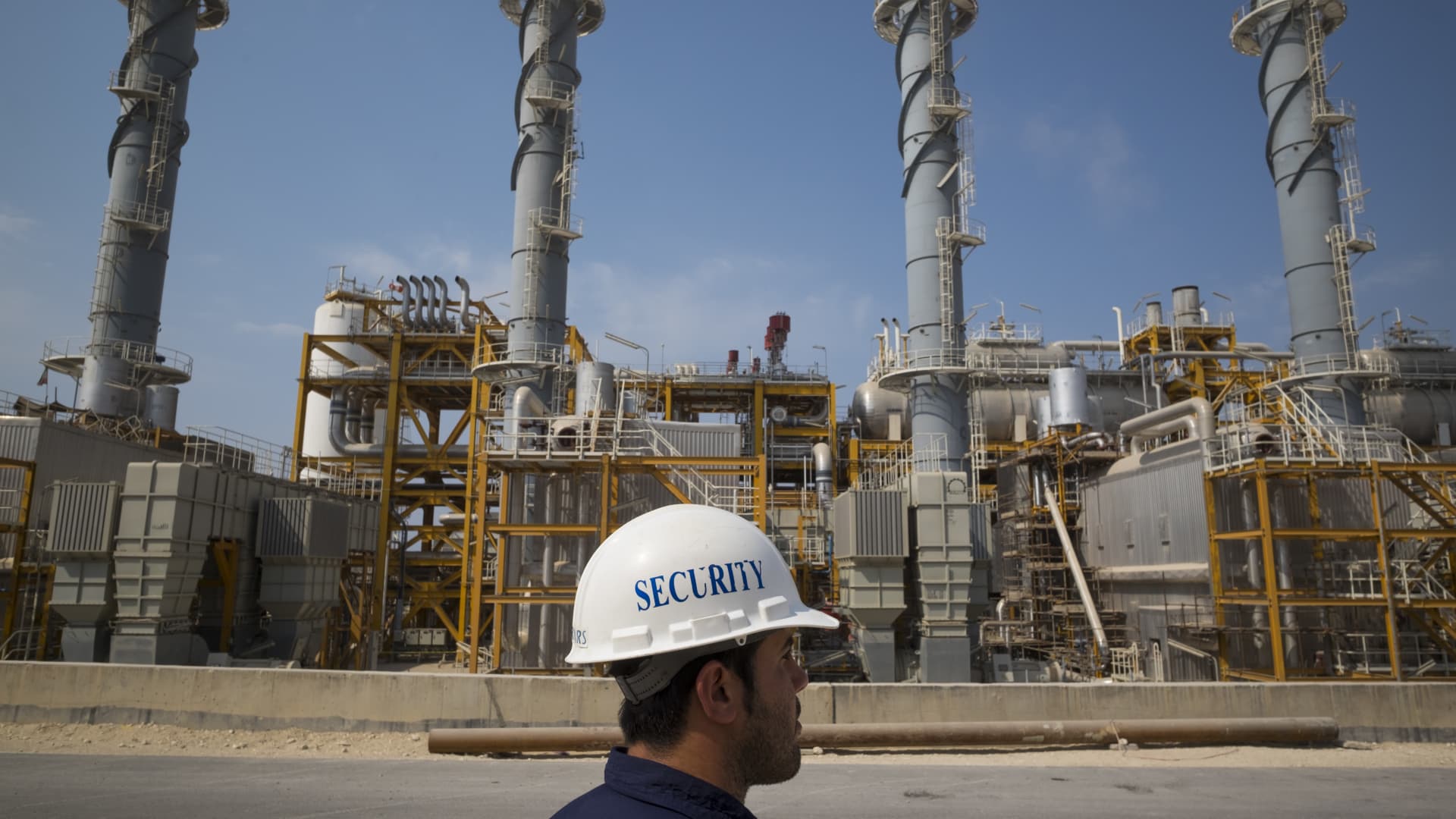
Oil Price Volatility and Market Expectations Analysis


- Increased Market Volatility: Since the onset of the U.S.-Iran war, oil prices have experienced significant volatility, with Brent crude futures hovering around $99 per barrel, reflecting a nearly 36% increase compared to pre-war levels, indicating a risk premium in the market due to the conflict.
- Futures Market Backwardation: The oil market has entered a state of backwardation, where near-term futures contracts are priced higher than those for later delivery, suggesting that the market views the current price surge as temporary and anticipates a resolution to the conflict, reflecting cautious optimism.
- Impact of Infrastructure Damage: While the market expects future oil prices to decline, the destruction of energy infrastructure during the conflict will require time to repair, potentially leading to long-term supply constraints that could affect market pricing dynamics.
- Emergence of Risk Premium: Analysts note that despite bearish expectations for future oil prices, current volatility and risk are still priced in, with Brent crude futures for December delivery priced at approximately $79.70, representing a 17% decline from current prices but still about 10% higher than pre-conflict levels.
See More

HALLIBURTON CO: BMO Increases Price Target from $39 to $42
- Price Increase Announcement: Halliburton has raised its target price from $39 to $42.
- Market Impact: This adjustment reflects changes in market conditions and expectations for Halliburton's performance.
See More
Halliburton Stock Hits Two-Year High as Analysts Remain Bullish
- Stock Surge: Halliburton (HAL) shares rose 3.7% to a peak of $40.36, marking the highest level in nearly two years, reflecting market optimism about its future performance.
- Analyst Rating Upgrade: J.P. Morgan reiterated its Overweight rating on Halliburton, raising the price target from $35 to $40, indicating confidence in the company's Q1 performance despite tensions in the Middle East.
- Stable Earnings Outlook: While analysts expect potential impacts from the Middle East conflict and adverse winter weather on Q1 results, Halliburton's guidance remains optimistic, with revenue and profit projections aligning with Wall Street estimates.
- Competitor Performance Comparison: In contrast to Halliburton, primary competitor Schlumberger (SLB) pre-announced a Q1 EPS shortfall of $0.06 to $0.09, further highlighting Halliburton's relative strength in the current market environment.
See More
US Stocks Decline as Oil Prices Surge Amid Iran Conflict
- Market Sentiment Declines: The S&P 500 and Nasdaq 100 fell by 0.79% and 1.12%, respectively, reaching 6.75-month lows, reflecting investor concerns about the global economic outlook amid escalating tensions in Iran.
- Rising Inflation Expectations: The University of Michigan's consumer sentiment index was revised down to 53.3 from 55.5, below expectations, while 1-year inflation expectations increased to 3.8%, indicating market fears of rising prices that could prompt the Fed to tighten monetary policy.
- Surging Energy Prices: Crude oil prices rose over 3% due to disruptions in global oil supply caused by the Iran conflict, with the IEA warning that the war could cut global oil supply by 8 million barrels per day, exacerbating inflationary pressures.
- US-China Trade Tensions: China launched investigations into US trade practices in retaliation for similar probes by the Trump administration, potentially impacting global supply chains and increasing market uncertainty, further undermining investor confidence.
See More
Halliburton (HAL.US) Officer Plans to Sell $6.34 Million in Common Stock via Form 144
Share Sale Announcement: Officer Miller Jeffery Allen intends to sell 158.46K shares of Halliburton (HAL.US) on March 27, with a total market value of approximately $6.34 million.
Reduction in Holdings: Jeffery Allen has reduced his shareholding in Halliburton by 171.2K shares since January 23, 2026, with a total value of approximately $5.99 million.
See More
Asia-Pacific Markets Decline Amid Uncertainty Over Middle East Peace Talks
- Market Volatility: Asia-Pacific markets fell broadly on Friday following a volatile session on Wall Street, with South Korea's Kospi index dropping 3.6%, reflecting investor anxiety over the uncertain situation in the Middle East.
- Oil Price Decline: Oil prices fell as tensions in the Middle East eased, with West Texas Intermediate dropping 1.8% to $92.82 per barrel, indicating a more optimistic outlook on future supply.
- U.S. Futures Rise: Despite major indexes closing lower on Thursday, with the S&P 500 down 1.7%, Dow Jones Industrial Average futures rose by 175 points, or 0.4%, showing market response to the decline in oil prices.
- China's Industrial Profit Data: China is set to release industrial profit figures for the first two months of 2026 on Friday, which will provide early insights into the financial health of the manufacturing sector amid intense competition and sluggish demand.
See More
Oil Price Volatility and Market Expectations Analysis
- Increased Market Volatility: Since the onset of the U.S.-Iran war, oil prices have experienced significant volatility, with Brent crude futures hovering around $99 per barrel, reflecting a nearly 36% increase compared to pre-war levels, indicating a risk premium in the market due to the conflict.
- Futures Market Backwardation: The oil market has entered a state of backwardation, where near-term futures contracts are priced higher than those for later delivery, suggesting that the market views the current price surge as temporary and anticipates a resolution to the conflict, reflecting cautious optimism.
- Impact of Infrastructure Damage: While the market expects future oil prices to decline, the destruction of energy infrastructure during the conflict will require time to repair, potentially leading to long-term supply constraints that could affect market pricing dynamics.
- Emergence of Risk Premium: Analysts note that despite bearish expectations for future oil prices, current volatility and risk are still priced in, with Brent crude futures for December delivery priced at approximately $79.70, representing a 17% decline from current prices but still about 10% higher than pre-conflict levels.
See More
HALLIBURTON CO: BMO Increases Price Target from $39 to $42
- Price Increase Announcement: Halliburton has raised its target price from $39 to $42.
- Market Impact: This adjustment reflects changes in market conditions and expectations for Halliburton's performance.
See More