Greg Abel's Investment Strategy as Buffett's Successor
Written by Emily J. Thompson, Senior Investment Analyst
Updated: May 23 2026
0mins

Source: Fool
- Portfolio Changes: New CEO Greg Abel exited 16 stock positions in his first quarter, indicating a shift in investment strategy from Warren Buffett, which may influence market expectations regarding Berkshire's future investment direction.
- Coca-Cola Investment: Abel and Buffett's shared confidence in Coca-Cola, with 400 million shares generating approximately $800 million in annual income and boasting 64 consecutive years of dividend growth, underscores its significance for stable income and capital appreciation.
- Alphabet Stake Increase: Abel tripled Berkshire's stake in Alphabet from 17.8 million to 57.8 million shares, making it the fifth-largest position worth $26 billion, reflecting a reassessment of technology stocks and their growth potential.
- Ally Financial Outlook: Although Ally Financial's stock performance has been modest, projected revenue growth of around 20% and strong buy ratings from analysts indicate confidence in its potential within the emerging online banking sector.
Trade with 70% Backtested Accuracy
Stop guessing "Should I Buy KO?" and start using high-conviction signals backed by rigorous historical data.
Sign up today to access powerful investing tools and make smarter, data-driven decisions.
Analyst Views on KO
Wall Street analysts forecast KO stock price to fall
14 Analyst Rating
13 Buy
1 Hold
0 Sell
Strong Buy
Current: 80.410

Low
71.00
Averages
79.33
High
85.00
Current: 80.410
Low
71.00
Averages
79.33
High
85.00
About KO
The Coca-Cola Company is a beverage company. The Company's segments include Europe, Middle East and Africa (EMEA); Latin America; North America; Asia Pacific, and Bottling Investments. It sells multiple brands across several beverage categories worldwide. Its portfolio of sparkling soft drink brands includes Coca-Cola, Sprite and Fanta. Its water, sports, coffee and tea brands include Dasani, smartwater, vitaminwater, Topo Chico, BODYARMOR, Powerade, Costa, Georgia, Fuze Tea, Gold Peak and Ayataka. Its juice, value-added dairy and plant-based beverage brands include Minute Maid, Simply, innocent, Del Valle, fairlife and Santa Clara. It operates in two lines of business: concentrate operations and finished product operations. Its concentrate operations sell beverage concentrates, syrups, including fountain syrups, and certain finished beverages to authorized bottling operations. Its finished product operations sell sparkling soft drinks and a variety of other finished beverages.
About the author

Emily J. Thompson
Emily J. Thompson, a Chartered Financial Analyst (CFA) with 12 years in investment research, graduated with honors from the Wharton School. Specializing in industrial and technology stocks, she provides in-depth analysis for Intellectia’s earnings and market brief reports.

Buffett's Transition Leaves Berkshire Hathaway's Future Bright


- Buffett's Transformational Success: Under Buffett's leadership, Berkshire Hathaway evolved from a struggling textile manufacturer in 1965 to a $1 trillion conglomerate, showcasing exceptional investment acumen and management prowess that will continue to influence global markets.
- Successor's Strategic Continuity: New CEO Greg Abel, who worked alongside Buffett for over 20 years, is expected to maintain the investment strategy focused on stable growth and shareholder-friendly companies, ensuring Berkshire's long-term success.
- Apple Investment Returns: Berkshire's investment in Apple reached $38 billion from 2016 to 2023, with a valuation exceeding $170 billion by early 2024; despite selling 75% of its stake, it still represents 21.5% of its portfolio, with projected dividends of $243.9 million in 2026.
- Dividend Contributions from Coca-Cola and American Express: Coca-Cola and American Express are set to contribute $848 million and $556.4 million in dividends to Berkshire, respectively, highlighting the company's strong cash flow and long-term investment returns, further solidifying its financial foundation.
See More
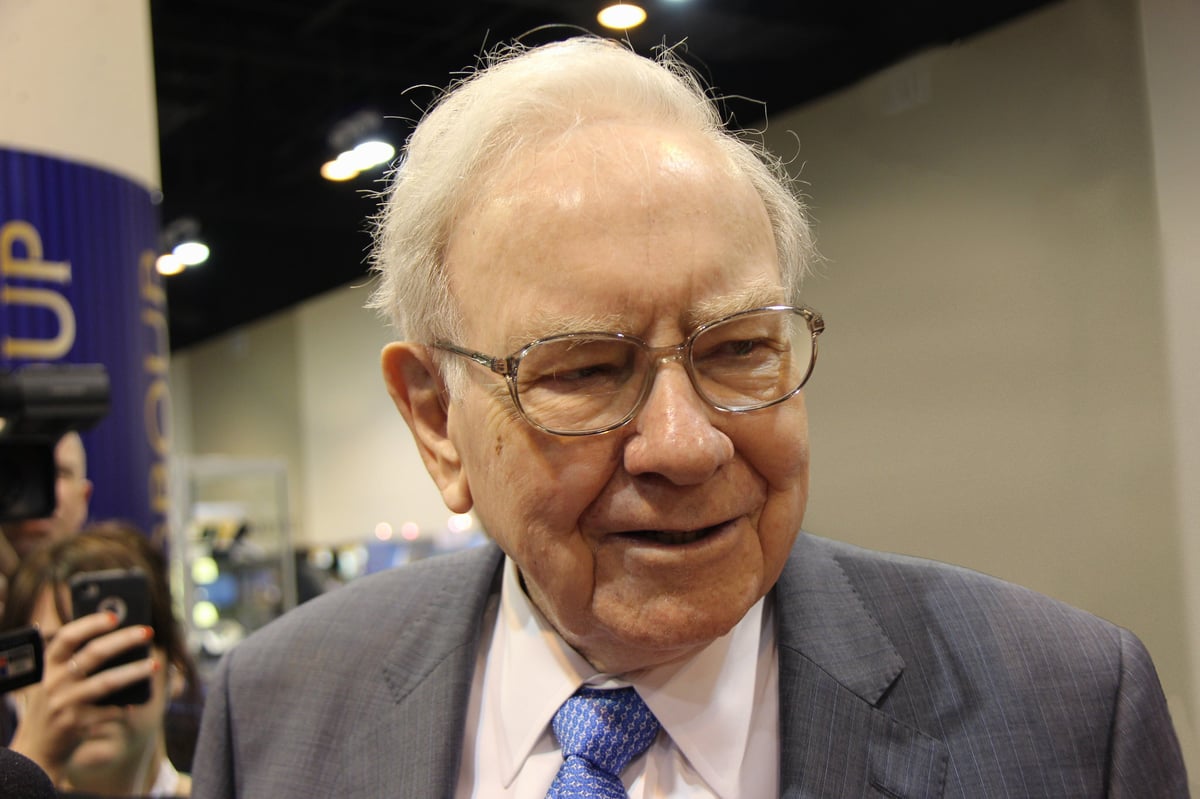
Buffett's Dividend Investment Strategy
- Dividend Potential: Berkshire Hathaway is projected to earn $243.9 million in dividends from Apple in 2026, reflecting its holding of 227.9 million shares, which underscores the company's strong capability in generating stable income and solidifies its investment position in the tech sector.
- American Express Returns: American Express is expected to contribute $556.4 million in dividends to Berkshire in 2026, based on its holding of 151.6 million shares, demonstrating the company's robust performance in the financial services sector and reflecting Buffett's confidence in long-term investments.
- Coca-Cola's Consistent Returns: Coca-Cola is projected to deliver $848 million in dividends to Berkshire in 2026, based on its 400 million shares, indicating the company's strong cash flow and shareholder return strategy in the consumer goods sector, which further enhances Berkshire's portfolio diversity.
- Investment Strategy Continuity: New CEO Greg Abel is likely to continue Buffett's investment strategy, focusing on companies with steady growth and shareholder-friendly initiatives, which will help Berkshire achieve sustainable capital appreciation and dividend income in the future.
See More
Preparing for Economic Recession: Resilient Stock Picks

- Consumer Resilience: Coca-Cola and Procter & Gamble, both Dividend Kings, maintain high dividend yields of 2.6% and 2.9% respectively, showcasing their robust business models and market adaptability, which help stabilize cash flow during economic downturns.
- Healthcare Sector Stability: Johnson & Johnson and Medtronic also demonstrate strong performance in the healthcare sector, offering dividend yields of 2.3% and 3.6%, indicating that the inelastic demand for medical care allows these companies to remain profitable amid economic fluctuations.
- Valuation Insights: Coca-Cola's price-to-earnings ratio is slightly below its five-year average, suggesting reasonable pricing, while Procter & Gamble's P/E is even lower, indicating potential undervaluation that may attract value investors.
- Portfolio Strategy: Given the increasing risk of economic recession, investors are advised to consider adding these resilient consumer and healthcare stocks to their portfolios to mitigate potential economic downturn risks.
See More

Resilient Stocks to Consider Amid Recession Fears
- Resilient Sector Focus: In light of impending economic recessions, investors are advised to concentrate on resilient sectors such as consumer staples and healthcare, which maintain stable cash flows and profitability by selling essential everyday products even during downturns.
- Coca-Cola and Procter & Gamble: Both companies, recognized as 'Dividend Kings', offer dividend yields of 2.6% and 2.9% respectively, with their price-to-earnings ratios currently below their five-year averages, indicating that their stock prices are reasonably valued and suitable for income-seeking investors.
- Strong Healthcare Options: Johnson & Johnson and Medtronic also demonstrate resilience in the healthcare sector, with dividend yields of 2.3% and 3.6% respectively; while J&J's P/E is above its five-year average, its diversified operations provide investors with effective risk management.
- Medtronic's Growth Potential: Medtronic achieved its highest revenue growth rate in ten quarters during Q3 of fiscal 2026, and although the company is undergoing restructuring to enhance innovation, its attractive dividend yield compensates investors for their patience during this transition.
See More
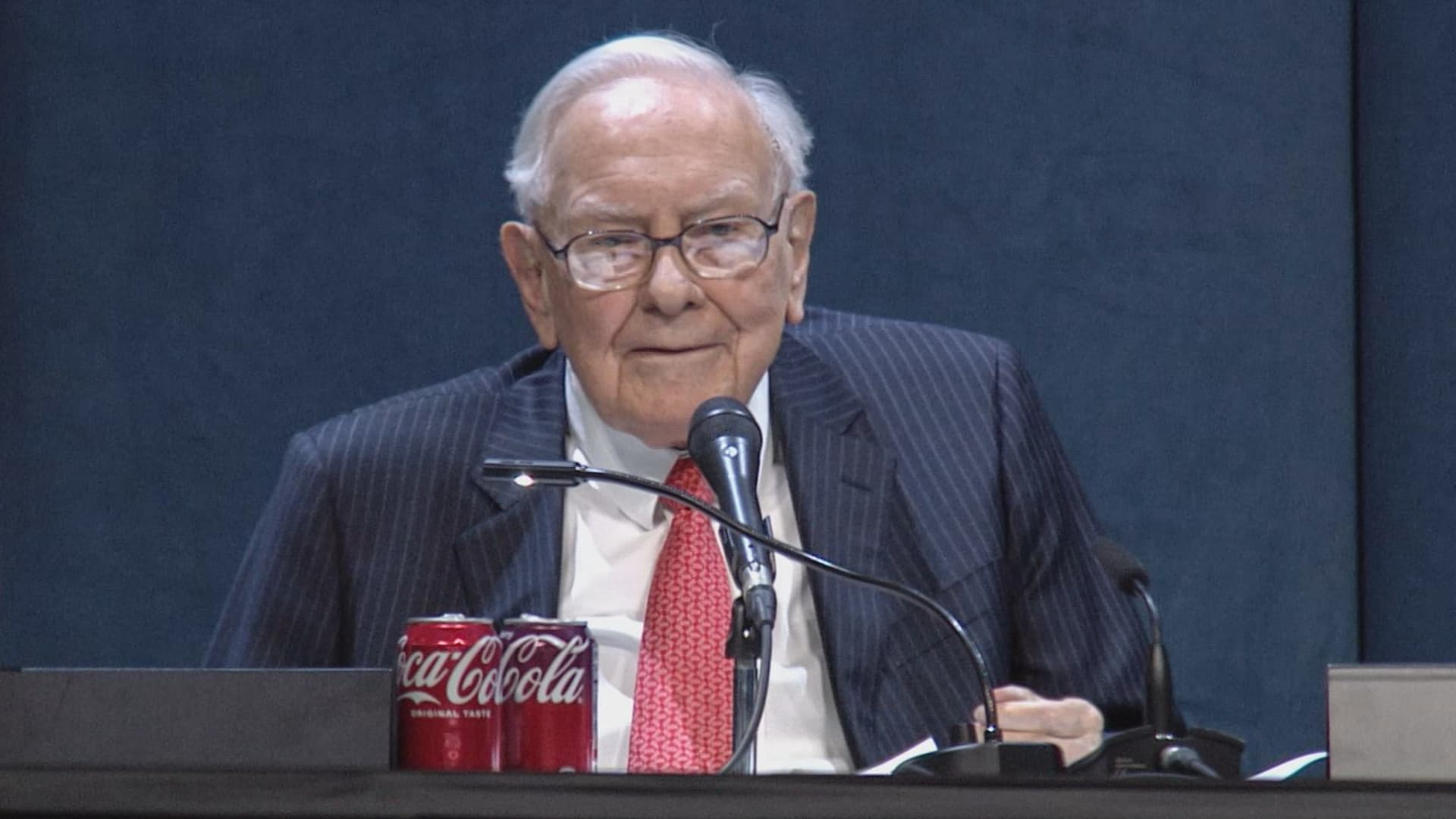
Berkshire Trails S&P by Largest Margin This Year

- Stock Performance Gap: As of May 2026, Berkshire Hathaway's B shares lagged the S&P 500 by 16.3 percentage points year-to-date, marking the largest gap this year, highlighting the stark contrast between the market's enthusiasm for tech stocks and Berkshire's conservative investment strategy.
- Cash Reserve Status: Berkshire reported cash reserves of $397.4 billion as of March 31, up 6.5% from the end of last year, indicating a robust financial position amid market volatility, yet limiting its opportunities for investment in the rapidly growing AI sector.
- AI Investment Dynamics: New CEO Greg Abel tripled the company's stake in Alphabet to nearly $22 billion in Q1, making it the fifth-largest equity holding, although overall AI exposure remains relatively small, reflecting a cautious approach towards emerging technologies.
- Rail Merger Regulatory Delay: The U.S. Surface Transportation Board has paused its review of the proposed $85 billion merger between Union Pacific and Norfolk Southern, requesting additional information, which could delay a final decision until fall 2027; Berkshire's BNSF has opposed the merger, citing anti-competitive concerns.
See More
Walmart's Dividend Growth Amid Stock Price Decline

- Stable Dividend Growth: Walmart has increased its dividend for 53 consecutive years, demonstrating its reliability as a Dividend King, and while the dividend yield is only 0.8%, the consistent returns attract long-term investors.
- Stock Price Volatility: Despite meeting expectations for Q1 FY2027, Walmart's stock price dropped over 9% from May 20 to 26 due to a cautious outlook, reflecting market concerns over rising fuel costs impacting operations and consumer spending.
- Technology-Driven Growth: The introduction of the Walmart+ subscription plan has proven successful, with members spending four times more than non-members, and the quarterly revenue from membership fees increased by double digits, showcasing effective service transformation.
- Advertising Revenue Surge: Advertising revenue grew by 36% this quarter, becoming a significant part of Walmart's income, and combined with online sales and subscription services, it creates a sustainable revenue growth model that enhances the company's future profitability.
See More
Buffett's Transition Leaves Berkshire Hathaway's Future Bright
- Buffett's Transformational Success: Under Buffett's leadership, Berkshire Hathaway evolved from a struggling textile manufacturer in 1965 to a $1 trillion conglomerate, showcasing exceptional investment acumen and management prowess that will continue to influence global markets.
- Successor's Strategic Continuity: New CEO Greg Abel, who worked alongside Buffett for over 20 years, is expected to maintain the investment strategy focused on stable growth and shareholder-friendly companies, ensuring Berkshire's long-term success.
- Apple Investment Returns: Berkshire's investment in Apple reached $38 billion from 2016 to 2023, with a valuation exceeding $170 billion by early 2024; despite selling 75% of its stake, it still represents 21.5% of its portfolio, with projected dividends of $243.9 million in 2026.
- Dividend Contributions from Coca-Cola and American Express: Coca-Cola and American Express are set to contribute $848 million and $556.4 million in dividends to Berkshire, respectively, highlighting the company's strong cash flow and long-term investment returns, further solidifying its financial foundation.
See More
Buffett's Dividend Investment Strategy
- Dividend Potential: Berkshire Hathaway is projected to earn $243.9 million in dividends from Apple in 2026, reflecting its holding of 227.9 million shares, which underscores the company's strong capability in generating stable income and solidifies its investment position in the tech sector.
- American Express Returns: American Express is expected to contribute $556.4 million in dividends to Berkshire in 2026, based on its holding of 151.6 million shares, demonstrating the company's robust performance in the financial services sector and reflecting Buffett's confidence in long-term investments.
- Coca-Cola's Consistent Returns: Coca-Cola is projected to deliver $848 million in dividends to Berkshire in 2026, based on its 400 million shares, indicating the company's strong cash flow and shareholder return strategy in the consumer goods sector, which further enhances Berkshire's portfolio diversity.
- Investment Strategy Continuity: New CEO Greg Abel is likely to continue Buffett's investment strategy, focusing on companies with steady growth and shareholder-friendly initiatives, which will help Berkshire achieve sustainable capital appreciation and dividend income in the future.
See More
Preparing for Economic Recession: Resilient Stock Picks
- Consumer Resilience: Coca-Cola and Procter & Gamble, both Dividend Kings, maintain high dividend yields of 2.6% and 2.9% respectively, showcasing their robust business models and market adaptability, which help stabilize cash flow during economic downturns.
- Healthcare Sector Stability: Johnson & Johnson and Medtronic also demonstrate strong performance in the healthcare sector, offering dividend yields of 2.3% and 3.6%, indicating that the inelastic demand for medical care allows these companies to remain profitable amid economic fluctuations.
- Valuation Insights: Coca-Cola's price-to-earnings ratio is slightly below its five-year average, suggesting reasonable pricing, while Procter & Gamble's P/E is even lower, indicating potential undervaluation that may attract value investors.
- Portfolio Strategy: Given the increasing risk of economic recession, investors are advised to consider adding these resilient consumer and healthcare stocks to their portfolios to mitigate potential economic downturn risks.
See More
Resilient Stocks to Consider Amid Recession Fears
- Resilient Sector Focus: In light of impending economic recessions, investors are advised to concentrate on resilient sectors such as consumer staples and healthcare, which maintain stable cash flows and profitability by selling essential everyday products even during downturns.
- Coca-Cola and Procter & Gamble: Both companies, recognized as 'Dividend Kings', offer dividend yields of 2.6% and 2.9% respectively, with their price-to-earnings ratios currently below their five-year averages, indicating that their stock prices are reasonably valued and suitable for income-seeking investors.
- Strong Healthcare Options: Johnson & Johnson and Medtronic also demonstrate resilience in the healthcare sector, with dividend yields of 2.3% and 3.6% respectively; while J&J's P/E is above its five-year average, its diversified operations provide investors with effective risk management.
- Medtronic's Growth Potential: Medtronic achieved its highest revenue growth rate in ten quarters during Q3 of fiscal 2026, and although the company is undergoing restructuring to enhance innovation, its attractive dividend yield compensates investors for their patience during this transition.
See More
Berkshire Trails S&P by Largest Margin This Year
- Stock Performance Gap: As of May 2026, Berkshire Hathaway's B shares lagged the S&P 500 by 16.3 percentage points year-to-date, marking the largest gap this year, highlighting the stark contrast between the market's enthusiasm for tech stocks and Berkshire's conservative investment strategy.
- Cash Reserve Status: Berkshire reported cash reserves of $397.4 billion as of March 31, up 6.5% from the end of last year, indicating a robust financial position amid market volatility, yet limiting its opportunities for investment in the rapidly growing AI sector.
- AI Investment Dynamics: New CEO Greg Abel tripled the company's stake in Alphabet to nearly $22 billion in Q1, making it the fifth-largest equity holding, although overall AI exposure remains relatively small, reflecting a cautious approach towards emerging technologies.
- Rail Merger Regulatory Delay: The U.S. Surface Transportation Board has paused its review of the proposed $85 billion merger between Union Pacific and Norfolk Southern, requesting additional information, which could delay a final decision until fall 2027; Berkshire's BNSF has opposed the merger, citing anti-competitive concerns.
See More
Walmart's Dividend Growth Amid Stock Price Decline
- Stable Dividend Growth: Walmart has increased its dividend for 53 consecutive years, demonstrating its reliability as a Dividend King, and while the dividend yield is only 0.8%, the consistent returns attract long-term investors.
- Stock Price Volatility: Despite meeting expectations for Q1 FY2027, Walmart's stock price dropped over 9% from May 20 to 26 due to a cautious outlook, reflecting market concerns over rising fuel costs impacting operations and consumer spending.
- Technology-Driven Growth: The introduction of the Walmart+ subscription plan has proven successful, with members spending four times more than non-members, and the quarterly revenue from membership fees increased by double digits, showcasing effective service transformation.
- Advertising Revenue Surge: Advertising revenue grew by 36% this quarter, becoming a significant part of Walmart's income, and combined with online sales and subscription services, it creates a sustainable revenue growth model that enhances the company's future profitability.
See More