Green Plains and Albemarle See Surge in Options Trading Volume
Written by Emily J. Thompson, Senior Investment Analyst
Updated: Jan 21 2026
0mins

Should l Buy ALB?
Source: NASDAQ.COM
- Green Plains Options Activity: Green Plains Inc. recorded options trading volume of 5,636 contracts, equivalent to approximately 563,600 shares, representing about 49.9% of its average daily trading volume of 1.1 million shares over the past month, indicating heightened market interest in its future performance.
- High Volume Insights: Notably, the $14 strike call option expiring on February 20, 2026, saw 5,151 contracts traded today, representing around 515,100 underlying shares, suggesting strong bullish sentiment among investors regarding the stock's potential upside.
- Albemarle Options Surge: Albemarle Corp. experienced options trading volume of 15,719 contracts, translating to approximately 1.6 million shares, or about 48.4% of its average daily trading volume of 3.2 million shares over the past month, reflecting active market engagement with its stock.
- Key Call Option Activity: The $200 strike call option expiring on March 20, 2026, recorded a trading volume of 5,440 contracts today, representing approximately 544,000 shares, indicating investor confidence in Albemarle's future growth prospects.
Trade with 70% Backtested Accuracy
Stop guessing "Should I Buy ALB?" and start using high-conviction signals backed by rigorous historical data.
Sign up today to access powerful investing tools and make smarter, data-driven decisions.
Analyst Views on ALB
Wall Street analysts forecast ALB stock price to fall
20 Analyst Rating
10 Buy
10 Hold
0 Sell
Moderate Buy
Current: 194.830

Low
85.00
Averages
149.79
High
210.00
Current: 194.830
Low
85.00
Averages
149.79
High
210.00
About ALB
Albemarle Corporation is engaged in transforming essential resources into critical ingredients for mobility, energy, connectivity, and health. The Company’s segments include Energy Storage, Specialties, and Ketjen. The Company's Energy Storage segment develops and manufactures a range of basic lithium compounds, including lithium carbonate, lithium hydroxide, and lithium chloride. Its Specialties segment optimizes its portfolio of bromine and highly specialized lithium solutions. Its Specialties segment serves a variety of industries, including energy, mobility, connectivity, and health. Specialty products are essential in both internal combustion and electric vehicles, from high-voltage cables and powertrains to airbags and tires. Its lithium specialties business also provides technical services, including the handling and use of reactive lithium products. Its Ketjen segment includes performance catalyst solutions and a 49% ownership interest in a refining solutions joint venture.
About the author

Emily J. Thompson
Emily J. Thompson, a Chartered Financial Analyst (CFA) with 12 years in investment research, graduated with honors from the Wharton School. Specializing in industrial and technology stocks, she provides in-depth analysis for Intellectia’s earnings and market brief reports.
Albemarle Stock Drops 8.3% After Analyst Downgrade Following Strong Performance

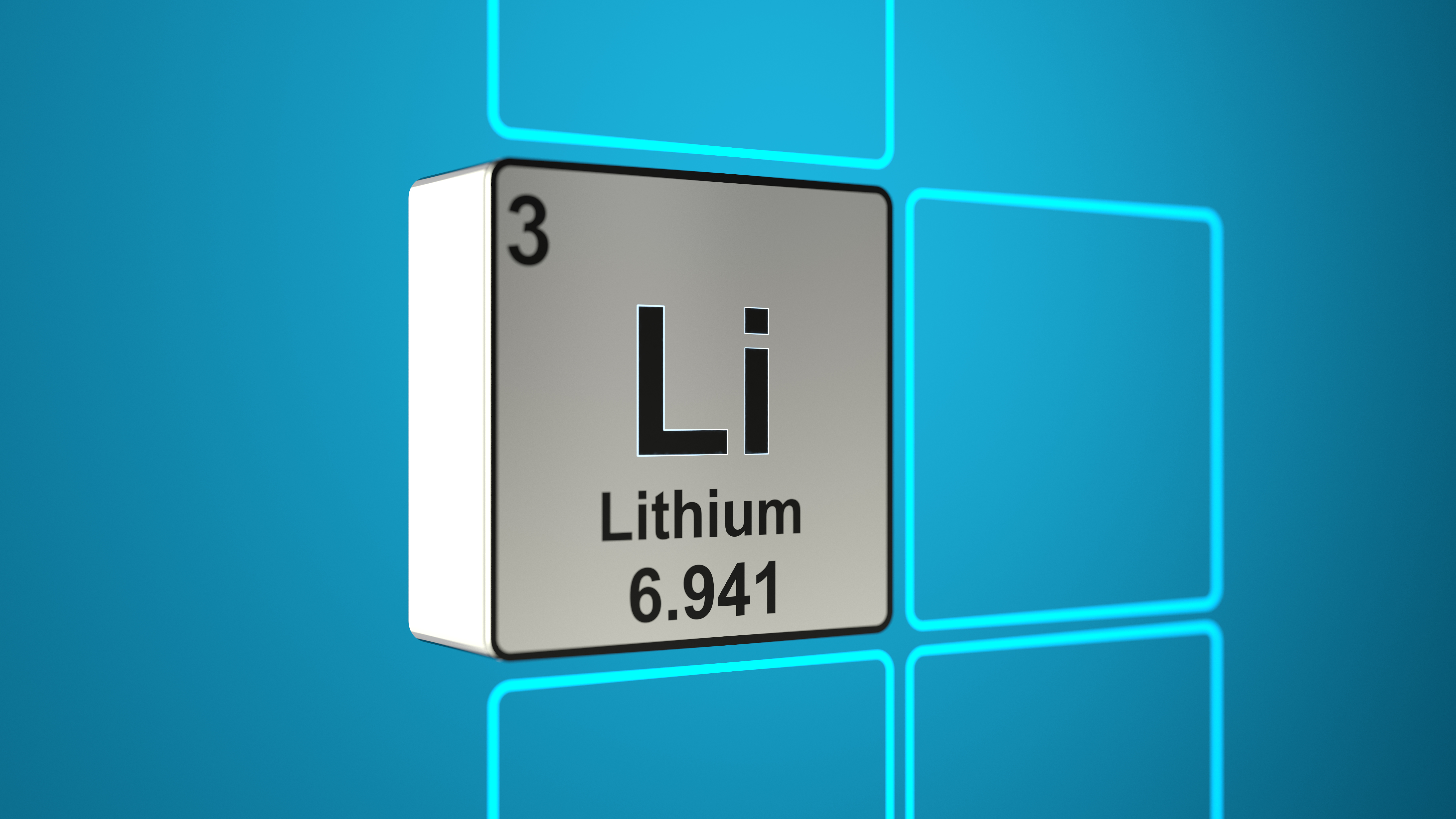
- Stock Fluctuation: Albemarle (ALB) experienced an 8.3% drop in Friday's trading after a 16% surge the previous day, driven by a rebound in global lithium prices, indicating strong market interest in lithium demand.
- Analyst Insights: Baird analyst Ben Kallo highlighted that Albemarle's performance was linked to strong results from Chinese competitor CATL, but due to a more than 40% year-to-date stock appreciation, he downgraded the rating from Buy to Neutral with a $210 price target.
- Market Challenges: Kallo noted that CATL's bullish outlook poses long-term challenges for Albemarle, and the company's decision to create a minerals subsidiary suggests that China will continue to control this segment of the value chain, potentially impacting long-term visibility.
- Price Expectations: While CATL's optimistic view on lithium demand suggests strong pricing power, Kallo believes that future increases in lithium prices will likely incentivize additional supply, tempering the upside potential for prices, reflecting the complexities of market supply and demand dynamics.
See More

US Stocks Surge as Oil Prices Plunge Amid Peace Talks


- Market Rally: The S&P 500 rose 1.20% and the Nasdaq 100 increased by 1.29%, reaching all-time highs, reflecting investor optimism regarding US-Iran peace talks, which may enhance risk appetite in the markets.
- Oil Price Plunge: WTI crude prices fell over 11% to a five-week low after Iran announced the Strait of Hormuz is fully open, easing inflation concerns and causing the 10-year T-note yield to drop 7 basis points to 4.24%.
- Strong Earnings Season: The earnings season started robustly, with 81% of the 48 S&P 500 companies reporting Q1 earnings exceeding estimates, projecting a 12% year-over-year increase in earnings, providing strong support for the stock market.
- Airline Stocks Surge: Airline stocks surged as fuel costs decreased, with Alaska Air Group (ALK) rising over 10% and Royal Caribbean Cruises Ltd (RCL) up more than 7%, indicating market confidence in the recovery of the airline industry.
See More

Albemarle Shares Drop 8.29% Amid Earnings Anticipation
- Stock Movement: Albemarle closed at $197.75, down 8.29% from the previous session, significantly lagging behind the S&P 500's daily gain of 1.2%, indicating market concerns regarding its short-term performance.
- Monthly Performance: Despite the drop, Albemarle has gained 32.07% over the past month, outperforming the Basic Materials sector's 5.12% and the S&P 500's 5.15%, suggesting strong long-term growth potential.
- Earnings Expectations: The company is set to report earnings on May 6, 2026, with analysts forecasting $1 per share, representing a staggering 655.56% year-over-year growth, alongside an expected revenue of $1.28 billion, up 18.97%, which could positively impact investor sentiment.
- Valuation Analysis: Albemarle's forward P/E ratio stands at 26.82, significantly above the industry average of 19.16, while its PEG ratio of 1.68 is slightly below the industry average of 1.8, reflecting high market expectations for its future growth.
See More
US Stocks Rally as Oil Prices Plunge Amid Peace Talks
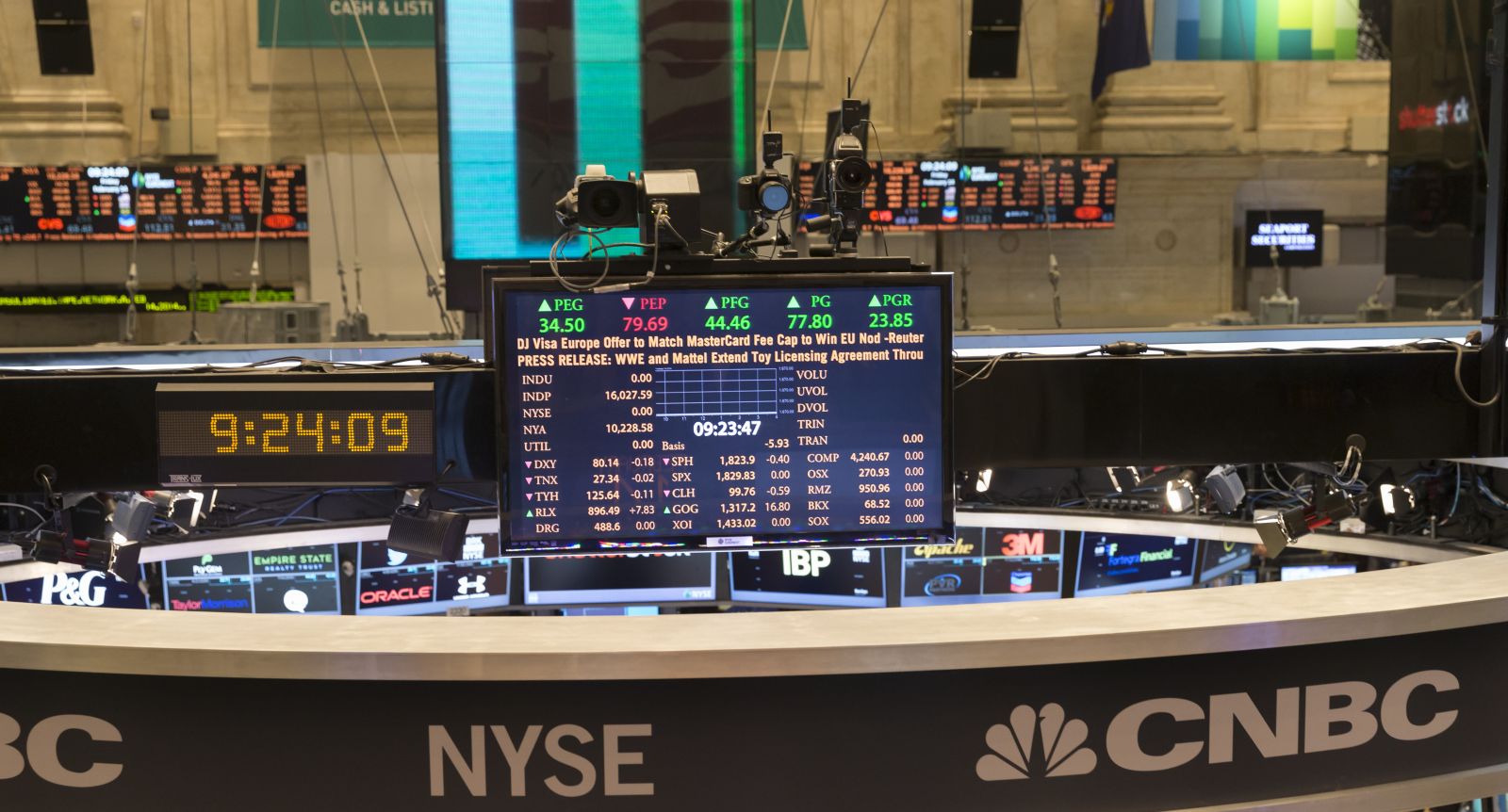
- Market Surge: The S&P 500 rose by 1.28% and the Nasdaq 100 reached an all-time high, reflecting investor optimism driven by peace talks between the US and Iran, which may enhance risk appetite and bolster overall market confidence.
- Oil Price Plunge: WTI crude oil prices fell over 13% to a five-week low after the Strait of Hormuz reopened, easing inflation concerns and causing the 10-year Treasury yield to drop by 8 basis points, further supporting the bond market.
- Earnings Growth Expectations: Q1 earnings for the S&P 500 are projected to increase by 12% year-over-year, although excluding the tech sector, growth is only 3%, indicating resilience in corporate performance amid economic recovery and providing market support.
- Airline Stocks Soar: With reduced fuel costs, Alaska Air Group and United Airlines surged by over 14% and 11%, respectively, demonstrating the positive impact of falling oil prices on the airline industry, which could enhance profitability for related companies.
See More

Energy Stocks Plummet While Travel Stocks Rally

- Energy Stocks Plummet: Energy stocks fell sharply as oil prices dropped over 12% after Iran opened the Strait of Hormuz during the ceasefire between Israel and Lebanon, with APA Corporation down more than 9% and Valero Energy falling over 8.5%, negatively impacting overall confidence in the energy sector.
- Travel Stocks Rally: Following Iran's announcement to open the Strait of Hormuz for commercial shipping, Royal Caribbean surged 9.7%, United Airlines jumped over 9%, and Expedia gained 5%, reflecting optimistic market sentiment regarding travel recovery.
- Critical Metals Surge: Greenland's government approved the transfer of a 50.5% interest in Tanbreez Mining to Critical Metals, increasing its stake in the rare earths mine to 92.5%, which propelled the company's shares up over 40%, highlighting the strategic importance of rare earth resources.
- Netflix Disappoints: Streaming giant Netflix saw its stock drop 9% as it projected second-quarter earnings of 78 cents per share, missing the 84 cents forecast by analysts, compounded by co-founder Reed Hastings' announcement to leave the board in June, further dampening investor confidence.
See More

US Stocks Rise as Oil Prices Plunge
- Market Highs: The S&P 500 rose by 0.87% and the Nasdaq 100 reached an all-time high, reflecting growing investor optimism regarding a potential US-Iran peace deal, which may enhance risk appetite and further boost stock market momentum.
- Oil Price Plunge: WTI crude prices fell over 10% after Iran announced the Strait of Hormuz is now fully open for commercial shipping, easing inflation concerns and contributing to a 6 basis point drop in the 10-year Treasury yield, which invigorates the bond market.
- Earnings Optimism: Q1 earnings for the S&P 500 are projected to increase by 12% year-over-year, although excluding the tech sector, growth is only expected at 3%, yet this overall positive outlook may attract more investor interest and bolster market confidence.
- Airline Stocks Surge: With reduced fuel costs, United Airlines (UAL) shares surged over 10%, while other airlines like Royal Caribbean (RCL) and Alaska Air (ALK) also saw significant gains, indicating strong market confidence in the recovery of the airline industry.
See More
Albemarle Stock Drops 8.3% After Analyst Downgrade Following Strong Performance
- Stock Fluctuation: Albemarle (ALB) experienced an 8.3% drop in Friday's trading after a 16% surge the previous day, driven by a rebound in global lithium prices, indicating strong market interest in lithium demand.
- Analyst Insights: Baird analyst Ben Kallo highlighted that Albemarle's performance was linked to strong results from Chinese competitor CATL, but due to a more than 40% year-to-date stock appreciation, he downgraded the rating from Buy to Neutral with a $210 price target.
- Market Challenges: Kallo noted that CATL's bullish outlook poses long-term challenges for Albemarle, and the company's decision to create a minerals subsidiary suggests that China will continue to control this segment of the value chain, potentially impacting long-term visibility.
- Price Expectations: While CATL's optimistic view on lithium demand suggests strong pricing power, Kallo believes that future increases in lithium prices will likely incentivize additional supply, tempering the upside potential for prices, reflecting the complexities of market supply and demand dynamics.
See More
US Stocks Surge as Oil Prices Plunge Amid Peace Talks
- Market Rally: The S&P 500 rose 1.20% and the Nasdaq 100 increased by 1.29%, reaching all-time highs, reflecting investor optimism regarding US-Iran peace talks, which may enhance risk appetite in the markets.
- Oil Price Plunge: WTI crude prices fell over 11% to a five-week low after Iran announced the Strait of Hormuz is fully open, easing inflation concerns and causing the 10-year T-note yield to drop 7 basis points to 4.24%.
- Strong Earnings Season: The earnings season started robustly, with 81% of the 48 S&P 500 companies reporting Q1 earnings exceeding estimates, projecting a 12% year-over-year increase in earnings, providing strong support for the stock market.
- Airline Stocks Surge: Airline stocks surged as fuel costs decreased, with Alaska Air Group (ALK) rising over 10% and Royal Caribbean Cruises Ltd (RCL) up more than 7%, indicating market confidence in the recovery of the airline industry.
See More
Albemarle Shares Drop 8.29% Amid Earnings Anticipation
- Stock Movement: Albemarle closed at $197.75, down 8.29% from the previous session, significantly lagging behind the S&P 500's daily gain of 1.2%, indicating market concerns regarding its short-term performance.
- Monthly Performance: Despite the drop, Albemarle has gained 32.07% over the past month, outperforming the Basic Materials sector's 5.12% and the S&P 500's 5.15%, suggesting strong long-term growth potential.
- Earnings Expectations: The company is set to report earnings on May 6, 2026, with analysts forecasting $1 per share, representing a staggering 655.56% year-over-year growth, alongside an expected revenue of $1.28 billion, up 18.97%, which could positively impact investor sentiment.
- Valuation Analysis: Albemarle's forward P/E ratio stands at 26.82, significantly above the industry average of 19.16, while its PEG ratio of 1.68 is slightly below the industry average of 1.8, reflecting high market expectations for its future growth.
See More
US Stocks Rally as Oil Prices Plunge Amid Peace Talks
- Market Surge: The S&P 500 rose by 1.28% and the Nasdaq 100 reached an all-time high, reflecting investor optimism driven by peace talks between the US and Iran, which may enhance risk appetite and bolster overall market confidence.
- Oil Price Plunge: WTI crude oil prices fell over 13% to a five-week low after the Strait of Hormuz reopened, easing inflation concerns and causing the 10-year Treasury yield to drop by 8 basis points, further supporting the bond market.
- Earnings Growth Expectations: Q1 earnings for the S&P 500 are projected to increase by 12% year-over-year, although excluding the tech sector, growth is only 3%, indicating resilience in corporate performance amid economic recovery and providing market support.
- Airline Stocks Soar: With reduced fuel costs, Alaska Air Group and United Airlines surged by over 14% and 11%, respectively, demonstrating the positive impact of falling oil prices on the airline industry, which could enhance profitability for related companies.
See More
Energy Stocks Plummet While Travel Stocks Rally
- Energy Stocks Plummet: Energy stocks fell sharply as oil prices dropped over 12% after Iran opened the Strait of Hormuz during the ceasefire between Israel and Lebanon, with APA Corporation down more than 9% and Valero Energy falling over 8.5%, negatively impacting overall confidence in the energy sector.
- Travel Stocks Rally: Following Iran's announcement to open the Strait of Hormuz for commercial shipping, Royal Caribbean surged 9.7%, United Airlines jumped over 9%, and Expedia gained 5%, reflecting optimistic market sentiment regarding travel recovery.
- Critical Metals Surge: Greenland's government approved the transfer of a 50.5% interest in Tanbreez Mining to Critical Metals, increasing its stake in the rare earths mine to 92.5%, which propelled the company's shares up over 40%, highlighting the strategic importance of rare earth resources.
- Netflix Disappoints: Streaming giant Netflix saw its stock drop 9% as it projected second-quarter earnings of 78 cents per share, missing the 84 cents forecast by analysts, compounded by co-founder Reed Hastings' announcement to leave the board in June, further dampening investor confidence.
See More
US Stocks Rise as Oil Prices Plunge
- Market Highs: The S&P 500 rose by 0.87% and the Nasdaq 100 reached an all-time high, reflecting growing investor optimism regarding a potential US-Iran peace deal, which may enhance risk appetite and further boost stock market momentum.
- Oil Price Plunge: WTI crude prices fell over 10% after Iran announced the Strait of Hormuz is now fully open for commercial shipping, easing inflation concerns and contributing to a 6 basis point drop in the 10-year Treasury yield, which invigorates the bond market.
- Earnings Optimism: Q1 earnings for the S&P 500 are projected to increase by 12% year-over-year, although excluding the tech sector, growth is only expected at 3%, yet this overall positive outlook may attract more investor interest and bolster market confidence.
- Airline Stocks Surge: With reduced fuel costs, United Airlines (UAL) shares surged over 10%, while other airlines like Royal Caribbean (RCL) and Alaska Air (ALK) also saw significant gains, indicating strong market confidence in the recovery of the airline industry.
See More