Google Unveils Next-Gen TPU Chips for AI
Written by Emily J. Thompson, Senior Investment Analyst
Updated: 3 days ago
0mins

Should l Buy GOOGL?
Source: CNBC
- TPU Chip Separation: Google announced the division of its eighth-generation Tensor Processing Unit (TPU) into distinct chips for training and inference, set to launch later this year, aiming to enhance the efficiency and responsiveness of AI models, thereby strengthening its competitive position in the AI hardware market.
- Significant Performance Boost: The new training chip boasts a 2.8 times performance increase over the seventh-generation Ironwood TPU, while the inference processor shows an 80% improvement, enabling companies using Google Cloud services to achieve greater computational efficiency at the same cost, further driving TPU adoption.
- Growing Market Demand: Google's AI chips utilize 384MB of SRAM, tripling the amount in Ironwood, and are designed to support the concurrent operation of millions of AI agents, addressing the increasing demand for AI applications and showcasing Google's forward-looking strategy in the AI sector.
- Expanded Partnerships: Google's TPUs have been adopted by key clients, including Citadel Securities and all 17 U.S. Department of Energy national laboratories, demonstrating their broad application potential in AI and further solidifying Google's leadership in the AI hardware market.
Trade with 70% Backtested Accuracy
Stop guessing "Should I Buy GOOGL?" and start using high-conviction signals backed by rigorous historical data.
Sign up today to access powerful investing tools and make smarter, data-driven decisions.
Analyst Views on GOOGL
Wall Street analysts forecast GOOGL stock price to rise
33 Analyst Rating
26 Buy
7 Hold
0 Sell
Strong Buy
Current: 338.890

Low
305.00
Averages
374.25
High
400.00
Current: 338.890
Low
305.00
Averages
374.25
High
400.00
About GOOGL
Alphabet Inc. is a holding company. The Company's segments include Google Services, Google Cloud, and Other Bets. The Google Services segment includes products and services such as ads, Android, Chrome, devices, Google Maps, Google Play, Search, and YouTube. The Google Cloud segment includes infrastructure and platform services, collaboration tools, and other services for enterprise customers. Its Other Bets segment is engaged in the sale of healthcare-related services and Internet services. Its Google Cloud provides enterprise-ready cloud services, including Google Cloud Platform and Google Workspace. Google Cloud Platform provides access to solutions such as artificial intelligence (AI) offerings, including its AI infrastructure, Vertex AI platform, and Gemini for Google Cloud; cybersecurity, and data and analytics. Google Workspace includes cloud-based communication and collaboration tools for enterprises, such as Calendar, Gmail, Docs, Drive, and Meet.
About the author

Emily J. Thompson
Emily J. Thompson, a Chartered Financial Analyst (CFA) with 12 years in investment research, graduated with honors from the Wharton School. Specializing in industrial and technology stocks, she provides in-depth analysis for Intellectia’s earnings and market brief reports.

Google Cloud's Full-Stack Integration Fuels AI Advancement

- Full-Stack Advantage: Google Cloud CEO Thomas Kurian highlighted that Google's competitive edge lies in its full-stack integration capabilities, encompassing custom silicon, AI models, and enterprise data infrastructure, a strategy that has become increasingly evident following the launch of the latest generation of TPUs.
- TPU 8 Launch: At the Cloud Next conference, Google unveiled its eighth-generation TPUs (TPU 8t and TPU 8i), with general availability expected later this year, which will further strengthen Google's market position in AI and drive growth in its cloud business.
- Enterprise AI Transformation: Kurian emphasized that as AI models become more sophisticated, customers are evolving their use of AI from simple Q&A tools to intelligent agents capable of automating complex business processes, significantly enhancing enterprise efficiency and responsiveness.
- Revenue Growth Expectations: Analysts expect Google Cloud's quarterly revenue to increase by 18.5% to $106.9 billion, although adjusted profit is projected to decline by 6.5% to $2.63 per share, reflecting the market's keen interest in Google's cloud performance going forward.
See More

Analysis of SoundHound AI's Future Growth Prospects


- Revenue Growth Through Acquisitions: SoundHound AI's revenue is projected to rise from $31 million in 2022 to $169 million by 2025, although much of this growth is driven by acquisitions rather than organic expansion, indicating challenges in market competitiveness.
- Declining Gross Margins: The integration of lower-margin businesses and intense competition from larger firms are expected to reduce SoundHound's gross margin from 69% in 2022 to 42% in 2025, which will impact its profitability and market appeal.
- EBITDA Improvement: Despite facing challenges, SoundHound's adjusted EBITDA is expected to improve from negative $73 million in 2022 to negative $58 million in 2025, reflecting the company's efforts in cost control and optimizing its revenue mix.
- Uncertain Market Outlook: Analysts anticipate SoundHound's revenue to grow at a 16% CAGR from 2025 to 2028, but with fewer enterprise customers and acquisitions, its growth may decelerate, leading to a pessimistic outlook for future market performance.
See More
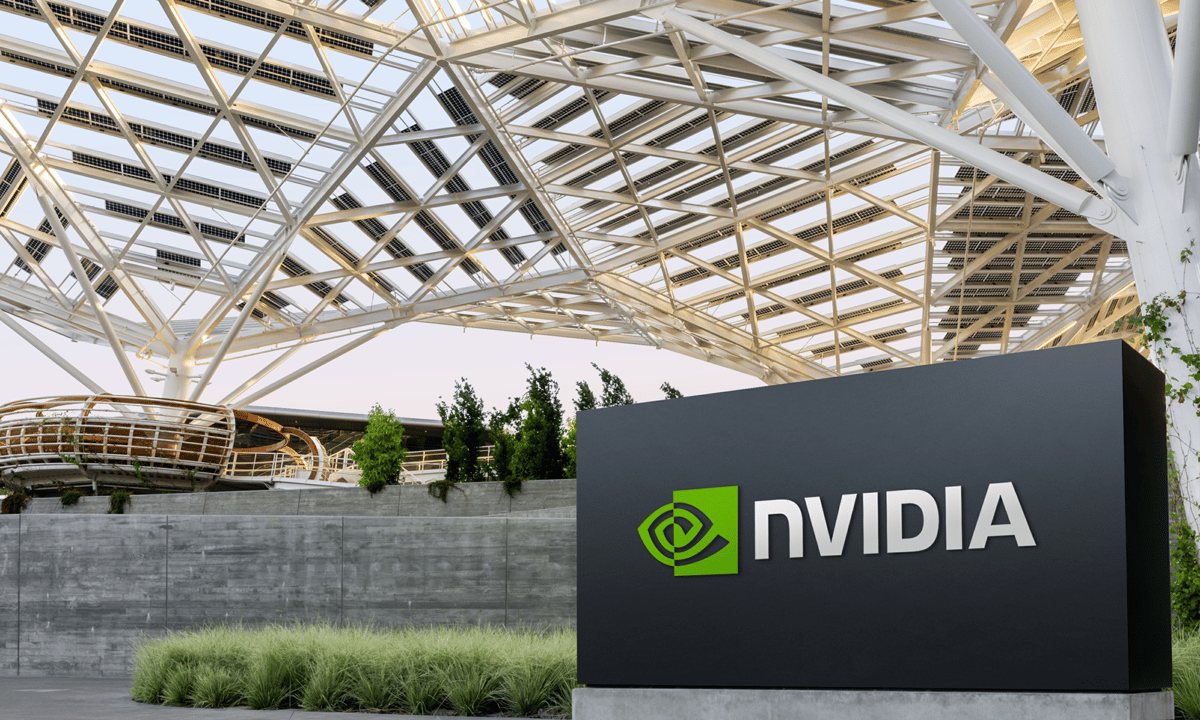
Nvidia's 1100% Stock Surge Driven by AI Opportunities

- Significant Revenue Growth: Nvidia reported $215.9 billion in revenue for fiscal year 2026, marking a 65% increase year-over-year and a nearly ninefold rise from $27 billion three years ago, highlighting its strong performance and growth potential in the AI market.
- Surge in Data Center Revenue: The company’s data center revenue reached $62.3 billion in Q4, up 75% year-over-year, primarily driven by AI demand, indicating its dominant market position and profitability in this segment.
- CUDA Ecosystem Advantage: Nvidia's CUDA software platform provides a unique competitive edge for its GPUs, creating a developer lock-in effect as businesses build their AI infrastructure on its hardware, further solidifying its market position.
- Investment Risk Warning: Despite Nvidia's strong performance in AI, investors should be cautious of the risk that AI may not deliver the expected returns, especially given the unprecedented scale of infrastructure investment and ongoing doubts about AI's actual benefits in productivity.
See More

Nvidia's AI Dominance and Associated Risks
- Significant Revenue Growth: Nvidia's fiscal 2026 revenue reached $215.9 billion, a 65% year-over-year increase, with data center revenue alone hitting $62.3 billion in Q4, driven almost entirely by AI demand, showcasing the company's robust performance in the AI market.
- Developer Lock-In Effect: Nvidia's CUDA software platform, developed over 20 years, has become the de facto standard in the AI industry, creating a strong developer lock-in effect that makes it difficult for businesses to switch to competitors' hardware when building AI infrastructure, further solidifying the company's market position.
- Technical Leadership: Nvidia's GPUs not only lead the market in technical capabilities but also positioned the company advantageously during the AI boom, making it challenging for competitors like AMD and Intel to catch up, demonstrating Nvidia's dual advantage in both hardware and software layers.
- Investment Risk Warning: Despite Nvidia's strong market position, the realization of AI investment returns remains uncertain, with numerous studies indicating minimal effects on productivity, prompting investors to carefully assess the actual return potential of AI to avoid significant losses in a bubble scenario.
See More

Emerging Neocloud Companies Face Risks and Opportunities


- Market Volatility Intensifies: CoreWeave's stock surged 42% in April after declines of 2% in March and 15% in February, highlighting the extreme volatility of neocloud stocks, which requires investors to navigate market risks cautiously.
- Debt Levels Raise Concerns: CoreWeave's total debt-to-EBITDA ratio stands at 8.87, with debt levels estimated between $20 billion and $30 billion, prompting industry analysts to warn that excessive debt could pressure the company financially before achieving profitability, potentially leading to acquisition.
- Uncertain Profitability Outlook: While Citi analysts project a 15% increase in Nebius's stock price over the next year, the $4.34 billion debt issued in March caused a 20% decline in its stock that month, reflecting market concerns regarding the profitability of neoclouds.
- Growing AI Demand: Despite the high debt and profitability challenges faced by neoclouds, industry analysts note that AI's penetration into commercial workflows is accelerating, with strong client demand for high-performance chips, indicating that market potential remains robust.
See More

Google's TPU Challenges Nvidia's Market Dominance

- Market Share Competition: Google's Tensor Processing Units (TPUs), designed specifically for AI workloads since their 2015 debut, have introduced the seventh-generation TPU, Ironwood, which promises a 4x performance increase in training and inference applications, potentially threatening Nvidia's market dominance.
- Surging Customer Demand: The demand for Google's TPUs has surged, with major contracts signed by companies like Apple, Anthropic, and Meta; Anthropic plans to purchase up to 1 million TPUs by 2026, with the deal valued at tens of billions of dollars, highlighting the critical role of TPUs in AI infrastructure.
- Market Forecast: Analyst Gil Luria predicts that if Google sells its TPUs to third parties, it could capture 20% of the AI chip market, with the TPU business potentially reaching $900 billion in the long run, significantly undermining Nvidia's current 81% market share.
- Evolving Competitive Landscape: Despite Google's substantial potential in the AI chip market, Nvidia is actively expanding its AI applications and inference capabilities, with expectations that AI chip revenues will hit $1 trillion by 2030, ensuring long-term growth in its data center business.
See More
Google Cloud's Full-Stack Integration Fuels AI Advancement
- Full-Stack Advantage: Google Cloud CEO Thomas Kurian highlighted that Google's competitive edge lies in its full-stack integration capabilities, encompassing custom silicon, AI models, and enterprise data infrastructure, a strategy that has become increasingly evident following the launch of the latest generation of TPUs.
- TPU 8 Launch: At the Cloud Next conference, Google unveiled its eighth-generation TPUs (TPU 8t and TPU 8i), with general availability expected later this year, which will further strengthen Google's market position in AI and drive growth in its cloud business.
- Enterprise AI Transformation: Kurian emphasized that as AI models become more sophisticated, customers are evolving their use of AI from simple Q&A tools to intelligent agents capable of automating complex business processes, significantly enhancing enterprise efficiency and responsiveness.
- Revenue Growth Expectations: Analysts expect Google Cloud's quarterly revenue to increase by 18.5% to $106.9 billion, although adjusted profit is projected to decline by 6.5% to $2.63 per share, reflecting the market's keen interest in Google's cloud performance going forward.
See More
Analysis of SoundHound AI's Future Growth Prospects
- Revenue Growth Through Acquisitions: SoundHound AI's revenue is projected to rise from $31 million in 2022 to $169 million by 2025, although much of this growth is driven by acquisitions rather than organic expansion, indicating challenges in market competitiveness.
- Declining Gross Margins: The integration of lower-margin businesses and intense competition from larger firms are expected to reduce SoundHound's gross margin from 69% in 2022 to 42% in 2025, which will impact its profitability and market appeal.
- EBITDA Improvement: Despite facing challenges, SoundHound's adjusted EBITDA is expected to improve from negative $73 million in 2022 to negative $58 million in 2025, reflecting the company's efforts in cost control and optimizing its revenue mix.
- Uncertain Market Outlook: Analysts anticipate SoundHound's revenue to grow at a 16% CAGR from 2025 to 2028, but with fewer enterprise customers and acquisitions, its growth may decelerate, leading to a pessimistic outlook for future market performance.
See More
Nvidia's 1100% Stock Surge Driven by AI Opportunities
- Significant Revenue Growth: Nvidia reported $215.9 billion in revenue for fiscal year 2026, marking a 65% increase year-over-year and a nearly ninefold rise from $27 billion three years ago, highlighting its strong performance and growth potential in the AI market.
- Surge in Data Center Revenue: The company’s data center revenue reached $62.3 billion in Q4, up 75% year-over-year, primarily driven by AI demand, indicating its dominant market position and profitability in this segment.
- CUDA Ecosystem Advantage: Nvidia's CUDA software platform provides a unique competitive edge for its GPUs, creating a developer lock-in effect as businesses build their AI infrastructure on its hardware, further solidifying its market position.
- Investment Risk Warning: Despite Nvidia's strong performance in AI, investors should be cautious of the risk that AI may not deliver the expected returns, especially given the unprecedented scale of infrastructure investment and ongoing doubts about AI's actual benefits in productivity.
See More
Nvidia's AI Dominance and Associated Risks
- Significant Revenue Growth: Nvidia's fiscal 2026 revenue reached $215.9 billion, a 65% year-over-year increase, with data center revenue alone hitting $62.3 billion in Q4, driven almost entirely by AI demand, showcasing the company's robust performance in the AI market.
- Developer Lock-In Effect: Nvidia's CUDA software platform, developed over 20 years, has become the de facto standard in the AI industry, creating a strong developer lock-in effect that makes it difficult for businesses to switch to competitors' hardware when building AI infrastructure, further solidifying the company's market position.
- Technical Leadership: Nvidia's GPUs not only lead the market in technical capabilities but also positioned the company advantageously during the AI boom, making it challenging for competitors like AMD and Intel to catch up, demonstrating Nvidia's dual advantage in both hardware and software layers.
- Investment Risk Warning: Despite Nvidia's strong market position, the realization of AI investment returns remains uncertain, with numerous studies indicating minimal effects on productivity, prompting investors to carefully assess the actual return potential of AI to avoid significant losses in a bubble scenario.
See More
Emerging Neocloud Companies Face Risks and Opportunities
- Market Volatility Intensifies: CoreWeave's stock surged 42% in April after declines of 2% in March and 15% in February, highlighting the extreme volatility of neocloud stocks, which requires investors to navigate market risks cautiously.
- Debt Levels Raise Concerns: CoreWeave's total debt-to-EBITDA ratio stands at 8.87, with debt levels estimated between $20 billion and $30 billion, prompting industry analysts to warn that excessive debt could pressure the company financially before achieving profitability, potentially leading to acquisition.
- Uncertain Profitability Outlook: While Citi analysts project a 15% increase in Nebius's stock price over the next year, the $4.34 billion debt issued in March caused a 20% decline in its stock that month, reflecting market concerns regarding the profitability of neoclouds.
- Growing AI Demand: Despite the high debt and profitability challenges faced by neoclouds, industry analysts note that AI's penetration into commercial workflows is accelerating, with strong client demand for high-performance chips, indicating that market potential remains robust.
See More
Google's TPU Challenges Nvidia's Market Dominance
- Market Share Competition: Google's Tensor Processing Units (TPUs), designed specifically for AI workloads since their 2015 debut, have introduced the seventh-generation TPU, Ironwood, which promises a 4x performance increase in training and inference applications, potentially threatening Nvidia's market dominance.
- Surging Customer Demand: The demand for Google's TPUs has surged, with major contracts signed by companies like Apple, Anthropic, and Meta; Anthropic plans to purchase up to 1 million TPUs by 2026, with the deal valued at tens of billions of dollars, highlighting the critical role of TPUs in AI infrastructure.
- Market Forecast: Analyst Gil Luria predicts that if Google sells its TPUs to third parties, it could capture 20% of the AI chip market, with the TPU business potentially reaching $900 billion in the long run, significantly undermining Nvidia's current 81% market share.
- Evolving Competitive Landscape: Despite Google's substantial potential in the AI chip market, Nvidia is actively expanding its AI applications and inference capabilities, with expectations that AI chip revenues will hit $1 trillion by 2030, ensuring long-term growth in its data center business.
See More