Google Partners with Radiate to Form Fiber Joint Venture
Written by Emily J. Thompson, Senior Investment Analyst
Updated: Jan 16 2026
0mins
Alphabet's Google is in discussions with Radiate, a broadband operator backed by Stonepeak Partners, to establish a joint venture that would hold the companies' fiber assets amid growing demand for high-speed connectivity as AI infrastructure grows, Bloomberg's Reshmi Basu and Carmen Arroyo report. The new business would include Google's GFiber internet service and Radiate's Astound unit, the authors say, citing people familiar with the matter. Stonepeak would hold a majority of the entity while Google would own the remainder, the authors note.
Trade with 70% Backtested Accuracy
Stop guessing "Should I Buy GOOG?" and start using high-conviction signals backed by rigorous historical data.
Sign up today to access powerful investing tools and make smarter, data-driven decisions.
Analyst Views on GOOG
Wall Street analysts forecast GOOG stock price to fall
15 Analyst Rating
14 Buy
1 Hold
0 Sell
Strong Buy
Current: 357.890

Low
255.00
Averages
336.08
High
400.00
Current: 357.890
Low
255.00
Averages
336.08
High
400.00
About GOOG
Alphabet Inc. is a holding company. The Company's segments include Google Services, Google Cloud, and Other Bets. The Google Services segment includes products and services such as ads, Android, Chrome, devices, Google Maps, Google Play, Search, and YouTube. The Google Cloud segment includes infrastructure and platform services, collaboration tools, and other services for enterprise customers. Its Other Bets segment is engaged in the sale of healthcare-related services and Internet services. Its Google Cloud provides enterprise-ready cloud services, including Google Cloud Platform and Google Workspace. Google Cloud Platform provides access to solutions such as artificial intelligence (AI) offerings, including its AI infrastructure, Vertex AI platform, and Gemini for Google Cloud; cybersecurity, and data and analytics. Google Workspace includes cloud-based communication and collaboration tools for enterprises, such as Calendar, Gmail, Docs, Drive, and Meet.
About the author

Emily J. Thompson
Emily J. Thompson, a Chartered Financial Analyst (CFA) with 12 years in investment research, graduated with honors from the Wharton School. Specializing in industrial and technology stocks, she provides in-depth analysis for Intellectia’s earnings and market brief reports.

Abel Reshapes Berkshire's Investment Strategy

- Portfolio Restructuring: Abel reduced Berkshire's holdings from 42 to 29 in Q1 2026, exiting 16 positions entirely, which reflects a decisive shift in investment strategy aimed at enhancing efficiency and concentration.
- Increased Investment in Alphabet: Berkshire's stake in Alphabet exceeded 58 million shares valued at approximately $17 billion in Q1, and on June 1, it participated as an anchor investor in an $80 billion equity raise, further solidifying its position in the tech sector.
- Massive Stock Selloff: Under Abel's leadership, Berkshire was a net seller of about $8 billion in equities during Q1, demonstrating a keen response to market dynamics while freeing up capital for new investments, indicating a commitment to strategic transformation.
- Future Growth Potential: Abel's investment decisions align with Alphabet's Q1 revenue of $109.9 billion and an 82% increase in earnings per share, showcasing confidence in AI infrastructure and suggesting that Berkshire may increasingly focus on high-growth tech stocks.
See More

AI Boom May Be Exhausting; Investors Should Be Cautious


- Market Weakness: The 'Magnificent Seven' stocks that have driven major indices higher over the past three years are all down, with all but Apple (AAPL) in correction territory, indicating signs of market exhaustion that investors need to reassess.
- Defensive Investment Strategy: Given the uncertain economic environment, investors may seek more defensive and undervalued quality stocks to mitigate potential market downturn risks, ensuring stability and cash flow for their portfolios.
- ETF Investment Advantage: The Invesco S&P 500 Quality ETF (SPHQ) is recommended, currently allocating 42% to tech stocks while also covering 15%-20% in industrials and financials, providing a diversified portfolio to reduce concentration risk.
- Historical Return Comparison: Although the Invesco S&P 500 Quality ETF was not highlighted as a top investment by The Motley Fool, its historical performance shows a remarkable 918% return compared to the S&P 500's 208%, suggesting investors should focus on long-term potential.
See More

Berkshire Hathaway's New CEO Takes Charge After Buffett

- Record Cash Reserves: As of Q1 2026, Berkshire Hathaway's cash reserves reached $397 billion, up from $373 billion at the end of last year, representing over a third of the company's $1.1 trillion market value, showcasing its strong capital allocation capabilities.
- Strategic Acquisition Moves: New CEO Greg Abel's $6.8 billion acquisition of homebuilder Taylor Morrison at a 24% premium not only marks a significant entry into the housing sector but also reflects his commitment to actively invest in emerging markets.
- Shift Towards Tech Investments: Abel's push for a $10 billion private placement in Alphabet, increasing its stake to over $26 billion, indicates a strategic shift in Berkshire's investment approach, potentially providing new growth avenues in technology.
- Buyback Program Resumption: After a 21-month hiatus, Abel initiated a $234 million stock buyback in March, demonstrating a proactive stance on capital management aimed at enhancing shareholder value and boosting market confidence.
See More

Anthropic's Fable 5 Restored to Global Availability After 19-Day Shutdown


- Ban Trigger: The global shutdown of Fable 5 on June 12 was prompted by Amazon researchers reporting security vulnerabilities to the U.S. Commerce Department, forcing Anthropic to restrict access for all foreign users, significantly impacting its international operations.
- Restoration Process: After two weeks of negotiations, Anthropic restored global access to Fable 5 on July 1, implementing a new safety classifier that blocks specific jailbreak techniques in over 99% of cases, thereby addressing government security concerns.
- Market Impact: During the ban, Anthropic's IPO plans were jeopardized, with pre-IPO perpetual contracts on Hyperliquid dropping by 3.7%, and enterprise clients losing access to AI systems embedded in critical workflows, highlighting the risks of reliance on frontier model vendors.
- Future Outlook: The jailbreak scoring framework developed in collaboration with Amazon, Microsoft, and Google may become an industry standard, enhancing transparency and consistency in AI safety assessments, thereby strengthening Anthropic's influence in future policy environments.
See More
Skilled Worker Shortage Drives Wage Increases

- Skilled Worker Shortage: As of May 2026, the U.S. has 7.59 million job openings and a projected 2.1 million skilled worker shortage, indicating a structural gap that is actively driving wages higher and giving workers leverage in salary negotiations.
- High-Paying Job Opportunities: Skilled tradespeople such as electricians and welders can earn $50 to $60 per hour on data center projects, with overtime pushing annual earnings over $120,000, highlighting the lucrative potential within the skilled trades sector.
- Education vs. Income Comparison: Compared to a college student who incurs $30,000 in debt, a trade apprentice can achieve $110,000 in earnings by year seven without any debt, showcasing the economic advantages of pursuing a skilled trade.
- AI Investment Driving Demand: With 95% of manufacturers planning to invest in AI by 2030, and companies like Meta and Google committing $115 million and $50 billion respectively to train skilled workers, the market value and career prospects for skilled tradespeople are significantly enhanced.
See More
Comparative Investment Outlook for Alphabet and Micron

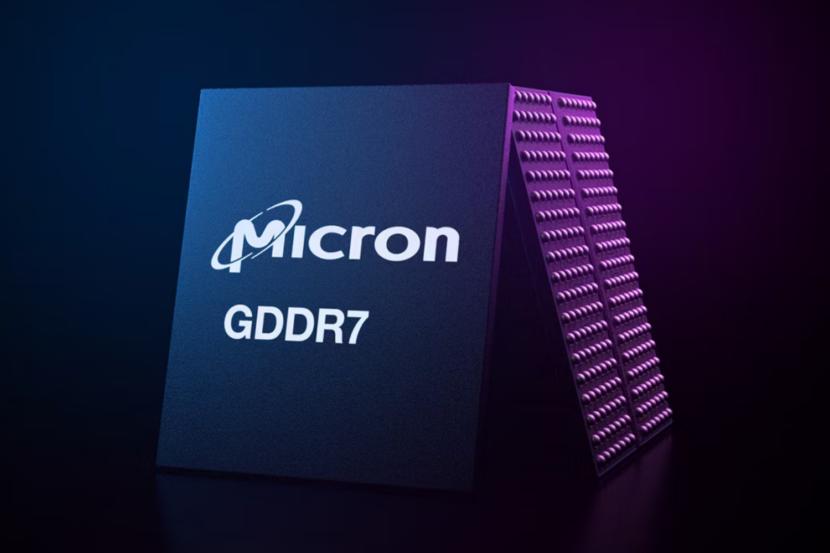
- AI Strategic Advantage: Alphabet's extensive strategy in artificial intelligence has led to strong performance across multiple areas, particularly with its Gemini generative AI platform being widely integrated into Google Search, enhancing AI summary features for search results and likely boosting user experience and market share.
- Revenue Growth Comparison: Micron reported a staggering 346% year-over-year revenue increase to $41.5 billion in its latest quarter, exceeding its guidance of $33.5 billion, while Alphabet's revenue grew 22% year-over-year to over $109 billion in the same quarter, highlighting Micron's robust short-term performance.
- Valuation Discrepancy: Despite Micron's stock appearing cheaper after its rapid growth, with a forward P/E ratio more attractive than Alphabet's 24, the core business faces risks from potential declines in data center demand, necessitating careful evaluation of its long-term sustainability by investors.
- Investment Choice Recommendation: While Micron shows exceptional short-term results, it faces execution risks in the future, whereas Alphabet offers a more stable investment option suitable for those seeking lower volatility, suggesting that investors should choose based on their risk tolerance.
See More
Abel Reshapes Berkshire's Investment Strategy
- Portfolio Restructuring: Abel reduced Berkshire's holdings from 42 to 29 in Q1 2026, exiting 16 positions entirely, which reflects a decisive shift in investment strategy aimed at enhancing efficiency and concentration.
- Increased Investment in Alphabet: Berkshire's stake in Alphabet exceeded 58 million shares valued at approximately $17 billion in Q1, and on June 1, it participated as an anchor investor in an $80 billion equity raise, further solidifying its position in the tech sector.
- Massive Stock Selloff: Under Abel's leadership, Berkshire was a net seller of about $8 billion in equities during Q1, demonstrating a keen response to market dynamics while freeing up capital for new investments, indicating a commitment to strategic transformation.
- Future Growth Potential: Abel's investment decisions align with Alphabet's Q1 revenue of $109.9 billion and an 82% increase in earnings per share, showcasing confidence in AI infrastructure and suggesting that Berkshire may increasingly focus on high-growth tech stocks.
See More
AI Boom May Be Exhausting; Investors Should Be Cautious
- Market Weakness: The 'Magnificent Seven' stocks that have driven major indices higher over the past three years are all down, with all but Apple (AAPL) in correction territory, indicating signs of market exhaustion that investors need to reassess.
- Defensive Investment Strategy: Given the uncertain economic environment, investors may seek more defensive and undervalued quality stocks to mitigate potential market downturn risks, ensuring stability and cash flow for their portfolios.
- ETF Investment Advantage: The Invesco S&P 500 Quality ETF (SPHQ) is recommended, currently allocating 42% to tech stocks while also covering 15%-20% in industrials and financials, providing a diversified portfolio to reduce concentration risk.
- Historical Return Comparison: Although the Invesco S&P 500 Quality ETF was not highlighted as a top investment by The Motley Fool, its historical performance shows a remarkable 918% return compared to the S&P 500's 208%, suggesting investors should focus on long-term potential.
See More
Berkshire Hathaway's New CEO Takes Charge After Buffett
- Record Cash Reserves: As of Q1 2026, Berkshire Hathaway's cash reserves reached $397 billion, up from $373 billion at the end of last year, representing over a third of the company's $1.1 trillion market value, showcasing its strong capital allocation capabilities.
- Strategic Acquisition Moves: New CEO Greg Abel's $6.8 billion acquisition of homebuilder Taylor Morrison at a 24% premium not only marks a significant entry into the housing sector but also reflects his commitment to actively invest in emerging markets.
- Shift Towards Tech Investments: Abel's push for a $10 billion private placement in Alphabet, increasing its stake to over $26 billion, indicates a strategic shift in Berkshire's investment approach, potentially providing new growth avenues in technology.
- Buyback Program Resumption: After a 21-month hiatus, Abel initiated a $234 million stock buyback in March, demonstrating a proactive stance on capital management aimed at enhancing shareholder value and boosting market confidence.
See More
Anthropic's Fable 5 Restored to Global Availability After 19-Day Shutdown
- Ban Trigger: The global shutdown of Fable 5 on June 12 was prompted by Amazon researchers reporting security vulnerabilities to the U.S. Commerce Department, forcing Anthropic to restrict access for all foreign users, significantly impacting its international operations.
- Restoration Process: After two weeks of negotiations, Anthropic restored global access to Fable 5 on July 1, implementing a new safety classifier that blocks specific jailbreak techniques in over 99% of cases, thereby addressing government security concerns.
- Market Impact: During the ban, Anthropic's IPO plans were jeopardized, with pre-IPO perpetual contracts on Hyperliquid dropping by 3.7%, and enterprise clients losing access to AI systems embedded in critical workflows, highlighting the risks of reliance on frontier model vendors.
- Future Outlook: The jailbreak scoring framework developed in collaboration with Amazon, Microsoft, and Google may become an industry standard, enhancing transparency and consistency in AI safety assessments, thereby strengthening Anthropic's influence in future policy environments.
See More
Skilled Worker Shortage Drives Wage Increases
- Skilled Worker Shortage: As of May 2026, the U.S. has 7.59 million job openings and a projected 2.1 million skilled worker shortage, indicating a structural gap that is actively driving wages higher and giving workers leverage in salary negotiations.
- High-Paying Job Opportunities: Skilled tradespeople such as electricians and welders can earn $50 to $60 per hour on data center projects, with overtime pushing annual earnings over $120,000, highlighting the lucrative potential within the skilled trades sector.
- Education vs. Income Comparison: Compared to a college student who incurs $30,000 in debt, a trade apprentice can achieve $110,000 in earnings by year seven without any debt, showcasing the economic advantages of pursuing a skilled trade.
- AI Investment Driving Demand: With 95% of manufacturers planning to invest in AI by 2030, and companies like Meta and Google committing $115 million and $50 billion respectively to train skilled workers, the market value and career prospects for skilled tradespeople are significantly enhanced.
See More
Comparative Investment Outlook for Alphabet and Micron
- AI Strategic Advantage: Alphabet's extensive strategy in artificial intelligence has led to strong performance across multiple areas, particularly with its Gemini generative AI platform being widely integrated into Google Search, enhancing AI summary features for search results and likely boosting user experience and market share.
- Revenue Growth Comparison: Micron reported a staggering 346% year-over-year revenue increase to $41.5 billion in its latest quarter, exceeding its guidance of $33.5 billion, while Alphabet's revenue grew 22% year-over-year to over $109 billion in the same quarter, highlighting Micron's robust short-term performance.
- Valuation Discrepancy: Despite Micron's stock appearing cheaper after its rapid growth, with a forward P/E ratio more attractive than Alphabet's 24, the core business faces risks from potential declines in data center demand, necessitating careful evaluation of its long-term sustainability by investors.
- Investment Choice Recommendation: While Micron shows exceptional short-term results, it faces execution risks in the future, whereas Alphabet offers a more stable investment option suitable for those seeking lower volatility, suggesting that investors should choose based on their risk tolerance.
See More