Google Launches AI Design Platform, Figma Shares Plummet
Written by Emily J. Thompson, Senior Investment Analyst
Updated: 1 hour ago
0mins
Should l Buy GOOG?
Source: Newsfilter
- Stock Price Decline: Figma's shares plummeted 11% over two days, contributing to a 35% drop this year, reflecting heightened investor concerns about cloud software companies, particularly after Google's AI design product launch.
- New Product Launch: Google introduced an AI design tool called Stitch, allowing users to create designs via prompts and providing real-time feedback, although currently in beta and free, the market remains anxious about its potential threats.
- Market Reaction: Following Google's product announcement, Figma's stock fell 8% on Wednesday and over 3% on Thursday, indicating investor fears regarding the impact of AI technology on the design software market.
- Intensified Competition: Google's expanding partnership with Figma integrates more of Google's generative AI technology into Figma's tools, potentially allowing Google to capture a larger share of the product design workflow, thereby intensifying competition in the industry.
Trade with 70% Backtested Accuracy
Stop guessing "Should I Buy GOOG?" and start using high-conviction signals backed by rigorous historical data.
Sign up today to access powerful investing tools and make smarter, data-driven decisions.
Analyst Views on GOOG
Wall Street analysts forecast GOOG stock price to rise
15 Analyst Rating
14 Buy
1 Hold
0 Sell
Strong Buy
Current: 306.300

Low
255.00
Averages
336.08
High
400.00
Current: 306.300
Low
255.00
Averages
336.08
High
400.00
About GOOG
Alphabet Inc. is a holding company. The Company's segments include Google Services, Google Cloud, and Other Bets. The Google Services segment includes products and services such as ads, Android, Chrome, devices, Google Maps, Google Play, Search, and YouTube. The Google Cloud segment includes infrastructure and platform services, collaboration tools, and other services for enterprise customers. Its Other Bets segment is engaged in the sale of healthcare-related services and Internet services. Its Google Cloud provides enterprise-ready cloud services, including Google Cloud Platform and Google Workspace. Google Cloud Platform provides access to solutions such as artificial intelligence (AI) offerings, including its AI infrastructure, Vertex AI platform, and Gemini for Google Cloud; cybersecurity, and data and analytics. Google Workspace includes cloud-based communication and collaboration tools for enterprises, such as Calendar, Gmail, Docs, Drive, and Meet.
About the author

Emily J. Thompson
Emily J. Thompson, a Chartered Financial Analyst (CFA) with 12 years in investment research, graduated with honors from the Wharton School. Specializing in industrial and technology stocks, she provides in-depth analysis for Intellectia’s earnings and market brief reports.

DocMorris AG Reports 11.1% Revenue Growth in 2025

- Significant Revenue Growth: DocMorris AG achieved an 11.1% revenue growth in 2025, successfully meeting its financial targets, which reflects the company's robust performance in the market and boosts investor confidence.
- Digital Services Surge: The digital services segment experienced a remarkable growth rate of 110%, significantly enhancing profitability and indicating that the company's strategic investments in digital healthcare are yielding positive results.
- Strong Liquidity Position: DocMorris AG maintains a strong liquidity position with CHF160 million, providing confidence for future execution despite challenges in achieving EBITDA and free cash flow break-even in 2026.
- Strategic Partnership: The company has formed a strategic partnership with Google to leverage AI capabilities, enhancing its digital healthcare platform, which signals further expansion and innovation in the digital health sector.
See More

Figma's Stock Declines Amid Google's AI Product Launch

- Stock Decline: Figma's stock has dropped over 11% in the past two days, with an 8% decline on Wednesday followed by a 3% drop on Thursday, reflecting market concerns about AI threats, leading to a total decline of approximately 35% this year.
- Google Product Launch: Google introduced an AI design product called Stitch, which allows users to generate designs by entering prompts and provides real-time design critiques; although currently in beta and free, its potential impact has triggered Figma's stock decline.
- Increased Market Competition: Google's Stitch product could reshape the design workflow, and if launched to paying customers in the future, it would further solidify Google's dominance in the product design space, putting Figma under greater market pressure.
- Expanded Partnership: Google Cloud and Figma announced an expanded partnership in October, integrating more generative AI technology into Figma's platform; however, Figma still faces significant competition from Google's robust offerings.
See More

Google Launches AI Design Platform, Figma Shares Plummet

- Stock Price Decline: Figma's shares plummeted 11% over two days, contributing to a 35% drop this year, reflecting heightened investor concerns about cloud software companies, particularly after Google's AI design product launch.
- New Product Launch: Google introduced an AI design tool called Stitch, allowing users to create designs via prompts and providing real-time feedback, although currently in beta and free, the market remains anxious about its potential threats.
- Market Reaction: Following Google's product announcement, Figma's stock fell 8% on Wednesday and over 3% on Thursday, indicating investor fears regarding the impact of AI technology on the design software market.
- Intensified Competition: Google's expanding partnership with Figma integrates more of Google's generative AI technology into Figma's tools, potentially allowing Google to capture a larger share of the product design workflow, thereby intensifying competition in the industry.
See More
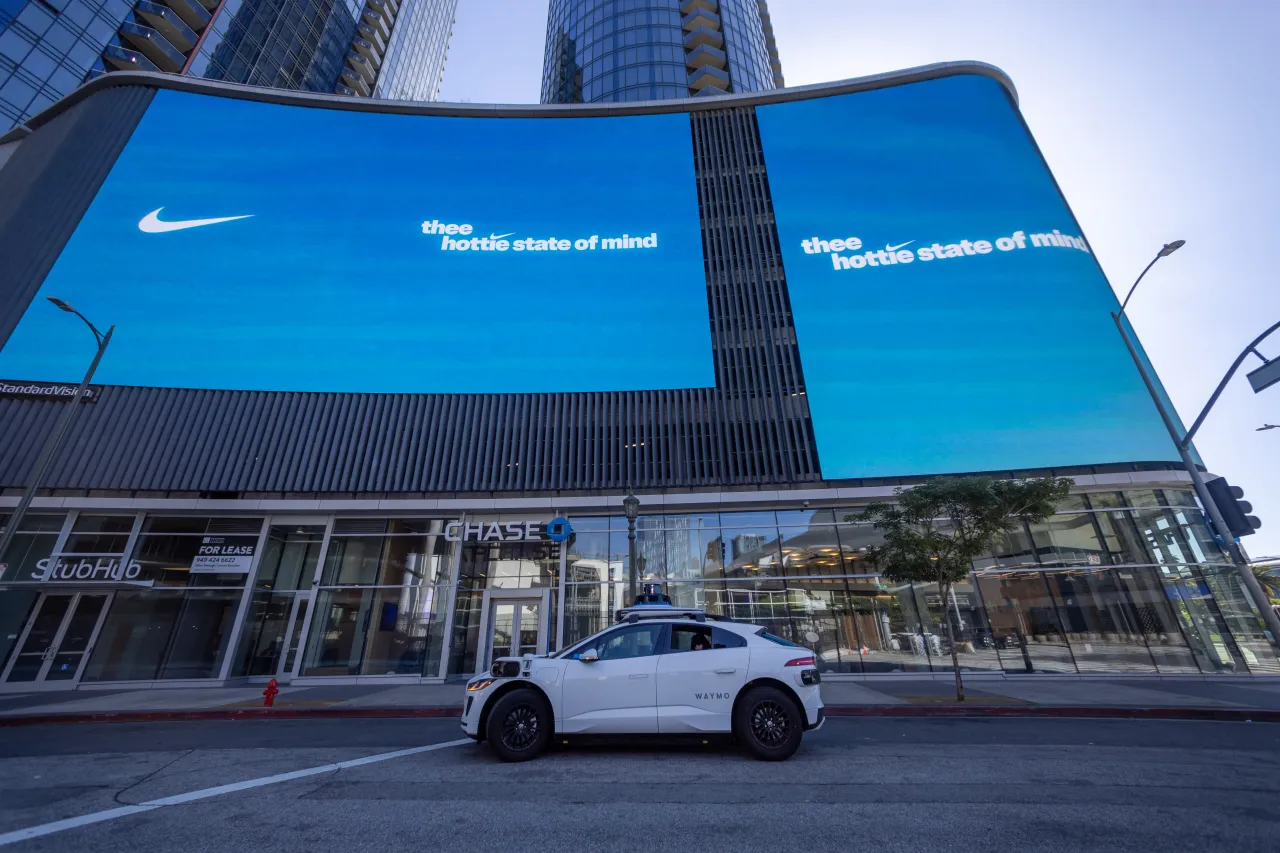
Waymo Achieves New Milestone in Autonomous Miles Driven
- Autonomous Miles Milestone: Waymo's autonomous vehicle fleet has driven 170.7 million miles without a human driver as of December 2025, a significant increase from 127 million reported through September 2025, showcasing its leading position in the autonomous driving market.
- Safety Improvement: The Waymo autonomous system has been involved in 13 times fewer serious accidents compared to human drivers in cities like Phoenix, San Francisco Bay Area, Los Angeles, and Austin, indicating a strong safety advantage that enhances user trust.
- Intensifying Competition: With competitors like Tesla and Rivian entering the autonomous driving space, Waymo faces increasing pressure; Tesla has begun testing fully autonomous driving in Texas, indicating its rapid catch-up efforts.
- Uber's Strategic Investment: Uber's partnership with Rivian is expected to deploy up to 50,000 fully autonomous R2 robotaxis by 2028, with Uber's investment supporting the scale-up of its autonomous fleet, further solidifying its leadership in the rideshare market.
See More

Alphabet Signs 20-Year Power Purchase Agreement with DTE Energy

- Power Purchase Agreement: Alphabet's 20-year power purchase agreement with DTE Energy will support the construction of a new data center in Michigan, with plans to develop up to 2.7 GW of new solar capacity, thereby enhancing the company's investment in renewable energy.
- Financial Commitment: Alphabet is also committing $10 million to an energy impact fund aimed at supporting local reliability and clean energy initiatives, which not only enhances the company's social responsibility image but also lays the groundwork for future sustainable development.
- Infrastructure Expansion: The structure of the agreement ensures access to clean energy as infrastructure expands, reflecting the company's need to align compute growth with long-term power availability, showcasing its forward-thinking approach to future energy supply.
- Strategic Implications: As AI workloads become increasingly energy-intensive, the strategic importance of securing power supply is becoming more pronounced; Alphabet's combination of direct procurement and targeted investment indicates that electricity will be a core element of data center buildouts, influencing the pace and location of future deployments.
See More

Global Recorded Music Revenue Rises 6.4% to $31.7B

- Streaming Growth: In 2025, global recorded music revenue increased by 6.4% to $31.7 billion, with paid streaming platforms growing by 8.8% to account for over half of total revenue, indicating a strong consumer shift towards subscription services that drive digital transformation in the industry.
- Regional Growth Disparities: Music revenue in Asia, MENA, Sub-Saharan Africa, and Latin America saw double-digit growth, with LATAM leading at 17.1%, reflecting the rapid growth potential of emerging markets in music consumption, which may attract further investment.
- Physical Music Resurgence: Despite the clear digital trend, revenue from physical formats grew by 8%, with vinyl sales rising nearly 14%, indicating a renewed consumer interest in traditional music formats that could provide new revenue streams for record companies.
- AI Technology Integration: The IFPI report highlights that record companies are partnering with generative AI developers to leverage technology in supporting creativity, while also warning about the risks of streaming fraud that could erode artists' revenues, emphasizing the need for industry measures to protect creators' rights.
See More
DocMorris AG Reports 11.1% Revenue Growth in 2025
- Significant Revenue Growth: DocMorris AG achieved an 11.1% revenue growth in 2025, successfully meeting its financial targets, which reflects the company's robust performance in the market and boosts investor confidence.
- Digital Services Surge: The digital services segment experienced a remarkable growth rate of 110%, significantly enhancing profitability and indicating that the company's strategic investments in digital healthcare are yielding positive results.
- Strong Liquidity Position: DocMorris AG maintains a strong liquidity position with CHF160 million, providing confidence for future execution despite challenges in achieving EBITDA and free cash flow break-even in 2026.
- Strategic Partnership: The company has formed a strategic partnership with Google to leverage AI capabilities, enhancing its digital healthcare platform, which signals further expansion and innovation in the digital health sector.
See More
Figma's Stock Declines Amid Google's AI Product Launch
- Stock Decline: Figma's stock has dropped over 11% in the past two days, with an 8% decline on Wednesday followed by a 3% drop on Thursday, reflecting market concerns about AI threats, leading to a total decline of approximately 35% this year.
- Google Product Launch: Google introduced an AI design product called Stitch, which allows users to generate designs by entering prompts and provides real-time design critiques; although currently in beta and free, its potential impact has triggered Figma's stock decline.
- Increased Market Competition: Google's Stitch product could reshape the design workflow, and if launched to paying customers in the future, it would further solidify Google's dominance in the product design space, putting Figma under greater market pressure.
- Expanded Partnership: Google Cloud and Figma announced an expanded partnership in October, integrating more generative AI technology into Figma's platform; however, Figma still faces significant competition from Google's robust offerings.
See More
Google Launches AI Design Platform, Figma Shares Plummet
- Stock Price Decline: Figma's shares plummeted 11% over two days, contributing to a 35% drop this year, reflecting heightened investor concerns about cloud software companies, particularly after Google's AI design product launch.
- New Product Launch: Google introduced an AI design tool called Stitch, allowing users to create designs via prompts and providing real-time feedback, although currently in beta and free, the market remains anxious about its potential threats.
- Market Reaction: Following Google's product announcement, Figma's stock fell 8% on Wednesday and over 3% on Thursday, indicating investor fears regarding the impact of AI technology on the design software market.
- Intensified Competition: Google's expanding partnership with Figma integrates more of Google's generative AI technology into Figma's tools, potentially allowing Google to capture a larger share of the product design workflow, thereby intensifying competition in the industry.
See More
Waymo Achieves New Milestone in Autonomous Miles Driven
- Autonomous Miles Milestone: Waymo's autonomous vehicle fleet has driven 170.7 million miles without a human driver as of December 2025, a significant increase from 127 million reported through September 2025, showcasing its leading position in the autonomous driving market.
- Safety Improvement: The Waymo autonomous system has been involved in 13 times fewer serious accidents compared to human drivers in cities like Phoenix, San Francisco Bay Area, Los Angeles, and Austin, indicating a strong safety advantage that enhances user trust.
- Intensifying Competition: With competitors like Tesla and Rivian entering the autonomous driving space, Waymo faces increasing pressure; Tesla has begun testing fully autonomous driving in Texas, indicating its rapid catch-up efforts.
- Uber's Strategic Investment: Uber's partnership with Rivian is expected to deploy up to 50,000 fully autonomous R2 robotaxis by 2028, with Uber's investment supporting the scale-up of its autonomous fleet, further solidifying its leadership in the rideshare market.
See More
Alphabet Signs 20-Year Power Purchase Agreement with DTE Energy
- Power Purchase Agreement: Alphabet's 20-year power purchase agreement with DTE Energy will support the construction of a new data center in Michigan, with plans to develop up to 2.7 GW of new solar capacity, thereby enhancing the company's investment in renewable energy.
- Financial Commitment: Alphabet is also committing $10 million to an energy impact fund aimed at supporting local reliability and clean energy initiatives, which not only enhances the company's social responsibility image but also lays the groundwork for future sustainable development.
- Infrastructure Expansion: The structure of the agreement ensures access to clean energy as infrastructure expands, reflecting the company's need to align compute growth with long-term power availability, showcasing its forward-thinking approach to future energy supply.
- Strategic Implications: As AI workloads become increasingly energy-intensive, the strategic importance of securing power supply is becoming more pronounced; Alphabet's combination of direct procurement and targeted investment indicates that electricity will be a core element of data center buildouts, influencing the pace and location of future deployments.
See More
Global Recorded Music Revenue Rises 6.4% to $31.7B
- Streaming Growth: In 2025, global recorded music revenue increased by 6.4% to $31.7 billion, with paid streaming platforms growing by 8.8% to account for over half of total revenue, indicating a strong consumer shift towards subscription services that drive digital transformation in the industry.
- Regional Growth Disparities: Music revenue in Asia, MENA, Sub-Saharan Africa, and Latin America saw double-digit growth, with LATAM leading at 17.1%, reflecting the rapid growth potential of emerging markets in music consumption, which may attract further investment.
- Physical Music Resurgence: Despite the clear digital trend, revenue from physical formats grew by 8%, with vinyl sales rising nearly 14%, indicating a renewed consumer interest in traditional music formats that could provide new revenue streams for record companies.
- AI Technology Integration: The IFPI report highlights that record companies are partnering with generative AI developers to leverage technology in supporting creativity, while also warning about the risks of streaming fraud that could erode artists' revenues, emphasizing the need for industry measures to protect creators' rights.
See More