Google Cloud Revenue Surges 63% Exceeding Expectations
Written by Emily J. Thompson, Senior Investment Analyst
Updated: Apr 30 2026
0mins

Source: CNBC
- Impressive Revenue Growth: Google Cloud's revenue surged 63% year-over-year to $20.03 billion, surpassing market expectations of $18.05 billion, demonstrating strong performance in the cloud infrastructure market amid soaring AI demand.
- AI-Driven Growth: For the first time, Google's enterprise AI solutions became the primary growth driver for its cloud business, with revenue from products built on Google generative AI models skyrocketing by 800%, indicating a significant enhancement in the company's competitiveness in the AI sector.
- Intensifying Market Competition: Despite Google Cloud's standout performance, Amazon AWS and Microsoft Azure also reported revenue growth of 28% and 40%, respectively, highlighting the intensifying competition in the cloud market, with all three giants expecting nearly $600 billion in capital expenditures this year.
- Emerging Competitors: Smaller neo-cloud providers like CoreWeave and Nebius have captured 5% of the market share, further intensifying competition and prompting major cloud service providers to accelerate innovation and investment to maintain their market leadership.
Trade with 70% Backtested Accuracy
Stop guessing "Should I Buy ORCL?" and start using high-conviction signals backed by rigorous historical data.
Sign up today to access powerful investing tools and make smarter, data-driven decisions.
Analyst Views on ORCL
Wall Street analysts forecast ORCL stock price to rise
34 Analyst Rating
25 Buy
9 Hold
0 Sell
Moderate Buy
Current: 142.500

Low
180.00
Averages
309.59
High
400.00
Current: 142.500
Low
180.00
Averages
309.59
High
400.00
About ORCL
Oracle Corporation offers integrated suites of applications plus secure, autonomous infrastructure in the Oracle Cloud. The Company operates through three businesses: cloud and license, hardware and service. Its cloud and license business is engaged in the sale, marketing and delivery of its enterprise applications and infrastructure technologies through cloud and on-premise deployment models including its cloud services and license support offerings, and its cloud license and on-premise license offerings. Its hardware business provides infrastructure technologies including Oracle Engineered Systems, servers, storage, industry-specific hardware, operating systems, virtualization, management and other hardware-related software to support diverse IT environments. Its services business provides services to customers and partners to help maximize the performance of their investments in Oracle applications and infrastructure technologies.
About the author

Emily J. Thompson
Emily J. Thompson, a Chartered Financial Analyst (CFA) with 12 years in investment research, graduated with honors from the Wharton School. Specializing in industrial and technology stocks, she provides in-depth analysis for Intellectia’s earnings and market brief reports.

Oracle Faces Challenges in Data Center Construction

- Rising Construction Costs: Oracle has indicated that data center construction may face increased costs or delays due to supply chain issues and government restrictions, which could negatively impact the company's profitability if projects are not completed on schedule.
- Capital Expenditure Pressure: To expand its Oracle Cloud Infrastructure (OCI) business, Oracle must incur significant capital and operating expenditures to increase data center capacity, placing pressure on the company's financial health.
- Long-term Lease Commitments: Oracle has entered into long-term lease agreements with third-party data center providers, and if it fails to accurately predict customer demand, it may face infrastructure shortages that limit customer growth and lead to loss of market share.
- Concentrated Customer Risks: Oracle's OCI offerings are concentrated among a few large customers, increasing the risk of non-payment; if these customers do not renew contracts, Oracle may struggle to re-lease or repurpose data center capacity on acceptable terms.
See More
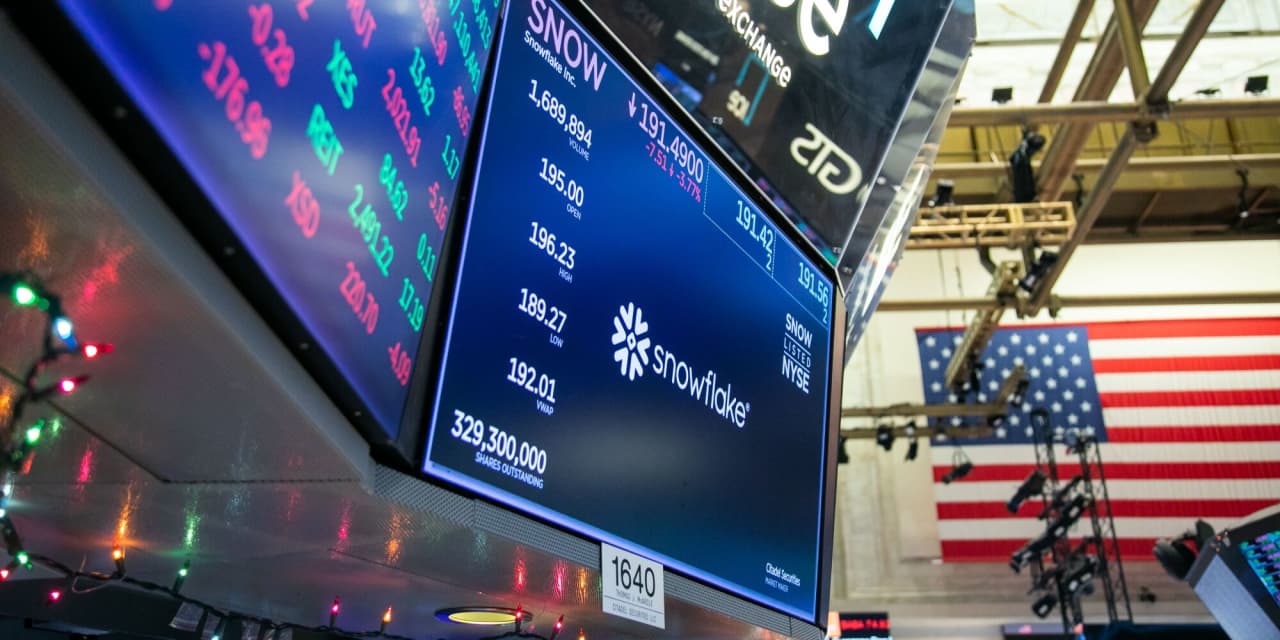
Snowflake's Strong Growth Outpaces Market Trends


- Significant Customer Growth: In the first quarter of fiscal 2027, Snowflake reported a total of 13,912 customers, adding 616 net new customers, which is a 38% year-over-year increase, including 13 new Forbes Global 2000 clients, highlighting the platform's strong appeal and sustained market demand.
- Strong Revenue Retention: The company achieved a net revenue retention rate of 126% in Q1 FY2027, indicating high customer dependency and satisfaction with its services, which is expected to further drive stable revenue growth.
- AI Strategy Expansion: Snowflake is enhancing its AI capabilities through partnerships with new clients like Sanofi, which launched the Concierge for Field tool using Snowflake Cortex AI, significantly improving sales representatives' efficiency, showcasing Snowflake's competitiveness and market potential in the AI sector.
- Optimistic Financial Outlook: The Zacks consensus estimates that Snowflake's revenues for Q2 FY2027 will reach $1.47 billion, reflecting a 28.39% year-over-year growth, with an expected earnings per share of 45 cents, indicating strong expectations for the company's future financial performance.
See More

Corporate Sponsorship Behind Trump's Freedom 250 Celebrations

- Corporate Sponsorship Phenomenon: A CNBC analysis reveals that 14 companies, including Boeing, Deloitte, and United Airlines, are backing both America250 and Freedom 250, indicating a complex intersection of corporate interests and politics that may influence their dealings with the government.
- Funding Transparency Issues: The sponsorship structure of Freedom 250 has been criticized for its opacity, allowing donors to gain access to Trump through contributions as high as $10 million, raising concerns about corporations seeking political influence.
- Celebration Participation Status: Despite Congress allocating $150 million for the 250th anniversary, America250 has only received $25 million, while Freedom 250 has secured nearly $80 million in funding, highlighting the financial advantage of Trump-aligned events.
- Event Organization Challenges: The Great American State Fair has faced poor participation, with at least eight states declining to join due to exhibit costs and partisan concerns, resulting in sparse crowds and equipment failures during the event.
See More
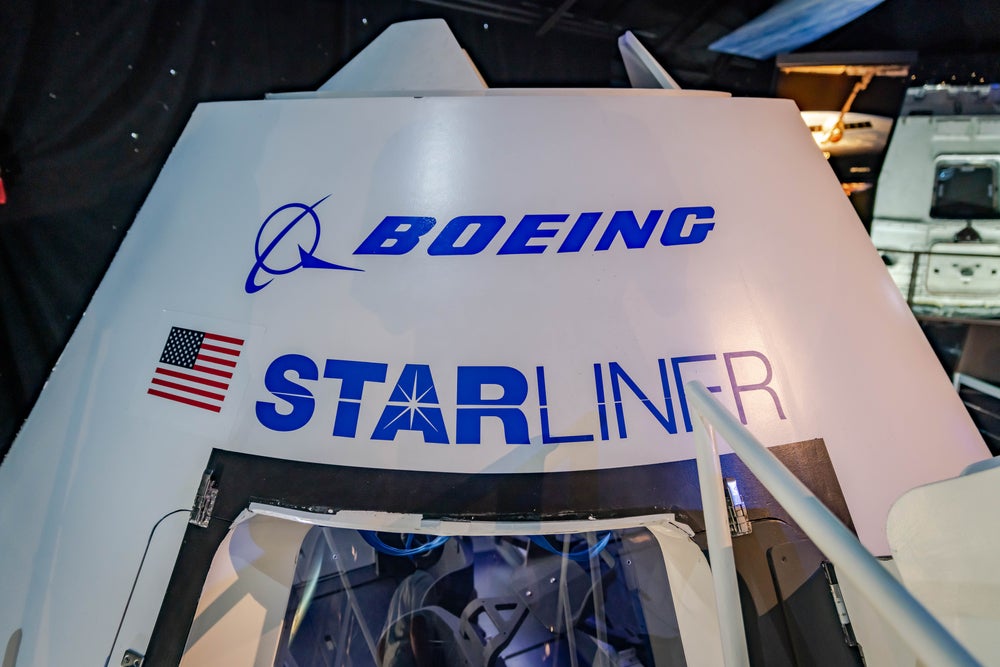
Corporate Sponsorship of Freedom 250 Raises Concerns


- Corporate Sponsorship: Major companies like Boeing, Lockheed Martin, and Oracle are sponsoring Freedom 250, and while no direct evidence links these sponsorships to government dealings, watchdogs warn this could create new avenues for corporate influence in Washington.
- Opaque Funding Structure: Freedom 250's fundraising materials indicate that donors contributing over $500,000 gain VIP access to Trump, raising ethical concerns about the transparency of funding and potential impacts on government decision-making.
- Celebration Participation: Despite Congress allocating $150 million for the 250th anniversary, Freedom 250 has secured nearly $80 million in related grants, while America250 has only received $25 million, indicating a preference among companies for Trump's version of the celebration.
- Event Issues: The Great American State Fair, a centerpiece of Freedom 250, has faced reduced state participation, sparse crowds, and technical failures, with some artists withdrawing due to concerns over the partisan nature of the event, highlighting organizational challenges.
See More

Crusoe in Talks to Raise $3 Billion for AI Infrastructure

- Funding Initiative: Crusoe is in discussions to raise approximately $3 billion, which could significantly enhance its valuation and support the expansion of its AI infrastructure.
- Market Potential: As AI technology rapidly evolves, this funding will position Crusoe favorably in a competitive landscape, driving its long-term growth strategy.
- Investor Interest: The funding round has attracted attention from multiple investors, reflecting strong market expectations for AI infrastructure demand, which may further propel the company's business development.
- Strategic Implications: Through this financing, Crusoe aims to bolster its technological capabilities and accelerate product development to meet the increasing market demand, solidifying its leadership position in the industry.
See More

U.S. Stocks Rise, S&P 500 Hits Two-Week High


- Employment Data Impact: U.S. nonfarm payrolls rose by 57,000 in June, falling short of the expected 113,000, with May's figures revised down to 129,000, indicating a slowdown in the labor market that could influence the Fed's rate hike decisions, thereby providing support for the stock market.
- Strong Market Performance: The S&P 500 index increased by 0.67%, and the Dow Jones Industrial Average rose by 0.85%, reaching an all-time high, reflecting market optimism for a 23% increase in Q2 earnings, particularly as AI infrastructure stocks are expected to contribute nearly 60% of earnings growth.
- International Market Rally: The Euro Stoxx 50 index climbed by 1.32%, hitting a new record high, indicating positive sentiment in global markets, especially against the backdrop of strong U.S. stock performance, which further boosts investor confidence.
- Oil Price Decline Impact: WTI crude oil prices fell by over 1% to a fresh 4.25-month low due to increased global supplies, which lowers inflation expectations and may provide additional support for the stock market, particularly benefiting airlines and cruise companies from reduced fuel costs.
See More
Oracle Faces Challenges in Data Center Construction
- Rising Construction Costs: Oracle has indicated that data center construction may face increased costs or delays due to supply chain issues and government restrictions, which could negatively impact the company's profitability if projects are not completed on schedule.
- Capital Expenditure Pressure: To expand its Oracle Cloud Infrastructure (OCI) business, Oracle must incur significant capital and operating expenditures to increase data center capacity, placing pressure on the company's financial health.
- Long-term Lease Commitments: Oracle has entered into long-term lease agreements with third-party data center providers, and if it fails to accurately predict customer demand, it may face infrastructure shortages that limit customer growth and lead to loss of market share.
- Concentrated Customer Risks: Oracle's OCI offerings are concentrated among a few large customers, increasing the risk of non-payment; if these customers do not renew contracts, Oracle may struggle to re-lease or repurpose data center capacity on acceptable terms.
See More
Snowflake's Strong Growth Outpaces Market Trends
- Significant Customer Growth: In the first quarter of fiscal 2027, Snowflake reported a total of 13,912 customers, adding 616 net new customers, which is a 38% year-over-year increase, including 13 new Forbes Global 2000 clients, highlighting the platform's strong appeal and sustained market demand.
- Strong Revenue Retention: The company achieved a net revenue retention rate of 126% in Q1 FY2027, indicating high customer dependency and satisfaction with its services, which is expected to further drive stable revenue growth.
- AI Strategy Expansion: Snowflake is enhancing its AI capabilities through partnerships with new clients like Sanofi, which launched the Concierge for Field tool using Snowflake Cortex AI, significantly improving sales representatives' efficiency, showcasing Snowflake's competitiveness and market potential in the AI sector.
- Optimistic Financial Outlook: The Zacks consensus estimates that Snowflake's revenues for Q2 FY2027 will reach $1.47 billion, reflecting a 28.39% year-over-year growth, with an expected earnings per share of 45 cents, indicating strong expectations for the company's future financial performance.
See More
Corporate Sponsorship Behind Trump's Freedom 250 Celebrations
- Corporate Sponsorship Phenomenon: A CNBC analysis reveals that 14 companies, including Boeing, Deloitte, and United Airlines, are backing both America250 and Freedom 250, indicating a complex intersection of corporate interests and politics that may influence their dealings with the government.
- Funding Transparency Issues: The sponsorship structure of Freedom 250 has been criticized for its opacity, allowing donors to gain access to Trump through contributions as high as $10 million, raising concerns about corporations seeking political influence.
- Celebration Participation Status: Despite Congress allocating $150 million for the 250th anniversary, America250 has only received $25 million, while Freedom 250 has secured nearly $80 million in funding, highlighting the financial advantage of Trump-aligned events.
- Event Organization Challenges: The Great American State Fair has faced poor participation, with at least eight states declining to join due to exhibit costs and partisan concerns, resulting in sparse crowds and equipment failures during the event.
See More
Corporate Sponsorship of Freedom 250 Raises Concerns
- Corporate Sponsorship: Major companies like Boeing, Lockheed Martin, and Oracle are sponsoring Freedom 250, and while no direct evidence links these sponsorships to government dealings, watchdogs warn this could create new avenues for corporate influence in Washington.
- Opaque Funding Structure: Freedom 250's fundraising materials indicate that donors contributing over $500,000 gain VIP access to Trump, raising ethical concerns about the transparency of funding and potential impacts on government decision-making.
- Celebration Participation: Despite Congress allocating $150 million for the 250th anniversary, Freedom 250 has secured nearly $80 million in related grants, while America250 has only received $25 million, indicating a preference among companies for Trump's version of the celebration.
- Event Issues: The Great American State Fair, a centerpiece of Freedom 250, has faced reduced state participation, sparse crowds, and technical failures, with some artists withdrawing due to concerns over the partisan nature of the event, highlighting organizational challenges.
See More
Crusoe in Talks to Raise $3 Billion for AI Infrastructure
- Funding Initiative: Crusoe is in discussions to raise approximately $3 billion, which could significantly enhance its valuation and support the expansion of its AI infrastructure.
- Market Potential: As AI technology rapidly evolves, this funding will position Crusoe favorably in a competitive landscape, driving its long-term growth strategy.
- Investor Interest: The funding round has attracted attention from multiple investors, reflecting strong market expectations for AI infrastructure demand, which may further propel the company's business development.
- Strategic Implications: Through this financing, Crusoe aims to bolster its technological capabilities and accelerate product development to meet the increasing market demand, solidifying its leadership position in the industry.
See More
U.S. Stocks Rise, S&P 500 Hits Two-Week High
- Employment Data Impact: U.S. nonfarm payrolls rose by 57,000 in June, falling short of the expected 113,000, with May's figures revised down to 129,000, indicating a slowdown in the labor market that could influence the Fed's rate hike decisions, thereby providing support for the stock market.
- Strong Market Performance: The S&P 500 index increased by 0.67%, and the Dow Jones Industrial Average rose by 0.85%, reaching an all-time high, reflecting market optimism for a 23% increase in Q2 earnings, particularly as AI infrastructure stocks are expected to contribute nearly 60% of earnings growth.
- International Market Rally: The Euro Stoxx 50 index climbed by 1.32%, hitting a new record high, indicating positive sentiment in global markets, especially against the backdrop of strong U.S. stock performance, which further boosts investor confidence.
- Oil Price Decline Impact: WTI crude oil prices fell by over 1% to a fresh 4.25-month low due to increased global supplies, which lowers inflation expectations and may provide additional support for the stock market, particularly benefiting airlines and cruise companies from reduced fuel costs.
See More