Goldman Sachs Updates U.S. Conviction List with New Additions
Written by Emily J. Thompson, Senior Investment Analyst
Updated: Mar 02 2026
0mins

Source: seekingalpha
- New Additions: Goldman Sachs updated its U.S. conviction list at the start of the month, adding ConocoPhillips (COP) and Loar Holdings (LOAR), while removing Huntington Ingalls Industries (HII), MSG Entertainment (MSGE), and Valero Energy (VLO), indicating a proactive approach to new investment opportunities.
- ConocoPhillips Outlook: Analysts highlighted that ConocoPhillips is on the verge of a positive free cash flow inflection, expected to transition over the next three years from heavy project investments to an ‘investment harvesting’ phase, with major projects coming online and reduced capex, significantly improving its financial health.
- Loar Holdings Growth Potential: As an aerospace parts supplier, Loar Holdings is recognized as a high-quality Aerospace & Defense ‘earnings compounder,’ with strong margins and free cash conversion, positioned well for long-term growth and margin expansion in its early stages.
- Market Reaction: Goldman’s update reflects keen insights into market dynamics, particularly in the energy and aerospace sectors, prompting investors to monitor these companies' performances and potential returns in the evolving economic landscape.
Trade with 70% Backtested Accuracy
Stop guessing "Should I Buy COP?" and start using high-conviction signals backed by rigorous historical data.
Sign up today to access powerful investing tools and make smarter, data-driven decisions.
Analyst Views on COP
Wall Street analysts forecast COP stock price to rise
19 Analyst Rating
15 Buy
3 Hold
1 Sell
Moderate Buy
Current: 114.990

Low
98.00
Averages
115.67
High
133.00
Current: 114.990
Low
98.00
Averages
115.67
High
133.00
About COP
ConocoPhillips is an exploration and production company. Its Alaska segment primarily explores for, produces, transports and markets crude oil, natural gas and NGLs. The Lower 48 segment consists of operations located in the 48 contiguous states in the United States and the Gulf of Mexico. Canadian operations consist of the Surmont oil sands development in Alberta, the liquids-rich Montney unconventional play in British Columbia and commercial operations. The Europe, Middle East and North Africa segment consists of operations principally located in the Norwegian sector of the North Sea, the Norwegian Sea, Qatar, Libya, Equatorial Guinea and commercial and terminalling operations in the United Kingdom. Asia Pacific segment has exploration and production operations in China, Malaysia, Australia and commercial operations in China, Singapore and Japan. Other International segment includes interests in Colombia as well as contingencies associated with prior operations in other countries.
About the author

Emily J. Thompson
Emily J. Thompson, a Chartered Financial Analyst (CFA) with 12 years in investment research, graduated with honors from the Wharton School. Specializing in industrial and technology stocks, she provides in-depth analysis for Intellectia’s earnings and market brief reports.

ConocoPhillips Shares Decline for Seven Consecutive Days

- Stock Price Decline: ConocoPhillips (COP) shares fell 1.1% to $113.78 on Friday, marking a decline for seven consecutive sessions, with a total drop of 6% in the previous six sessions, indicating market concerns about its future performance.
- Poor Monthly Performance: The stock has decreased by 11% over the past month, despite a year-to-date increase of over 21%, suggesting that recent downward trends may affect investor confidence amid volatility in the oil and gas market.
- Analyst Ratings Optimistic: According to Seeking Alpha's analysis, COP has a Quant Rating of Strong Buy with a score of 4.8 out of 5, reflecting high analyst confidence in its profitability prospects, although its growth factor rating is only a C, indicating limited growth potential.
- Strong Market Support: Eighteen Wall Street analysts have rated COP as Buy or higher, with nine analysts recommending Hold and none suggesting Sell, demonstrating a positive outlook on its long-term cash flow prospects.
See More
Republican Lawmakers Shift Investment Focus to Tech and Bitcoin

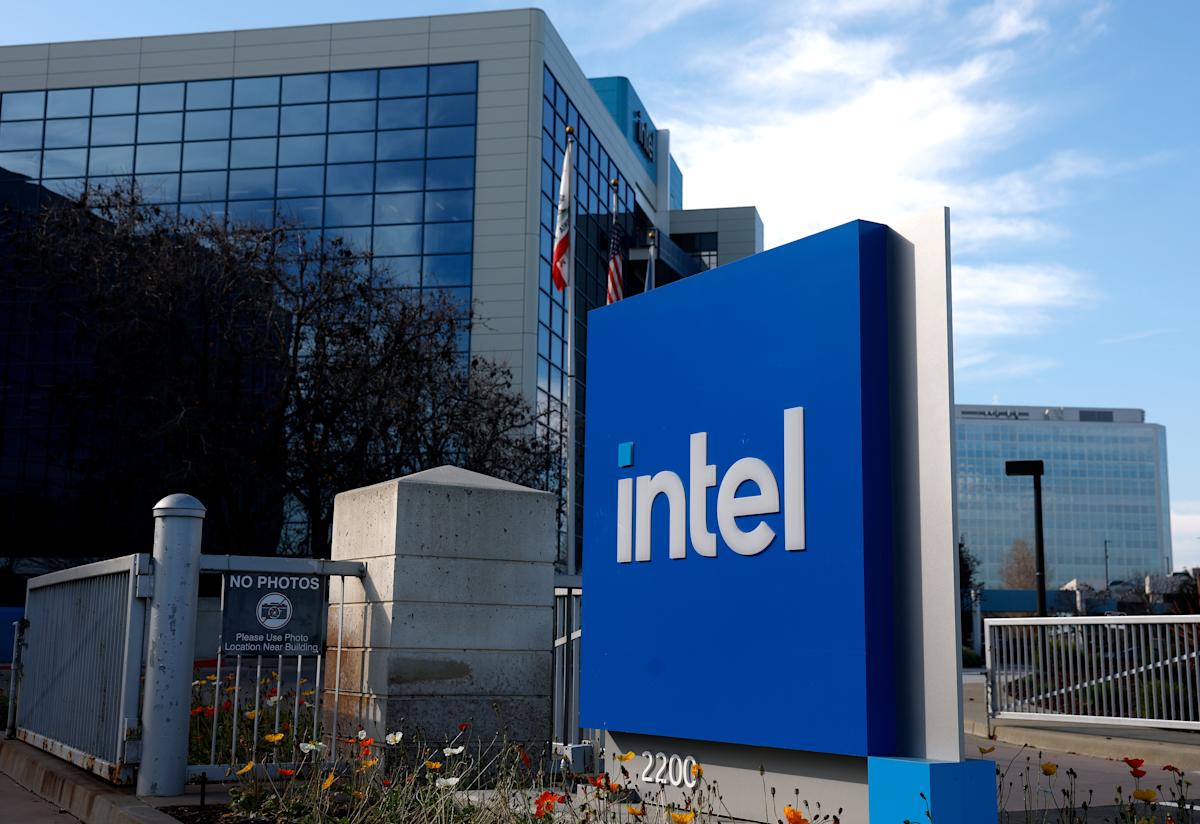
- Portfolio Shift: Republican lawmakers are experiencing a significant shift in their investment portfolios, particularly with increased investments in Intel (INTC) and Bitcoin (BTC-USD), reflecting President Trump's influence and potentially enhancing their competitiveness in the tech sector.
- ETF Performance: Republican investors tracking the ETF of GOP lawmakers have seen returns exceeding 20% year-to-date, while the Democratic ETF has only yielded 9%, indicating a relative advantage for Republicans in the market.
- Frequent Intel Trading: Since Trump's inauguration, Republican lawmakers have traded Intel stock nearly 50 times, with transaction values ranging from $525,000 to $1.8 million, and Intel's share in GOP portfolios has surged from 3% to 7.72%, indicating increased confidence in the company.
- Increased Bitcoin Investment: Bitcoin Trust ETF accounts for about 4% of GOP lawmakers' holdings, and Trump's support for the industry may further boost its popularity within the party, reflecting an optimistic outlook on future market structures.
See More

US-Iran Conflict Escalates, Oil Prices Surge Amid Economic Uncertainty


- Escalation of US-Iran Conflict: Following weeks of paused action, the US and Iran have resumed airstrikes, complicating hopes for a permanent resolution to the conflict, which is impacting global oil supplies and market sentiment.
- Strong Stock Market Performance: Despite rising geopolitical tensions, both the S&P 500 and Nasdaq Composite closed at record highs, primarily driven by a surge in AI-related stocks, indicating strong market confidence in the technology sector.
- Oil Price Warning: ExxonMobil has warned that oil inventories are on track to reach dangerously low levels in the coming weeks, forcing prices to spike and curbing demand, reflecting market concerns over energy supply.
- Wealthy Investors Pulling Out: According to the UBS Global Family Office Report, 60% of family offices plan to adjust their investment allocations in the next year, with many reducing US holdings and increasing exposure to emerging markets, highlighting a growing trend of 'de-dollarization'.
See More
Norwegian Oil Investment Projections Increased
- Investment Projections Increased: The Norwegian oil and gas sector now expects to invest 266 billion crowns (approximately $28.64 billion) in 2026, up from 255 billion crowns three months ago, indicating a cautious optimism about future prospects.
- Overall Investment Decline: Despite the increase for 2026, the industry anticipates a slight decline from the record high of 273 billion crowns in 2025, reflecting companies' reductions in capital expenditures at existing oil and gas fields.
- 2027 Investment Outlook: The sector forecasts investments of 207 billion crowns in 2027, exceeding the previous estimate of 201 billion crowns, suggesting that projections may rise further as new projects are approved in the coming months.
- Project Drivers: The strong investment growth has been primarily driven by a series of offshore oil and gas projects approved in 2022, particularly ConocoPhillips and its partners' decision to invest 20 billion crowns to restart production at three previously shuttered fields in the Greater Ekofisk area, which is expected to positively impact future investments.
See More

U.S.-Iran Negotiation Fluctuations Impact Markets
- Oil Price Plunge: Oil prices dropped over 5% on Wednesday after Secretary of State Marco Rubio indicated that Washington was giving Iran talks 'every chance to succeed,' reflecting market sensitivity to diplomatic efforts and potentially impacting energy sector profitability.
- Escalation of Military Actions: New U.S. airstrikes in Iran targeted a military site deemed a threat to U.S. forces and commercial maritime traffic, adding uncertainty to the ongoing diplomatic negotiations and prompting investors to reassess risk levels in the market.
- Strong Tech Stock Performance: Shares of cloud-based AI and data platform company Snowflake surged 36% following a strong earnings report and a $6 billion investment plan in Amazon Web Services, showcasing investment enthusiasm and market confidence in the tech sector amid rising AI demand.
- Inflation Data Focus: Investors are closely watching the upcoming April inflation reading, which is expected to influence the Fed's future rate decisions, as Minneapolis Fed President Neel Kashkari emphasized that lowering inflation remains a top priority, indicating market sensitivity to economic policy.
See More

Mixed Close for US Stocks as Oil Prices Plunge


- Market Performance: On Wednesday, the S&P 500 Index rose by 0.02%, the Dow Jones Industrial Average increased by 0.36% to a new record high, while the Nasdaq 100 fell by 0.09%, indicating a divergence in market sentiment amid enthusiasm for artificial intelligence and declining oil prices.
- Oil Price Fluctuations: Crude oil prices plummeted over 5% to a five-week low due to optimism surrounding a US-Iran peace deal, which eased inflation expectations and pushed the 10-year Treasury yield down to a 1.5-week low of 4.45%, providing support for the bond market.
- Mortgage Application Decline: US MBA mortgage applications fell by 8.5% for the week ending May 22, with the purchase mortgage sub-index down 0.4% and the refinancing sub-index down 18.1%, reflecting the dampening effect of high interest rates on housing demand, as the average 30-year fixed mortgage rate rose to 6.65%.
- Corporate Earnings Outlook: As of Wednesday, 83% of the 475 S&P 500 companies that reported Q1 earnings exceeded expectations, with projected earnings growth of 12% year-over-year, but excluding the technology sector, the growth is only 3%, indicating signs of overall earnings weakness.
See More
ConocoPhillips Shares Decline for Seven Consecutive Days
- Stock Price Decline: ConocoPhillips (COP) shares fell 1.1% to $113.78 on Friday, marking a decline for seven consecutive sessions, with a total drop of 6% in the previous six sessions, indicating market concerns about its future performance.
- Poor Monthly Performance: The stock has decreased by 11% over the past month, despite a year-to-date increase of over 21%, suggesting that recent downward trends may affect investor confidence amid volatility in the oil and gas market.
- Analyst Ratings Optimistic: According to Seeking Alpha's analysis, COP has a Quant Rating of Strong Buy with a score of 4.8 out of 5, reflecting high analyst confidence in its profitability prospects, although its growth factor rating is only a C, indicating limited growth potential.
- Strong Market Support: Eighteen Wall Street analysts have rated COP as Buy or higher, with nine analysts recommending Hold and none suggesting Sell, demonstrating a positive outlook on its long-term cash flow prospects.
See More
Republican Lawmakers Shift Investment Focus to Tech and Bitcoin
- Portfolio Shift: Republican lawmakers are experiencing a significant shift in their investment portfolios, particularly with increased investments in Intel (INTC) and Bitcoin (BTC-USD), reflecting President Trump's influence and potentially enhancing their competitiveness in the tech sector.
- ETF Performance: Republican investors tracking the ETF of GOP lawmakers have seen returns exceeding 20% year-to-date, while the Democratic ETF has only yielded 9%, indicating a relative advantage for Republicans in the market.
- Frequent Intel Trading: Since Trump's inauguration, Republican lawmakers have traded Intel stock nearly 50 times, with transaction values ranging from $525,000 to $1.8 million, and Intel's share in GOP portfolios has surged from 3% to 7.72%, indicating increased confidence in the company.
- Increased Bitcoin Investment: Bitcoin Trust ETF accounts for about 4% of GOP lawmakers' holdings, and Trump's support for the industry may further boost its popularity within the party, reflecting an optimistic outlook on future market structures.
See More
US-Iran Conflict Escalates, Oil Prices Surge Amid Economic Uncertainty
- Escalation of US-Iran Conflict: Following weeks of paused action, the US and Iran have resumed airstrikes, complicating hopes for a permanent resolution to the conflict, which is impacting global oil supplies and market sentiment.
- Strong Stock Market Performance: Despite rising geopolitical tensions, both the S&P 500 and Nasdaq Composite closed at record highs, primarily driven by a surge in AI-related stocks, indicating strong market confidence in the technology sector.
- Oil Price Warning: ExxonMobil has warned that oil inventories are on track to reach dangerously low levels in the coming weeks, forcing prices to spike and curbing demand, reflecting market concerns over energy supply.
- Wealthy Investors Pulling Out: According to the UBS Global Family Office Report, 60% of family offices plan to adjust their investment allocations in the next year, with many reducing US holdings and increasing exposure to emerging markets, highlighting a growing trend of 'de-dollarization'.
See More
Norwegian Oil Investment Projections Increased
- Investment Projections Increased: The Norwegian oil and gas sector now expects to invest 266 billion crowns (approximately $28.64 billion) in 2026, up from 255 billion crowns three months ago, indicating a cautious optimism about future prospects.
- Overall Investment Decline: Despite the increase for 2026, the industry anticipates a slight decline from the record high of 273 billion crowns in 2025, reflecting companies' reductions in capital expenditures at existing oil and gas fields.
- 2027 Investment Outlook: The sector forecasts investments of 207 billion crowns in 2027, exceeding the previous estimate of 201 billion crowns, suggesting that projections may rise further as new projects are approved in the coming months.
- Project Drivers: The strong investment growth has been primarily driven by a series of offshore oil and gas projects approved in 2022, particularly ConocoPhillips and its partners' decision to invest 20 billion crowns to restart production at three previously shuttered fields in the Greater Ekofisk area, which is expected to positively impact future investments.
See More
U.S.-Iran Negotiation Fluctuations Impact Markets
- Oil Price Plunge: Oil prices dropped over 5% on Wednesday after Secretary of State Marco Rubio indicated that Washington was giving Iran talks 'every chance to succeed,' reflecting market sensitivity to diplomatic efforts and potentially impacting energy sector profitability.
- Escalation of Military Actions: New U.S. airstrikes in Iran targeted a military site deemed a threat to U.S. forces and commercial maritime traffic, adding uncertainty to the ongoing diplomatic negotiations and prompting investors to reassess risk levels in the market.
- Strong Tech Stock Performance: Shares of cloud-based AI and data platform company Snowflake surged 36% following a strong earnings report and a $6 billion investment plan in Amazon Web Services, showcasing investment enthusiasm and market confidence in the tech sector amid rising AI demand.
- Inflation Data Focus: Investors are closely watching the upcoming April inflation reading, which is expected to influence the Fed's future rate decisions, as Minneapolis Fed President Neel Kashkari emphasized that lowering inflation remains a top priority, indicating market sensitivity to economic policy.
See More
Mixed Close for US Stocks as Oil Prices Plunge
- Market Performance: On Wednesday, the S&P 500 Index rose by 0.02%, the Dow Jones Industrial Average increased by 0.36% to a new record high, while the Nasdaq 100 fell by 0.09%, indicating a divergence in market sentiment amid enthusiasm for artificial intelligence and declining oil prices.
- Oil Price Fluctuations: Crude oil prices plummeted over 5% to a five-week low due to optimism surrounding a US-Iran peace deal, which eased inflation expectations and pushed the 10-year Treasury yield down to a 1.5-week low of 4.45%, providing support for the bond market.
- Mortgage Application Decline: US MBA mortgage applications fell by 8.5% for the week ending May 22, with the purchase mortgage sub-index down 0.4% and the refinancing sub-index down 18.1%, reflecting the dampening effect of high interest rates on housing demand, as the average 30-year fixed mortgage rate rose to 6.65%.
- Corporate Earnings Outlook: As of Wednesday, 83% of the 475 S&P 500 companies that reported Q1 earnings exceeded expectations, with projected earnings growth of 12% year-over-year, but excluding the technology sector, the growth is only 3%, indicating signs of overall earnings weakness.
See More