Goldman Sachs' Ex-CEO Warns of Lasting Damage from Iran War
Written by Emily J. Thompson, Senior Investment Analyst
Updated: 1 hour ago
0mins
Should l Buy GS?
Source: seekingalpha
- Market Risk Warning: Goldman Sachs' former CEO Lloyd Blankfein emphasized that even if the Iran war were to end tomorrow, the damage to infrastructure would persist, urging investors to prioritize contingency planning to navigate the ongoing market turmoil.
- Energy Market Volatility: He highlighted the recent wild swings in energy markets, advising investors to adopt a cautious approach and avoid overly confident trading strategies to protect their investments amid the fallout from the conflict.
- Changing Investment Environment: Blankfein noted that the investment backdrop prior to the war was characterized by more tailwinds than headwinds, but the current situation has rendered these advantages secondary, prompting investors to reassess market dynamics.
- Valuation Concerns in Private Markets: He expressed concerns over the accuracy of valuation marks in private market funds, suggesting that assets have not been adequately tested, particularly in the context of rising equity markets, which may pose potential risks.
Trade with 70% Backtested Accuracy
Stop guessing "Should I Buy GS?" and start using high-conviction signals backed by rigorous historical data.
Sign up today to access powerful investing tools and make smarter, data-driven decisions.
Analyst Views on GS
Wall Street analysts forecast GS stock price to rise
12 Analyst Rating
5 Buy
7 Hold
0 Sell
Moderate Buy
Current: 835.720

Low
604.00
Averages
951.45
High
1100
Current: 835.720
Low
604.00
Averages
951.45
High
1100
About GS
The Goldman Sachs Group, Inc. is a global financial institution that delivers a range of financial services to a large and diversified client base that includes corporations, financial institutions, governments and individuals. Its segments include Global Banking & Markets, Asset & Wealth Management and Platform Solutions. The Global Banking & Markets segment offers a range of services, including financing, advisory services, risk distribution, and hedging for its institutional and corporate clients. It facilitates client transactions and makes markets in fixed income, equity, currency and commodity products. The Asset & Wealth Management segment manages assets and offers investment products across all asset classes to a diverse set of clients. It also provides investing and wealth advisory solutions. The Platform Solutions segment includes consumer platforms, such as partnerships offering credit cards and point-of-sale financing, and transaction banking and other platform businesses.
About the author

Emily J. Thompson
Emily J. Thompson, a Chartered Financial Analyst (CFA) with 12 years in investment research, graduated with honors from the Wharton School. Specializing in industrial and technology stocks, she provides in-depth analysis for Intellectia’s earnings and market brief reports.
Market Volatility Ahead of G7 Leaders' Summit


- Increased Market Volatility: Conflicting reports regarding negotiations between the U.S. and Iran have led to market fluctuations resulting in billions, if not trillions, of dollars lost or gained over recent sessions, creating a challenging trading environment for investors.
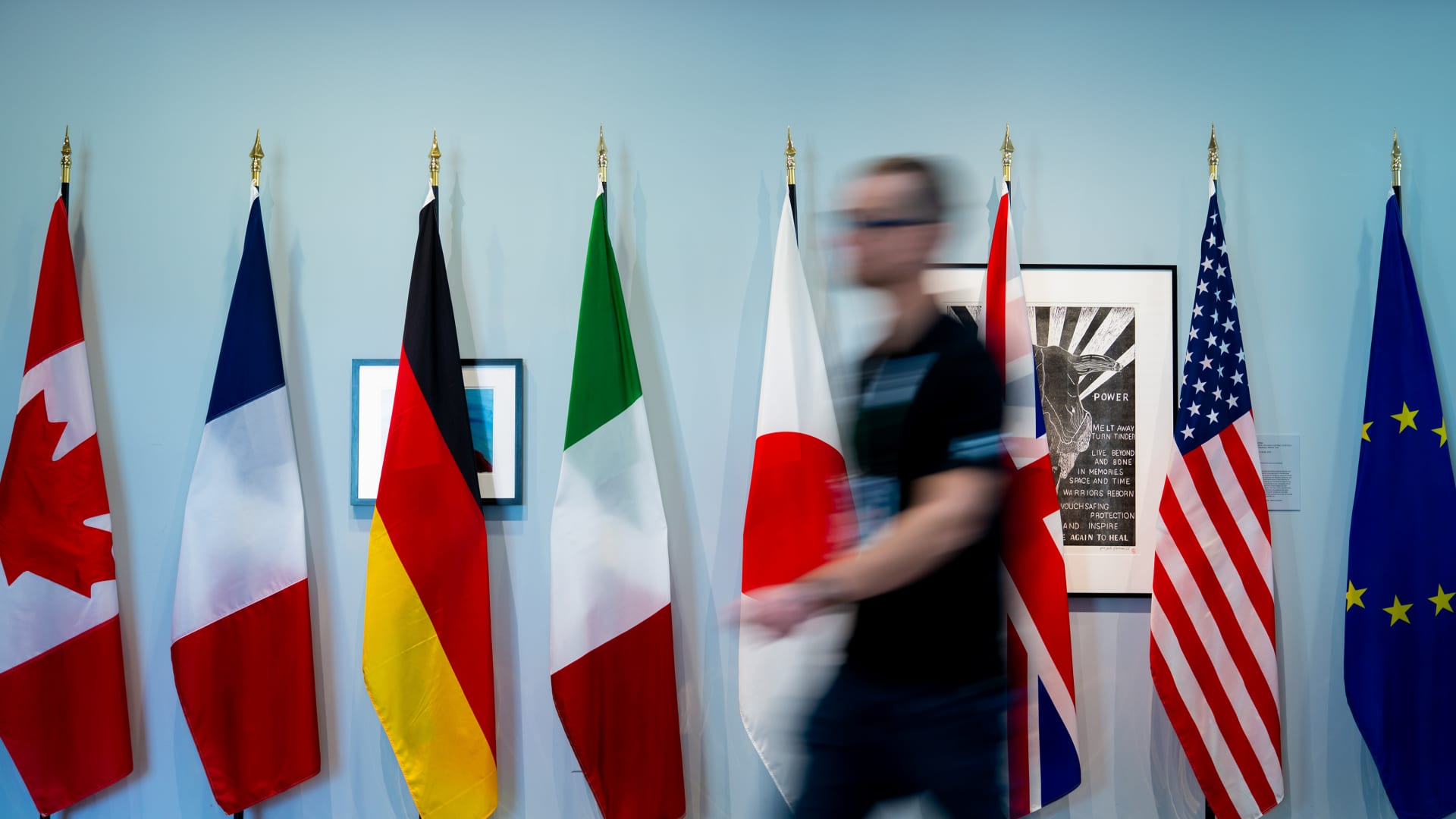
- G7 Foreign Ministers Meeting: The G7 foreign ministers are set to meet at the Abbey of Vaux-de-Cernay in France, where despite efforts to convey a unified message, underlying tensions between European nations and NATO regarding their supportive stance on the Iran war may complicate discussions.
- Iran's Stance: Iran's foreign minister stated that while there are no intentions for direct talks with the U.S., the country is reviewing an American ceasefire proposal and has laid out conditions, including control over the Strait of Hormuz, indicating a firm position in the regional conflict.
- Postponement of U.S.-China Summit: The White House confirmed that a long-awaited meeting between President Trump and President Xi Jinping will take place in Beijing on May 14 and 15, marking a six-week postponement, which may signal a potential easing of tensions in U.S.-China relations amidst the ongoing Iran conflict.
See More
Goldman Sachs' Ex-CEO Warns of Lasting Damage from Iran War

- Market Risk Warning: Goldman Sachs' former CEO Lloyd Blankfein emphasized that even if the Iran war were to end tomorrow, the damage to infrastructure would persist, urging investors to prioritize contingency planning to navigate the ongoing market turmoil.
- Energy Market Volatility: He highlighted the recent wild swings in energy markets, advising investors to adopt a cautious approach and avoid overly confident trading strategies to protect their investments amid the fallout from the conflict.
- Changing Investment Environment: Blankfein noted that the investment backdrop prior to the war was characterized by more tailwinds than headwinds, but the current situation has rendered these advantages secondary, prompting investors to reassess market dynamics.
- Valuation Concerns in Private Markets: He expressed concerns over the accuracy of valuation marks in private market funds, suggesting that assets have not been adequately tested, particularly in the context of rising equity markets, which may pose potential risks.
See More

STANCHART ANNOUNCES GOLDMAN SACHS, BNP PARIBAS, AND BARCLAYS TO OFFER STRUCTURED PRODUCTS ON THEIR PLATFORM

- Major Banks Involved: Goldman Sachs, BNP Paribas, and Barclays are set to sell their structured products on a specific platform.
- Market Impact: This move indicates a significant shift in how these financial institutions are managing their product offerings and could influence market dynamics.
See More
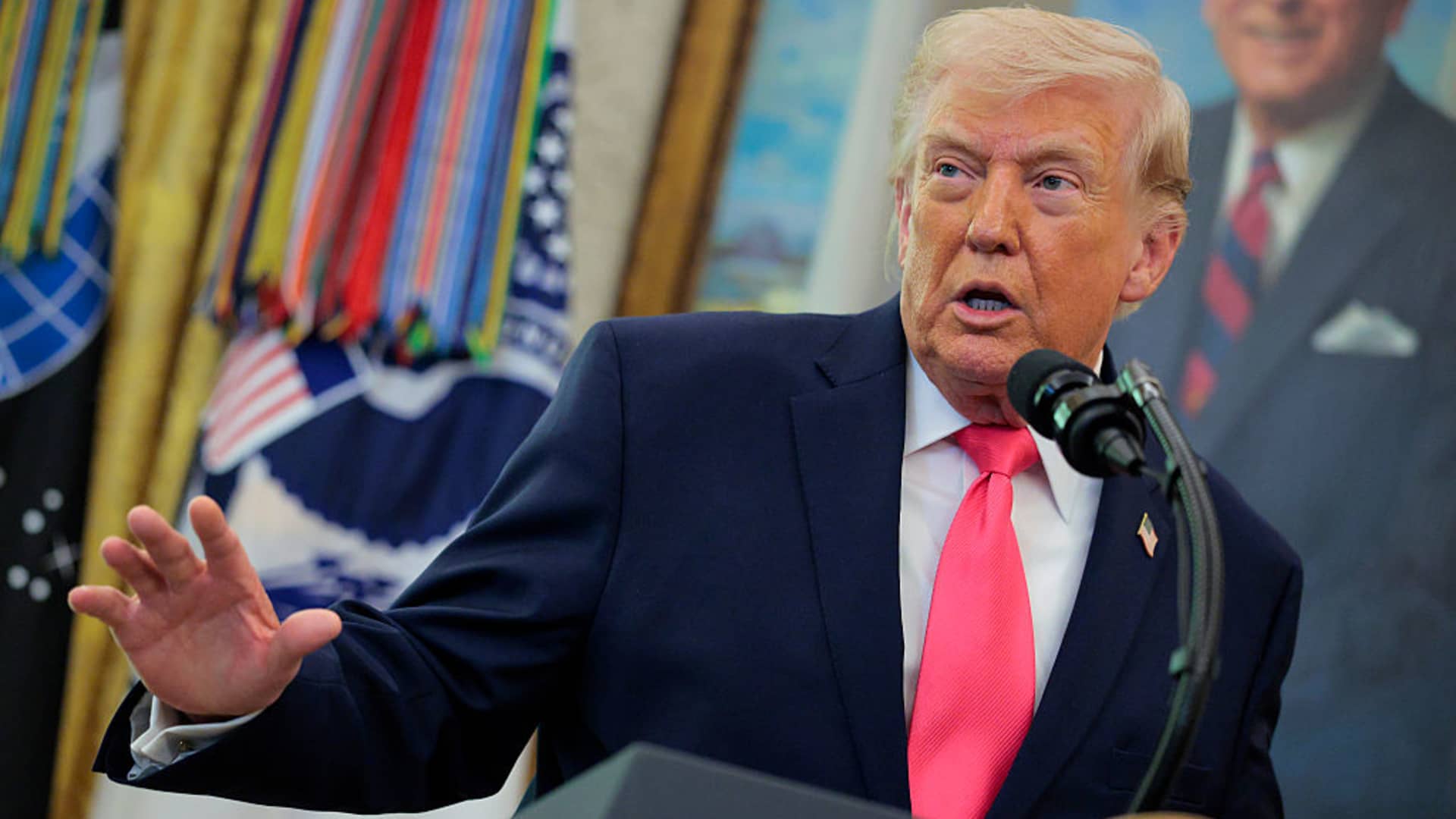
U.S. Markets Rebound Amid Rising Recession Risks
- Rising Recession Risks: Moody's Analytics has raised the probability of a U.S. recession in the next 12 months to 48.6%, while Goldman Sachs increased its estimate to 30%, indicating growing concerns about the economic outlook that could affect investor confidence.
- Geopolitical Impact: Iran's foreign minister stated that the country would review the U.S. ceasefire proposal but rejected direct negotiations, suggesting that the uncertainty in the Middle East may continue to exert pressure on global markets, particularly energy prices.
- Global Supply Chain Strain: The U.S. Postal Service is seeking an 8% temporary fuel surcharge on package and express mail deliveries to offset rising transportation costs, reflecting the profound impact of the Middle East conflict on global supply chains.
- Thailand Policy Shift: Thailand has abandoned attempts to cap domestic fuel prices and will instead provide targeted assistance to sectors most affected by rising energy costs, demonstrating different strategies among governments in addressing the energy crisis.
See More
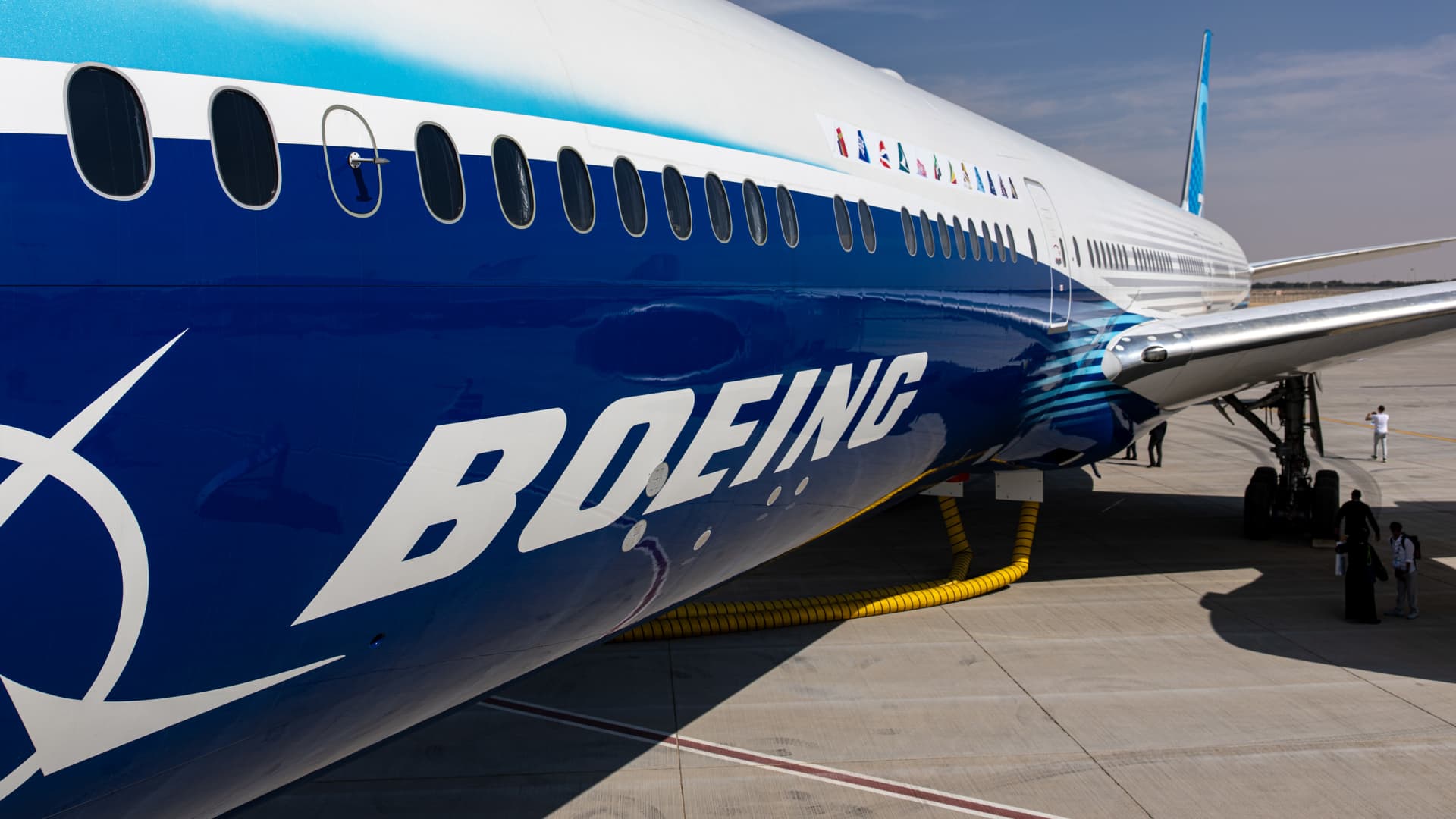
US Stocks Rise on Easing US-Iran Tensions


- Easing US-Iran Relations: The US proposed a 15-point peace plan to Iran, facing some resistance, yet the optimism surrounding this development has led to a rise in US stocks, indicating a positive investor response to reduced geopolitical risks.
- Oil Price Fluctuations: Global benchmark Brent crude fell to around $102 per barrel, reflecting concerns over supply surplus, while bond yields also dropped, suggesting an increased investor preference for risk assets amid easing tensions.
- Boeing Order Expectations: President Trump is set to meet Chinese President Xi Jinping in May, with expectations of announcing Boeing's first major order from China in nearly a decade, which could positively impact Boeing's market outlook and enhance its competitiveness in the Chinese market.
- Honeywell Investment: Honeywell signed a
See More

Is the AI Bubble Already Over? An Economist Explains Why the S&P 500 May Have Reached Its High Point.

Definition of the AI Bubble: The term "artificial-intelligence bubble" is characterized by its buzziness and ambiguity, lacking a clear definition.
Perception of Deflation: The perception of the AI bubble may vary based on the metrics used to evaluate its status, suggesting it could already be seen as deflated.
See More
Market Volatility Ahead of G7 Leaders' Summit
- Increased Market Volatility: Conflicting reports regarding negotiations between the U.S. and Iran have led to market fluctuations resulting in billions, if not trillions, of dollars lost or gained over recent sessions, creating a challenging trading environment for investors.
- G7 Foreign Ministers Meeting: The G7 foreign ministers are set to meet at the Abbey of Vaux-de-Cernay in France, where despite efforts to convey a unified message, underlying tensions between European nations and NATO regarding their supportive stance on the Iran war may complicate discussions.
- Iran's Stance: Iran's foreign minister stated that while there are no intentions for direct talks with the U.S., the country is reviewing an American ceasefire proposal and has laid out conditions, including control over the Strait of Hormuz, indicating a firm position in the regional conflict.
- Postponement of U.S.-China Summit: The White House confirmed that a long-awaited meeting between President Trump and President Xi Jinping will take place in Beijing on May 14 and 15, marking a six-week postponement, which may signal a potential easing of tensions in U.S.-China relations amidst the ongoing Iran conflict.
See More
Goldman Sachs' Ex-CEO Warns of Lasting Damage from Iran War
- Market Risk Warning: Goldman Sachs' former CEO Lloyd Blankfein emphasized that even if the Iran war were to end tomorrow, the damage to infrastructure would persist, urging investors to prioritize contingency planning to navigate the ongoing market turmoil.
- Energy Market Volatility: He highlighted the recent wild swings in energy markets, advising investors to adopt a cautious approach and avoid overly confident trading strategies to protect their investments amid the fallout from the conflict.
- Changing Investment Environment: Blankfein noted that the investment backdrop prior to the war was characterized by more tailwinds than headwinds, but the current situation has rendered these advantages secondary, prompting investors to reassess market dynamics.
- Valuation Concerns in Private Markets: He expressed concerns over the accuracy of valuation marks in private market funds, suggesting that assets have not been adequately tested, particularly in the context of rising equity markets, which may pose potential risks.
See More
STANCHART ANNOUNCES GOLDMAN SACHS, BNP PARIBAS, AND BARCLAYS TO OFFER STRUCTURED PRODUCTS ON THEIR PLATFORM
- Major Banks Involved: Goldman Sachs, BNP Paribas, and Barclays are set to sell their structured products on a specific platform.
- Market Impact: This move indicates a significant shift in how these financial institutions are managing their product offerings and could influence market dynamics.
See More
U.S. Markets Rebound Amid Rising Recession Risks
- Rising Recession Risks: Moody's Analytics has raised the probability of a U.S. recession in the next 12 months to 48.6%, while Goldman Sachs increased its estimate to 30%, indicating growing concerns about the economic outlook that could affect investor confidence.
- Geopolitical Impact: Iran's foreign minister stated that the country would review the U.S. ceasefire proposal but rejected direct negotiations, suggesting that the uncertainty in the Middle East may continue to exert pressure on global markets, particularly energy prices.
- Global Supply Chain Strain: The U.S. Postal Service is seeking an 8% temporary fuel surcharge on package and express mail deliveries to offset rising transportation costs, reflecting the profound impact of the Middle East conflict on global supply chains.
- Thailand Policy Shift: Thailand has abandoned attempts to cap domestic fuel prices and will instead provide targeted assistance to sectors most affected by rising energy costs, demonstrating different strategies among governments in addressing the energy crisis.
See More
US Stocks Rise on Easing US-Iran Tensions
- Easing US-Iran Relations: The US proposed a 15-point peace plan to Iran, facing some resistance, yet the optimism surrounding this development has led to a rise in US stocks, indicating a positive investor response to reduced geopolitical risks.
- Oil Price Fluctuations: Global benchmark Brent crude fell to around $102 per barrel, reflecting concerns over supply surplus, while bond yields also dropped, suggesting an increased investor preference for risk assets amid easing tensions.
- Boeing Order Expectations: President Trump is set to meet Chinese President Xi Jinping in May, with expectations of announcing Boeing's first major order from China in nearly a decade, which could positively impact Boeing's market outlook and enhance its competitiveness in the Chinese market.
- Honeywell Investment: Honeywell signed a
See More
Is the AI Bubble Already Over? An Economist Explains Why the S&P 500 May Have Reached Its High Point.
Definition of the AI Bubble: The term "artificial-intelligence bubble" is characterized by its buzziness and ambiguity, lacking a clear definition.
Perception of Deflation: The perception of the AI bubble may vary based on the metrics used to evaluate its status, suggesting it could already be seen as deflated.
See More